
Selecting the ideal red fabric for a Filipiniana or fiesta outfit depends entirely on which part of the garment you are constructing and the environment where you will wear it. For the iconic, structured butterfly sleeves of a terno, crisp and lightweight fabrics like polyester organza or jusi are highly effective at holding their shape. For the bodice and flowing skirt, opaque materials with an elegant drape, such as satin, crepe, or silk, provide the necessary movement and rich color depth. Because these traditional garments are worn in the tropical climate of the Philippines, balancing this structural integrity with breathability is essential for a comfortable, head-turning ensemble.
Identifying Structural and Comfort Needs for Philippine Formal Wear
The unique architecture of traditional Philippine formal wear demands careful consideration of fabric weight and stiffness. A classic terno is defined by its flat, upright butterfly sleeves, which require a fabric with high tensile strength and inherent rigidity. If the chosen material is too soft or heavy, the sleeves will sag, losing their historic, regal silhouette. Conversely, the skirt of a Maria Clara or a modern Filipiniana gown requires a fluid, graceful drape that moves naturally as you walk, necessitating a completely different fabric class.
Managing comfort in a tropical climate is another critical factor when selecting your material. High humidity and warm temperatures mean that heavy, non-breathable synthetic fabrics can quickly become uncomfortable during long events. Even for indoor, air-conditioned gatherings, the overall weight of the garment plays a significant role in how comfortable you feel. Opting for lightweight base fabrics or incorporating breathable cotton or rayon linings can make a substantial difference in temperature regulation.
Products mentioned in this guide
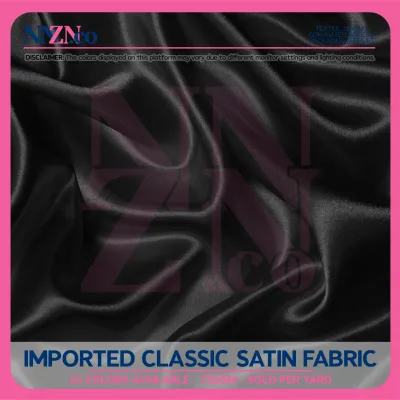

Prices are valid at publication and may change. Please refer to the product page for the latest price.
To achieve the desired silhouette without compromising comfort, you must also plan the underlying structure of the garment. Interfacing, crinoline, and structured underlays are often necessary to support the outer red fabric. For instance, a delicate red organza sleeve relies on a hidden layer of stiff nylon mesh or horsehair braid along the sleeve cap to maintain its arch. Selecting a lining that matches the drape of the outer skirt fabric ensures the gown flows seamlessly without clinging, bunching, or trapping excess heat.
Comparing Red Fabric Types for Sleeves, Bodices, and Skirts
Sheer and structured fabrics are the premier choices for creating volume and transparency in traditional sleeves and overlays. Organza is highly favored for modern Filipiniana designs due to its glassy shine and stiffness, which beautifully showcases vibrant red hues. Jusi, a traditional fine-woven fabric, offers a more matte, classic texture with a subtle weave that diffuses light elegantly. While authentic silk-based options are highly prized, high-quality synthetic blends provide excellent durability and color fastness for festive wear.

For the bodice and skirt, opaque fabrics with excellent draping qualities are essential to provide a smooth base and elegant movement. Satin is a popular choice because its smooth, lustrous surface reflects light brilliantly, making the red color appear exceptionally rich and dynamic. Crepe, with its pebbled texture and matte finish, offers a sophisticated alternative that drapes beautifully and resists wrinkling during extended wear. Silk shantung or taffeta can also be used to add a crisp, structured rustle to full, voluminous skirts.
The way a fabric is woven directly impacts how we perceive its color. A satin weave maximizes light reflection, making a bright scarlet look luminous and celebratory under any light source. A crepe or matte weave absorbs more light, giving deep crimson, ruby, or burgundy shades a velvety, regal depth. When selecting your red fabric, consider how these different textures interact with light to achieve the specific aesthetic and mood you want to project.
Selecting the Right Red Material for Indoor Galas and Outdoor Fiestas
Matching your fabric to the venue and time of day ensures both visual impact and physical comfort. An indoor evening gala, typically held in air-conditioned ballrooms, is the perfect setting for heavier, more luxurious fabrics. Rich red satins, brocades, and heavily layered organzas thrive in these environments, where controlled artificial lighting highlights their sheen and intricate textures. Deep shades like wine, ruby, and crimson feel appropriate and sophisticated under evening chandeliers.
In contrast, outdoor daytime fiestas demand lightweight, breathable materials that allow for easy movement under the tropical sun. A bright scarlet or vermilion jusi or lightweight crepe keeps you cool while standing out vividly against colorful outdoor backdrops. For these lively celebrations, it is wise to avoid heavy polyesters that trap heat, opting instead for breathable linings to ensure comfort during parades, street festivals, or outdoor gatherings.
Red is a highly expressive color that shifts dramatically depending on the light source. Under warm, yellow indoor lights, cool-toned reds can look slightly muted, while warm-toned reds pop. In contrast, the bright, direct natural light of a daytime fiesta can make bright reds look incredibly intense. Testing fabric swatches under the expected lighting conditions of your venue is a crucial step in ensuring your outfit looks exactly as intended.
Inspecting and Purchasing Red Fabric: A Tailor-Ready Checklist
Red dyes are notoriously prone to variation between different production batches, known as dye lots. When purchasing your fabric from local textile shops or online marketplaces, ensure all your yardage is cut from the same bolt to avoid subtle color mismatches that become obvious once the garment is assembled. Always inspect the fabric under both natural daylight and artificial store lighting to verify its true undertone and ensure there are no visible weaving defects.
To verify bleed resistance and colorfastness—which are critical for vibrant red dyes—perform a simple rub test by gently rubbing a damp white cotton cloth against a small fabric swatch. If the red dye transfers to the white cloth, the fabric is prone to bleeding and will require specialized dry cleaning or careful pre-treatment. Additionally, check the smoothness and weave density to ensure the fabric will not snag easily during sewing or wear.
Fabric bolts typically come in standard widths like 45 inches or 60 inches, and a narrower bolt requires more yardage to accommodate wide skirt panels or large butterfly sleeves. Always factor in a small margin for shrinkage, especially if using natural fibers or blends that require pre-washing. Before making the final cut, consult your dressmaker or tailor with your chosen design; they can provide an accurate yardage estimate based on your measurements and the specific fabric width, preventing costly shortages or wasteful excess.
Frequently Asked Questions (FAQ)
Caring for and Storing Delicate Red Traditional Fabrics
Red dyes, particularly on delicate fabrics like organza, jusi, or silk, can be sensitive to bleeding and fading. Always check the manufacturer’s care label or consult a professional dry cleaner before attempting to clean your outfit. Store the completed garment in a breathable fabric garment bag—never plastic—and keep it in a cool, dark closet away from direct sunlight to preserve the vibrancy of the red hue over time.
Estimating Yardage for a Complete Filipiniana Outfit
The amount of red fabric required depends heavily on the design’s complexity, the fullness of the skirt, and the width of the fabric bolt. A classic terno with large, structured butterfly sleeves and a full, floor-length A-line skirt will require significantly more yardage than a modern, minimalist Filipiniana top. To avoid running out of material, always secure a finalized pattern and obtain precise measurements from your professional tailor before purchasing your fabric.

Community discussion
Share your experience or ask a question. Comments are reviewed before publication.