
Choosing the right ribbon for celebration souvenirs is a balancing act between the physical properties of the ribbon, the weight of the favor, and the overall aesthetic theme of the event. A well-chosen ribbon does not just hold a package together; it elevates a simple token into a memorable keepsake. By matching the material, width, and color of your ribbon to the specific tone of your baptism, wedding, birthday, or debut, you can create a cohesive presentation that delights your guests.
How to Choose the Right Ribbon Material and Texture
Selecting the appropriate ribbon fabric depends heavily on the souvenir’s weight, packaging type, and the event’s level of formality. Satin is a classic choice, offering a high-shine, smooth finish that instantly elevates the perceived value of any favor. Double-sided satin is highly recommended over single-sided varieties, as it ensures the glossy finish is visible from every angle of the bow.
Organza provides a sheer, lightweight, and delicate texture that adds a dreamy, airy quality to packaging. It is ideal for layering over solid ribbons or wrapping delicate, lightweight favors like potpourri sachets or small jewelry boxes.
Products mentioned in this guide
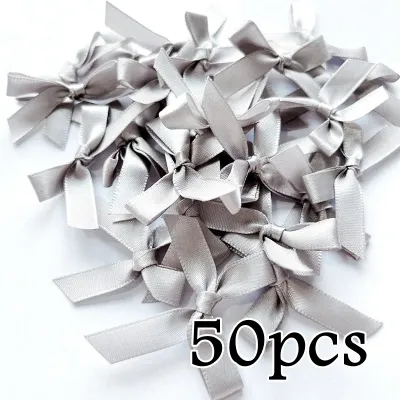
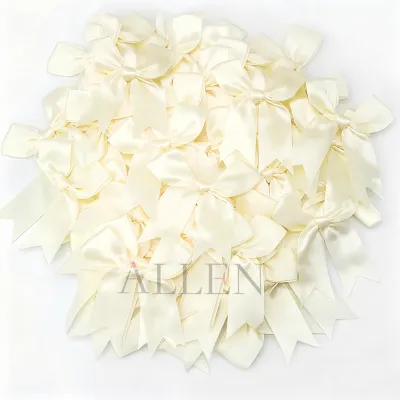
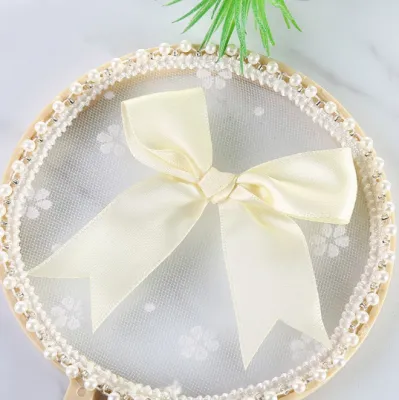
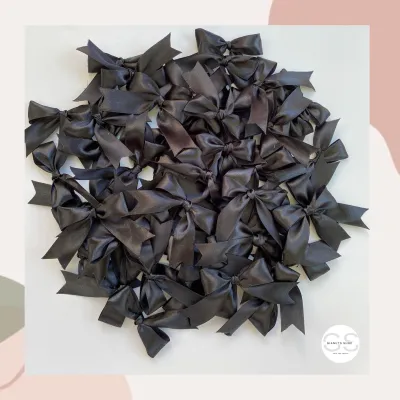
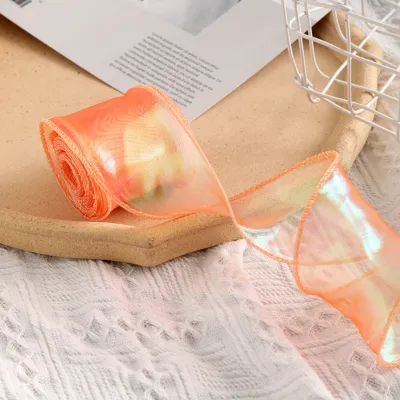
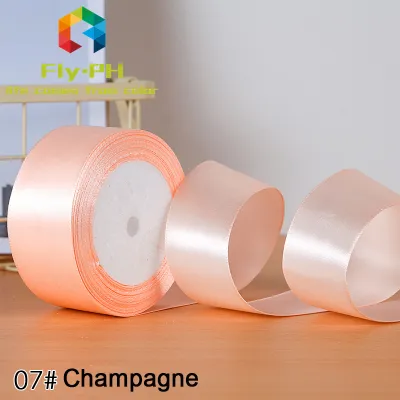
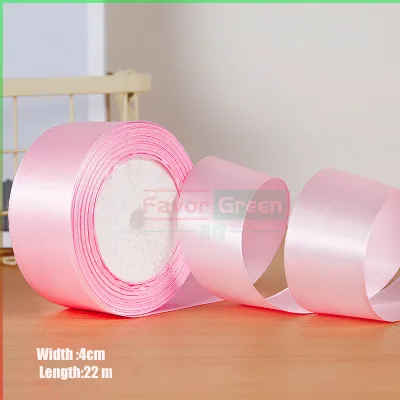
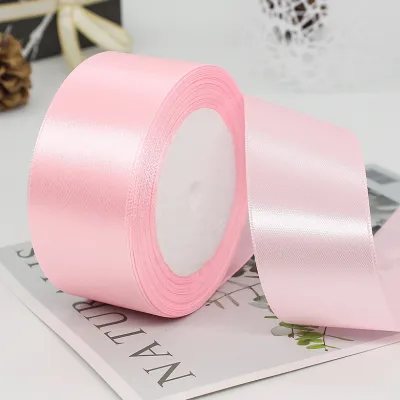
Prices are valid at publication and may change. Please refer to the product page for the latest price.
Grosgrain features a distinct ribbed texture and a matte finish, offering a modern, structured look. Because of its sturdy weave, grosgrain holds its shape exceptionally well, making it an excellent choice for crisp, structured bows on heavier boxes or gift bags.
Burlap and jute ribbons offer a coarse, highly textured feel that is highly suited for rustic, outdoor, or eco-friendly themes. These natural fibers pair beautifully with simple kraft paper boxes or glass jars.
When matching ribbon width to your souvenir, consider both visual balance and tensile strength. Small favors, such as a 5cm candle or a miniature jar of honey, look best with narrow ribbons ranging from 3mm to 10mm. Larger souvenir boxes or heavy gift bags require wider ribbons, typically 25mm to 50mm, to maintain visual proportion and securely hold the package together.
In warm, humid tropical climates, moisture can cause low-quality dyes to bleed. Before committing to a bulk purchase, perform a simple colorfastness test: dampen a small strip of the ribbon and press it firmly against a scrap of white paper or the actual souvenir box. If any color transfers, avoid using that ribbon, especially on light-colored packaging. Additionally, check for fraying by cutting a sample piece at a 45-degree angle and handling it firmly to see how easily the threads unravel.
Matching Ribbon Aesthetics to Your Event Theme
Ribbons serve as a visual bridge, connecting the grand design elements of your venue—such as table linens, floral arrangements, and stage backdrops—to the small keepsake your guests take home. Using a ribbon that echoes a secondary accent color from your event decor creates a unified design narrative.

It is also essential to evaluate the lighting and venue conditions. Highly reflective ribbons, like metallic foils or high-gloss satins, catch the light beautifully in dimly lit indoor ballrooms, adding a touch of luxury. Conversely, under bright outdoor sunlight or rustic garden settings, highly reflective materials can look harsh or create distracting glare; matte finishes like grosgrain, cotton, or organza work much better in these environments.
Baptism and Christening Souvenirs
Baptisms and christenings are solemn, family-centered milestones that call for soft, gentle, and traditional aesthetics. The conventional color palette centers on pure white, cream, soft pastels (like baby blue, blush pink, or mint green), and subtle metallic accents like champagne gold or silver. These colors symbolize purity, new beginnings, and grace.
For small, delicate keepsakes such as miniature candles, artisanal soaps, or small rosaries, opt for narrow ribbons ranging from 3mm to 6mm in width. Delicate organza or thin, high-quality satin ribbons wrap beautifully around these items without overwhelming their small physical footprint.
Avoid using overly flashy, neon, or highly casual textures like coarse burlap or loud patterns. These materials can clash with the sacred and formal nature of the ceremony, detracting from the elegant simplicity that typically defines baptismal favors.
Wedding Favors and Souvenirs
Wedding favors are a direct reflection of the couple’s personal style and the wedding’s overall theme. When selecting ribbons, aim to match or subtly contrast with the primary wedding color palette. If your main color is navy blue with gold accents, a deep navy satin ribbon or a shimmering gold organza ribbon can tie the favor into the table setting beautifully without creating visual clutter.
The choice of texture should align with the venue’s vibe. For formal, indoor hotel receptions, premium textures like silk, velvet, or double-faced satin elevate the presentation. For outdoor, beach, or garden weddings, rustic and natural options like cotton twine, linen strips, or soft burlap ribbons complement the organic surroundings.
To add depth, consider layering a narrow, textured ribbon over a wider, solid-colored satin ribbon. You can also slide a small, personalized tag onto a thin ribbon before tying the bow, ensuring the personalization is integrated cleanly without cluttering the souvenir’s design.
Birthday and Debut Celebrations
Birthdays and 18th debut celebrations are vibrant, highly personalized milestones where the celebrant’s personality takes center stage. This allows for much more creative freedom, including the use of bold colors, playful patterns (like polka dots or stripes), and mixed textures that match the specific party motif.
Because birthday and debut souvenirs often consist of larger items—such as custom tumblers, pastry boxes, or elaborate gift bags—you will need wider, more durable ribbons. A 25mm to 40mm grosgrain or satin ribbon provides the necessary structural support to keep these larger packages secure.
While festive aesthetics are important, practical security is paramount. Souvenirs often undergo significant transport, from the assembly venue to the party tables, and finally to the guests’ homes. Ensure the ribbon style you choose can be tied tightly and securely, preventing the contents from spilling or shifting during transit.
Sizing, Tying, and Attaching Ribbons to Souvenirs
To avoid wasting material or running short mid-assembly, calculate the exact ribbon length needed for each souvenir. A reliable formula for a standard four-sided wrap with a bow is: Ribbon Length = (2 x Length) + (2 x Width) + (4 x Height) + Bow Allowance. The bow allowance typically ranges from 30cm to 45cm, depending on how large and plush you want the final bow to be. Always test this formula on a single box first, adjust as needed, and then cut your bulk ribbon using that verified template.
Securing the ribbon prevents it from sliding off slick cardboard or plastic packaging. Use small, clear glue dots or a tiny strip of double-sided tape on the underside of the ribbon where it meets the bottom or back of the box. This keeps the ribbon anchored in place without leaving visible residue or damaging the packaging material.
When assembling in bulk, you may encounter common issues like uneven bows or slipping knots. To prevent knots from loosening, use a basic square knot before tying the loops of your bow. If you notice accidental color transfer from the ribbon onto light-colored souvenir boxes, this is often triggered by high humidity or friction during transport. Keep the assembled souvenirs stored in a cool, dry place, and avoid packing them too tightly against one another in transit boxes.
Frequently Asked Questions (FAQ)
How do I prevent ribbon edges from fraying after cutting?
Fraying can quickly make a beautiful souvenir look unpolished. To prevent this, first determine if your ribbon is synthetic or natural. Synthetic ribbons, such as polyester satin, organza, and grosgrain, can be carefully heat-sealed. Natural ribbons, like cotton, linen, or silk, will burn rather than melt, so they require fabric sealants or a clean cut using sharp pinking shears.
To heat-seal synthetic ribbons, pass the freshly cut edge quickly near—but not directly into—the flame of a lighter or candle. The heat will melt the plastic fibers together, creating a clean, sealed edge. Always perform this step in a well-ventilated area, away from flammable packaging materials, delicate souvenirs, or children. For natural fibers, apply a tiny drop of clear fabric glue or liquid sealant along the cut edge and let it dry completely before wrapping.
Can I use the exact same ribbon for both invitations and souvenirs?
Using the same ribbon color across your invitations and souvenirs is an excellent way to establish a cohesive visual theme from the moment guests receive their invite to the end of the event. However, using the exact same width and texture for both may not always be practical or visually appealing.
Invitations are flat and must fit into envelopes, meaning thick, bulky ribbons can cause the envelope to bulge, potentially increasing mailing costs or causing damage during transit. For invitations, a flat, narrow ribbon (such as a 3mm satin or a thin paper twine) works best. For three-dimensional souvenirs, you have more space to use wider, more textured ribbons that can hold a plush bow. To maintain a cohesive look, match the exact color dye lot but vary the width and texture to suit each specific application.

Community discussion
Share your experience or ask a question. Comments are reviewed before publication.