
Choosing the best paint for shoe soles depends entirely on the material of the sole and how much the shoe flexes during daily wear. While dedicated specialized sole paints offer the highest built-in flexibility and adhesion for high-friction rubber, acrylic paints mixed with a flexible fabric medium serve as a highly accessible, fast-drying alternative. Oil-based paints provide excellent durability but carry a high risk of chemically degrading foam soles due to their harsh solvents.
In warm, humid environments like the Philippines, where shoes face intense heat, sudden tropical downpours, and rough concrete sidewalks, choosing the correct formulation and allowing proper curing time is critical to prevent peeling. To achieve a lasting custom finish, you must evaluate how each paint type handles constant bending, moisture, and ground friction. By understanding the physical properties of your footwear and the chemical behavior of different paints, you can avoid premature cracking and ensure your custom design survives the streets.
Identifying Your Sole Material and Adhesion Requirements
Before purchasing any paint, you must identify the specific material of your shoe soles. Footwear manufacturers typically use three primary materials: solid rubber, ethylene-vinyl acetate (EVA) foam, and polyurethane (PU). Each material reacts differently to paint binders and solvents, making material identification the most critical step of your project.
Products mentioned in this guide
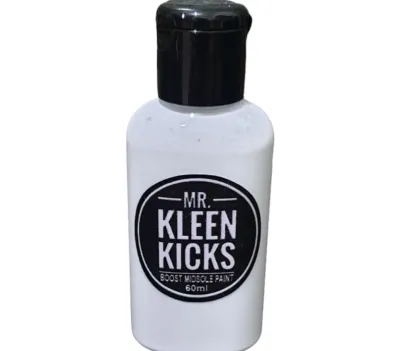
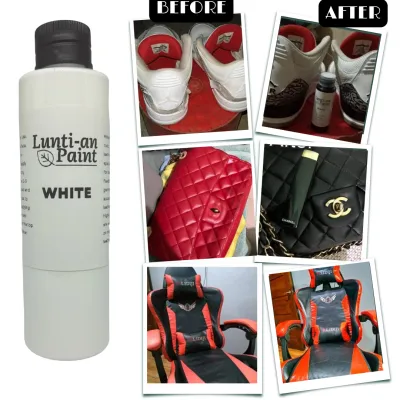
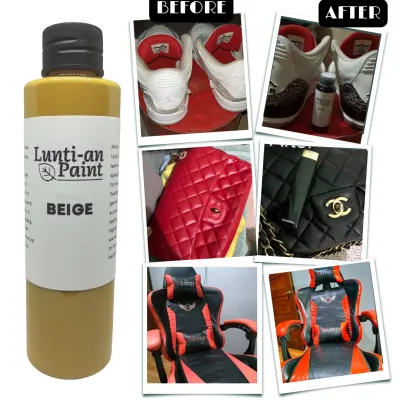
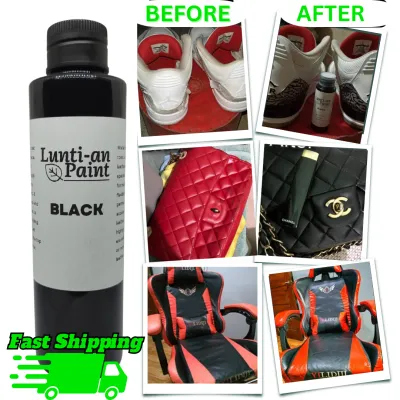
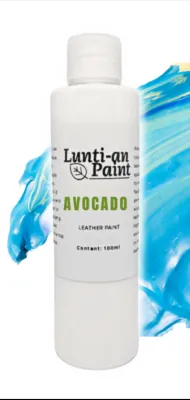
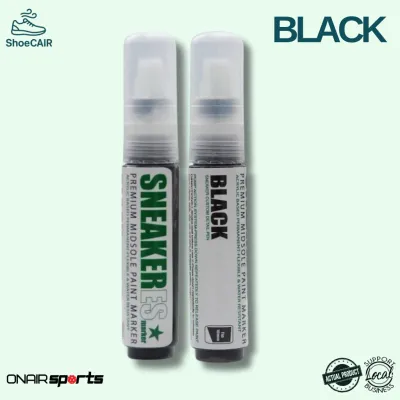
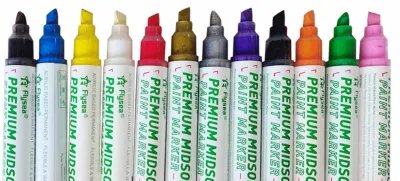
Prices are valid at publication and may change. Please refer to the product page for the latest price.
Solid rubber soles are heavy, dense, and highly flexible, commonly found on classic skate shoes and court sneakers. They resist chemical solvents well but have a slick, non-porous surface that makes mechanical adhesion difficult without proper surface scuffing. If your sole has a distinct rubbery smell and does not compress easily under thumb pressure, it is likely solid rubber.
EVA foam soles are incredibly lightweight, spongy, and compress easily under pressure, making them popular for running shoes and modern slides. Because EVA foam constantly compresses and expands with every step, any paint applied to it must possess extreme elasticity. Standard rigid paints will crack and flake off EVA foam almost immediately upon walking.
Polyurethane soles are slightly heavier than EVA, offering a semi-rigid structure often used in mid-soles and work boots. In highly humid tropical climates, polyurethane can undergo hydrolysis—a chemical breakdown that causes the material to crumble over time. Painting over a degrading PU sole is impossible, so you must verify that the material is structurally sound, dry, and free of powdery residue before starting.
Constant bending at the toe box, compression under the heel, and abrasive friction against the ground present severe challenges to paint adhesion. When you walk, the sole undergoes shear stress, which attempts to tear the paint layer away from the substrate. Checking the manufacturer’s specifications or shoe labels for material-specific compatibility is the best way to ensure your chosen paint will bond permanently.
Evaluating Acrylic, Oil, and Specialized Sole Paints
To select the right paint, you must compare the three primary formulations based on their flexibility, cure time, overall durability, and cleanup requirements. No single paint type excels in every category, and performance always depends on the specific product formulation and the use of correct primers or additives.

In humid conditions, drying and curing behaviors change dramatically. Water-based options may dry slower in high humidity, while solvent-based options require excellent ventilation to cure safely. Understanding these structural properties allows you to choose a paint that matches both your shoe material and your local working environment.
Acrylic Paints and Flexible Mediums
Standard acrylic paints are highly accessible and come in a vast array of colors, but they dry into a rigid plastic film. If applied directly to a flexible rubber or foam shoe sole, standard acrylic will crack and peel the moment the sole bends. To use acrylics successfully on footwear, you must mix them with a flexible fabric or textile medium.
Mixing a flexible medium into your acrylic paint alters the polymer structure, allowing the dried paint film to stretch and bend without breaking. A typical mixing ratio is one part medium to one part paint, though you should always check the medium’s label for specific instructions. This combination provides a highly customizable, budget-friendly solution for low-flex areas of the sole.
Acrylics offer practical advantages, including fast drying times and simple water-based cleanup. They do not emit harsh chemical fumes, making them safe for indoor use. However, because they are water-based, their initial drying speed can be slowed by high tropical humidity, requiring patience between coats.
Before committing to this method, check the flexible medium’s label for explicit rubber or plastic adhesion guarantees. While highly versatile, acrylic-medium mixtures may still struggle on high-friction contact points under the sole, making them best suited for the visible sidewalls of the midsole.
Oil-Based Paints and Solvents
Oil-based paints, such as traditional enamels, dry through chemical oxidation to form an incredibly hard, durable, and water-resistant barrier. This toughness makes them highly resistant to scratches and moisture, which is beneficial when walking on wet streets or rough gravel.
However, oil-based options require a significantly longer curing time than water-based paints. In humid climates, this curing process can take several days or even weeks to complete fully. Additionally, cleanup and thinning require mineral spirits, turpentine, or other chemical solvents, necessitating a well-ventilated workspace and protective gear.
An important warning for footwear customizers is that the strong solvents found in oil paints and thinners can chemically attack, melt, or warp delicate foam soles like EVA. Applying an oil-based paint to a sensitive synthetic foam can permanently ruin the structural integrity of your shoes.
To prevent damage, you must verify the chemical compatibility of the paint with your specific sole material. Consult the product’s safety data sheet (SDS) or technical specifications, and always perform a small spot test on an inconspicuous part of the sole before painting the entire surface.
Dedicated Specialized Sole Paints
Dedicated specialized sole paints are pre-formulated specifically for the extreme demands of footwear customization. These paints typically utilize advanced acrylic-polyurethane hybrid binders that offer maximum flexibility and high adhesion without the need for mixing external additives.
These specialized formulas are engineered to withstand the constant compression of foam and the high-friction environment of rubber soles. They stretch and contract dynamically with the shoe, making them the most durable option for functional, everyday wear. They also resist water and mild cleaning agents exceptionally well.
Despite their superior performance, specialized sole paints are not universal solutions. You must read the product label carefully to verify compatibility with your exact sole type, as some formulas are optimized for dense rubber while others are designed for porous foam.
Additionally, specialized paints often require strict adherence to manufacturer-specified preparation steps, proprietary primers, or specialized topcoats. Skipping these recommended system components can result in adhesion failure, meaning you must treat the project as a complete multi-step system rather than a single paint application.
Essential Surface Preparation and Application Steps
Proper surface preparation is the single most important factor in determining whether your paint job will last or peel off within hours. Because shoe soles accumulate oils, release agents from the factory, dirt, and road grime, you must create a pristine, chemically clean surface before applying any paint.
Start by thoroughly cleaning and degreasing the sole. Wash the area with mild dish soap and warm water to remove loose dirt, then dry it completely. Next, apply isopropyl alcohol (70% or 90%) to a lint-free microfiber cloth and scrub the sole vigorously to strip away residual manufacturing oils and grease. Avoid using harsh solvents like pure acetone on delicate EVA foam soles, as acetone can dissolve, warp, or permanently soften the foam structure.
Once the sole is clean and dry, you must create a physical “tooth” for the paint to grip. For smooth, non-porous rubber soles, use fine-grit sandpaper (between 400 and 600 grit) to lightly scuff the surface. This process creates microscopic scratches that dramatically improve mechanical adhesion. Be gentle and stop immediately if the sole material is delicate, starts to pill, or sheds fibers, as over-sanding can ruin the texture of the sole.
When applying the paint, the golden rule is to use multiple thin, even coats rather than one thick layer. Thick layers of paint trap moisture beneath the surface—especially in humid tropical climates—preventing proper curing and leading to bubbling or cracking. Use a soft-bristled brush or an airbrush to apply each layer, allowing the paint to dry completely to the touch before applying the next.
After the final coat is applied, respect the manufacturer’s specified curing time before wearing the shoes. While the paint may feel dry to the touch within an hour, full chemical curing and cross-linking often take 24 to 72 hours. In high-humidity environments, it is highly recommended to extend this waiting period by an additional 24 hours to ensure the paint film has reached its maximum strength and water resistance.
Decision Framework: Matching Paint to Your Project
To choose the right paint system for your specific customization project, you can follow this conditional decision framework based on your sole material, tools, and durability needs:
- Scenario A: Maximum Durability on Known Materials. Choose a dedicated specialized sole paint if the manufacturer explicitly lists compatibility with your exact sole material (such as solid rubber or EVA foam). This option is highly recommended if you plan to wear the shoes regularly and require a finish that can withstand heavy flexing and outdoor friction. While investing ₱300 to ₱800 in specialized paints and primers is more costly, it provides the most reliable long-term results.
- Scenario B: Budget-Friendly or Low-Flex Customization. Choose a high-quality acrylic paint mixed with a flexible fabric medium if you are customizing low-flex areas (such as the upper sidewalls of a rubber cupsole), require a fast-drying option, or prefer easy water-based cleanup. This is an excellent choice for display shoes, light-use sneakers, or projects where you want to utilize an existing collection of art supplies.
- Scenario C: Chemically Resistant, Hard Rubber Soles. Choose an oil-based enamel paint only if you are working with a dense, hard rubber sole that is chemically resistant to solvents, and you require a specific high-gloss or metallic finish that cannot be achieved with water-based paints. Ensure you work outdoors or in a highly ventilated space to safely handle the fumes and cleanup solvents.
- Scenario D: Unknown or Highly Textured Materials. If you cannot identify the sole material, or if the surface is highly textured and porous, do not risk painting the entire shoe immediately. Perform a small patch test by applying your chosen paint to an inconspicuous area, such as the inner arch or the underside of the heel. Allow it to cure fully for 48 hours, then perform a simple scratch and flex test. If the paint cracks or peels easily, consult the shoe or paint manufacturer for guidance before proceeding.
Frequently Asked Questions (FAQ)
Can I use regular wall or craft paint on shoe soles?
No, you should avoid using standard wall paint or basic craft acrylics on shoe soles. These paints are formulated for rigid, stationary surfaces like drywall, wood, or paper, and they lack the highly elastic binders and polyurethane additives required to withstand constant bending and compression. If applied to a shoe sole, regular craft paint will dry brittle and will crack, flake, or peel off during your very first walk, ruining your design and leaving a messy residue.
How do I prevent paint from cracking on flexible rubber soles?
To prevent paint from cracking on flexible rubber, you must use a flexible fabric medium mixed with your acrylic paint or use a dedicated specialized sole paint. Always prepare the surface thoroughly by degreasing it with isopropyl alcohol and lightly scuffing it with fine sandpaper to improve adhesion. Apply the paint in three to four paper-thin coats rather than one thick layer, and allow the shoes to cure completely in a dry environment for at least 24 to 72 hours before bending or wearing them.

Community discussion
Share your experience or ask a question. Comments are reviewed before publication.