
Selecting the ideal specialty paper for bullet journaling is about matching the paper’s physical properties to the specific ink delivery of your favorite writing tools. When your paper and pens are misaligned, even the most meticulous layout can be ruined by ink spreading across the fibers or soaking through to the next page. By understanding how paper weight, sizing, and coatings interact with different ink formulas, you can create a clean, durable journal that preserves your thoughts and artwork beautifully.
In tropical climates where high humidity is a constant factor, choosing the right paper becomes even more critical. Paper fibers naturally absorb moisture from the air, which can slow down ink drying times and make standard sheets more prone to feathering. Investing in high-quality specialty paper designed to resist moisture absorption and control ink spread ensures that your fine lines remain crisp and your colors stay vibrant, regardless of the weather.
Understanding Paper Weight and Coating for Ink Control
To make an informed decision when browsing stationery shops or online marketplaces, you must first understand the technical specifications listed on paper packaging. The most common metric you will encounter is GSM, which stands for grams per square meter. This measurement indicates the weight and density of the paper, with higher numbers generally translating to thicker, more opaque sheets that offer better resistance to ink penetration. For everyday writing with standard ballpoint pens, a lower GSM may suffice, but bullet journaling with wet inks typically requires a more robust canvas.
Products mentioned in this guide
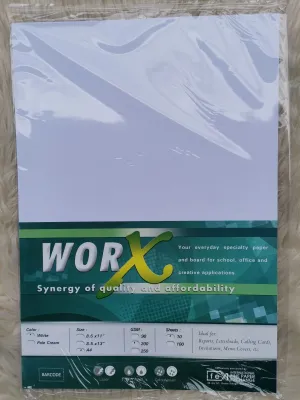
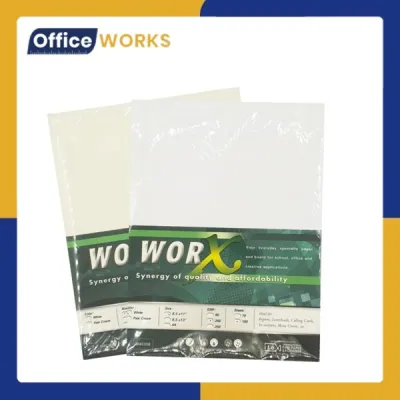
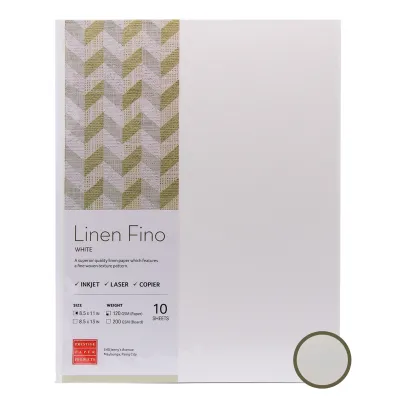
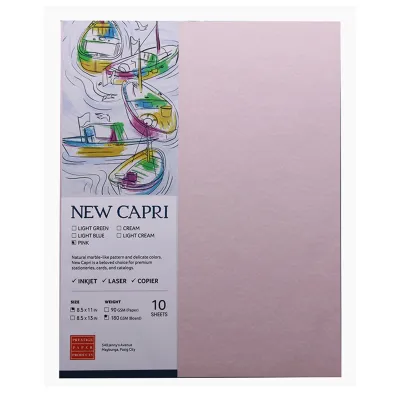
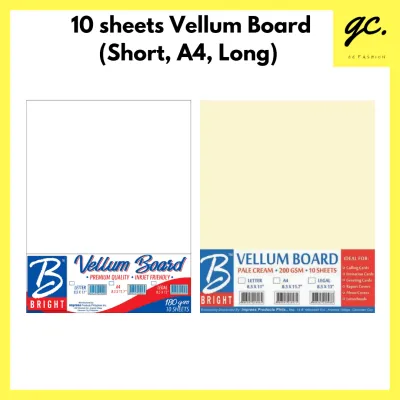
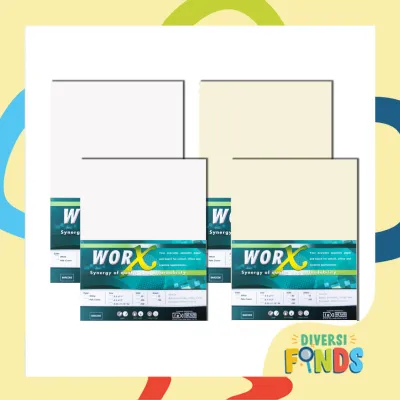
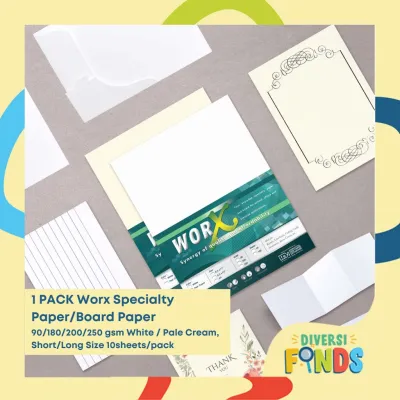
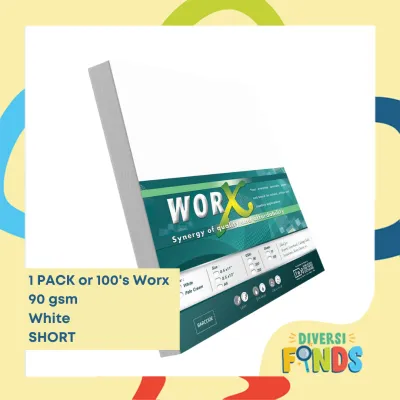
Prices are valid at publication and may change. Please refer to the product page for the latest price.
However, weight alone does not guarantee that a sheet of paper will handle wet ink without feathering. This is where paper sizing comes into play, which refers to the chemical treatments applied during manufacturing to control how the paper absorbs liquid. Internal sizing is mixed into the paper pulp before the sheets are formed, while surface sizing is applied to the finished page to create a protective barrier. Well-sized specialty paper prevents ink from immediately soaking deep into the fibers, allowing the pigment to sit on the surface and dry in sharp, clean lines rather than spreading outward.
While it might be tempting to simply choose the thickest cardstock-style paper available to completely eliminate bleed-through, this approach introduces physical trade-offs. Ultra-thick pages significantly increase the bulk and weight of your notebook, making it less portable and harder to carry in a daily bag. Furthermore, very heavy paper lacks the flexibility and satisfying page-turn feel of traditional notebook sheets, sometimes making it difficult for the book to lie flat. Balancing paper weight with effective surface sizing allows you to enjoy a slim, flexible journal that still provides excellent ink control.
Matching Specialty Paper to Specific Pen Types
Different writing instruments deposit ink onto the page in entirely different ways, meaning that a paper that works beautifully for one pen might fail miserably with another. To build a successful bullet journal, you must evaluate your primary writing tools and select a specialty paper profile that complements their specific ink flow and tip designs.

Fountain Pens and Fine Liners
Fountain pens and fine liners are beloved by bullet journalers for their precision and elegant line quality, but they also introduce a high volume of liquid ink to the page. To handle this wet flow without causing the ink to spread uncontrollably, you need a highly sized, smooth specialty paper. Smooth surfaces prevent the delicate metal nibs of fountain pens or the plastic tips of fine liners from catching on paper fibers, ensuring a consistent ink flow and preventing fiber clogging.
If you use highly absorbent or unsized papers, the liquid ink will quickly wick along the paper fibers, resulting in fuzzy, distorted lines known as feathering. Fortunately, you do not always need extremely thick paper to enjoy fountain pens; lightweight specialty papers that feature advanced surface sizing can handle wet inks beautifully without any bleed-through. When shopping, look for papers specifically labeled as fountain pen friendly, as these sheets are engineered to keep wet inks crisp and defined on the surface.
Gel Pens and Rollerballs
Gel pens and rollerball pens are incredibly popular for bullet journaling due to their vibrant colors and smooth writing experience, but they present unique challenges regarding drying time and ink pooling. Because gel ink is thicker and rollerball ink is highly fluid, these pens deposit a significant amount of wet material that can easily smudge if you turn the page too quickly. To prevent this, you should look for specialty paper with a surface coating or finish that promotes rapid ink absorption without allowing the ink to penetrate to the reverse side.
Heavy ink pooling from broad-tip gel pens can still show through lower GSM papers, creating a shadow effect on the back of the page even if the ink does not physically break through. If you prefer bold, colorful gel pens for your headers and daily spreads, choosing a moderately weighted paper of at least 100 to 120 GSM will provide the necessary opacity to keep your layouts clean. Additionally, checking for smudge-resistance claims on the paper packaging can help you identify sheets that will dry quickly during fast-paced writing sessions.
Markers and Brush Pens
For those who love to decorate their bullet journals with elaborate illustrations, hand lettering, and colorful highlights, markers and brush pens are essential tools. However, alcohol-based and water-based markers deliver a heavy saturation of ink that standard notebook paper simply cannot support. To prevent severe bleed-through that can ruin multiple pages behind your work, you must select high-GSM specialty papers, typically ranging from 120 to 160 GSM, or opt for dedicated marker paper that features built-in bleed-proof barriers.
Before purchasing a notebook for heavy marker use, it is crucial to check the manufacturer’s specifications for marker compatibility, as even some thick papers can still allow alcohol-based inks to bleed. Because alcohol inks are designed to penetrate fibers deeply to blend smoothly, they require specialized coatings to stay contained. If you are using high-flow markers on standard specialty paper, a practical safety measure is to place a loose, protective blotter page directly behind the sheet you are working on to catch any stray ink before it reaches the next page.
How to Test and Verify Paper Performance Before Committing
Because paper manufacturing processes and ink formulas vary widely, the most reliable way to ensure compatibility is to perform a practical, low-risk ink test on your new paper before starting your journal. Most high-quality bullet journals include a few blank pages at the very back, which are perfect for conducting these trials without disrupting your main layouts. If you are using loose-leaf specialty paper, simply dedicate one sheet from the batch to serve as your testing ground.
To conduct a comprehensive ink swatch test, begin by drawing a series of lines, dots, and solid color blocks using every pen, marker, and highlighter you plan to use in your journal. Write at your normal writing speed, and then perform a second test where you write slowly or hold the pen tip in one spot for a moment to simulate natural pauses. For brush pens and markers, apply a single layer of color in one section, and then layer the ink two or three times in an adjacent section to see how the paper handles heavy saturation.
Once the ink has dried completely, turn the page over to inspect the reverse side under good lighting. It is important to distinguish between harmless shadowing, often called ghosting, and actual bleed-through. Ghosting appears as a faint silhouette of your writing visible through the paper, which is common and generally acceptable for most journalers as it does not prevent you from writing on the back. Bleed-through, however, occurs when the ink physically penetrates the paper fibers and spots or pools on the other side, indicating that the paper is not suited for that specific pen and writing style.
Formatting and Binding Options for Bullet Journals
Beyond the chemical and physical properties of the paper itself, the physical format and binding of your journal play a major role in how comfortably you can write and draw. Bullet journalers typically choose between dotted, grid, or blank page formats to guide their layouts. Dotted paper is widely considered the gold standard for bullet journaling because it provides the structural guidance of a grid for drawing boxes and tracking charts, while remaining subtle enough to disappear visually once your page is filled with writing.
You must also decide between a traditionally bound notebook and a loose-leaf or disc-bound system. Bound notebooks offer a classic, cohesive feel and are highly durable, but they limit your ability to swap out pages or insert different types of specialty paper for specific projects. Loose-leaf and disc-bound systems, on the other hand, allow you to mix and match different paper weights and textures within the same binder, giving you the ultimate flexibility to use heavy marker paper for art spreads and lighter, sized paper for daily writing.
Regardless of the system you choose, pay close attention to how the binding affects the notebook’s ability to lie flat on your desk. A true lay-flat binding is essential for bullet journaling because it allows you to write and draw smoothly across the center gutter without the pages curving upward. When a notebook does not lie flat, wet ink from gel pens or fountain pens can pool in the crease of the page, leading to smudging, uneven lines, and accidental transfers of ink to the opposite side of your journal.
Frequently Asked Questions (FAQ)
Can I use both sides of high-GSM specialty paper?
Yes, you can generally use both sides of high-GSM specialty paper, provided that your writing tools do not cause physical bleed-through. When evaluating the reverse side of your page, look closely to see if the ink has merely created a shadow (ghosting) or if it has actually soaked through the paper fibers. Ghosting is a natural characteristic of even high-quality papers and does not damage the surface, allowing you to write comfortably on the back. If you observe actual spots of ink bleeding through, you should avoid using the reverse side and consider switching to a less wet pen or a heavier paper grade.
Does paper color affect ink visibility and bleed-through?
Yes, the color of your specialty paper significantly influences both the visibility of your inks and how clearly you perceive any shadowing from the reverse side. Cream or ivory papers offer a softer, warmer background that is gentle on the eyes during long writing sessions, and they tend to make dark ink ghosting less noticeable than stark white paper does. However, if you enjoy using pastel gel pens or light highlighter colors, these shades may lose their vibrancy on cream paper and are better suited for bright white sheets. For those who want to use metallic or highly opaque pastel inks, specialized black paper journals offer a dramatic contrast, though they require specific gel pens to be visible at all.

Community discussion
Share your experience or ask a question. Comments are reviewed before publication.