
Choosing the right mechanical pencil requires matching the tool’s physical design, lead diameter, and weight distribution to your specific task. Whether you are a student writing notes in a humid lecture hall, an architect drafting precise structural layouts, or an artist sketching dynamic figures, the tool must support your hand’s natural movement. Staedtler offers a diverse lineup of mechanical pencils, ranging from lightweight plastic bodies designed for casual writing to heavy-duty, all-metal drafting instruments engineered for professional precision. Selecting the right model is not about finding a single universal winner, but rather understanding how different specifications—such as lead sleeve length, grip texture, and lead weight—interact with your writing surface and hand pressure.
In tropical climates like the Philippines, environmental factors also play a subtle role in your stationery choices. High humidity can soften paper fibers, making thin paper more susceptible to tearing under sharp, fine-point leads, while also causing soft graphite to smudge more easily. Consequently, pairing the right pencil body with the appropriate lead grade and diameter is essential for maintaining clean, legible work. By evaluating your daily writing or drawing habits, you can identify the specific features that will provide the most comfortable and reliable experience.
Identifying Your Primary Writing or Drawing Use Case
Before browsing specific models, it is crucial to categorize your primary activities, as a single mechanical pencil design rarely excels at all tasks simultaneously. High-volume daily writing, precision technical drafting, and expressive sketching each place conflicting demands on a pencil’s weight, balance, and tip design. For example, a heavy drafting pencil with a long, rigid guide pipe is excellent for drawing straight lines along a ruler, but it can quickly cause hand fatigue during a three-hour essay exam. Conversely, a lightweight pencil with a cushioned, retractable tip offers excellent comfort for rapid writing but lacks the structural rigidity needed for precise technical measurements.
Products mentioned in this guide
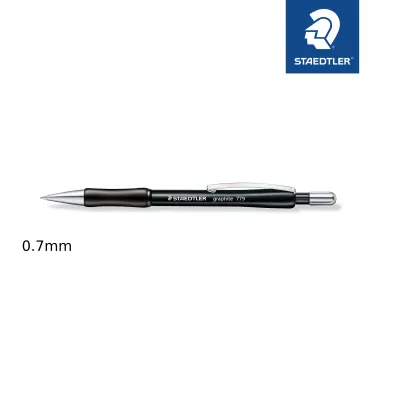
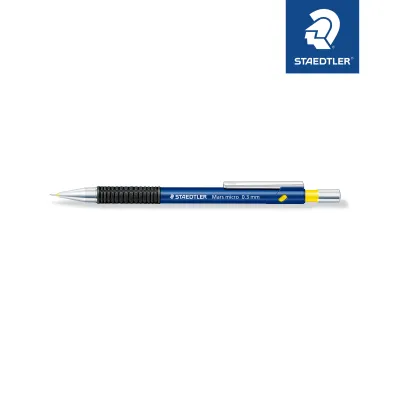
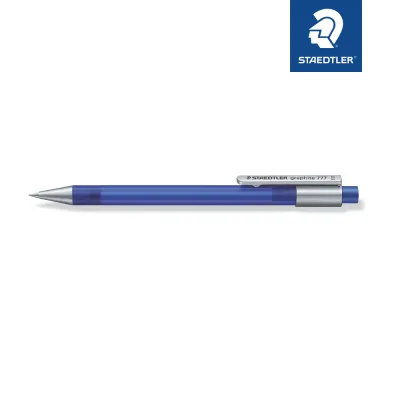
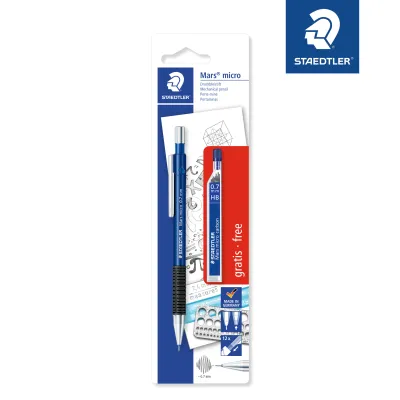
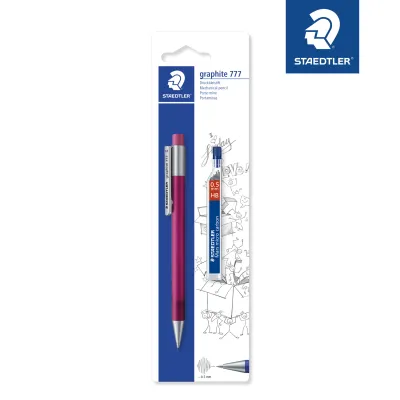
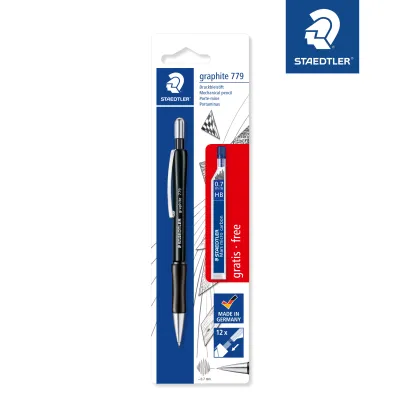
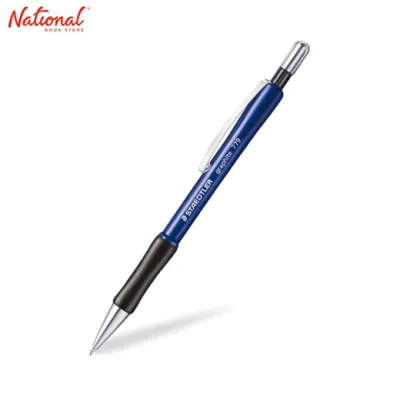
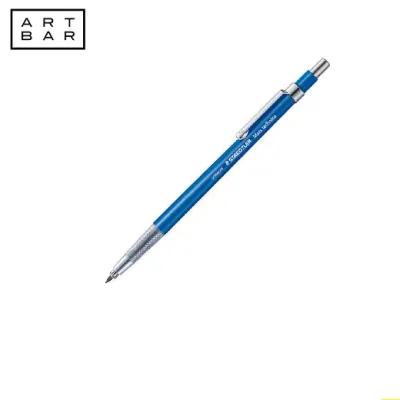
Prices are valid at publication and may change. Please refer to the product page for the latest price.
Daily writing requires a tool that minimizes physical strain over extended periods. Students and office professionals who write continuously benefit from pencils that prioritize ergonomics, lightweight construction, and break-resistant lead mechanisms. These designs allow for quick, sweeping hand movements and are easy to control without requiring a tight, tiring grip. Portability is also a key consideration for daily use; a pencil that frequently travels in a pocket, pencil case, or bag needs features that protect both the delicate tip and the fabric of your clothes.
Technical drafting and precision drawing demand an entirely different set of features. Architects, engineers, and designers require an unobstructed view of the paper surface to ensure lines meet at exact coordinates. For these tasks, weight distribution becomes a tool for stability, helping the user maintain a consistent line width and steady hand. The pencil must interface perfectly with drafting tools like T-squares, triangles, and templates without slipping or wobbling, which requires a specialized tip construction that remains rigid under lateral pressure.
Expressive sketching and shading call for a pencil that behaves more like a traditional wooden drawing tool. Artists need to vary their line weights, apply different levels of pressure, and use the side of the lead for broad shading strokes. This requires a thicker lead diameter that can withstand lateral shading forces without snapping, as well as a balance point that allows for fluid, sweeping wrist movements. By identifying which of these three categories dominates your daily routine, you can narrow down the specifications that will serve you best.
Core Specifications to Check on the Packaging
When shopping for a mechanical pencil, the product packaging contains essential technical specifications that dictate how the tool will perform. The most prominent specification is the lead diameter, which typically ranges from 0.3mm to 2.0mm. Ultra-fine diameters like 0.3mm are designed for intricate details, small handwriting, and mathematical formulas, but they require a very light touch to prevent frequent lead breakage. The 0.5mm size is the global standard for general drafting and neat writing, offering a balance of precision and strength. For general note-taking and heavy-handed writers, 0.7mm and 0.9mm diameters provide a sturdier line that resists snapping under high pressure, while 2.0mm leads are reserved for sketching, shading, and bold marking.

Another critical component to evaluate is the tip sleeve, also known as the guide pipe. This is the small metal or plastic tube that supports the lead as it exits the pencil. Fixed metal sleeves, usually measuring 4mm in length, are standard on drafting pencils because they provide maximum stability and a clear line of sight. However, because these sleeves are rigid and sharp, they can easily bend if the pencil is dropped, and they can puncture pockets during transport. Retractable sleeves, on the other hand, slide back into the pencil body when not in use, offering excellent pocket safety and protecting the tip from impact damage, though they may introduce a tiny amount of play or wobble at the tip.
The grip section is your primary point of contact with the pencil, making its material and texture highly influential on comfort. Knurled metal grips feature a cross-hatched pattern that provides a highly textured, slip-resistant surface, which is particularly beneficial in warm, humid weather when fingers are prone to sweating. Ribbed or smooth rubber grips offer a softer, cushioned feel that absorbs pressure, making them ideal for reducing finger calluses during long writing sessions. Smooth plastic or lacquered metal grips provide a sleek, minimalist aesthetic and are easy to clean, but they can become slippery if your hands sweat.
Finally, check the packaging for secondary features that enhance convenience and maintenance. Many professional-grade pencils include a rotatable lead hardness indicator on the barrel, allowing you to mark which grade of lead (such as HB, B, 2B, or 2H) is currently loaded. Additionally, look for information regarding refill availability and whether a cleaning pin is included. A cleaning pin, usually attached to the underside of the eraser cap, is an invaluable tool for clearing lead jams, saving you from having to find a makeshift wire when the mechanism becomes clogged.
What to Look for in an Everyday Note-Taking Pencil
For students and professionals who spend hours transcribing lectures, writing reports, or filling out forms, the primary goal is to minimize hand fatigue. To achieve this, look for a mechanical pencil with a lightweight body, typically constructed from high-grade plastics or lightweight aluminum. A lighter pencil requires less muscular effort to hold and maneuver, allowing your hand to remain relaxed over long periods. Ergonomic grip sections, particularly those made of soft rubber or featuring a gently contoured triangular shape, help distribute finger pressure evenly and prevent the tight, pinching grip that leads to writer’s cramp.
Lead protection is another vital feature for rapid, high-volume writing. When writing quickly, it is easy to apply uneven downward or lateral pressure, which can cause standard mechanical pencil leads to snap repeatedly. To combat this, look for pencils equipped with a sliding sleeve mechanism or a spring-loaded tip. A sliding sleeve retracts gradually as the lead wears down, keeping the lead supported by the metal pipe even when it is flush with the tip. This allows you to keep writing without constantly clicking for more lead, significantly reducing interruptions and lead waste.
For everyday use, practical convenience features are just as important as writing performance. A retractable tip is highly desirable for a note-taking pencil, as it allows you to safely toss the tool into a backpack, pencil case, or shirt pocket without worrying about ink-like graphite stains or bent metal tips. A sturdy, spring-loaded pocket clip ensures the pencil stays securely attached to your notebook cover or pocket during your daily commute. Additionally, look for models that feature a generous, twist-up or replaceable eraser, as the tiny, non-replaceable erasers found on professional drafting pencils are quickly exhausted during daily writing tasks.
Before committing to a specific model, verify the local availability of replacement consumables. In the Philippines, standard lead diameters like 0.5mm and 0.7mm in common grades like HB and 2B are widely stocked in almost every neighborhood bookstore and office supply shop. If you choose a pencil that requires specialized eraser refills or less common lead sizes, ensure you can easily purchase these refills in bulk online or from major stationery retailers to avoid being left with an unusable pencil body once the initial supplies run out.
Selection Criteria for Technical Drafting and Precision
Technical drafting, architectural drawing, and detailed illustration demand absolute precision, consistent line weights, and structural stability. When selecting a pencil for these applications, the primary focus shifts from soft comfort to rigid control. A fixed, 4mm metal lead sleeve is an absolute necessity for this type of work. This long, slender pipe ensures that the pencil can glide smoothly against the thick, raised edges of T-squares, triangles, and lettering templates without the plastic barrel of the pencil obstructing your view or causing the lead to draw at an angle.
Weight distribution plays a critical role in how a drafting pencil behaves in your hand. Many professional drafting pencils feature a heavy metal grip section paired with a lighter plastic or aluminum upper barrel. This design creates a low center of gravity, pulling the weight of the pencil down toward the paper. A low center of gravity provides natural momentum and stability, allowing you to draw clean, straight lines with minimal downward hand pressure. The added weight also dampens minor hand tremors, ensuring that your lines remain perfectly consistent from start to finish.
For precision work, finer lead diameters are standard. A 0.3mm or 0.5mm lead allows you to draw incredibly fine lines, write tiny annotations in the margins of blueprints, and execute detailed cross-hatching. Because these fine leads are delicate, the internal clutch mechanism of the pencil must be exceptionally precise. Look for pencils with solid brass clutches rather than plastic ones. A brass clutch holds the lead securely without slipping, ensuring that every click advances a precise, uniform length of lead, which prevents unexpected breakage during delicate work.
Organization is another key factor when working with multiple line weights and lead grades. Professional draftspersons often keep several pencils on their desk, each loaded with a different lead hardness for specific tasks (such as a hard 2H lead for light layout lines and a softer 2B lead for dark final outlines). To make identification quick and easy, choose pencils that feature a built-in lead hardness indicator. This small, adjustable window on the barrel or cap can be set to display the active lead grade, saving you from having to scribble on a scrap piece of paper to test which pencil you are holding.
Choosing a Mechanical Pencil for Sketching and Shading
Artists who use mechanical pencils for sketching, figure drawing, and shading require a tool that offers the expressive freedom of a traditional wooden pencil combined with the convenience of a mechanical advance system. For these creative applications, standard fine-lead mechanical pencils are often too restrictive, as their thin leads will snap instantly under the lateral pressure of shading. Instead, artists should look toward 2.0mm lead carriers, commonly referred to as clutch pencils or lead holders. These tools hold a thick piece of graphite that matches the diameter of a standard wooden pencil lead, providing immense structural strength.
With a 2.0mm lead holder, you can adjust the exposed length of the lead to suit your drawing style. For fine detail work, you can sharpen the lead to a needle-like point using a specialized lead pointer or a piece of sandpaper. For broad, expressive shading, you can expose a longer section of lead and hold the pencil at a shallow angle, using the side of the graphite to lay down smooth, even gradients. This versatility allows you to transition from sharp contour lines to soft, smoky shadows without ever having to switch tools.
The mechanism of a 2.0mm lead holder differs significantly from standard mechanical pencils. Most traditional lead holders use a drop-clutch mechanism: when you press the top button, the internal jaws open completely, and the lead will fall out freely unless you catch it with your fingers or hold it close to the paper. This allows for rapid, infinite adjustments to the lead length. Alternatively, some modern models feature an incremental advance mechanism, which clicks the lead out in small, controlled steps just like a standard mechanical pencil. Artists should choose the mechanism that best fits their workflow and comfort level.
Balance and material compatibility are also vital for artistic work. A well-balanced pencil with a mid-weight body allows for fluid, sweeping hand movements, which are essential for capturing gestures and drawing long, continuous curves. Furthermore, ensure that the lead holder you select is compatible with a wide range of lead hardness grades. For sketching, you will want to stock up on softer leads, such as 2B, 4B, and 6B, which glide smoothly over textured drawing paper and smudge easily for blending. In the humid climate of the Philippines, softer leads are particularly favored for their rich, dark lines, though they do require a fixative spray once the drawing is complete to prevent accidental smudging.
Verifying Authenticity and Purchase Details
Because Staedtler is a highly respected brand in the stationery world, counterfeit products can occasionally be found, especially on online marketplaces and in unauthorized retail shops. Purchasing a counterfeit pencil not only results in a poor writing experience but also deprives you of the durable materials and precise engineering that justify the brand’s price point. To ensure you are buying a genuine product, always inspect the packaging carefully. Authentic packaging features crisp, high-resolution printing, accurate brand logos, and intact security seals or barcodes. If the text on the packaging appears blurry, misspelled, or poorly aligned, it is highly likely a counterfeit.
Once you have the pencil in hand, examine its physical build quality. Genuine models are manufactured with tight tolerances; there should be no loose parts, rattling, or rough plastic seams along the barrel. The brand name, model number, and country of origin are typically engraved or printed with extreme precision on the barrel or clip. On metal models, the knurling on the grip should feel sharp and even, providing excellent traction without being painfully abrasive. If the metal feels cheap, lightweight, or has a dull, uneven finish, the product may not be authentic.
When shopping on e-commerce platforms, protect yourself by checking the seller’s authorization status. Look for official brand stores or highly rated local distributors with positive customer feedback. Read through the customer reviews, paying close attention to photos uploaded by other buyers and comments regarding the weight, feel, and performance of the pencil. Be skeptical of listings that offer professional-grade drafting pencils at prices that seem too good to be true, as genuine high-end models generally maintain a consistent price range reflecting their premium materials.
Finally, always review the seller’s return and exchange policies before making a purchase. This is especially important when buying online, as it protects you in the rare event that the pencil arrives with a defective internal clutch or a bent tip sleeve from transit. A reputable seller will offer a clear, hassle-free return window, allowing you to exchange the product or receive a refund if the mechanical pencil does not function perfectly straight out of the box. Investing a few extra minutes to verify these details ensures that your purchase will serve as a reliable writing or drawing companion for years to come.
Frequently Asked Questions (FAQ)
Can I use standard wooden pencil lead in a 2.0mm mechanical pencil?
No, you cannot use lead extracted from a standard wooden pencil in a 2.0mm mechanical lead holder. While both leads share a nominal 2.0mm diameter, the graphite cores inside wooden pencils are often bonded to the wood casing using specialized adhesives, and they may have irregular surfaces, wax coatings, or slight dimensional variances. Attempting to strip the wood away and force the raw core into a mechanical pencil can easily clog or permanently damage the delicate metal clutch mechanism.
Furthermore, dedicated 2.0mm mechanical pencil refills are manufactured to precise length, straightness, and tolerance standards. These refills are designed to slide smoothly through the internal barrel and lock securely within the clutch jaws without slipping. To ensure reliable performance and prevent mechanical jams, always purchase refills that are explicitly labeled and packaged for use in 2.0mm mechanical lead holders.
How do I clear a lead jam without breaking the internal mechanism?
To clear a lead jam safely, you must first open the internal clutch jaws to release their grip on the stuck lead. To do this, press and hold down the top clicker button completely. While keeping the button depressed, look at the tip of the pencil to see if the jammed lead is visible. If a small piece of lead is protruding, you can gently pull it out using your fingers or a pair of fine tweezers.
If the jam is located deep inside the tip sleeve, keep the clicker held down and gently insert a thin cleaning pin through the front opening of the metal sleeve. Many professional drafting pencils include this cleaning pin attached to the underside of the eraser cap. Slowly push the pin into the sleeve to slide the broken lead fragment back into the barrel or out of the mechanism. Never use sewing needles, paperclips, or excessive force, as these rigid tools can easily bend the delicate metal sleeve or scratch the internal clutch, permanently ruining the pencil’s alignment.

Community discussion
Share your experience or ask a question. Comments are reviewed before publication.