
Finding the right art supplies for your child’s elementary school art class in the Philippines requires balancing curriculum requirements, ease of transport, and safety. The best ToyTinkr art set is not a one-size-fits-all product; rather, it is the specific kit that aligns with your child’s grade level, matches the teacher’s syllabus, and features materials that perform well under local tropical conditions.
By focusing on practical usability and safety standards, you can select a set that inspires creativity while remaining highly functional for daily classroom activities.
Quick Framework for Choosing a ToyTinkr Art Set
To make an efficient decision, parents should evaluate three primary pillars: the student’s grade level, the specific mediums demanded by the school syllabus, and the physical storage constraints of a typical classroom desk or locker.
Products mentioned in this guide
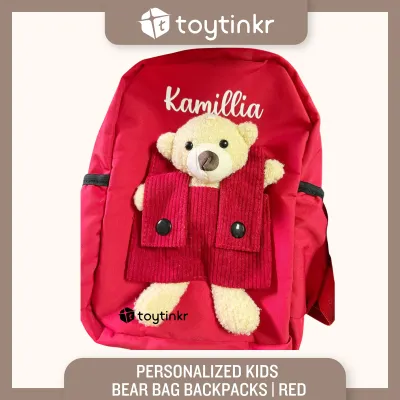
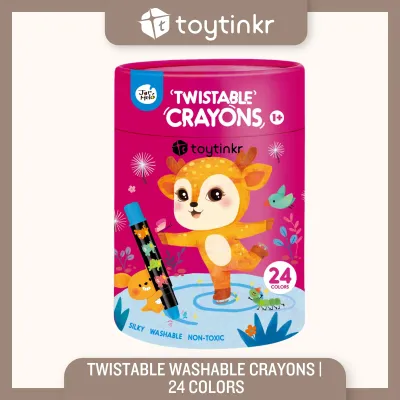
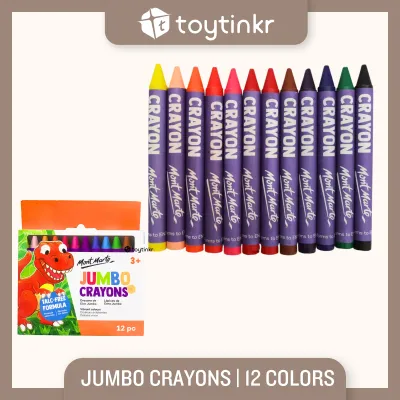
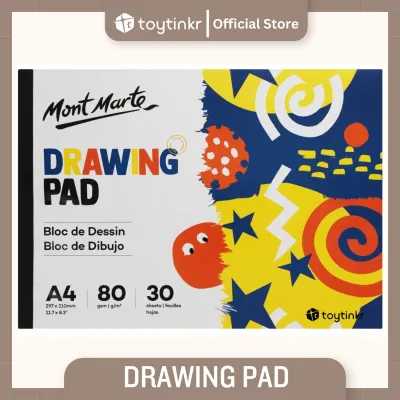
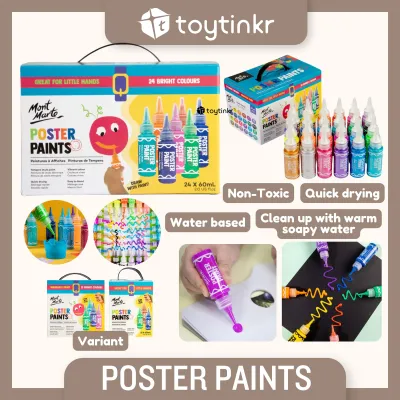
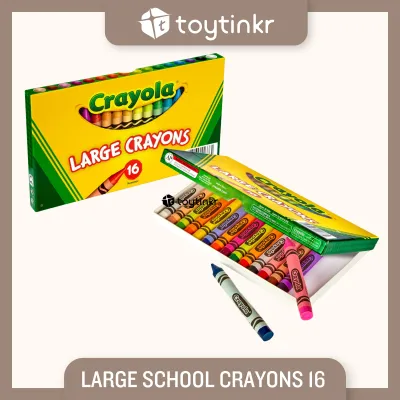
Prices are valid at publication and may change. Please refer to the product page for the latest price.
Before purchasing any ToyTinkr collection on an online marketplace, always cross-reference the school’s official supply list. This simple step can save you from spending ₱1,000 or more on redundant supplies that might sit unused in a drawer.
Ultimately, the ideal set is highly individualized. A kit packed with oil pastels and sketching pencils might be perfect for a Grade 5 student but completely overwhelming and messy for a Grade 1 student who only needs basic crayons and washable markers.
Aligning the Kit with Grade Level and Curriculum Needs
Lower elementary students (Kindergarten to Grade 3) are still developing their fine motor skills and hand-eye coordination. For these early learners, look for ToyTinkr sets that emphasize thick, easy-to-grip crayons, washable markers, and simple pan watercolors. These mediums allow young children to explore color and shape without the frustration of delicate tips or complex blending techniques.

Upper elementary students (Grade 4 to Grade 6) transition to more detailed projects that require precision and technique. For this group, prioritize kits containing colored pencils, blending stumps, sketching graphite of varying hardness (such as 2B or 4B), and specialized paints like acrylics or gouache. These tools support lessons in shading, perspective, and color theory.
Interpreting the teacher’s syllabus is crucial for avoiding unnecessary expenses. Look closely at the weekly schedule or project list. If the syllabus only schedules watercolor painting for a single two-week block, a massive, expensive watercolor-only set is likely unnecessary. Instead, opt for a versatile multi-medium kit or a basic set that can be supplemented later.
Distinguish between mandatory daily tools (like pencils and erasers) and optional specialty mediums that are only used occasionally. This distinction helps you decide whether to invest in a comprehensive kit or a streamlined set of core essentials.
Evaluating Tool Quality and Medium Specifications
When comparing ToyTinkr options, you must decide between a comprehensive multi-medium kit and a focused, single-medium set. Multi-medium kits offer excellent variety, allowing students to experiment with crayons, oil pastels, and markers in one package. However, if the art class focuses heavily on a single discipline, such as sketching or watercolor, a specialized single-medium set will often provide higher-quality tools tailored to that specific craft.
Consumable replaceability is a major factor in long-term value. Before buying, check if the ToyTinkr tools can accommodate standard, universally available refills. For instance, verify if the markers can be refilled with standard universal marker ink, or if the mechanical pencils use standard lead sizes like 0.5mm or 0.7mm. If a kit uses highly proprietary shapes or sizes, you may find yourself forced to buy an entirely new set once a few key items run out.
Ergonomics and grip directly affect how long a child can draw without hand fatigue. For younger hands, look for triangular or hexagonal barrels which encourage a proper tripod grip and prevent the tools from rolling off slanted school desks. Ensure the weight of the tools is balanced; heavy metal-barreled pens or overly thick markers can tire out small hands quickly.
Because performance depends heavily on the interaction between the medium and the paper, parents should perform simple observable trials. In the humid tropical climate of the Philippines, paper can absorb moisture from the air, affecting how ink and paint behave. Test the markers for bleed resistance on standard school drawing paper; a high-quality marker should dry quickly to prevent smudging but should not bleed through to the next page. Test the colored pencils for smoothness and erasability on the specific sketchpad required by the school. If the lead is too hard, it may scratch the damp paper; if it is too soft, it may smudge excessively under humid conditions.
Assessing Portability and Classroom Practicality
A great art set must survive the daily commute in a student’s backpack. In the Philippines, this commute often involves crowded school transport or walking in sudden tropical downpours. Evaluate the case design carefully. Look for sturdy latches that will not pop open accidentally, robust hinges, and secure internal organizers that keep each pencil, marker, and paint pan locked in place. Loose tools can easily break, spill, or get lost during transit.
Clean-up requirements are another practical consideration. Younger students are still developing organizational habits, and classroom clean-up times are often rushed. Prioritize washable, low-mess options like water-soluble pastels and washable markers. These can be easily wiped off desks and skin with a damp cloth, reducing the stress on both the student and the teacher.
Consider the physical dimensions and weight of the art set. A massive, multi-tier wooden art case may look impressive, but it can be incredibly heavy and bulky. It must fit comfortably inside a standard school desk cubby or locker alongside textbooks and notebooks. A compact, lightweight plastic or fabric case is generally much more practical for daily transport and does not add an unnecessary physical burden to your child’s shoulders.
Verifying Safety Certifications and Material Labels
Safety is paramount when choosing art supplies for children who will have prolonged skin contact with these materials. Always inspect the product packaging or official online listings for recognized safety certifications. Look for non-toxic seals such as the AP (Approved Product) seal from the Art and Creative Materials Institute (ACMI) or compliance with EN71 standards. These certifications indicate that the materials have been evaluated by toxicologists and are safe for use by children.
Pay close attention to age-appropriate choking hazard warnings. Many comprehensive art sets contain small accessories like eraser caps, sharpener blades, paper clips, or small paint pot lids. Ensure that the set you choose is rated for your child’s specific age group, especially if they still have a habit of putting objects in their mouth.
Finally, review the manufacturer’s official care instructions and material safety guidelines. Some mediums, such as certain solvent-based markers or heavy-duty adhesives, may require well-ventilated spaces or specific clean-up procedures. For elementary school classrooms, which may rely on ceiling fans rather than specialized ventilation systems, it is best to stick to water-based, low-odor, and solvent-free mediums that are completely safe to use in standard indoor environments.
Frequently Asked Questions (FAQ)
Can I buy refill packs for ToyTinkr markers and paints?
To determine if refills are available, check the official product description or the manufacturer’s website for specific refill SKU numbers. Some ToyTinkr sets are designed with sustainability in mind and offer matching ink refills or individual paint pans. However, be aware that some proprietary tool shapes, unique marker nibs, or custom-sized paint wells may not accept standard, universal third-party refills. If refillability is a priority for your budget, verify these specifications before making your purchase.
What should I do if a specific color runs out before the school year ends?
It is common for popular colors like black, white, or blue to run out long before the rest of the set. Check if the brand offers individual open-stock units or smaller, targeted supplementary packs for these heavily used colors. If exact brand matches are unavailable, consult your child’s art teacher to see if alternative, universally compatible brands are acceptable for classroom use. Mixing brands is usually perfectly fine for general elementary school projects, provided the medium (such as wax crayon or watercolor) matches.
Are comprehensive multi-piece sets practical for daily school use?
While massive, multi-piece art cases containing over a hundred items look exciting, they are often impractical for daily school use. They can easily overwhelm younger students, make clean-up difficult, and add significant weight to a backpack. A highly effective strategy is to keep the comprehensive multi-piece set at home as a master creative station for homework and weekend projects. For daily school classes, pack a smaller, curated selection of essential tools in a lightweight, zippered pencil pouch that fits easily on a crowded classroom desk.

Community discussion
Share your experience or ask a question. Comments are reviewed before publication.