
Selecting the perfect wedding greeting card is an art that balances personal sentiment with social etiquette. The ideal card style and message tone depend entirely on the closeness and nature of your relationship with the couple. For inner-circle relationships like close friends and siblings, highly personalized, sentimental, or humorous cards with ample writing space are best. For extended family, classic, warm, and respectful designs with elegant motifs strike the right balance. For coworkers and acquaintances, polished, minimalist, and professional cards with concise, polite well-wishes are appropriate.
In tropical climates, where weddings often transition from air-conditioned chapels to humid outdoor garden receptions or beachside venues, the physical durability of the card is just as important as its visual appeal. High humidity can cause thin paper to warp, and sudden tropical downpours or sweat can easily smudge delicate ink. Choosing premium cardstock and matching it with the right writing instrument ensures your message remains pristine from the moment it is placed in the reception box to the day the couple opens it.
Matching Wedding Greeting Card Styles to Your Relationship
To choose the right wedding greeting card, you must first assess the closeness of your relationship and the couple’s known personal style. A card acts as a physical representation of your bond, meaning a mismatch in tone can feel either overly stiff or inappropriately casual. If the couple has a highly modern, minimalist aesthetic, a busy and glitter-heavy card might clash with their tastes. Conversely, a traditional couple might find an ultra-minimalist or quirky card lacking in warmth.
Products mentioned in this guide
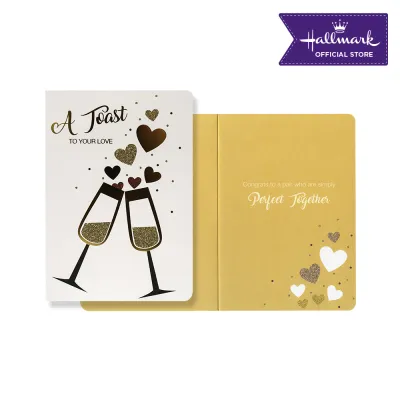
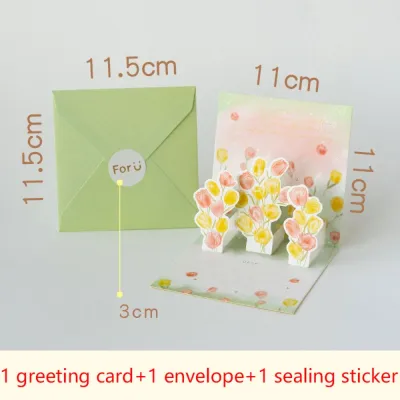
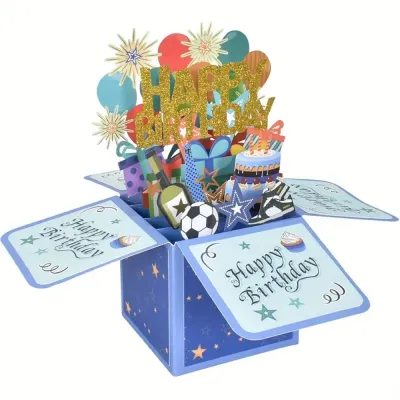
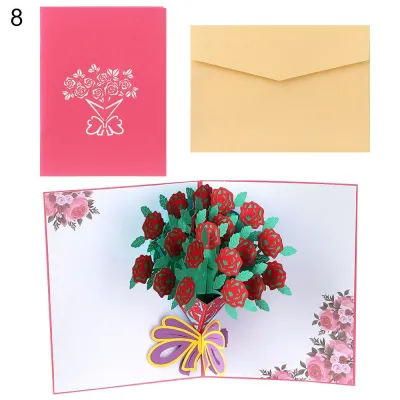
Prices are valid at publication and may change. Please refer to the product page for the latest price.
Aligning the card’s visual weight and format with the depth of your relationship is a reliable rule of thumb. Larger, heavier cards with multiple folds or intricate designs naturally signal a deep, significant connection, as they provide the physical space required for a lengthy, heartfelt message. Smaller, single-panel cards or clean, flat note cards are excellent for more formal or distant relationships, where a brief but polite congratulatory note is standard. By matching the physical format to the social dynamic, you ensure your gesture feels appropriate and sincere.
Close Friends and Siblings
When celebrating the marriage of a sibling or a best friend, your card should reflect years of shared history, deep emotional support, and personal milestones. For these inner-circle relationships, standard off-the-shelf cards with generic printed greetings often fall short. Instead, look for custom illustrations, photo-insert cards, or bespoke designs that capture a specific aspect of their personality or journey as a couple. Hand-painted watercolor designs or cards featuring playful, interactive elements like pop-ups can make the presentation feel like a keepsake rather than a mere formality.
The tone of your message should strike a delicate balance between lighthearted humor and profound emotional support. This is the perfect place to reference inside jokes, shared travel memories, or the exact moment you realized they were perfect for each other. However, ensure that the humor remains uplifting and celebratory; avoid embarrassing stories that could make the couple uncomfortable if read aloud. Because you have so much to say, opt for larger card formats, such as standard A7 sizes or multi-panel fold-out styles, which offer generous writing surfaces to accommodate a long, handwritten letter.
Extended Family and Relatives
For extended family members, such as cousins, aunts, uncles, or relatives you may not see on a daily basis, the card should convey warmth, respect, and familial pride. The design aesthetic should lean toward classic motifs that carry a sense of timeless elegance. Florals, botanical illustrations, elegant typography, and subtle geometric patterns are excellent choices. These designs feel celebratory and warm without requiring intimate personal knowledge of the couple’s daily lives or specific design preferences.
The message tone for relatives should remain respectful, affectionate, and universally appealing. It is best to focus on welcoming the new spouse into the family, expressing joy for their union, and offering blessings for their future together. Avoid overly casual slang, niche internet humor, or highly minimalist designs that might be misinterpreted as cold or low-effort by older family members. Traditional greetings that emphasize family legacy, unity, and enduring love are always well-received and preserve the dignity of the occasion.
Coworkers and Acquaintances
Selecting a card for a colleague, supervisor, or casual acquaintance requires a polished, professional, and elegant approach. In these professional or distant social contexts, the goal is to show polite support without overstepping personal boundaries. Opt for clean, minimalist designs, subtle foil stamping, or high-quality blank cards featuring simple “Congratulations” or “Best Wishes” lettering. Neutral color palettes, classic navy, cream, or soft gray tones work exceptionally well to maintain a sophisticated and respectful presentation.
Keep your interior message concise, polite, and focused on standard well-wishes for their new chapter. A simple expression of congratulations, a wish for a lifetime of happiness, and a polite sign-off are entirely sufficient. If you are contributing to a single group card from the entire office, ensure your signature and brief note leave enough space for others. If you are giving an individual card, a standard-sized card or a high-quality flat card is ideal, as it looks professional and does not pressure you to fill a large blank space with forced sentiment.
Evaluating Card Materials and Design Details
The physical quality of a wedding card speaks volumes before the envelope is even opened. When evaluating stationery, pay close attention to paper weight and texture. Premium cards are typically crafted from heavy cardstock, often ranging from 300 gsm (grams per square meter) to 350 gsm or higher. Materials like cotton paper offer a soft, luxurious, and slightly absorbent texture, while linen paper provides a classic, cross-hatched tactile feel. Thick recycled stock can also offer a rustic, organic texture that is perfect for outdoor or eco-themed weddings.

In tropical environments where high humidity is common, paper selection requires extra care. Thin or low-quality paper easily absorbs moisture from the air, leading to unsightly warping, curling edges, or a limp feel. Heavyweight cotton or linen papers are much more resilient under these conditions. Furthermore, the interaction between the paper and your writing instrument is critical. Smooth, coated papers may look sleek, but they significantly slow down the drying speed of gel pens and fountain pen inks, leading to smudges. Uncoated, textured papers offer excellent ink absorption and bleed resistance, but you should always perform a quick trial write on the envelope flap or a scrap piece of paper to verify that your pen’s ink does not feather or bleed through the page.
Printing techniques also define the card’s visual and tactile impact. Letterpress printing presses the design deep into thick cotton paper, creating a beautiful debossed effect that feels incredibly premium. Foil stamping adds a metallic gleam—usually in gold, silver, or rose gold—that catches the light beautifully, making it ideal for formal evening weddings. Embossing raises the design above the paper surface, adding elegant dimension. Finally, do not overlook the envelope. A premium card should be paired with a heavy-weight envelope, ideally featuring a matching paper texture or an elegant inner lining that prevents the card or any enclosed monetary gift from showing through.
Crafting the Right Message and Tone
Writing the interior message of a wedding card requires a thoughtful approach to etiquette and structure. To begin, address the couple correctly. Traditional naming conventions are highly formal, but modern weddings often welcome a more relaxed approach. If you are close to the couple, using their first names is standard and warm. For formal relationships or traditional ceremonies, addressing them as “Mr. and Mrs. [Last Name]” or “The New Mr. and Mrs. [Last Name]” is a respectful nod to their new status. Always double-check the spelling of their names on the wedding invitation to avoid any embarrassing errors.
A well-structured wedding message flows logically through three key stages. Start with an opening congratulation that expresses immediate joy for their marriage. Next, share a brief personal memory, a compliment about them as a couple, or a specific trait you admire in their relationship. Finally, close with a warm wish for their future, whether it is a lifetime of adventure, quiet happiness, or shared dreams. This structure keeps your writing focused, meaningful, and easy to read, ensuring your message stands out in their memory.
While expressing your joy, there are several sensitive topics you must strictly avoid to maintain proper etiquette. Never mention past relationships, ex-partners, or dating history, as this is highly inappropriate for a wedding celebration. Avoid making comments about the cost of the wedding, the size of their venue, or any financial matters. Additionally, steer clear of unsolicited marital advice, jokes about the “loss of freedom,” or pressure regarding future children. Keep the focus entirely positive, supportive, and centered on their mutual love and commitment.
Sourcing and Purchasing Wedding Greeting Cards
Finding the right wedding greeting card involves choosing the best purchasing channel to match your timeline and quality expectations. Local stationery boutiques and specialty paper shops are excellent for sourcing unique, high-quality cards. Visiting a physical store allows you to feel the paper texture, inspect the printing quality, and verify the weight of the cardstock in person. This is particularly helpful if you want to ensure the card can withstand humid tropical weather without warping.
Online stationery stores and independent creator marketplaces offer an unparalleled variety of designs, customization options, and niche aesthetics. When shopping online, look for sellers that offer bulk discounts or multi-packs, which are highly cost-effective if you plan to attend multiple weddings throughout the year. However, when ordering online, always verify the estimated delivery times and shipping conditions. Ensure the seller packages the paper goods in waterproof, rigid sleeves to protect them from moisture, bending, or humidity damage during transit, especially during rainy seasons.
Frequently Asked Questions (FAQ)
Is it acceptable to give a digital wedding greeting card?
While digital greeting cards and e-cards are convenient, they are generally not considered appropriate for formal weddings. A physical wedding card remains the standard and preferred choice because it serves as a tangible keepsake that the couple can collect, display, and look back on years later. However, a digital card can be acceptable in specific, last-minute situations—such as when you are unexpectedly unable to attend a destination wedding or when mailing a physical card across international borders is logically impossible. In these rare cases, pairing a digital card with an online registry gift or a digital bank transfer is a polite way to send your immediate congratulations.
Should the card match the wedding invitation theme?
There is no strict etiquette rule requiring your greeting card to match the couple’s official wedding invitation theme or color palette. The invitation suite is designed by the couple to set the tone for their event, whereas your greeting card is a personal gift from you to them. However, if you wish to show an extra touch of thoughtfulness, you can subtly nod to their wedding theme. For example, if they are having a beach wedding, choosing a card with soft sandy tones or subtle botanical elements is a lovely gesture. For a formal black-tie ballroom wedding, a classic card with elegant gold foil stamping will fit the atmosphere perfectly without looking like a direct copy of their stationery.
How much should you spend on a wedding greeting card?
The budget for a wedding greeting card typically depends on the card’s design complexity, paper quality, and printing techniques. In the local market, a standard, mass-produced card can range from ₱100 to ₱200, while premium, hand-crafted, or imported stationery featuring letterpress or foil stamping generally ranges from ₱250 to ₱500. When planning your budget, remember that the card is meant to complement your actual wedding gift or monetary contribution. If you are giving a generous cash gift, presenting it inside a high-quality, durable card that matches the significance of the occasion ensures a polished and respectful presentation.

Community discussion
Share your experience or ask a question. Comments are reviewed before publication.