
Choosing between Clairefontaine and Rhodia often comes down to matching your specific writing instruments and daily environment with the distinct paper finishes these two historic French manufacturers offer. While both brands belong to the same parent company and share a reputation for exceptional paper quality, they cater to different aesthetic preferences and functional needs. Clairefontaine is celebrated for its ultra-smooth, bright white, satin-finished paper that allows fountain pen inks to show off their full shading and sheen. Rhodia, on the other hand, is famous for its utilitarian, highly functional designs, iconic orange and black covers, and versatile dot grid layouts favored by designers and bullet journalers. To find the right fit, you must look beyond the brand names and evaluate how their specific paper weights, coatings, and bindings perform under your daily writing conditions.
Verify Brand Terminology and Product Lines First
Before diving into a purchase, it is essential to clarify a common point of confusion in the stationery community: the distinction between “Rhoda” and “Rhodia.” When searching local retail listings or online marketplaces in the Philippines, you may frequently encounter the spelling “Rhoda.” In almost all cases, this is a typographical error or a simplified search term for Rhodia, the brand easily identified by its iconic logo featuring two interlocking spruce trees. To ensure you are buying genuine products, always verify the spelling on the physical packaging or cross-reference the seller’s listings with authorized distributor directories. Purchasing from verified specialty stationery boutiques helps guarantee you receive authentic paper rather than low-quality counterfeits.
Once you have confirmed the brand identity, the next step is to identify the specific product lines you want to compare. Both manufacturers offer a vast array of formats, and comparing a basic staple-bound notepad to a premium leatherette hardcover journal will not yield an accurate assessment. For Clairefontaine, the product lines range from the classic staple-bound and wire-bound school notebooks to the vintage-inspired Age Bag series and the structured My Essential journals. Rhodia’s lineup is equally diverse, featuring the classic orange head-stapled notepad, the wire-bound Classic notebooks, and the elegant Webnotebook or Rhodiarama series.
Products mentioned in this guide
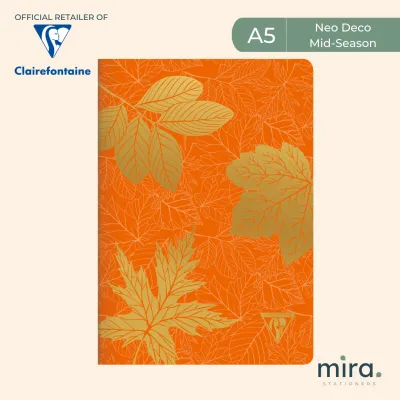
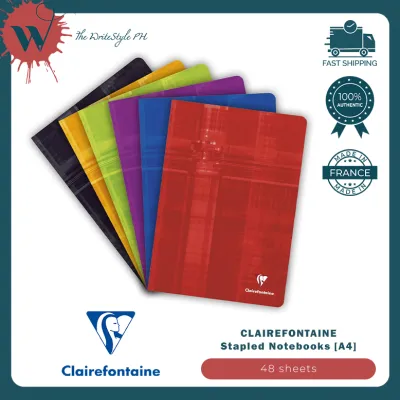
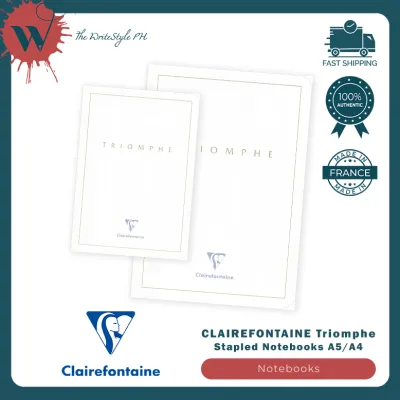
![Clairefontaine Kover Book Blush Stapled Notebook [A5]](https://img.lazcdn.com/g/p/3dbaa1cdfdb50198f55c3b8fba02b487.jpg_400x400q80.jpg_.webp)
Prices are valid at publication and may change. Please refer to the product page for the latest price.
To make an accurate comparison, group these notebooks by their intended use and physical structure. If you need a notebook for rapid, everyday calculations or drafting, compare the wire-bound options from both brands. If you are seeking a dedicated journal for long-form writing or archival purposes, compare their respective hardcover or softcover thread-bound books. Checking the manufacturer’s specifications for page counts, ruling formats, and exact dimensions before buying ensures you are evaluating comparable tiers.
Evaluate Paper Specifications and Writing Compatibility
The core of any premium notebook experience lies in its paper specifications, which dictate how your favorite pens and inks behave on the page. Clairefontaine notebooks are famous for using 90 GSM (grams per square meter) brushed vellum paper, which is manufactured in their own mills in France. This paper undergoes a specialized calendering process to create an exceptionally smooth, satin-like surface that minimizes friction. Rhodia notebooks, while also utilizing paper sourced from the Clairefontaine mills, often feature different weights and finishes depending on the product line. Many classic Rhodia pads use 80 GSM paper, which offers a slightly different tactile response, while their premium webnotebooks upgrade to 90 GSM ivory paper.

Because these papers feature distinct coatings, conducting a personal swatch test is the most reliable way to evaluate writing compatibility. If you write with wet fountain pens, broad gel pens, or liquid ink rollerballs, you will observe that the smooth coating on Clairefontaine paper resists ink absorption. This resistance is excellent for preventing feathering—where ink spreads along the paper fibers—and bleed-through, but it significantly extends drying times. In the warm, humid climate of the Philippines, this slow drying time can be particularly noticeable, as ambient moisture in the air further delays ink evaporation.
To perform a proper swatch test, write a few lines with your daily pens on a single page and monitor how long the ink remains wet to the touch. Note whether the ink pools on the surface or absorbs evenly into the fibers. Additionally, inspect the page opacity by holding a written sheet up to a bright light source or turning the page to check the reverse side. This allows you to observe ghosting—where the shadow of the writing is visible on the back—and actual bleed-through, helping you decide if both sides of the paper are fully usable for your writing style.
Assess Binding, Cover Materials, and Layout Options
A notebook’s physical construction determines how well it survives daily carry and how comfortably it sits on your desk. Binding is a critical factor; thread-bound or stitched notebooks from both brands offer excellent lay-flat capability, allowing you to write comfortably across the entire page spread without fighting a stiff spine. Wire-bound options provide the ultimate flexibility for folding the notebook back on itself, making them ideal for quick note-taking on your lap or in cramped workspaces. Staple-bound notebooks are highly portable and lightweight, though they may not lie completely flat without some manual training of the spine.
Cover materials must also be assessed based on your typical environment and how you transport your stationery. If you frequently commute or work in tropical conditions where sudden rain showers or high humidity are common, cardstock covers may warp or absorb moisture over time. For these environments, Clairefontaine’s cloth-bound Age Bag series or Rhodia’s water-resistant, flexible leatherette covers offer superior protection against ambient dampness and minor spills. Hardcover options provide a rigid writing surface when a desk is unavailable, while softcovers offer flexibility and weight savings in a packed bag.
Finally, consider how the internal layout aligns with your organizational system. Clairefontaine is one of the few brands that widely offers Seyès ruling, a traditional French grid system featuring horizontal lines spaced eight millimeters apart with vertical lines every two millimeters, which is highly useful for practicing calligraphy or structured handwriting. Rhodia is particularly famous for its precise dot grid layout, which provides a subtle guide for both writing and sketching without cluttering the page. Standard lined, blank, and traditional graph options are also widely available across both brands, allowing you to match the ruling to your specific creative or technical workflow.
Check Pricing, Availability, and Long-Term Value
When investing in premium stationery, verifying local pricing and availability is crucial for maintaining a consistent writing routine. Because these brands are imported from Europe, stock levels in physical boutiques and online marketplaces in the Philippines can fluctuate throughout the year. Before committing to a specific notebook line, check authorized local stationery retailers to ensure they consistently restock your preferred size and ruling format. Relying on a highly specialized or rare edition may leave you without a replacement when you fill the last page.
To evaluate long-term value, calculate the cost per page rather than simply looking at the retail price of the notebook. A slightly more expensive notebook with a higher page count or double-sided usability due to zero bleed-through often presents better value than a cheaper alternative that forces you to write on only one side of the sheet. Additionally, check if the brand line you prefer supports a sustainable ecosystem, such as refillable covers or modular inserts, which can lower your ongoing stationery expenses over time.
You must also factor in shipping fees, potential import duties, and local delivery times when ordering. While international specialty stores might offer a wider selection of niche rulings or cover colors, purchasing from local physical shops or established domestic online distributors often provides a more reliable and cost-effective experience. This local approach also allows you to physically inspect the notebook’s cover texture and binding flexibility before making a financial commitment.
Decision Framework: Which Premium Notebook Fits Your Needs?
To finalize your choice between these two premium brands, apply a condition-based decision framework tailored to your writing tools and daily habits. Choose Clairefontaine if your primary writing instrument is a fountain pen with highly shading ink, and you prefer an ultra-smooth, bright white writing surface that highlights ink properties. Clairefontaine is also the ideal choice if you want to experience traditional French Seyès ruling or prefer classic, understated cover designs that fit seamlessly into academic or professional settings.
Choose Rhodia if your workflow relies heavily on structured layouts like dot grids or graph paper, and you prefer highly functional, modern designs. Rhodia is particularly suited for those who appreciate the convenience of head-stapled, tear-out pages for quick sketching, drafting, or temporary note-taking. Their leatherette-covered Webnotebooks and Rhodiarama series are excellent if you require a durable, weather-resistant cover that protects your work during a humid daily commute.
Neither brand may fit your needs if you primarily use heavy alcohol-based markers, thick acrylic paint pens, or watercolors, as standard writing paper is not designed to handle heavy wet media without warping or bleeding. In such cases, you should look for dedicated mixed-media or high-GSM art sketchbooks instead. Furthermore, if you are purchasing a notebook for archival purposes or long-term storage in tropical climates, verify the manufacturer’s specifications to ensure the paper is acid-free and pH-neutral, which prevents yellowing and degradation over decades of storage.
Frequently Asked Questions (FAQ)
How can I prevent ink from smudging on premium notebook paper?
To minimize smudging on highly coated premium papers, start by checking the drying time of your specific ink and pen combination. Because smooth papers resist absorption to prevent feathering, wet inks will sit on the surface longer before drying completely. You can manage this by placing a sheet of clean blotting paper or a simple guard sheet under your hand while writing, which prevents natural skin oils from transferring to the page and protects previously written lines from friction. Always allow the ink adequate time to dry before closing the notebook, especially when using broad nibs or highly saturated gel pens.
Are these notebooks suitable for use with watercolors or heavy markers?
Standard premium writing notebooks from both brands are generally not suitable for watercolors, heavy ink washes, or alcohol-based markers. These papers are optimized for writing instruments and lack the specific sizing and thickness required to absorb water or heavy solvents without buckling, pilling, or bleeding through to the next page. Before applying any wet media, check the product packaging for explicit mixed-media or watercolor certifications. If you want to test a specific marker, apply a small stroke in an inconspicuous corner or on the very last page of the notebook to observe how the paper fibers react before committing to a full project.

Community discussion
Share your experience or ask a question. Comments are reviewed before publication.