
When deciding between a cork bulletin board and a fabric-covered alternative, there is no single universal winner; the better choice depends entirely on your pinning frequency and visual priorities. Cork excels in high-traffic environments where frequent pinning and self-healing properties are required, while fabric boards offer superior aesthetic versatility and texture for decorative or low-traffic spaces. In tropical climates like the Philippines, where ambient humidity can fluctuate significantly, understanding how these materials interact with moisture, adhesives, and structural backings is essential for making a lasting investment. By evaluating your daily usage patterns, aesthetic goals, and maintenance capacity, you can select a board that remains both functional and visually appealing for years to come.
Material Structure and Core Differences
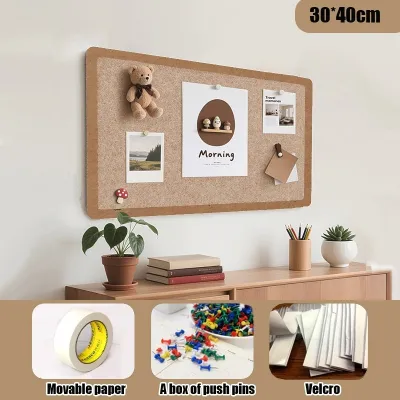
To understand how these boards perform over time, it is helpful to examine their physical construction. A standard cork bulletin board relies on the bark of the cork oak tree, which is harvested, processed, and compressed into sheets. This natural material is highly porous and filled with microscopic air pockets, giving it a lightweight yet resilient quality. Because pure cork sheets can be fragile on their own, manufacturers typically bond the cork layer to a rigid backing board, such as medium-density fiberboard (MDF), heavy cardboard, or softboard, to provide structural integrity.
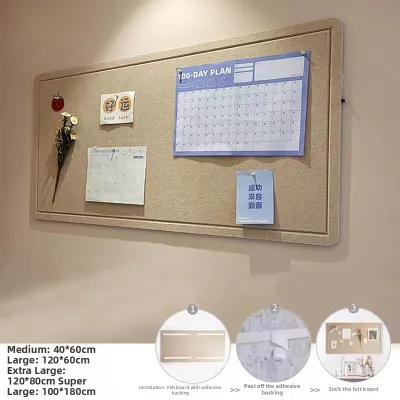
Fabric bulletin boards, on the other hand, utilize a multi-layered textile design. The outermost layer consists of a woven fabric—such as linen, burlap, cotton, or synthetic polyester—wrapped tightly around an inner core. This core is usually made of dense foam, acoustic fiberboard, or compressed cork itself. The fabric is typically secured at the back of the board using heavy-duty staples, specialized adhesives, or tension frames to keep the surface taut and wrinkle-free.
Products mentioned in this guide
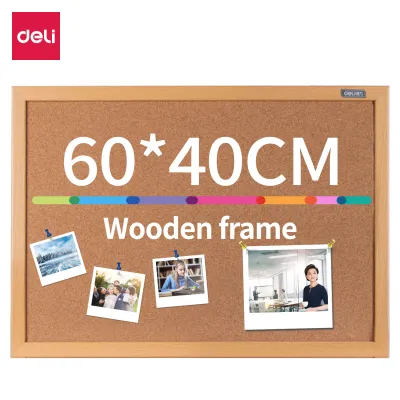
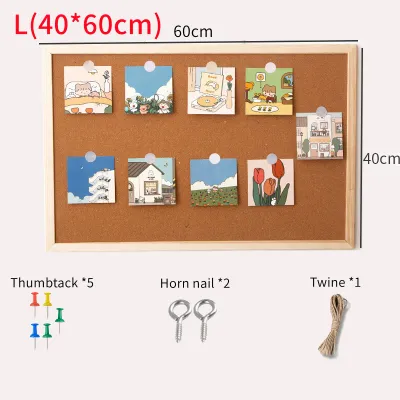
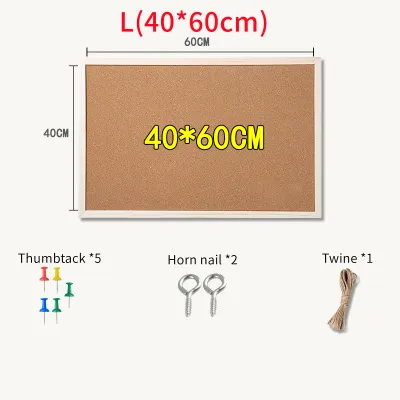
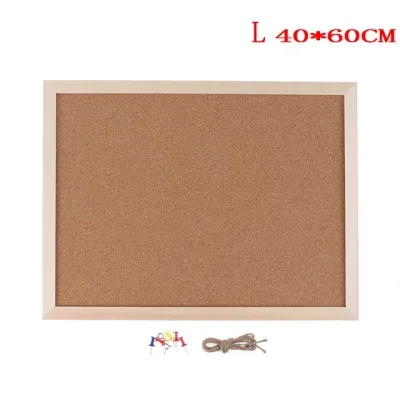
Prices are valid at publication and may change. Please refer to the product page for the latest price.
When shopping for either option, it is crucial to check product labels and manufacturer specifications for the exact core materials used. The density and quality of the backing board vary significantly across brands and price points, directly affecting the overall rigidity of the board. In humid environments, a low-quality cardboard backing can absorb moisture from the air, leading to warping, sagging, or mold growth. Opting for moisture-resistant backing materials like high-density fiberboard or sealed synthetic cores will ensure your board remains flat and stable regardless of seasonal weather shifts.
Evaluating Long-Term Durability and Pin Retention
The primary functional difference between cork and fabric lies in how they respond to repeated punctures. Natural cork possesses remarkable self-healing properties due to its cellular structure. When you insert a pushpin, the surrounding cork cells compress; once the pin is removed, these cells naturally expand back into their original positions, effectively closing the hole. This makes a high-quality cork bulletin board exceptionally durable for high-traffic workspaces, such as classrooms, busy offices, or home command centers where notes, receipts, and schedules are pinned and unpinned daily.

Fabric boards handle punctures differently because woven textiles do not self-heal in the same manner as cork. When a pin passes through a fabric surface, it pushes the woven threads aside or pierces directly through them. Over time, frequent pinning in the exact same spot can lead to permanent puncture marks, fraying, or pulled threads, particularly in tightly woven fabrics like cotton or linen. Coarser weaves, such as burlap or specialized acoustic fabrics, tend to hide pinholes better because the loose fibers can slide back into place, but they still lack the true cellular elasticity of natural cork.
Beyond the surface material, edge wear and frame dependency play a critical role in long-term durability. A poorly constructed frame will cause either material to sag, warp, or detach from its backing over time. To evaluate a board before purchasing, perform a few simple, observable checks. If you are examining a display model in a local stationery store, gently press a standard pushpin into the surface to test the resistance; a quality board should feel firm and hold the pin securely without letting it wobble. Additionally, inspect the edges and corners of the board to ensure the cork or fabric is tightly bound, glued, or stapled to the frame without any visible gaps, loose threads, or peeling seams.
Aesthetics, Customization, and Workspace Integration
While durability is a practical necessity, the visual impact of a bulletin board can significantly alter the atmosphere of your workspace. Cork boards offer a classic, utilitarian, and organic aesthetic. The natural tan and brown tones of granulated cork fit seamlessly into traditional offices, classrooms, and industrial-style workspaces. However, this natural look can sometimes feel visually repetitive or clash with modern, minimalist, or highly color-coordinated interior designs.
Fabric bulletin boards provide a vast array of aesthetic options, making them highly customizable to your existing decor. They are available in a wide variety of colors, patterns, and textures, ranging from sleek, professional gray felt to vibrant, patterned cottons. This versatility allows fabric boards to double as decorative wall art or acoustic panels in home offices, creative studios, and reception areas. The soft texture of fabric also introduces a warm, tactile element to a room that hard, flat surfaces cannot replicate.
When integrating a board into your space, consider the ambient lighting of the room. Certain fabric weaves, especially those with deep textures like burlap or heavy linen, can cast subtle shadows under direct overhead lighting, which may highlight dust accumulation or minor surface imperfections. Furthermore, while cork can be easily painted, stenciled, or stained by the user to match a specific color scheme, fabric boards generally rely on the manufacturer’s original dye. If you plan to place your board near a window with direct sunlight, check the fabric specifications for colorfastness, as UV exposure can cause vibrant textile dyes to fade unevenly over time.
Maintenance, Cleaning, and Upkeep
Keeping your bulletin board clean and functional requires different approaches depending on the material you choose. Fabric surfaces are highly susceptible to absorbing liquid spills, oils from fingers, and airborne dust, which can lead to permanent staining. To clean a fabric board, start with dry methods: use a vacuum cleaner with a soft brush attachment or a lint roller to remove loose dust and pet hair. For localized stains, you must verify the manufacturer’s care labels before applying any cleaning agents, as harsh chemicals can dissolve the underlying adhesives or discolor the textile. Spot cleaning with a mild upholstery cleaner or a damp microfiber cloth is generally recommended, but avoid saturating the fabric, as excess moisture can seep into the core and cause mold.
Cork boards are generally easier to maintain but require gentle handling to prevent physical degradation. Because cork is naturally water-resistant, it does not absorb spills as quickly as fabric, allowing you to wipe away light dirt with a damp cloth. However, cork can become brittle over time, especially when exposed to dry air-conditioned environments or direct heat. Avoid scrubbing cork aggressively with abrasive sponges or using harsh chemical solvents, which can cause the granulated cork to crumble, flake, or peel away from its backing.
Removing stubborn pins, staples, or adhesive residue also requires care to avoid tearing either surface. When removing staples from a cork board, use a flat-head staple remover gently to avoid gouging the cork. For fabric boards, pull pins straight out rather than twisting or pulling them at an angle, which can snag and pull the delicate threads of the weave. If adhesive tape or sticky notes leave a residue on cork, gently rub the area with a clean eraser or a tiny amount of rubbing alcohol on a cotton swab, testing a small corner first to ensure it does not dissolve the cork binder.
Decision Framework: Choosing the Right Board for Your Space
To finalize your choice, consider how your daily routine and environmental conditions align with the strengths of each material.
Choose Cork if:
- You require a high-traffic board for daily pinning, organizing, and active project management.
- You prefer a self-healing surface that maintains its structural integrity despite thousands of punctures.
- You appreciate a classic, organic look or plan to customize the board yourself using acrylic paints or stencils.
- The board will be placed in a high-humidity area where a synthetic-backed cork board offers reliable resistance to moisture absorption.
Choose Fabric if:
- The board is intended primarily for decorative displays, low-traffic announcements, or mood boards that do not require constant pin changes.
- You want to match a specific color palette, texture, or interior design style in a home office, clinic, or corporate lobby.
- You want to introduce acoustic dampening properties to a room to reduce echo and ambient noise.
- You prefer a soft, premium textile finish and are willing to perform regular vacuuming and spot cleaning to keep it dust-free.
Verify First if:
- You are mounting the board on drywall, concrete, or specialized office partitions. Always check the board's total weight and ensure your chosen wall anchors, mounting brackets, or adhesive strips are rated for the load, especially for larger boards that can weigh several kilograms.
- You are purchasing online; read customer reviews regarding frame sturdiness and backing density to avoid thin, easily warped alternatives.
Frequently Asked Questions (FAQ)
Can I paint or dye a cork bulletin board to change its color?
Yes, cork can be painted using acrylic paints or spray paints designed for porous surfaces. However, you should apply thin, light coats rather than a single thick layer. Thick paint can fill the natural pores of the cork, hardening the surface and reducing its self-healing pin retention. Always test your paint on a small, inconspicuous area or check the manufacturer’s guidelines before painting the entire board.
Do fabric bulletin boards require special pins or tacks?
While standard pushpins and map tacks will work on most fabric boards, using sharp, thin tacks or specialized fabric pins is highly recommended. Thicker pins or dull staples can snag the woven threads, leading to visible pulls, fraying, or permanent holes in the textile layer. Thin, sharp pins slide easily between the fabric fibers without damaging the weave.
How do I fix a sagging cork board that is pulling away from its frame?
Minor separation between the cork sheet and its frame can often be secured by carefully applying a small amount of wood glue or heavy-duty craft adhesive along the edges, then clamping the frame until dry. However, if the backing board is severely warped due to humidity or the frame is structurally broken, it is best to replace the board or consult the manufacturer, as a compromised frame poses a risk of the board falling and causing damage.

Community discussion
Share your experience or ask a question. Comments are reviewed before publication.