
Scented paper offers a unique, multi-sensory way to elevate wedding stationery, transforming a simple piece of mail into an immersive experience. While the main invitation card often carries the visual weight of the suite, incorporating fragrance into the supporting elements—such as envelope liners, belly bands, RSVP cards, and thank-you inserts—creates a layered unboxing journey. By distributing the scent across these secondary pieces, you can control the intensity of the fragrance, protect the main card from ink transfer, and surprise your guests as they interact with each layer of the suite.
Designing Scented Envelope Liners and Belly Bands
Envelope liners and belly bands are the first elements guests interact with during the unboxing process, making them ideal candidates for scented paper. However, these components serve structural purposes that require careful material selection. When choosing paper for a belly band, evaluate the paper weight and thickness to ensure it provides adequate structural support. A paper that is too thin, such as standard 80 gsm copy paper, can easily tear when guests slide it off the suite. Conversely, a heavy cardstock over 250 gsm may resist folding, causing the band to pop open or bulk up the envelope excessively. A medium-weight specialty paper between 120 gsm and 150 gsm typically offers the right balance of flexibility and strength.
Adhesive selection is another critical factor when assembling scented envelope liners. The chemical compounds and oils used to infuse scented paper can react unpredictably with standard liquid glues. This reaction can cause the paper to warp, discolor, or lose its adhesive grip over time. To prevent these issues, test pH-neutral adhesive rollers, double-sided archival tape, or dry mounting adhesives on a small scrap of your scented paper. Apply the adhesive and let it cure for 24 hours to verify that it does not bleed through or alter the fragrance.
Products mentioned in this guide
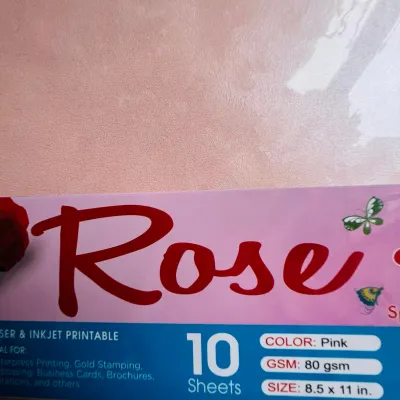
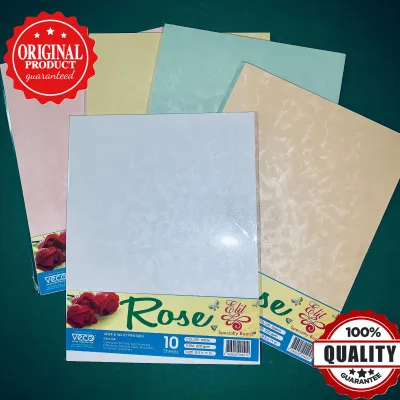
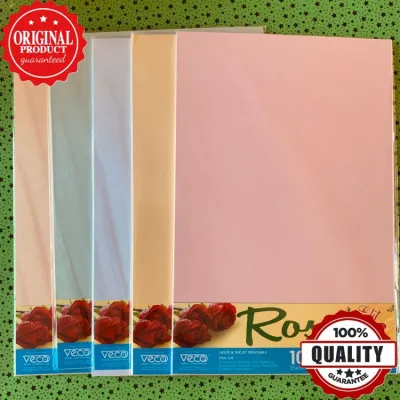
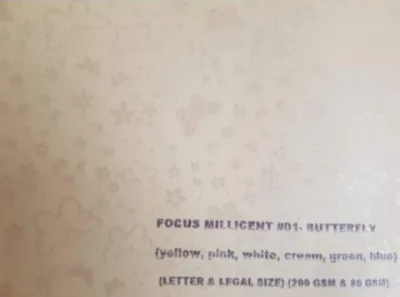
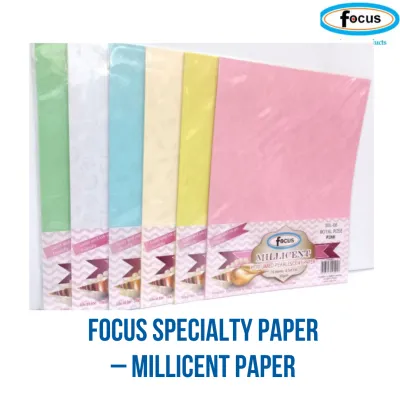
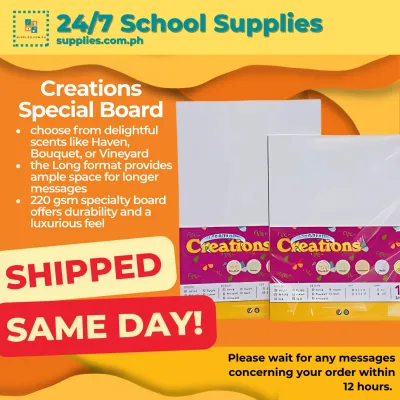
Prices are valid at publication and may change. Please refer to the product page for the latest price.
Additionally, you must account for the physical friction between the scented liner and the outer envelope material. During transit, the constant movement inside mail sorting machines can cause the inner liner to rub against the envelope. If the scented paper has a powdery or heavily coated finish, this friction can lead to scuffing, color transfer, or a dusty residue on the invitation card. To prevent this, conduct a quick friction test by sliding a sample lined envelope against your main cardstock several times to observe if any pigment or coating transfers.
Integrating Scent into RSVP Cards and Detail Inserts
Integrating scented paper into functional components like RSVP cards and detail inserts requires a balance between sensory appeal and practicality. Because RSVP cards must be written on by your guests, you must assess the writing surface to ensure it accepts standard ink without smudging or bleeding. Many scented papers feature protective coatings or wax-based infusions that repel water-based inks. Before finalizing your suite, conduct localized writing tests using common pen types, such as ballpoint pens, gel pens, and fountain pens. Observe the drying speed and bleed resistance on the scented surface to ensure your guests can easily fill out their responses without ruining the card.

Layout and whitespace planning are equally important for smaller inserts. Keep your text, response lines, and critical details away from heavily textured or coated edges. If the scented paper has a deckled or uneven edge, printing too close to the border can result in distorted text or incomplete ink coverage. Leaving a generous margin of whitespace around the text not only improves readability but also ensures that any physical wear on the edges during transit does not compromise the information.
For detail inserts that require folding, such as maps, accommodation schedules, or multi-day itineraries, perform a series of fold tests. The infusing agents used in scented paper can sometimes make the paper fibers more brittle or prone to cracking along crease lines. Fold a sample sheet sharply using a bone folder to verify that the paper does not split, crack, or shed its scented coating at the fold. If cracking occurs, consider using a lighter paper weight or scoring the paper before folding to preserve both the structural integrity and the fragrance.
Extending the Experience with Thank-You Notes and Keepsakes
To prolong the sensory experience of your wedding, consider extending the use of scented paper to post-wedding stationery and keepsakes. Scented thank-you notes, bookmarks, or custom favor tags allow guests to revisit the fragrance of your wedding day long after the event has passed. However, maintaining scent stability over several months requires careful planning. When paper is stored in boxes or drawers before mailing, the fragrance can fade or become stale if exposed to air and temperature shifts.
If you plan to use die-cutting or custom edge-finishing techniques for keepsakes like bookmarks or tags, be aware that cutting exposes raw paper fibers. While this can initially release a burst of fragrance, it can also accelerate scent degradation over time as the exposed fibers dry out. To minimize this, work with clean, sharp dies and consider sealing the edges or storing the finished pieces in airtight conditions immediately after cutting.
Proper storage is the most effective way to preserve the fragrance of your post-wedding stationery. Keep all unused scented cards, envelopes, and keepsakes in sealed protective sleeves, such as archival polypropylene bags, until you are ready to write and mail them. Store these sleeves in a cool, dark drawer away from direct sunlight, heat sources, and high humidity to ensure the scent remains fresh and true to its original profile.
Essential Handling and Printing Checks for Scented Paper
Working with scented paper requires a specialized handling and printing workflow to avoid common production failures. First, you must balance the scent concentration with the physical size of the paper. A fragrance that seems subtle on a small tag can become overwhelming when applied to a large envelope liner or multiple inserts within a sealed suite. When the guest opens the envelope, the concentrated buildup of scent should be a pleasant whisper rather than an overpowering chemical rush. Test a fully assembled, sealed sample suite after a few days to evaluate the combined strength of the fragrance.
Printer compatibility is another crucial check. Scented coatings and infused oils can react poorly to the high heat of laser printers, potentially melting the coating, damaging the printer drum, or releasing unpleasant chemical fumes. Conversely, inkjet printers may struggle to dry on non-porous scented surfaces, leading to smearing. Always check the manufacturer specifications for your specific scented paper to verify if it is compatible with inkjet, laser, or traditional letterpress printing. When in doubt, run a single-sheet test print and allow it to dry completely before handling.
Finally, account for environmental factors such as high humidity and temperature fluctuations, which are common in tropical climates like the Philippines. High humidity can cause fine specialty papers to absorb moisture, leading to warping, curling, or a rapid loss of scent. To protect your stationery during the assembly process, work in a dry, air-conditioned space. You can also place silica gel packets inside your storage containers to absorb excess moisture and keep the paper perfectly flat and fragrant until mailing day.
Frequently Asked Questions (FAQ)
Will the scent transfer to other items in the mailing envelope?
Yes, fragrance oils and compounds naturally migrate within a sealed envelope, meaning the scent will likely transfer to the main invitation card and other inserts. If you want to isolate the scent to a specific component, such as the envelope liner, you can place a thin glassine slip sheet or an inner protective barrier between the scented element and the rest of the suite. Alternatively, choosing micro-encapsulated scented papers can help control fragrance spread, as these papers only release their scent when physically rubbed or handled by the recipient.
Can I write on scented paper with standard pens?
Writing on scented paper depends heavily on the specific coating and infusion method used during manufacturing. Some scented papers have a slick, wax-like surface that repels water-based inks, causing gel pens and fountain pens to smear, bead up, or take an exceptionally long time to dry. To ensure clean, legible writing for your RSVP cards or envelope addressing, conduct localized writing tests with ballpoint pens, fine-liner felt tips, and gel pens. Ballpoint pens with oil-based ink generally offer the best adhesion and drying speed on coated specialty papers.

Community discussion
Share your experience or ask a question. Comments are reviewed before publication.