
Finding a calculator that matches your personal aesthetic while surviving the rigors of advanced mathematics is entirely possible in the Philippines. Many students and professionals seek out stylish calculators to brighten up their study desks, but standard cute models often lack the processing power needed for high school and college-level STEM courses. To get the best of both worlds, you must look for dedicated scientific calculators that manufacturers have styled in pastel shades, retro transparent casings, or official character collaborations. Balancing visual appeal with technical specifications ensures your device remains a reliable academic tool rather than a mere desk ornament.
What Defines a Cute Yet Functional Scientific Calculator
When shopping for an aesthetic calculator, the first step is distinguishing between a basic desktop calculator and a true scientific model. Basic cute calculators usually feature large, round typewriter-style keys and a simple eight-digit display, which are perfect for basic bookkeeping but entirely inadequate for algebra, trigonometry, or calculus. A functional scientific calculator must support at least 200 advanced functions, including trigonometric ratios, logarithms, fractions, and statistical distributions. Before purchasing a colorful model, verify its technical specifications to ensure it contains the necessary mathematical algorithms for your coursework.
Build quality and ergonomics are equally critical when evaluating these devices. A cute calculator is only useful if its buttons respond reliably to rapid keystrokes during timed quizzes. Look for keys that offer a distinct tactile click without sticking or requiring excessive force. The display must also remain highly readable under various lighting conditions, as some aesthetic models use colored LCD backlights or low-contrast screens that strain the eyes during late-night study sessions.
Products mentioned in this guide
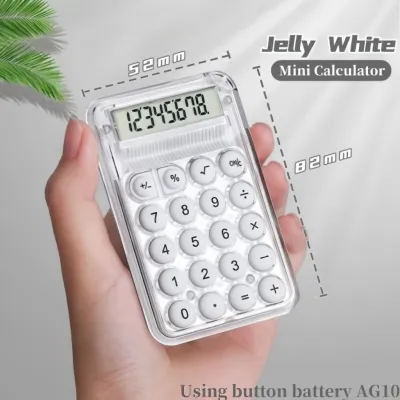
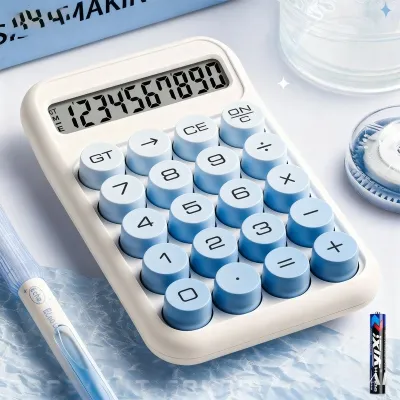
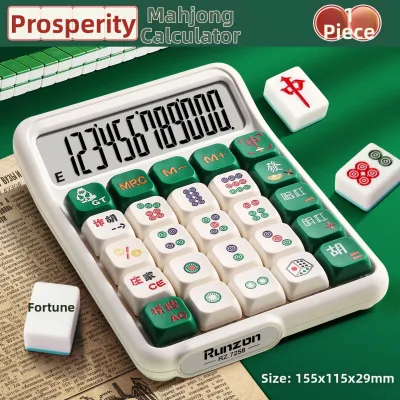
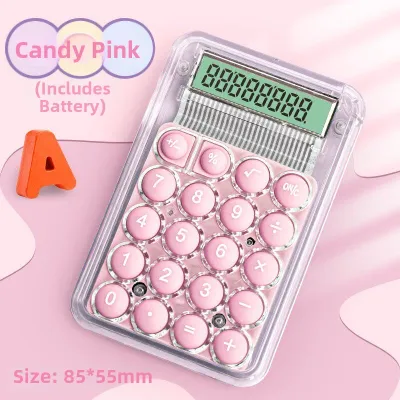
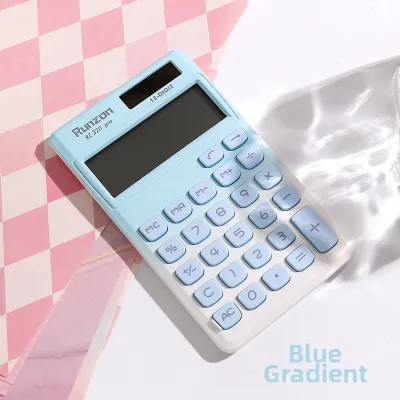
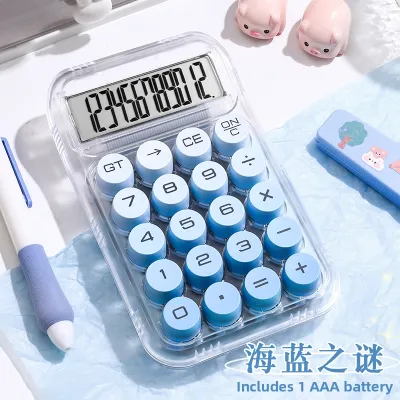
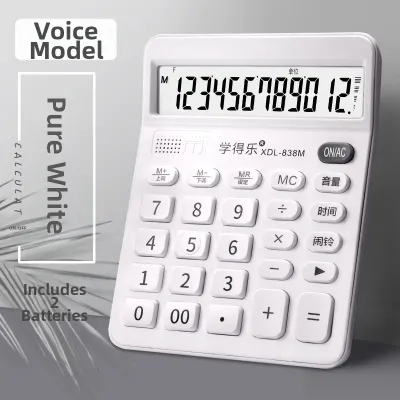
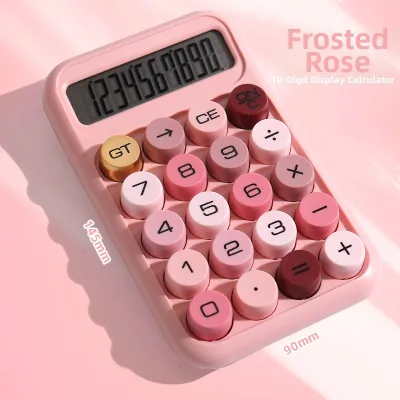
Prices are valid at publication and may change. Please refer to the product page for the latest price.
Finally, consider the trade-offs between highly decorative designs and distraction-free layouts. While a calculator covered in vibrant patterns or complex illustrations looks appealing, it can hinder your focus during long exams. Busy background designs on the faceplate can make key labels difficult to read, leading to input errors. Opting for a clean, solid-colored pastel or minimalist design often provides the perfect balance between personal style and academic efficiency.
Aesthetic Design Styles to Look For
Manufacturers have recognized the demand for stylish study tools, leading to a diverse range of aesthetic scientific calculators. Understanding the primary design categories available in the Philippine market allows you to narrow down your choices based on your personal style and classroom environment.

Pastel, Matte, and Minimalist Finishes
Pastel and minimalist finishes have become incredibly popular among students who curate cohesive, aesthetically pleasing study spaces. Soft tones like powder blue, mint green, lilac, and blush pink offer a calming visual alternative to the traditional, utilitarian black or dark grey calculators. These muted colors reduce visual fatigue during long study sessions and blend seamlessly with modern pastel notebooks, highlighters, and desk organizers.
However, matte finishes require specific practical considerations. While a matte surface is excellent at resisting unsightly fingerprints and smudges, it can develop shiny spots over time from the natural oils on your fingers. To maintain the pristine look of a matte calculator, wipe it down periodically with a slightly damp microfiber cloth, avoiding harsh chemical solvents that could strip the colored coating. Additionally, check whether the pastel color is molded directly into the high-grade plastic body or if it is merely a removable silicone cover, as molded plastic offers far superior long-term durability.
Retro, Transparent, and Pop-Color Bodies
For those who prefer a bolder, more nostalgic desk aesthetic, retro-inspired designs and transparent casings are excellent options. Transparent or translucent calculator shells offer a fascinating look at the internal circuitry and motherboard, appealing to engineering and computer science students alike. These designs evoke a classic late-90s tech aesthetic while remaining fully functional for modern academic demands.
The primary drawback of a transparent casing is the visibility of internal wear. Over years of being tossed into a school backpack, fine dust particles and pocket lint can find their way into the seams of the casing, becoming visible from the outside. Bright pop-color plastics, such as neon yellow or vibrant orange, are highly durable but can suffer from color fading if left exposed to direct sunlight near classroom windows for extended periods. When choosing a vibrant body, always check the contrast between the bright casing and the LCD screen; a high-contrast border around the display is essential for maintaining readability under harsh fluorescent classroom lights.
Character Collaborations and Themed Editions
Limited-edition character collaborations and themed calculators are highly sought after by collectors and students wanting to showcase their favorite pop-culture icons. Official collaborations between major calculator manufacturers and popular animation studios or lifestyle brands offer unique colorways, custom startup screens, and specially designed protective slide-on covers. These models allow you to express your personality directly through your primary academic tool.
It is vital to differentiate between official brand collaborations and unauthorized third-party modifications. Many online listings feature standard calculators decorated with third-party stickers, vinyl skins, or custom-painted faceplates. While these can look cute, poorly applied decals can peel at the edges, trap dirt, or even block the solar panel. Furthermore, heavily themed faceplates with busy background patterns can severely compromise button legibility, making it difficult to read secondary functions printed in small fonts above the keys. Always verify that a themed edition uses the exact same internal hardware, firmware, and official warranty as the manufacturer’s standard model to ensure you are not sacrificing performance for style.
Core Scientific Functions and Usability Checks
Beyond the exterior design, the true value of a scientific calculator lies in its internal capabilities. Before committing to a specific cute model, you must perform a thorough usability and function check to ensure it aligns with your academic curriculum. If you are majoring in engineering, mathematics, or the sciences, verify that the calculator supports advanced operations such as matrix calculations, vector analysis, complex numbers, and numerical integration or differentiation. A calculator that looks beautiful but cannot compute a basic standard deviation will quickly become a liability in college.
Display technology is another critical factor to evaluate. Look for models equipped with high-resolution dot-matrix screens that support a natural textbook display format. This technology renders fractions, square roots, integrals, and exponents exactly as they appear in your textbooks, significantly reducing the likelihood of syntax errors and misinterpretations. Older, single-line segment displays require you to input equations using complex bracket sequences, which is highly prone to user error during stressful exams.
The physical layout of the keyboard deserves close inspection. Test the tactile feedback of the keys; they should feel springy and responsive, with clear labeling that will not rub off after months of heavy use. Pay attention to the placement of the shift and alpha keys, which are used to access secondary functions. These keys should be positioned ergonomically so you can execute multi-step calculations without constantly searching the keyboard.
Lastly, prioritize the power source configuration of the calculator. Dual-power models, which utilize both a solar panel and a backup button battery, are highly recommended for students. The solar panel powers the device under normal classroom lighting, while the battery kicks in during low-light conditions or high-stakes exams. Relying solely on a battery-powered model increases the risk of a sudden shutdown mid-exam, while a purely solar-powered model might struggle in dimly lit lecture halls.
Verifying Exam Compliance and School Regulations
In the Philippines, academic integrity and strict exam protocols mean that your cute calculator must comply with local regulations. Before bringing your stylish new device into a major exam, you must cross-reference its model number with the official guidelines provided by your school, university, or the Professional Regulation Commission (PRC) for board exams. The PRC maintains a specific list of allowed and prohibited calculator models to prevent academic dishonesty, and proctors will confiscate non-compliant devices at the door.
Universally prohibited features in standardized testing include programmable memory, Computer Algebra Systems (CAS) that solve algebraic equations symbolically, and any form of wireless communication or data storage. Many aesthetic calculators imported from overseas may include advanced features or non-standard layouts that raise red flags for exam proctors. Even if your calculator is technically non-programmable, an unusual shape, bright color, or unfamiliar brand name might cause unnecessary delays or scrutiny during the security check-in process.
To avoid last-minute panic, always research your specific department’s calculator policy well in advance. If your heart is set on a highly stylized or imported aesthetic model for daily study, it is wise to keep a standard, universally approved black calculator as a backup. Familiarize yourself with both devices so that if a proctor deems your cute calculator unacceptable for a specific exam, you can seamlessly transition to your backup model without losing precious time or confidence.
Where to Find Aesthetic Calculators in the Philippines
Finding authentic, high-quality aesthetic scientific calculators in the Philippines requires shopping through reliable retail channels. With the rise of counterfeit stationery products online, purchasing from authorized brand flagship stores on major e-commerce platforms is the safest way to secure genuine models. These official online storefronts frequently stock regional color variants, pastel editions, and official collaborations that carry valid manufacturer warranties, protecting your investment against manufacturing defects.
For those who prefer a hands-on shopping experience, visiting specialized local stationery shops, boutique art supply stores, and major university bookstores is highly recommended. Shopping physically allows you to test the button responsiveness, evaluate the screen contrast under real-world lighting, and feel the weight and texture of the plastic casing before making a purchase. University-adjacent bookstores are particularly excellent resources, as they curate their inventory specifically to match local curriculum requirements and exam guidelines.
When browsing third-party online merchants or independent sellers, always exercise caution to avoid counterfeit products. Counterfeit scientific calculators often mimic the exterior design and pastel colors of popular brands but use cheap internal microchips that produce incorrect mathematical results or fail during basic statistical operations. Verify the seller’s authenticity by checking customer reviews, looking for official distributor seals, and reviewing their return policy. Investing a little extra time to confirm authenticity ensures your cute calculator is a precise, dependable tool that will support you throughout your academic journey.
Frequently Asked Questions (FAQ)
Can I use a cute scientific calculator during Philippine board exams? (FAQ)
Yes, you can use a cute scientific calculator during Philippine board exams, provided the specific model is explicitly approved by the Professional Regulation Commission (PRC). Exam proctors evaluate the internal hardware, processing capabilities, and model number of the device, not its exterior color, pastel finish, or aesthetic design. Any calculator featuring programmable memory, wireless connectivity, or a Computer Algebra System (CAS) is strictly prohibited, regardless of how cute it looks. Always consult the latest official PRC memorandum for your specific profession to verify if your exact model number is on the allowed list before arriving at the testing center.
Do aesthetic scientific calculators cost more than standard black models? (FAQ)
Generally, standard pastel, matte, or color-blocked variants of a scientific calculator cost the same as their traditional black counterparts, provided they belong to the exact same model line. However, limited-edition character collaborations, imported regional exclusives, or models featuring special themed packaging often carry a premium price due to licensing fees and collectibility. Be cautious of online listings offering rare aesthetic models at unusually low prices, as these are often counterfeit products with unreliable internal components that can compromise your academic work.

Community discussion
Share your experience or ask a question. Comments are reviewed before publication.