
Choosing a specialty writing instrument online requires more than just looking at attractive product photos. For enthusiasts and daily writers alike, the Asvine P36 has emerged as a notable option in the modern fountain pen market. However, because you cannot hold the pen before purchasing, understanding its technical specifications is the only way to ensure it fits your hand and writing style.
Every detail of a fountain pen, from its physical weight to the way ink flows onto the page, directly impacts your writing experience. In a tropical climate like the Philippines, where ambient humidity can affect both ink drying times and grip comfort, these technical parameters become even more critical. By analyzing the specifications of this specific model, you can make an informed decision and avoid the disappointment of a mismatched purchase.
Nib Specifications: How to Check Size, Material, and Writing Feel
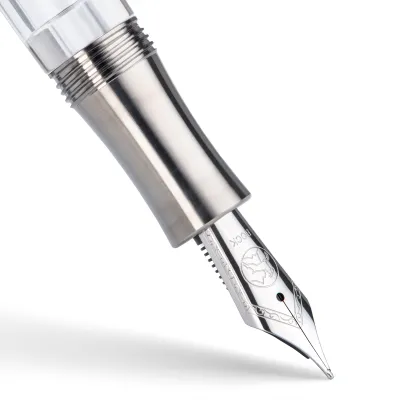
The nib is the heart of any fountain pen, and verifying its specifications is the first step to ensuring a satisfying writing experience. When browsing online listings for the Asvine P36, you will typically find options for Extra Fine (EF), Fine (F), and Medium (M) nib sizes. If you write on standard, absorbent office paper, an Extra Fine or Fine nib is recommended to minimize ink feathering. For those who prefer a smoother, wetter line on premium, ink-resistant paper, a Medium nib is more appropriate.
Products mentioned in this guide
Prices are valid at publication and may change. Please refer to the product page for the latest price.
Material specifications also play a significant role in performance. You will want to verify whether the listing features a stainless steel nib or a titanium nib. While stainless steel offers a rigid, highly consistent writing feel that is excellent for quick note-taking, titanium nibs are known for providing a unique springiness and distinct feedback. Checking these details helps you align the pen’s physical feedback with your personal handwriting pressure.
Finally, consider future customization by checking the nib unit’s compatibility. Many modern pens utilize screw-in nib units, allowing you to swap sizes without purchasing an entirely new pen. Before ordering, confirm whether the seller specifies compatibility with standard size 6 replacement nibs or if the housing uses a proprietary thread design. This verification ensures you can easily maintain or upgrade your writing instrument in the future.
Filling Mechanism and Ink Capacity: What to Confirm Before Buying
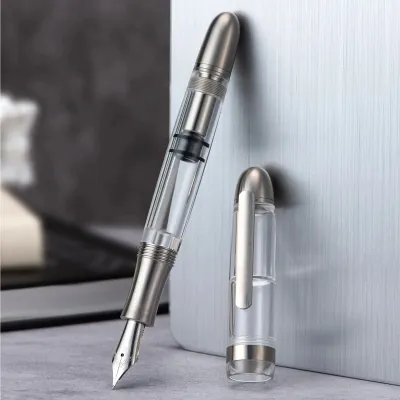
One of the most defining technical aspects of the Asvine P36 is its filling system. Unlike entry-level pens that rely on disposable plastic cartridges, this model is designed as a high-capacity vacuum filler. When reviewing product descriptions, confirm that the filling mechanism is explicitly listed as a vacuum or plunger system. This mechanism utilizes a central rod to create a vacuum inside the barrel, drawing ink directly into the pen body.

This design offers a significantly larger ink capacity compared to standard cartridge or converter systems, making it highly convenient for long writing sessions. However, this high capacity also means that flushing and cleaning the pen requires more patience. You will need to cycle clean water through the barrel multiple times to ensure no old ink residue remains when changing colors.
Because this is a dedicated vacuum-filling pen, it is incompatible with standard international ink cartridges or converters. You must use bottled fountain pen ink to fill the reservoir. When planning your purchase, factor in the need for a reliable bottle of fountain pen ink, and verify that the pen’s internal seals are described as high-quality silicone or rubber to prevent leaks during travel or temperature changes.
Body Material, Weight, and Dimensions: Evaluating Ergonomics and Durability
The physical build of a fountain pen determines how comfortable it will feel during long writing sessions. The Asvine P36 is often highlighted for its use of titanium and acrylic or resin in its body construction. Titanium provides an exceptional strength-to-weight ratio, offering the durability of metal without the heavy, tiring feel of brass or steel. When checking the specifications, look for the total weight of the pen both with and without the cap.
Dimensions are equally crucial for ergonomic comfort. Pay close attention to three key measurements:
- Capped Length: This dictates how the pen fits in your pocket or pencil case.
- Posted Length: This refers to the length when the cap is placed on the back of the barrel. Verify if the cap posts securely, as some writers find posting makes the pen back-heavy.
- Grip Section Diameter: The thickness of the grip area directly influences hand fatigue; a diameter that is too narrow can cause cramping, while one that is too wide may feel clumsy.
In warm, humid environments, the choice of body material also affects your physical grip. Highly polished acrylic can sometimes feel slippery if your hands perspire, whereas matte titanium or textured grip sections offer more security. Reviewing these physical dimensions and material properties allows you to visualize how the pen will balance in your hand before you ever touch it.
How to Verify Authentic Specifications on E-commerce Platforms
Shopping on online marketplaces requires a healthy dose of skepticism, as third-party listings can sometimes contain copy-paste errors or inaccurate technical details. To ensure you are getting an authentic Asvine P36 with the exact specifications you desire, always cross-reference the seller’s description with official brand documentation or reputable stationery community databases. If a listing fails to specify the nib material or uses contradictory terms like “vacuum cartridge,” it is best to seek clarification.
Watch out for common red flags in product listings:
- Vague Nib Descriptions: Listings that only state "fountain pen" without letting you select a specific nib size (EF, F, M) or material.
- Missing Weight and Dimension Tables: Reliable sellers typically provide detailed charts showing the exact weight in grams and length in millimeters.
- Inconsistent Photos: Ensure the product images clearly show the vacuum filling rod at the end of the barrel and the correct brand engravings on the nib.
Additionally, take advantage of the customer review sections on your preferred e-commerce platform. Look for reviews from local buyers in the Philippines who often share real-world photos of the pen next to common household items or standard paper. These community insights can confirm whether the actual build quality, weight distribution, and ink flow match the manufacturer’s advertised specifications.
Frequently Asked Questions (FAQ)
Is the Asvine P36 suitable for beginners?
While the Asvine P36 offers excellent build quality, its vacuum filling mechanism may present a slight learning curve for absolute beginners. Unlike simple cartridge pens where you simply plug in an ink refill, a vacuum filler requires you to submerge the nib in bottled ink and operate a plunger rod. Cleaning the internal barrel also requires more patience than flushing a standard converter. If you are willing to learn basic fountain pen maintenance, this model is a rewarding starting point; however, those seeking zero-maintenance writing may prefer a cartridge-based system.
Does the Asvine P36 come with a converter included?
No, the Asvine P36 does not come with a converter because its body is designed as an integrated vacuum filling system. The entire barrel of the pen acts as the ink reservoir, eliminating the need for a separate cartridge or converter. When purchasing this pen, you do not need to buy a converter, but you will need to purchase a bottle of fountain pen ink separately to use the instrument. Always check the seller’s package contents list to confirm if any auxiliary tools, such as a wrench for disassembly or silicone grease for maintenance, are included in the box.

Community discussion
Share your experience or ask a question. Comments are reviewed before publication.