
Deciding whether to invest in a flexible fountain pen comes down to how you write and what you want to achieve on the page. If your goal is to create elegant calligraphy, expressive modern scripts, or dynamic journal entries with beautiful line variation, a flex nib is an exceptional tool. However, if you primarily need a reliable pen for rapid note-taking, office work, or writing on standard paper, a standard rigid nib is far more practical.
In the humid tropical climate of the Philippines, stationery choices require extra care. High humidity directly affects how ink dries and how paper absorbs moisture, making the wet ink flow of a flexible pen a unique challenge to manage. Understanding the mechanics of these specialized writing instruments will help you determine if a flex nib belongs in your daily rotation or if a traditional rigid pen is better suited to your needs.
What Is a Flexible Fountain Pen and How Does It Work?
A flexible fountain pen features a specially designed metal nib that reacts to the physical pressure of your hand. When you apply downward pressure on a downstroke, the two halves of the nib—known as the tines—spread apart. This physical separation allows a wider channel of ink to flow onto the paper, creating a thick, dramatic line. As you release the pressure on an upstroke, the tines spring back together, returning the line to a thin, delicate whisper.
Products mentioned in this guide
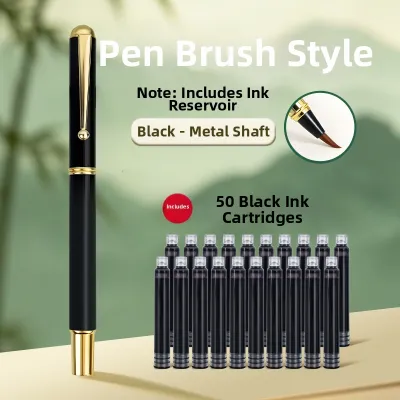
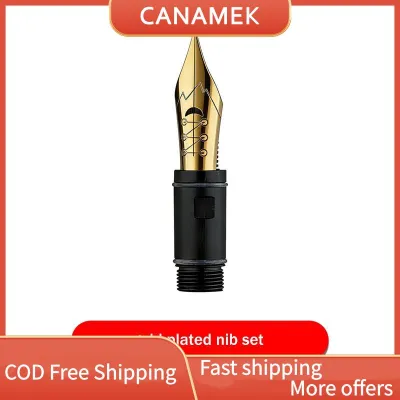
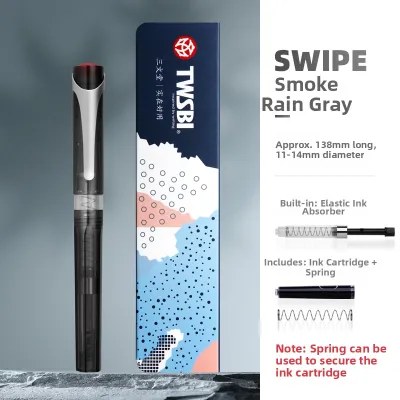
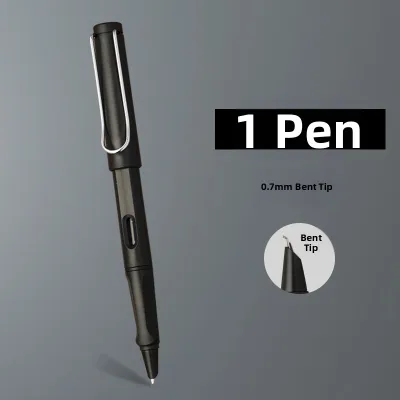
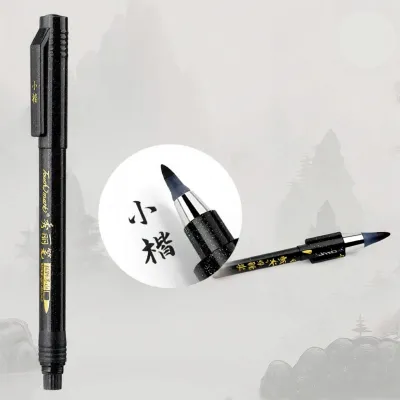
Prices are valid at publication and may change. Please refer to the product page for the latest price.
It is important to distinguish a true flexible nib from standard rigid nibs and “soft” or “springy” nibs. Standard rigid nibs are designed to maintain a completely uniform line width regardless of how hard you press, providing a consistent and predictable writing experience. Soft nibs, often labeled as “soft fine” or “elastic,” offer a cushioned, bouncy feel that makes writing comfortable, but they do not spread wide enough to produce the dramatic line variation characteristic of a true flex pen.
Writing with a flexible fountain pen involves a steep learning curve. Unlike a ballpoint pen that you can drag across the page in any direction with equal force, a flex pen requires you to coordinate your hand movements with the direction of the pen. You must apply pressure only on downstrokes and maintain an incredibly light touch on upstrokes to avoid catching the paper or damaging the metal tines. This demands a slower, highly deliberate writing speed.
Signs a Flexible Nib Matches Your Writing or Calligraphy Goals
A flexible fountain pen is an ideal match if you are drawn to classic calligraphy and expressive lettering styles. Scripts like Spencerian, Copperplate, or modern brush-style lettering rely entirely on the contrast between thick downstrokes and thin upstrokes. A flex nib allows you to achieve these traditional aesthetics with the continuous ink supply of a fountain pen, eliminating the need to constantly dip your pen into an inkwell.

If you view writing as a slow, artistic ritual rather than a race, you will likely appreciate the characteristics of a flex nib. It is perfect for personal correspondence, slow-paced journaling, or creative sketching where the visual personality of your handwriting matters more than speed. The variation in line width highlights the unique shading properties of your ink, turning simple words into visually engaging art.
To succeed with a flex pen, you must enjoy the process of deliberate practice. You must be willing to adjust your grip, experiment with the angle at which the pen meets the paper, and consciously regulate the force of your hand. If you find the physical rhythm of controlling your writing pressure to be meditative and satisfying, a flexible nib will reward your patience with beautiful, customized results.
Red Flags: When a Flexible Fountain Pen Is Not the Right Choice
If your daily routine requires fast, heavy-handed note-taking, a flexible fountain pen will likely cause frustration. During rapid writing in school lectures or business meetings, you do not have the time to modulate pressure. A flex nib used in this manner will feel scratchy, lay down inconsistent pools of ink, and cause significant hand fatigue as you fight to control the springy tines.
Another clear sign to avoid a flex nib is a preference for uniform, predictable lines. If you write small, print your letters, or need to fill out forms with precise, compact characters, the variable line width of a flexible pen will make your writing look messy and illegible. For these tasks, a rigid extra-fine or fine nib is a far superior choice.
Paper compatibility is the ultimate gatekeeper for flexible pens. Because a flexed nib deposits a large volume of ink, it requires high-quality, fountain-pen-friendly paper to perform correctly. If you must write on highly absorbent, low-quality copy paper or standard school notebooks, the wet ink will immediately feather across the fibers and bleed through to the other side of the page. If you cannot commit to using premium, coated paper, a flexible pen is not practical.
How to Test Your Readiness Before Buying a Flex Nib Pen
Before spending thousands of pesos on a dedicated flexible fountain pen, you can perform a few simple tests to evaluate your compatibility. First, analyze your natural writing pressure using a standard wooden pencil. Try writing a sentence while consciously making the downstrokes dark and heavy, and the upstrokes light and faint. If you struggle to transition smoothly between these pressures, or if you naturally grip the pencil with a tight, heavy hand, you will need to practice relaxing your grip before using a flex pen.
Next, evaluate the paper in your current stationery setup. You can perform an easy, observable trial to check for bleed resistance and drying speed. Draw a thick, heavy line with your wettest current pen on your favorite notebook. If the ink bleeds through to the back or spreads out like a spiderweb, your paper cannot handle a flex nib. Additionally, because the humid climate in the Philippines slows down ink drying times, time how long it takes for a heavy line of ink to dry completely. If it takes several minutes, you must decide if you are willing to use blotting paper or wait patiently before closing your journal.
Finally, consider simulating the experience with a low-cost alternative. You can purchase an inexpensive calligraphy dip pen holder and a flexible steel nib (such as a G-nib) for under ₱150 at local art supply stores or online marketplaces. While a dip pen requires you to manually load ink, the physical sensation of flexing the steel tines and controlling the line width is virtually identical to using a flexible fountain pen. This low-risk trial will tell you if you genuinely enjoy the physical mechanics of flex writing before you invest in a more expensive self-filling pen.
Choosing Your First Flexible Fountain Pen: Key Specifications to Check
If you decide to purchase your first flexible fountain pen, pay close attention to the nib material. Modern steel flex nibs are highly durable and affordable, making them excellent entry-level options, though they require a firmer hand to flex. Vintage gold nibs or specialized modern gold flex nibs offer incredible softness and responsiveness, requiring very little pressure to spread, but they are expensive and easily ruined if you accidentally push them past their physical limits.
The pen’s feed—the component beneath the nib that regulates ink flow—is just as critical as the nib itself. Flexing a pen demands a massive, continuous supply of ink. Look for pens equipped with ebonite feeds or modified plastic feeds designed specifically for high-volume flow. If the feed cannot keep up with the spreading tines, the ink flow will break, resulting in “railroading,” where the pen draws two thin parallel lines with an empty, dry space in the middle.
Lastly, consider the practicalities of maintenance and ink compatibility. Flexible pens require frequent cleaning because the high ink flow can lead to faster clogging if the pen is left unused. When choosing inks, look for well-lubricated, free-flowing options that assist the feed in maintaining a continuous wet line. Avoid heavily shimmering or high-sheening inks for your first trials, as these contain suspended particles or high dye concentrations that can easily clog the feed and disrupt the delicate balance required for smooth flex writing.
Frequently Asked Questions (FAQ)
Can I use a flexible fountain pen for everyday writing?
While you can use a flexible fountain pen for daily writing, it is generally impractical for high-volume, rapid tasks. To write everyday notes with a flex pen, you must use an incredibly light touch to keep the tines closed and prevent the line from widening. This constant vigilance and pressure modulation can quickly lead to hand fatigue. Additionally, the wet ink lines take significantly longer to dry, which increases the risk of smudging your work during quick writing sessions.
Does a flex nib require special ink or paper?
Yes, a flexible fountain pen requires specific paper and ink to perform beautifully. You must use high-density, fountain-pen-friendly paper (typically 80gsm or higher with a smooth, coated finish) that resists feathering and bleed-through. For ink, you need well-lubricated, moderately wet formulas that flow easily to prevent railroading. In the humid climate of the Philippines, it is best to avoid extremely slow-drying inks, as the combination of high humidity and a heavy ink laydown can result in excessively long drying times.

Community discussion
Share your experience or ask a question. Comments are reviewed before publication.