
Selecting the right Donald Duck stickers for your bullet journal spreads requires balancing character aesthetics with the physical limits of your journal’s paper. The energetic blue, yellow, and white color palette of this classic character can easily dominate a page, making format selection crucial for maintaining a clean, organized layout. For functional tracking and daily logging, matte sticker sheets and low-tack washi options are highly effective, while vibrant vinyl die-cuts and reflective holographic finishes serve as excellent focal points for weekly headers or monthly cover pages.
In tropical climates like the Philippines, high relative humidity can significantly affect how adhesives perform over time. Excess moisture in the air can cause low-quality sticker backings to curl, peel, or leave a sticky residue on adjacent pages. Understanding how different sticker materials interact with various paper weights—typically ranging from 80 GSM to 160 GSM—ensures your creative layouts remain intact and legible throughout the year.
By matching the physical properties of your stickers to the specific functional needs of your spreads, you can create cohesive, visually appealing designs. Whether you are tracking daily habits, setting up a monthly calendar, or simply adding a touch of classic animation to your pages, a systematic approach to sticker selection will elevate your journaling experience.
Products mentioned in this guide
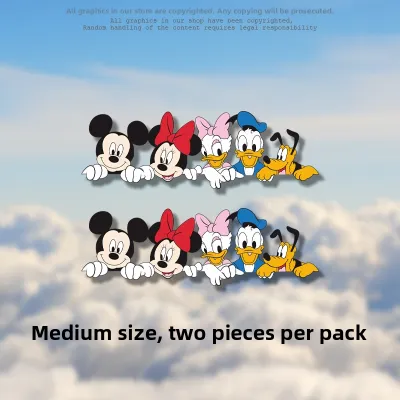
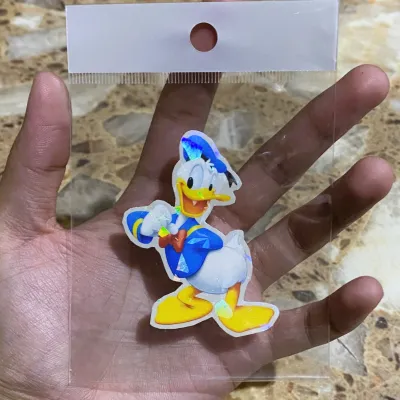
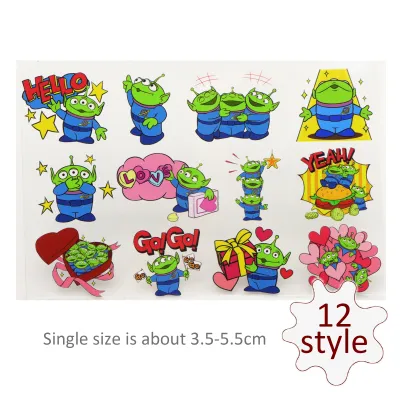

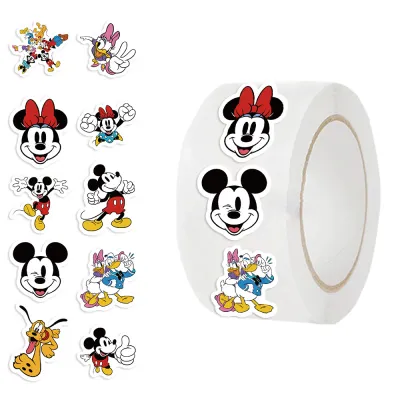
Prices are valid at publication and may change. Please refer to the product page for the latest price.
How to Match Donald Duck Sticker Formats to Your Layouts
Every bullet journal layout serves a distinct purpose, and matching the scale of your stickers to your available writing space is the first step in successful planning. Daily spreads, which focus on rapid logging and task lists, require small, unobtrusive stickers that do not crowd your handwriting. In contrast, weekly and monthly spreads offer larger blocks of negative space, making them ideal for decorative accents and thematic headers featuring Donald Duck’s expressive poses.
Paper compatibility is another critical factor to consider when planning your layouts. Standard bullet journal paper ranges from thin 80 GSM sheets to thick 160 GSM bamboo or wood-pulp pages. Thinner papers are highly sensitive to heavy adhesives; applying thick, rigid vinyl stickers to a 100 GSM page can cause the paper to warp, sag, or pull when the journal is closed. For lighter paper weights, thin paper-based stickers or semi-translucent washi materials are much more suitable because they lay flat and add minimal bulk.
Adhesive chemistry also plays a major role in preventing page damage, especially in humid environments. High humidity can soften water-soluble glues, causing sticker edges to lift or slide. Pressure-sensitive acrylic adhesives, commonly found on high-quality stationery, offer a more stable bond that resists moisture without degrading. When working with delicate or uncoated paper, choosing low-tack adhesives allows you to adjust placement without tearing the underlying page fibers.
To maintain a functional journal, you must establish a clear balance between decorative elements and tracking tools. Donald Duck’s bold color scheme and dynamic expressions can quickly clutter a page if used excessively. A helpful design rule is to designate one primary focal point per spread—such as a large die-cut sticker in the corner—and use smaller, muted icon stickers to support your actual tracking grids and lists.
Using Die-Cut and Sticker Sheets for Functional Spreads
Die-cut stickers are individually cut to the exact shape of the design, making them highly versatile for standalone design elements. Because they feature a thick backing paper, you can easily move them around your journal page to test different layouts before peeling off the adhesive backing. This makes them excellent for establishing visual anchors, such as marking the start of a new month, highlighting a major life milestone, or serving as the central icon for a mood tracker.

Sticker sheets, on the other hand, contain multiple kiss-cut designs on a single flat backing. These are incredibly efficient for repetitive, daily tracking tasks because they offer a cohesive set of smaller icons. You can use sheets featuring Donald Duck’s various facial expressions to track daily moods, or use small themed icons—like his classic sailor hat or anchor motifs—to mark recurring chores, water intake, or fitness goals.
When integrating sticker sheets into your bullet journal, it is important to check how the sticker dimensions align with standard dot grids. Most bullet journals utilize a 5 mm dot grid pattern. Choosing sticker sheets with icons that fit neatly within a 5 mm or 10 mm square ensures your layouts remain clean and aligned, preventing the stickers from overlapping your hand-drawn grid lines.
To prevent your journal from becoming unevenly thick, or “alligator-mouthing,” place heavier die-cut stickers strategically. Avoid clustering thick stickers near the center binding or in the exact same spot across consecutive pages. Instead, distribute them evenly across the outer margins of your spreads, which allows the journal to close flat and provides a smoother writing surface on subsequent pages.
Elevating Aesthetics with Washi and Holographic Finishes
Washi stickers, made from traditional Japanese paper fibers, offer a unique semi-translucent quality that blends beautifully with journal pages. Because they are exceptionally thin, you can layer multiple washi stickers over watercolor washes, colored pencil backgrounds, or hand-drawn ink grids without creating bulk. Tearing the edges of a Donald Duck washi sticker instead of cutting it with scissors creates a soft, textured border that integrates naturally into creative, collage-style spreads.
Holographic finishes introduce a metallic, light-reflecting element to your journal pages, shifting colors as you turn the book. Because these stickers are highly reflective, they naturally draw the eye and should be used strategically. They are highly effective for highlighting headers, marking special events like birthdays or holidays, or celebrating the completion of a challenging long-term habit tracker.
Before committing a high-impact sticker to a permanent layout, it is wise to verify its durability and repositionability on a test page. Apply a small sample or a corner of the sticker to an inconspicuous area, such as the very back page of your journal. Press it down firmly, leave it for twenty-four hours to allow the adhesive to bond, and then gently peel it back to observe how the paper fibers react and whether the adhesive holds up to local humidity.
When combining different textures, always apply your matte, paper-based elements first. Lay down your washi borders, background papers, and ink lines before placing holographic or vinyl stickers on top. This layering technique ensures that the reflective elements remain on the topmost layer, catching the light cleanly and maintaining a clear visual hierarchy on the page.
Building Your Shortlist: Sourcing and Verifying Authenticity
When sourcing Donald Duck stickers, verifying authenticity is key to ensuring you receive archival-safe, high-quality stationery. Genuine Disney licensed products will feature clear copyright marks, such as “© Disney,” on the packaging or the sticker backing sheets. Authorized stationery brands use acid-free papers and stable adhesives that will not yellow, bleed through, or degrade your journal pages over time, which is a common issue with cheap, unlicensed counterfeits.
Evaluating seller reputations on local online marketplaces requires a careful look at user-submitted photos and reviews. Pay close attention to feedback regarding print clarity, color accuracy, and cutting precision. Poorly manufactured stickers often suffer from offset cutting lines, which can cause the designs to tear when you attempt to peel them from the sheet, or faded colors that do not match Donald’s signature vibrant blue and yellow.
Setting a realistic budget helps you balance quality and quantity. In the local market, authentic licensed sticker sheets typically range from ₱80 to ₱250 per sheet, while specialty washi rolls or larger multi-packs can cost between ₱150 and ₱400. While budget-friendly, generic packs are widely available, investing in high-quality sheets ensures the adhesives can withstand tropical humidity without lifting from the page.
To get the best value, compare the utility of multi-packs versus individual specialty sheets. A large pack of fifty random die-cut stickers may seem economical, but if only a few designs fit your journal’s aesthetic, it may be more practical to purchase a single, well-designed sheet of functional icons. Focus on sourcing versatile designs that you can use across multiple monthly themes and layout styles.
Frequently Asked Questions (FAQ)
Can I reposition Donald Duck washi stickers without tearing my journal pages?
Washi paper is naturally manufactured with a low-tack adhesive, which is specifically designed to allow for easy peeling and repositioning. On high-quality, coated journal papers of 120 GSM to 160 GSM, you can generally lift and adjust washi stickers multiple times without damaging the page. The smooth surface coating on these heavier papers prevents the adhesive from grabbing too tightly to the underlying fibers.
However, if your journal uses thin, uncoated, or recycled paper under 100 GSM, the paper fibers are much looser and more fragile. In these conditions, even a low-tack washi adhesive can bind to the surface fibers, causing the paper to tear or peel when lifted. To prevent damage, always perform a quick patch test on a blank back page of your journal before attempting to reposition stickers on your active layouts.
How do I prevent holographic stickers from looking cluttered in a minimalist spread?
Integrating high-shine holographic Donald Duck stickers into a minimalist layout requires strict restraint and deliberate placement. To maintain a clean aesthetic, use holographic stickers exclusively as singular focal points rather than repetitive borders or patterns. Placing a single reflective sticker next to your main weekly header immediately draws attention to the title without overwhelming the rest of the page.
Additionally, surround the holographic element with plenty of negative space—empty grid areas—to let the reflective finish stand out naturally. Balance the metallic shine by pairing it with simple, matte elements, such as clean black ink lines, fine-liner handwriting, and neutral background tones. This contrast keeps your layout looking intentional, organized, and highly functional.

Community discussion
Share your experience or ask a question. Comments are reviewed before publication.