
Choosing the right A4 bond paper (1 ream) depends on your specific printing needs, printer type, and budget. Premium brands like Double A offer superior smoothness and brightness that prevent jams in high-speed machines, making them ideal for client-facing documents. Mid-tier options like PaperOne balance reliability and cost for daily office and school tasks. Local or generic brands offer the lowest upfront cost, perfect for internal drafts, but require you to manage potential trade-offs like paper dust and minor feeding issues.
In the Philippines, where high humidity can cause paper to curl and jam, selecting the correct brand and paper weight is crucial to keeping your printer running smoothly. By matching the paper’s specifications to your daily printing volume, you can avoid wasting ink and sheets.
Key Specifications to Check Before Comparing Brands
Before comparing brands, you must understand the technical specifications listed on a 1-ream package. The most prominent metric is GSM, or grams per square meter, which measures the weight and thickness of the paper. Common weights include 70 GSM and 80 GSM. Higher GSM values indicate thicker, more opaque paper that resists ink bleed-through, making it suitable for double-sided printing.
Products mentioned in this guide
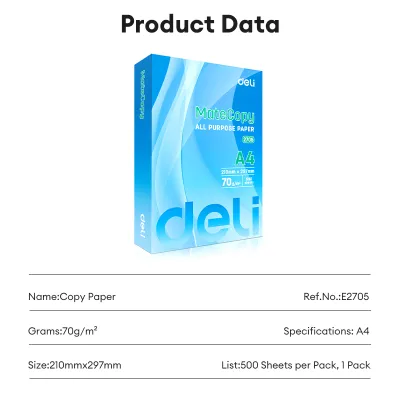
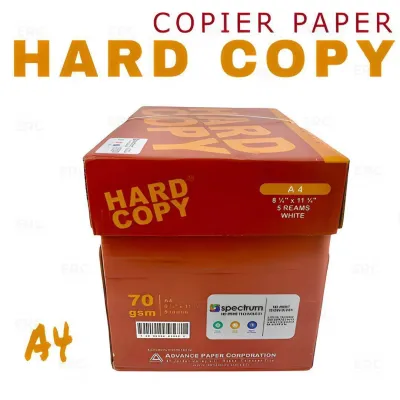
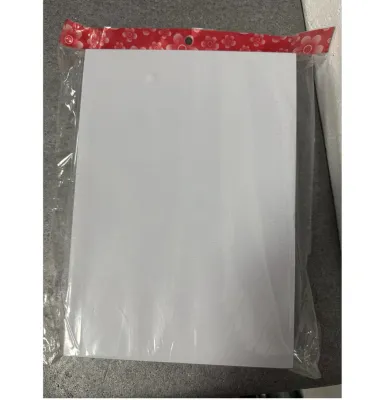
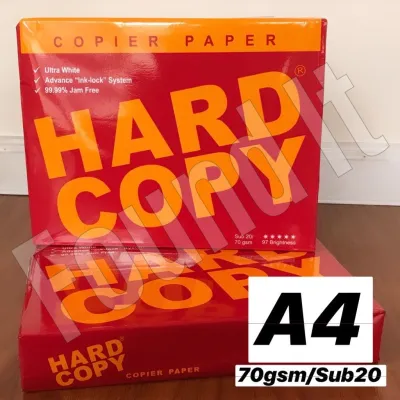
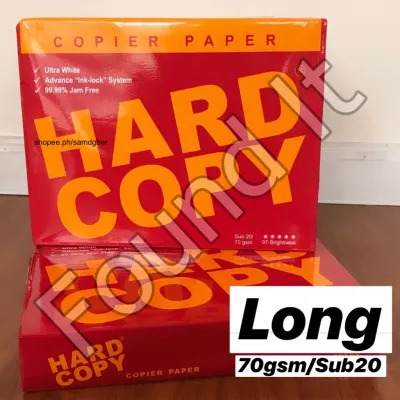
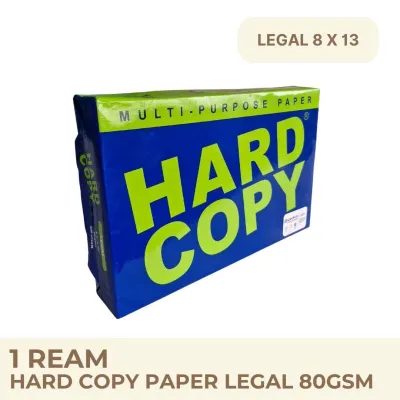
Prices are valid at publication and may change. Please refer to the product page for the latest price.
Brightness is another critical specification, usually represented as a percentage. Higher brightness levels, often ranging from 90% to over 100% on premium brands, provide sharper contrast between the ink and the paper. This makes text easier to read and gives documents a highly professional appearance.
Moisture content and cutting precision are less visible but equally vital factors. Paper manufactured with precise rotary cutting has clean, straight edges that prevent sheets from sticking together. Properly controlled moisture levels during manufacturing ensure the paper remains flat, reducing the risk of curling when exposed to the heat of laser printers or the high humidity of tropical environments.
Double A: Evaluating the Premium Option
Double A is widely recognized as a premium choice in the paper market, known for its exceptional smoothness and high brightness. This brand is particularly beneficial for high-stakes environments, such as corporate offices preparing client proposals, legal documents, or official reports. The ultra-smooth surface reduces friction inside the printer, which minimizes wear on internal components and virtually eliminates paper jams.

When purchasing a 1-ream pack of Double A, it is important to verify the exact GSM, as the brand offers both 70 GSM and 80 GSM variants. Because of its popularity, buyers should also check for official packaging markers and security seals to ensure they are getting authentic paper rather than repackaged generic stock. Authentic Double A paper features a distinct, high-quality wrapper designed to lock out moisture.
While the upfront cost of Double A is higher than that of mid-tier or local brands, it can lead to long-term savings. Consistent paper performance means fewer misprints, less wasted ink, and reduced printer maintenance. If your daily operations rely on high-speed, high-volume printing, investing in premium paper helps maintain a continuous, trouble-free workflow.
PaperOne: Assessing the Mid-Tier Balance
PaperOne serves as a reliable mid-tier option, offering a practical compromise between premium performance and budget-friendly pricing. This brand is highly suited for standard office environments, school reports, and everyday administrative tasks where professional presentation is required but ultra-premium smoothness is not strictly necessary. It provides a dependable surface that handles both text and simple graphics well.
When selecting PaperOne, pay close attention to the specific product line, such as PaperOne Copier, PaperOne All Purpose, or PaperOne Presentation. These variants are optimized for different tasks; for instance, the Presentation line features higher brightness and thickness, while the Copier line is designed for high-speed, high-volume copying. Checking the label ensures you select the variant that matches your specific printer technology.
In terms of printer compatibility, PaperOne performs consistently across both laser printers and standard inkjet setups. It features specialized surface treatments designed to enhance ink retention and speed up drying times. This makes it an excellent choice for offices that use a mix of different printer models and need a single, versatile paper type for their daily operations.
Local and Generic Brands: Weighing the Budget Trade-Offs
Local and generic bond paper brands offer the most economical entry point for buying a 1-ream pack. These budget-friendly options are ideal for low-stakes applications, such as printing internal drafts, single-sided text documents, student scratchpads, or temporary records. When presentation quality is secondary to cost control, these brands provide a highly practical solution.
However, choosing budget paper requires you to accept certain quality trade-offs that you must inspect upon opening the ream. Lower-tier papers often produce more paper dust, which can accumulate inside your printer over time. You may also observe slightly uneven edges from less precise cutting processes, or immediate curling when the paper is exposed to air, especially in humid conditions.
To determine if local brands are truly cost-effective, you must calculate the true cost per page. If a cheaper ream leads to frequent paper jams, misfeeds, or wasted ink from smudged prints, the initial savings can quickly disappear. For low-volume, single-sided printing on basic inkjet or low-speed laser printers, these budget options remain a highly viable and economical choice.
Brand Comparison Matrix and Decision Framework
To help you choose the right 1-ream pack of A4 bond paper, the following matrix compares the three brand categories based on relative price, ideal use cases, and key observable characteristics.
| Brand Category | Relative Price Tier | Ideal Use Case | Key Observable Traits |
|---|---|---|---|
| Double A | Premium (₱₱₱) | Client proposals, double-sided printing, high-speed copying | Ultra-smooth texture, high brightness, minimal dust, rigid structure |
| PaperOne | Mid-Tier (₱₱) | Everyday office documents, school reports, mixed printer environments | Good brightness, reliable feeding, versatile surface treatment |
| Local / Generic | Budget (₱) | Internal drafts, single-sided text, student scratchpads | Variable smoothness, potential paper dust, softer paper structure |
Use this conditional decision framework to finalize your purchase:
- Choose Double A if you require flawless double-sided printing, run high-speed laser printers, or need to present highly professional documents to clients where texture and contrast matter.
- Choose PaperOne if you need a versatile, reliable paper for daily office or academic use that performs well across different printer types without the premium price tag.
- Choose Local Brands if your printing is limited to single-sided internal drafts, basic text documents, or temporary worksheets where minor feeding issues or lower brightness will not affect your goals.
When your 1-ream pack arrives from an online marketplace or physical store, perform a quick physical inspection. Check that the outer wrapper is completely sealed and free of tears, as damaged packaging exposes the paper to ambient moisture. Fan the edges of the ream to check for excessive paper dust or sheets that stick together, ensuring smooth feeding from the very first page.
Frequently Asked Questions (FAQ)
Does the brand of A4 bond paper really affect printer lifespan?
Yes, the quality of the paper brand you choose can directly impact the lifespan and performance of your printer. Lower-tier or generic papers often release a higher volume of paper dust during the printing process. This fine dust accumulates on the printer’s pickup rollers, optical sensors, and gears, leading to frequent paper slips, misfeeds, and sensor errors over time. Additionally, poorly cut paper with uneven edges can cause physical wear on the feeding mechanism. If you frequently use budget paper, make it a habit to regularly clean the paper path and rollers with a dry, lint-free cloth to prevent dust buildup and prolong your printer’s operational life.
How should I store an opened ream of A4 bond paper to prevent jamming?
Proper storage is essential for maintaining paper integrity, especially in tropical climates with high relative humidity. Paper is naturally hygroscopic, meaning it absorbs moisture from the surrounding air, which causes the fibers to expand and the sheets to curl or stick together. To prevent this, always keep the unused portion of an opened ream inside its original moisture-proof wrapper, folding the edges down tightly. Alternatively, store the paper in a sealed, airtight plastic container or a dedicated storage drawer. Keep the paper stored flat rather than upright, and position it away from direct sunlight, air conditioning vents, or damp concrete walls to ensure smooth feeding.
Is 70 GSM or 80 GSM better for everyday home printing?
For everyday home printing, the choice between 70 GSM and 80 GSM depends on your typical document types and printer setup. A 70 GSM paper is lighter and thinner, making it a highly cost-effective option for printing standard text documents, single-sided school worksheets, and quick drafts. However, because it is thinner, it has lower opacity and is more prone to ink bleed-through. If you frequently print double-sided documents, use inkjet printers with heavy ink coverage, or require a sturdier feel for official forms, 80 GSM paper is the better choice. The extra thickness provides better feed reliability in most home printers and ensures a cleaner, more professional presentation.

Community discussion
Share your experience or ask a question. Comments are reviewed before publication.