
Quick Answer: The Best Starting Point for New BINI Collectors
Starting a collection of BINI photocards is an exciting way to celebrate your journey as a Bloom, but the sheer volume of releases can feel overwhelming. The most practical and budget-friendly starting point for any new collector is to focus on standard album inclusions from major milestone eras, such as the Talaarawan EP or the Feel Good album. These cards are widely circulated, highly accessible, and far more affordable than limited-edition pre-order benefits or event exclusives.
Collecting is a deeply personal experience, meaning the value of a card is ultimately shaped by your own preferences. Most collectors prioritize their “bias” (their favorite member among Jhoanna, Aiah, Colet, Maloi, Gwen, Stacey, Mikha, and Sheena) or choose cards based on specific visual concepts that they find appealing. By establishing a solid foundation with standard album cards first, you can build a beautiful collection without overextending your budget, gradually expanding into rarer categories as you gain experience in the trading community.
Understanding BINI Photocard Types and Release Eras
Navigating the world of idol merchandise requires understanding the different types of photocards available. BINI’s releases span several distinct eras, each marked by unique concepts, styling, and distribution methods that directly affect how easy or difficult a card is to acquire.
Products mentioned in this guide
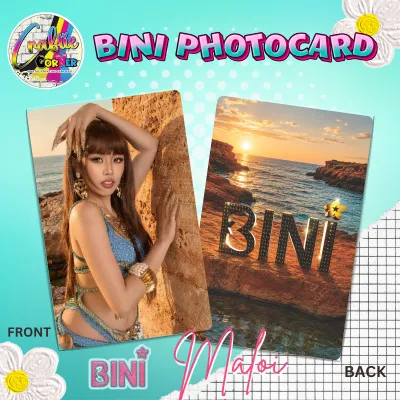
![[FANMADE] Bini Photocard Set Coachella PC Set Concert Freebie Signals](https://img.lazcdn.com/g/p/2d726486583585863bb78be31710d059.png_400x400q80.png_.webp)

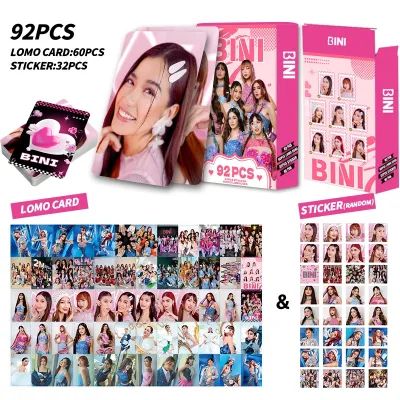
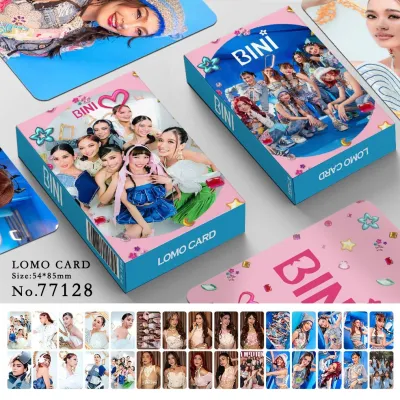
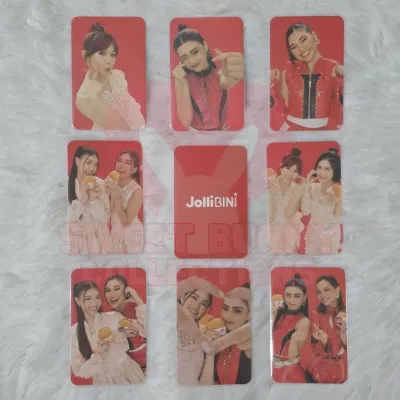
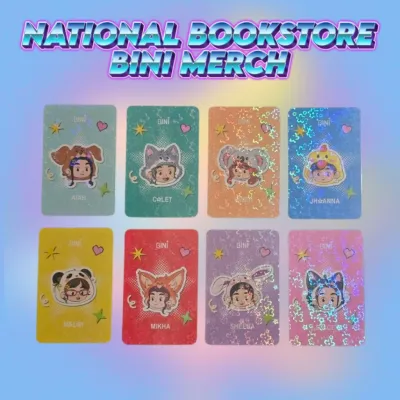
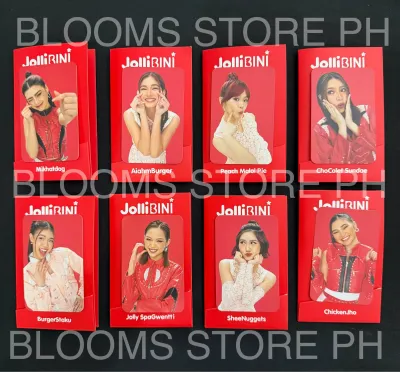
Prices are valid at publication and may change. Please refer to the product page for the latest price.

Album Inclusions and Standard Versions
Standard album photocards are the most accessible entry point for new collectors because they are packaged directly inside the group’s physical releases. When you purchase a retail copy of an album like Born to Win, Feel Good, or the breakthrough Talaarawan EP, you receive a set selection of random photocards. These cards are mass-produced to match the volume of album sales, keeping their supply relatively high and their market price stable.
Physical albums often release in multiple formats, such as standard box sets, limited editions, or compact digipacks. Each format typically features a distinct photocard pool with different concept photos. For instance, a digipack might contain casual, close-up selfie cards, while a standard box set might include high-concept studio portraits. Because these cards remain in circulation as long as the albums are in print, they generally trade within a highly accessible price band, typically ranging from ₱150 to ₱350 on secondary markets.
Pre-Order Benefits (POBs) and Event Exclusives
Unlike standard album inclusions, Pre-Order Benefits (POBs) and event exclusives are printed in strictly limited quantities. POBs are promotional photocards distributed by specific music stores or local distributors as an incentive for purchasing albums during the initial pre-order window. Once this window closes and the album officially launches, these specific cards are never printed again, driving up their scarcity.
Event exclusives include cards distributed during fan sign events, concert merchandise bundles (such as those from the Biniverse tour), or inclusions from limited-run merchandise like the annual Season’s Greetings box sets. Because these items require attending an event or purchasing premium merchandise packages, their secondary market prices can escalate quickly, often ranging from ₱1,000 to ₱3,000 or more depending on demand. New collectors should view these rare cards as long-term goals rather than immediate necessities to prevent early budget burnout.
How to Prioritize Your First BINI Photocard Purchases
Building a collection requires a strategic approach to avoid financial strain and collector fatigue. By setting clear goals and understanding what to look for, you can curate a collection that brings you joy while staying within your financial limits.
Bias vs. OT8 Collection
One of the first decisions you must make is whether to collect your “bias” or attempt an “OT8” collection, which features all eight members of BINI. Focusing on a single member is highly targeted and cost-effective, as you only need to track down a fraction of the total cards released. This approach allows you to dedicate your budget to acquiring rarer cards of your favorite member over time.
An OT8 collection, while visually striking in a binder, is a massive undertaking that requires eight times the financial investment and storage space. Finding complete sets of cards also demands significant trading effort and negotiation within the community. For beginners, starting with a single bias—or a “bias line” of two or three favorite members—is a highly recommended way to ease into the hobby without feeling overwhelmed.
Iconic Eras and Concepts
Prioritizing cards from culturally significant eras adds deep sentimental value to your collection. The pastel, bright, and refreshing aesthetics of the Talaarawan era, which features iconic tracks like “Pantropiko” and “Salamin, Salamin,” are widely recognized and highly celebrated within the fandom. Cards from this era capture a historic moment in the group’s rise to prominence.
Alternatively, you might prefer the retro-pop styling of the Feel Good era or the elegant, fierce concepts of Born to Win. Choosing cards from the specific era that first introduced you to BINI makes your collection a personal timeline of your journey as a fan, ensuring that every card in your binder holds genuine meaning.
Evaluating Condition
Because photocards are printed on paperboard, they are fragile and susceptible to wear. When purchasing cards from other collectors on the secondary market, it is essential to evaluate their physical condition. Always request close-up video proofs of the card under direct, angled light to inspect for common issues:
- Factory Defects: Minor vertical or horizontal lines caused by printing rollers during production.
- Edge Whitening: Tiny chips along the edges where the protective laminate has worn away, exposing the white paper core.
- Surface Scratches: Fine hairline scratches on the glossy finish, often caused by sliding cards against rough surfaces.
- Bent Corners: Softened or creased corners resulting from improper handling or tight packaging.
Minor factory defects are generally accepted by the community, but significant edge whitening, deep scratches, or bent corners drastically reduce both the aesthetic appeal and the trade value of the card.
Budgeting and Pacing
The excitement of starting a new collection can easily lead to impulsive spending. To maintain a healthy relationship with the hobby, establish a strict monthly budget—such as ₱500 to ₱1,500—and stick to it. Avoid buying cards during the peak hype immediately following a new album release, as prices are often artificially inflated by initial demand. Waiting a few weeks or months allows the market to stabilize, making it much easier to find cards at fair, reasonable prices.
Where to Buy and How to Spot Fake BINI Photocards
As the popularity of BINI continues to grow, navigating the secondary market requires caution. Knowing where to source your cards and how to verify their authenticity is critical to protecting your investment.
Official and Authorized Channels
The safest way to acquire authentic photocards is to purchase official albums and merchandise directly from authorized local music distributors, official pop-up events, or the group’s official agency storefronts. Buying retail products guarantees that your money directly supports the artists and ensures that every inclusion you unbox is 100% genuine.
Navigating the Secondary Market
Most photocard trading and selling occurs on social media platforms and local online marketplaces using dedicated community hashtags. When buying from independent sellers, always perform due diligence to avoid scams:
- Check Transaction Proofs: Look for the seller's dedicated feedback tag or pinned posts containing screenshots of successful past transactions.
- Request Timestamps: Ask the seller to provide a video of the card next to a handwritten note containing their username and the current date.
- Use Secure Payments: Opt for payment methods that offer transaction tracking and clear digital receipts.
Authenticity Checklist
With the rise of high-quality, fan-made replicas (often referred to as “lomo cards”), it is crucial to know how to verify a card’s authenticity. Keep these physical characteristics in mind:
- Printing Resolution: Official cards are printed using professional offset lithography. Under close inspection, images are sharp and clear. Replicas often exhibit slight blurriness, pixelation, or a visible dot-matrix pattern.
- Card Backs and Logos: Compare the alignment, color saturation, and font weight of the logos on the back of the card with a verified authentic reference. Fakes often feature off-center printing or incorrect color hues.
- Paper Thickness and Stiffness: Official photocards are printed on sturdy, high-gsm paperboard that resists minor bending. Replicas are often noticeably thinner, flimsy, or excessively thick.
- Textures and Edges: Authentic cards feature clean, die-cut rounded corners with smooth edges. Replicas may have rough edges, uneven corners, or tiny paper tabs left behind from manual cutting.
Red Flags
Be highly skeptical of listings offering rare, high-value POBs at prices that seem too good to be true. If a seller refuses to provide video proofs under direct light, hesitates to show a customized timestamp, or pressures you into making a hasty payment, cancel the transaction immediately.
How to Protect and Store Your BINI Photocard Collection
Photocards are delicate stationery items that require proper preservation to maintain their pristine condition. Implementing a professional storage system protects your collection from physical wear and environmental damage.
Inner Sleeves
Standard BINI photocards measure approximately 54mm x 86mm, which is the standard size for most modern trading cards. The first line of defense against scratches, skin oils, and dirt is an inner sleeve.
When choosing sleeves, always select products explicitly labeled as acid-free and PVC-free (typically made of polypropylene or oriented polypropylene). Avoid cheap, unbranded plastic sleeves that contain polyvinyl chloride (PVC). Over time, PVC degrades and releases plasticizers that chemically bond with the photocard’s ink, causing the card to stick to the plastic and permanently ruining the printed image. For a snug fit, use “perfect-fit” sleeves (around 56mm x 87mm), or opt for “penny sleeves” (around 57mm x 89mm) for a slightly looser fit.
Outer Protection and Display
For comprehensive protection, consider double-sleeving your cards. Insert the card into a perfect-fit sleeve top-first, then slide it into a slightly larger penny sleeve bottom-first. This seals the card from all sides, preventing dust from entering.
For storage, use archival-quality, D-ring binders paired with multi-pocket pages (such as 9-pocket or 4-pocket configurations) made of heavy-duty polypropylene. Ensure the binder pages are also free of acid and PVC. If you prefer to display your favorite cards on a desk or carry them in a bag, slide the sleeved card into a rigid plastic toploader (typically 3″ x 4″) to prevent bending and corner impact.
Environmental Controls
The tropical climate of the Philippines presents specific challenges for paper collectibles. High relative humidity, which often exceeds 80% during the rainy season, can cause paper fibers to absorb moisture, leading to card warping, curling, or mold growth.
To mitigate these risks, store your binders in a cool, dry room away from damp walls. Place several food-grade silica gel packets inside your storage boxes or binder pockets to actively absorb excess moisture. Additionally, keep your collection entirely out of direct sunlight. Ultraviolet (UV) rays degrade paper pigments rapidly, causing vibrant colors to fade into dull, washed-out tones over time. Use UV-resistant display frames if you choose to showcase your cards on open shelves.
Frequently Asked Questions (FAQ)
How do I know if a BINI photocard is rare?
Rarity is primarily determined by a card’s origin and market availability. Standard album inclusions are common because they are mass-produced alongside physical album reprints. In contrast, Pre-Order Benefits (POBs), fan sign exclusives, and concert-merchandise cards have single, limited print runs, making them far scarcer. Community demand also drives rarity; cards featuring a highly popular member or showcasing a fan-favorite concept can become difficult to find simply because collectors prefer to keep them rather than trade them.
Can I collect digital BINI photocards instead of physical ones?
Yes, you can collect digital alternatives, such as official digital wallpapers, digital album inclusions, or fan-made graphics. These digital options are excellent for customizing your devices and sharing your support on social media without spending money. However, within the active Bloom community, physical photocard collecting remains the primary standard. Physical cards allow you to participate in local trading events, organize physical binders, display cards creatively in keychains, and experience the tactile joy of unboxing and collecting.

Community discussion
Share your experience or ask a question. Comments are reviewed before publication.