
Selecting the right DIY flower materials for school art assignments requires matching your supplies to the specific design, durability expectations, and safety guidelines of the project. Rather than buying a generic craft box, students and parents should focus on four core categories: paper bases, adhesives, structural fasteners, and shaping tools. Before purchasing, always cross-reference the teacher’s project rubric to ensure the materials meet the required dimensions and school safety standards. In tropical climates, high humidity can affect how paper holds its shape and how quickly adhesives dry, making material selection even more critical for a successful classroom presentation.
How to Choose Paper and Base Materials for DIY Flowers
The foundation of any paper flower project is the base material. The choice of paper dictates how realistic, durable, and structurally sound the finished flower will be.
Crepe paper is highly favored for realistic botanical projects due to its unique crinkled texture and elasticity. Heavyweight crepe paper (typically 180 grams per square meter or gsm) offers excellent stretchability, allowing students to cup, curl, and sculpt realistic petals that hold their shape. Lightweight crepe paper (around 60 to 90 gsm) is more delicate, making it ideal for smaller, layered flowers like carnations or cherry blossoms. When purchasing crepe paper, check the stretch percentage; a higher stretch percentage allows for more dramatic shaping without tearing.
Products mentioned in this guide
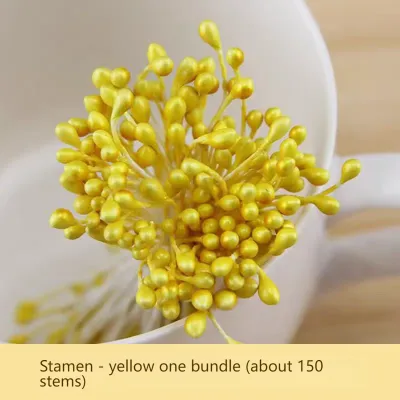
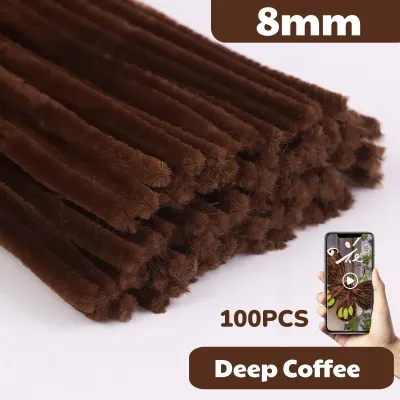
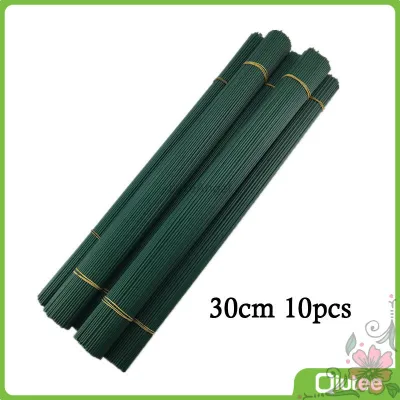
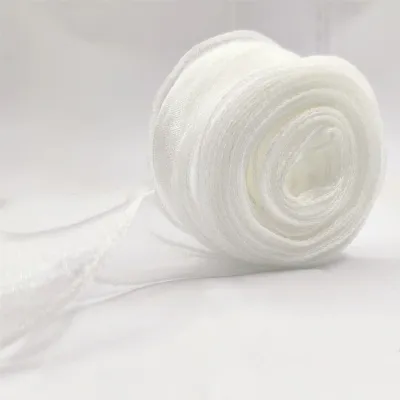
Prices are valid at publication and may change. Please refer to the product page for the latest price.
Cardstock, ranging from 160 gsm to 220 gsm, is the preferred choice for structural, geometric, or large-scale flower designs. It provides the rigidity needed for broad leaves, sturdy backing plates, and sharp, clean folds. Unlike crepe paper, cardstock does not stretch, so shaping relies on scoring, folding, and curling techniques.
Foam sheets, specifically thin ethylene-vinyl acetate (EVA) foam (1mm to 2mm), offer a highly durable, water-resistant alternative. When warmed slightly by hand, foam sheets can be stretched and molded into organic shapes. This material is particularly useful for projects that must survive a humid commute or outdoor display.
Tissue paper is an ultra-lightweight option (usually 14 gsm to 20 gsm) perfect for fluffy, high-volume designs like pom-pom marigolds or delicate filler flowers. While highly affordable and easy to fold, tissue paper has zero water resistance and tears easily when wet, requiring careful handling.
Before finalizing your paper selection, verify physical properties like colorfastness and weight. In humid environments, low-quality dyed papers can bleed color onto hands, clothing, or adjacent petals. Look for “bleed-resistant” or “colorfast” labels on the packaging. Additionally, ensure the paper is labeled “non-toxic” and “acid-free,” which is often a mandatory requirement for school environments and ensures the project will not yellow or degrade over time.
Selecting Safe Adhesives and Fasteners for School Projects
Securing paper petals and stems requires adhesives and fasteners that balance strong bonding capabilities with classroom safety standards.

Liquid white glue, or polyvinyl acetate (PVA) glue, is a classroom staple because it is non-toxic, water-soluble, and easy to clean. It creates a strong, flexible bond once fully cured. However, because PVA glue has a high water content, it can cause thin papers like tissue or fine crepe to warp, wrinkle, or bleed if applied too heavily. It also has a slow drying speed, which can be challenging during limited class periods.
Glue sticks offer a low-moisture, fast-drying alternative that prevents paper warping. They are excellent for flat cardstock layers or lightweight tissue paper assembly. The trade-off is bond strength; glue sticks are generally insufficient for heavy-weight papers, high-tension folds, or structural joints, which may unravel over time.
Double-sided tape provides an instant, dry bond with zero risk of warping. It is highly efficient for securing paper petals to stems or assembling multi-layered cardstock flowers quickly. For school projects, look for high-tack double-sided tape to ensure the components remain securely bonded even in warm, humid classroom conditions.
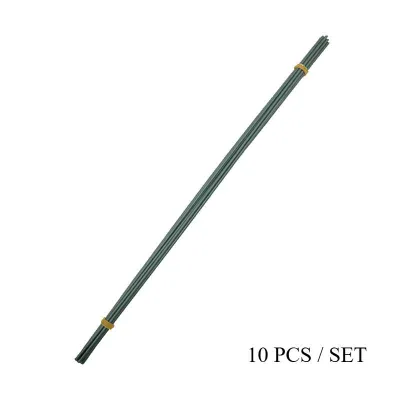
Structural supports like floral wire and floral tape are essential for creating standing flowers. Floral wire is available in various thicknesses, known as gauges; lower numbers indicate thicker wire. A 22-gauge to 24-gauge wire is stiff enough to support heavy paper flower heads without bending, while a 26-gauge to 28-gauge wire is highly flexible and suitable for delicate stems or leaf attachments. When using wire, select paper-wrapped or cloth-wrapped varieties, which allow adhesives to grip the surface much better than bare metal. Always check wire ends for sharp edges and bend them inward to prevent accidental scratches. Floral tape is a wax-coated paper tape that becomes self-sealing when stretched slightly; wrapping it tightly around the wire stem secures the flower components and provides a clean, green finish.
While hot glue guns offer an instant, heavy-duty bond, high-heat models pose a significant burn risk and are frequently restricted in school environments. If the project requires a rapid-setting adhesive, opt for low-temperature glue guns under adult supervision, or substitute them with fast-drying, room-temperature craft glues or heavy-duty double-sided tape.
Essential Shaping and Coloring Tools for Flower Crafting
Having the right tools allows students to cut, shape, and color their DIY flowers precisely without damaging the delicate materials.
For cutting, safety scissors with rounded tips are essential for younger students, while older students may use precision craft knives for intricate petal details. Ensure all cutting tools feature ergonomic, soft-grip handles to reduce hand fatigue during repetitive cutting tasks.
Shaping tools help transform flat paper into three-dimensional petals. Bone folders and embossing styluses are invaluable for scoring clean fold lines in cardstock and curling the edges of crepe paper. If specialized shaping tools are unavailable, simple household items like wooden dowels, thick markers, or even the edge of a plastic ruler can be used to curl paper fibers smoothly.
Coloring mediums add realistic depth, gradients, and shading to paper flowers. Watercolors are suitable for heavy cardstock but will quickly oversaturate and tear thin tissue or crepe paper. Acrylic paints offer vibrant, opaque coverage but can make paper stiff and brittle if applied too thickly. For crepe and tissue paper, chalk pastels or colored pencils are highly recommended. Chalk pastels can be scraped into a fine powder and applied dry using a cotton swab or makeup sponge, creating soft, realistic color transitions without introducing moisture that could ruin the paper’s texture.
When preparing tools for school, safety and transport must be prioritized. Ensure all utility knives and scissors have protective sheaths or locking mechanisms. A dedicated, hard-sided pencil case or utility box keeps sharp points contained during the school commute, preventing accidental punctures inside student backpacks.
Building Your DIY Flower Material Kit by Project Complexity
To avoid over-purchasing or running out of supplies mid-project, it is helpful to organize your shopping list based on the complexity of the art assignment.
A “Basic Kit” is ideal for simple, quick-assembly projects, such as folded tissue paper marigolds or flat cardstock designs. This kit focuses on low-cost, highly accessible materials that are easy for younger students to handle safely.
An “Advanced Kit” is tailored for complex, multi-layered botanical models, such as realistic crepe paper roses or heavy cardstock peonies. This kit includes specialized structural supports, multiple adhesive types, and coloring mediums to achieve professional-looking results.
The following comparison table outlines the recommended materials and quantities for each complexity level:
| Material Category | Basic Kit Quantity | Advanced Kit Quantity | Primary Project Suitability |
|---|---|---|---|
| Tissue Paper | 5 to 10 sheets | 2 to 3 sheets (for accents) | Fluffy pom-poms, quick layered flowers |
| Crepe Paper | None | 2 to 3 rolls (heavyweight) | Realistic, sculpted petals and buds |
| Cardstock (160+ gsm) | 3 to 5 sheets | 5 to 10 sheets | Sturdy structural backing, leaves, flat designs |
| Adhesives | 2 glue sticks | 1 liquid craft glue, 1 roll double-sided tape | General assembly, instant petal bonding |
| Structural Supports | 10 pipe cleaners | 10 to 15 floral wires (22 to 24 gauge), 1 roll floral tape | Lightweight stems, heavy-headed standing flowers |
| Coloring Mediums | None | 1 set chalk pastels or colored pencils | Adding realistic gradients and depth |
Before purchasing your materials, use this pre-purchase checklist to ensure your kit aligns with the school’s requirements:
- [ ] Review the teacher's project rubric for specific size, height, and material restrictions.
- [ ] Confirm if hot glue guns or utility knives are permitted in the classroom.
- [ ] Check that all selected adhesives and coloring tools carry non-toxic safety certifications.
- [ ] Verify that the paper weight (gsm) matches the structural needs of the flower design.
- [ ] Ensure you have a secure, hard-sided container to transport delicate finished flowers to school safely.
Smart Shopping Strategies for School Art Supplies
Sourcing school art supplies efficiently helps manage budgets and ensures you have high-quality materials ready before the project deadline.
For highly consumable items like base paper, liquid adhesives, and floral tape, bulk-buying is an excellent strategy to reduce per-unit costs. Coordinating with classmates to purchase multi-packs of crepe paper or a bulk box of floral wire allows everyone to share the expenses while securing a wide variety of colors. Basic kits can often be assembled for around ₱100 to ₱250, while advanced kits may range from ₱300 to ₱600 depending on the specialty papers selected.
When sourcing materials, compare local stationery stores with online marketplaces. Local high-street stationery shops are ideal for last-minute purchases and allow you to physically inspect the paper weight, texture, and color accuracy before buying. Online marketplaces often offer a wider variety of specialized materials and convenient pre-made bundles, but you must factor in shipping times. Order at least one to two weeks in advance to avoid delays during peak back-to-school seasons.
Before finalizing your purchase, verify return policies and inspect the packaging for any signs of damage. Check liquid glues, markers, and paints to ensure they are not dried out, separated, or expired. Inspect paper rolls and sheets for water damage, creasing, or fading caused by prolonged exposure to store lighting, ensuring your materials are in pristine condition for crafting.
Frequently Asked Questions (FAQ)
Can I use regular printer paper instead of specialty craft paper?
Standard printer paper (typically 70 gsm to 80 gsm) lacks the elasticity of crepe paper and the structural rigidity of heavy cardstock. While it can be used for simple origami or flat folded flowers, it tends to look stiff and flat when used for organic floral designs. To improve the appearance of printer paper, you can score the surface with an embossing stylus to add texture, or lightly mist and crinkle the paper to mimic natural petal veins. However, for assignments that require realistic botanical modeling, specialty craft papers are highly recommended.
How should I store leftover crepe paper and adhesives for future projects?
In tropical climates with high humidity, proper storage is essential to maintain the integrity of your craft supplies. Keep leftover crepe paper in airtight plastic zip bags with a small silica gel packet to absorb moisture, which prevents the paper from losing its stretch or bleeding its dyes. Store liquid glues upright in a cool, dark cupboard, ensuring the nozzle is completely cleared of dried residue and tightly capped to prevent the adhesive from curing inside the bottle. Keep coloring mediums away from direct sunlight to prevent fading.
What are the safest alternatives to floral wire for younger students?
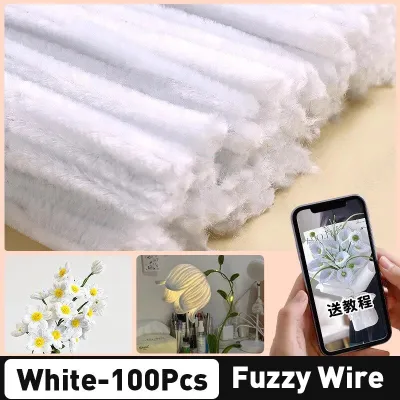
For younger students or classrooms where sharp metal wires are restricted, pipe cleaners (chenille stems) are the safest and most versatile alternative. They bend easily without tools, do not have sharp exposed ends, and feature soft fibers that grip paper adhesives well. For longer, sturdier stems, flexible plastic or paper drinking straws work excellently. Tightly rolling a sheet of green construction paper into a thin, glued tube also creates a surprisingly rigid stem capable of supporting medium-weight paper flower heads.

Community discussion
Share your experience or ask a question. Comments are reviewed before publication.