
Starting a journal is an exciting way to document your thoughts, track your goals, and express your creativity. However, stepping into the world of stationery can feel overwhelming when browsing online marketplaces, where thousands of sticker packs are just a click away. To build a beautiful layout without feeling overwhelmed, a journaling beginner should start with highly versatile, forgiving, and functional stickers—specifically matte paper die-cuts, simple functional labels, and cohesive themed sticker books. These options prevent decision fatigue, work with standard pens, and blend seamlessly into any layout style.
Choosing the right starter tools ensures that your new hobby remains a relaxing escape rather than a source of clutter. By focusing on a few essential types, you can master the basics of page composition and color coordination before investing in advanced, specialized materials.
What Makes a Sticker Beginner-Friendly?
When you are just starting out, the sheer variety of stationery can lead to quick impulse purchases and subsequent buyer’s remorse. The key to avoiding this is focusing on versatility. A versatile sticker is one that can be used across multiple themes, seasons, and layout styles. Instead of buying highly specific holiday designs that you might only use once a year, look for multi-use illustrations like botanical leaves, simple borders, or abstract shapes that fit any layout, season, or mood.
Products mentioned in this guide
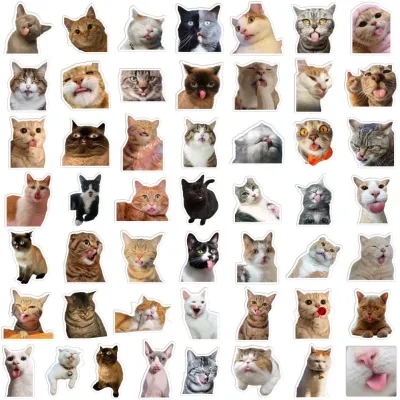
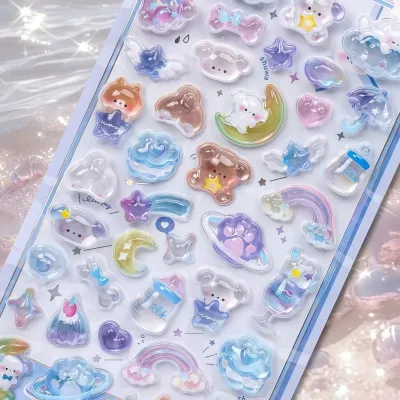
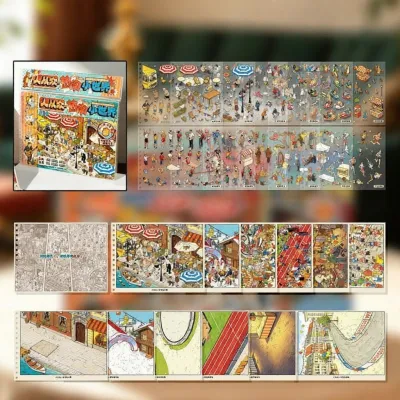
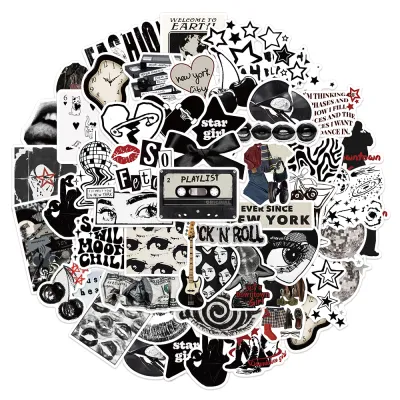
Prices are valid at publication and may change. Please refer to the product page for the latest price.
Your choice of color palette also plays a massive role in how easy a sticker is to use. In the humid climate of the Philippines, keeping a clean and visually appealing aesthetic is much easier when your colors do not clash. Muted pastels, earth tones, and neutrals—such as beige, olive, and warm grey—blend beautifully with standard black or blue gel pens. Highly saturated neon colors, on the other hand, can look harsh and demand very specific page themes that are difficult for beginners to coordinate.
A beginner-friendly sticker must also balance decorative elements with functional writing space. A common mistake is covering an entire page with giant illustrations, leaving no room to actually write your daily reflections. The best beginner stickers feature “write-on” areas or act as frames, allowing you to decorate your pages while preserving your essential journaling space.
Finally, look for stickers with forgiving adhesives and manageable sizes. Beginners often struggle with precise placement, so choosing stickers with a slightly low-tack adhesive (like paper-based or washi-style stickers) allows you to gently reposition them if placed crookedly. Keeping sticker sizes under 5 centimeters ensures they do not dominate your standard A5 or B6 journal pages, leaving plenty of room for your handwriting.
Core Sticker Types Every Beginner Should Try
Functional and Utility Stickers
Functional stickers are designed to organize your thoughts and structure your pages. This category includes calendar numbers, habit trackers, day-of-the-week labels, and blank writing tags. They act as the physical skeleton of your journal layout, providing an immediate framework for your entries.

For a beginner, these stickers are crucial because they help build a daily writing habit. Before you worry about making a page look like an art piece, functional stickers save you the time of drawing grids or writing out dates by hand. This efficiency is incredibly encouraging when you are trying to establish a consistent journaling routine.
However, functional stickers do have limitations. Because they are designed for utility, they are less useful for purely artistic, freeform, or scrapbook-style journaling. If your primary goal is creative collage or memory keeping, a page filled with habit trackers might feel a bit too rigid.
To get the most out of these tools, opt for neutral-colored functional stickers in shades of black, white, or kraft paper. This simple choice ensures that no matter what decorative theme or colorful ink you choose later, your functional elements will always match perfectly.
Matte Paper and Die-Cut Stickers
Matte paper stickers are made from uncoated paper, giving them a flat, non-reflective finish. Their primary advantage is ink compatibility. They accept almost any standard writing tool—including gel pens, ballpoints, and water-based brush pens—without smudging or requiring long drying times.
These stickers are often sold in a “die-cut” format, meaning each individual sticker is cut completely through both the sticker paper and the backing sheet. This format makes them incredibly easy to handle, sort, and peel. Unlike kiss-cut sheets, where you might accidentally tear a delicate design while peeling it off a crowded page, individual die-cuts are highly manageable for clumsy hands.
For maximum versatility, look for timeless themes like botanical illustrations (ferns, eucalyptus, wildflowers), vintage ephemera (old stamps, ticket stubs), or simple geometric shapes. These designs are highly adaptable, whether you are writing about a rainy afternoon in Manila or planning your weekly budget.
Keep in mind that standard matte paper stickers are not water-resistant. If you spill your morning coffee or expose your journal to high tropical humidity, these stickers can warp or tear. They are also difficult to reposition once pressed down firmly, as the delicate paper fibers may rip if pulled.
Clear and Transparent PET Stickers
Polyethylene terephthalate (PET) is a clear, durable plastic material. When used for stickers, it creates a seamless, “printed-on-the-page” look because the transparent border completely disappears against your journal paper. This transparency allows underlying grids, dot patterns, or washi tape designs to show through beautifully.
Clear stickers are perfect for layering. You can place a transparent floral branch directly over a strip of grid washi tape or a hand-written paragraph without blocking the text underneath. They also make excellent subtle borders or page accents that add visual depth without creating a bulky, uneven writing surface.
However, PET stickers have strict pen compatibility constraints. Because the surface is non-porous plastic, standard water-based gel pens, fountain pens, and ballpoints will slide off or smear instantly. If you plan to write directly over clear stickers, you must use quick-dry permanent markers, oil-based ballpoints, or acrylic paint pens.
Additionally, clear PET stickers can be static-prone and notoriously difficult to peel from their backing sheets. A good trick for beginners is to use a pair of craft tweezers to catch the edge, or gently fold a corner of the sheet to separate the sticker from its plastic backing.
Cohesive Sticker Books and Themed Sheets
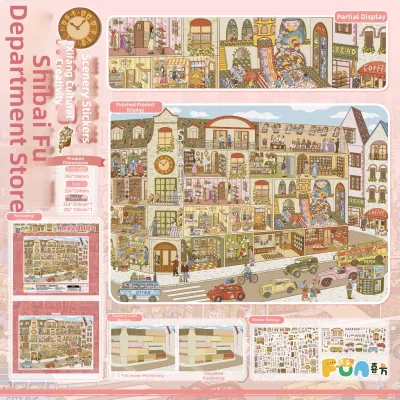
Sticker books and themed sheets are curated collections designed by a single artist or brand. They feature a unified color palette, consistent line art, and matching aesthetic motifs across multiple pages, ranging from cozy indoor scenes to minimalist geometric layouts.
The biggest benefit for beginners is that these collections eliminate “aesthetic mismatch.” Mixing a cute cartoon sticker with a vintage watercolor sticker can make a page look chaotic and messy. Pre-coordinated books eliminate this decision fatigue entirely, as every sticker in the book is guaranteed to look good next to any other sticker in the same collection.
While a high-quality sticker book might have a higher upfront cost (often ranging from ₱150 to ₱500), they are highly cost-effective per sticker compared to buying individual loose packs. They also keep your collection flat, organized, and protected from dust and moisture, which is a major plus in humid climates.
When buying your first book, select a broad, comforting theme that matches your daily life, such as “everyday life,” “cozy cafe,” or “nature.” Avoid highly specific seasonal themes (like winter snow) if they do not match your actual environment or lifestyle, as those stickers will likely sit unused.
Comparing Sticker Finishes and Materials
The stationery market offers a wide variety of finishes, each affecting how the sticker looks on the page and how it interacts with your favorite pens. Understanding these differences prevents ruined layouts and smeared ink.
| Finish Type | Visual Effect | General Pen Compatibility | Beginner Suitability |
|---|---|---|---|
| Matte | Non-reflective, natural paper texture | Highly compatible with almost all pens (gel, ballpoint, pencil) | Excellent; very easy to write on and blend. |
| Glossy | Shiny, vibrant colors, highly reflective | Poor; smears easily with gel/water-based pens; requires permanent markers | Moderate; best for purely decorative areas. |
| Holographic | Rainbow-reflective, metallic, eye-catching | Poor; non-porous surface requires specialized permanent pens | Low; best used sparingly as a single focal point. |
| Kraft/Textured | Earthy, organic, slightly rough texture | Good with opaque gel pens, brush pens, and heavy ink markers | High; adds instant vintage character to any page. |
Because ink formulas and sticker coatings vary widely by manufacturer, never assume compatibility. Always perform an inconspicuous test before using a new pen-and-sticker combination. Write a small dot or line on a scrap piece of the sticker backing or a tiny, unused corner of the sticker itself. Let it sit for 30 seconds, then gently swipe it with your finger to check for smudging before committing it to your journal page.
Smart Buying Checklist for Online Sticker Shops
Shopping for stationery online is incredibly convenient, but product photos can be highly misleading. Use this checklist to ensure what arrives in your parcel matches your expectations.
- Size and Scale Verification: Product listings often zoom in close to show intricate details, making a tiny 1-centimeter sticker look huge. Always scroll down to the product description to check the exact dimensions in centimeters or inches. Compare these measurements against your journal's grid or dot spacing (which is typically 5mm) to visualize how much space the sticker will actually occupy on your page.
- Adhesive and Backing Type: Pay attention to whether a sheet is "kiss-cut" or "die-cut." Kiss-cut sheets contain multiple stickers on a single backing page, cut only through the top layer. While often more economical and easier to store, some cheap kiss-cuts can be poorly aligned, cutting off the artwork. Die-cut stickers are cut individually, making them great for physical sorting but easier to lose if not kept in a pouch.
- Paper Compatibility: Consider the weight and thickness of both the sticker and your journal paper. Thick vinyl or heavy cardstock stickers can cause thin journal pages (like 52gsm Tomoe River paper or standard 80gsm notebook paper) to warp, buckle, or create a bumpy writing surface on the subsequent pages. For thin papers, stick to lightweight matte paper or PET stickers.
- Manufacturer Specifications: Don't guess a sticker's properties based on its appearance. Read the product details carefully for terms like "waterproof" (essential if you plan to decorate water bottles or outer journal covers), "archival-safe," or "acid-free." Acid-free stickers are crucial if you want your journal pages to last for years without yellowing or degrading the paper fibers over time.
Frequently Asked Questions (FAQ)
Can I use thick vinyl stickers on thin journal paper?
Yes, you can use them, but with caution. Standard self-adhesive vinyl stickers will not cause ink bleed-through because they do not contain liquid adhesives. However, their physical thickness and rigidity can create a bulky page profile. Overusing them can strain your journal’s binding and make it difficult to write smoothly on the back of the page. To minimize this, place thick stickers sparingly, ideally near the center or bottom of the page rather than piling them up at the outer edges.
Which pens work best on glossy or clear stickers?
Because glossy and clear PET surfaces are non-porous, standard water-based gel pens and fountain pens will bead up and smear. For these materials, your best options are oil-based ballpoint pens, fine-tip permanent markers, or acrylic paint pens. After writing, allow the ink to dry completely for at least a minute, and avoid touching the text immediately to prevent accidental smudges.
How should I store my sticker collection to prevent damage?
To preserve the adhesive and prevent the edges from curling, store your stickers in a cool, dry place away from direct sunlight. High humidity, which is common in tropical climates like the Philippines, can cause paper stickers to absorb moisture, curl, and lose their stickiness. Keep your sheets flat and organized using clear plastic sleeves, binder pages, or dedicated sticker storage books. Avoid storing loose stickers in cluttered drawers where they can easily bend or get dusty.

Community discussion
Share your experience or ask a question. Comments are reviewed before publication.