
Starting a journal is an exciting creative outlet, but browsing online marketplaces can quickly lead to overwhelm. With thousands of colorful rolls and sticker sheets available, it is easy to overspend on items that do not fit your writing style. To build a functional, beautiful starter kit without cluttering your desk, you only need a few highly versatile, multi-purpose supplies. By focusing on neutral patterns, durable materials, and smart color coordination, you can establish a consistent journaling practice that feels inspiring rather than stressful.
How to Choose Your First Washi Tapes
When selecting your first rolls of washi tape, prioritize solid colors and subtle, geometric patterns over highly themed or illustrated designs. Tapes featuring grids, dots, simple stripes, or solid pastel tones act as excellent visual anchors on a page. They can be used to underline headers, frame photos, or create clean divisions between different daily entries. Highly themed tapes, such as those featuring specific cartoon characters, are often difficult to pair with different page layouts and tend to sit unused once you move on to a new aesthetic.
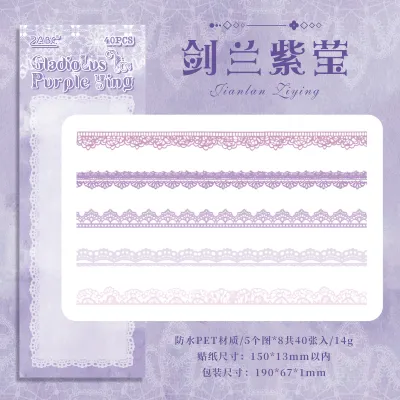
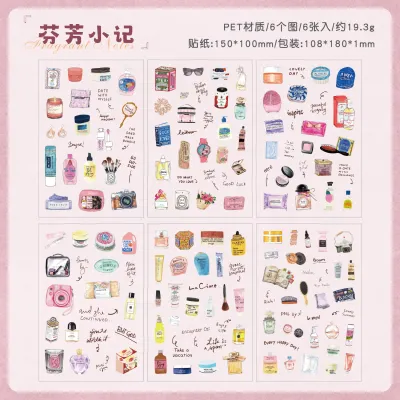
Understanding the material differences between standard paper washi and PET tape will also help you make informed purchasing decisions. Standard paper washi tape is made from traditional Japanese fibers or basic wood pulp, giving it a soft, matte texture. It is incredibly easy to tear by hand, highly repositionable, and blends seamlessly into the paper of your journal. In contrast, PET tape is made from a thin, transparent plastic material. While PET tape is highly durable and waterproof, it cannot be torn by hand and requires scissors for a clean cut. PET designs often feature vibrant, glossy illustrations with a plastic backing film that must be peeled off before application, creating a beautiful “printed-on” look once placed on the page.
Products mentioned in this guide
Prices are valid at publication and may change. Please refer to the product page for the latest price.
To help you plan your initial purchases, consider how different tape widths serve different layout functions in your daily spreads.
| Tape Width Category | Typical Width | Best Journaling Applications |
|---|---|---|
| Narrow | 3mm to 5mm | Creating borders, dividing daily sections, tracking habits, underlining text |
| Standard | 10mm to 15mm | Blocking out headers, framing photos, securing ephemera, color-coding |
| Wide | 20mm or wider | Creating background layers, decorating cover pages, tearing into organic shapes |
Before finalizing your purchase, always check product labels and manufacturer specifications for adhesive quality and residue-free removal claims. In warm, tropical climates like the Philippines, high humidity can cause lower-quality adhesives to degrade, turn sticky, or lose their grip entirely. Opting for reputable brands that specify low-tack, residue-free properties ensures that your tape will remain secure on the page without warping, lifting, or leaving a greasy residue over time.
Essential Sticker Types for a Starter Journaling Kit
A well-rounded starter kit should balance functional stickers with basic decorative elements to keep your layouts both organized and visually appealing. Functional stickers are the workhorses of any productive journal layout. Items like date labels, small checkboxes, habit trackers, and basic geometric shapes (such as circles, squares, and banners) allow you to structure a blank page in seconds. They save you the time and effort of drawing repetitive layouts by hand, making it much easier to maintain a daily writing routine.

For the decorative portion of your kit, focus on versatile, neutral-toned basics rather than hyper-specific themes. Simple illustrations of florals, botanical leaves, vintage ephemera, or minimalist line drawings are excellent choices because they harmonize with almost any color palette. These classic designs can be layered under text, used to accent the corners of your pages, or paired with different colored inks without clashing.
The material finish of your stickers also plays a significant role in how you interact with your journal pages. Matte paper stickers are highly recommended for beginners because their textured surface is easy to write over using standard gel pens, ballpoints, or brush pens. This allows you to write dates, captions, or short notes directly onto the sticker itself. Glossy or vinyl stickers, while offering vibrant colors and excellent water resistance, have a slick surface that causes water-based inks to smear or pool. These are best used purely as decorative accents where no writing is required.
Avoid the temptation to buy massive, hyper-specific themed sticker packs early on. While a 100-piece pack of space-themed or holiday-specific stickers might look appealing, you may find yourself using only a few sheets before your interests or layout styles change. Investing in smaller, diverse sheets of neutral designs ensures that every sticker in your collection has a high chance of being used.
Building a Budget-Friendly Starter Bundle
Assembling your first stationery collection does not require a massive financial investment if you shop with a clear plan. A highly effective strategy for maintaining visual cohesion is the “Rule of Three.” When selecting your initial tapes and stickers, choose three core color families that naturally complement one another, such as warm neutrals (beige, cream, brown), soft pastels (mint, lavender, blush), or rich earth tones (olive, terracotta, mustard). By limiting your palette to these three families, you ensure that every single item in your starter bundle can be mixed and matched on any page without looking chaotic.
To maximize your budget, prioritize multi-purpose items that serve both functional and decorative roles. A simple black-and-white grid washi tape, for example, can be torn to create a rustic background layer, used as a straight border to divide sections, or even serve as a temporary guide to help you write in straight lines on unruled paper. Similarly, a sheet of neutral circle stickers can function as bullet points for a to-do list, color-coding markers for a calendar, or simple decorative accents.
When allocating your budget, focus on the quality of basic, everyday items rather than flashy, limited-edition collaborations. While special editions are beautiful, they often carry a premium price tag and can make you feel too intimidated to actually use them on your pages. Investing in reliable, high-quality standard rolls ensures that you feel free to experiment, make mistakes, and enjoy the creative process without worrying about wasting expensive supplies.
Instead of buying full-sized rolls and massive sticker books right away, look for sample packs and mini-rolls from online stationery shops. Many local sellers offer washi tape samplers, where one to two meters of tape are wrapped around flat plastic cards. This is an incredibly cost-effective way to test dozens of different patterns, widths, and materials for a fraction of the price of full rolls, allowing you to discover what you truly enjoy using before committing to larger quantities.
Common Beginner Mistakes to Avoid When Shopping
One of the most common pitfalls for beginner journalers is purchasing large, inexpensive mega-sets of washi tape or stickers. These bulk boxes often look like an incredible bargain, but they frequently suffer from poor adhesive quality, repetitive designs, or color schemes that do not match your personal style. You often end up using only two or three rolls out of a twenty-roll set, leaving the rest to gather dust and clutter your workspace.
Another critical mistake is failing to consider how your new supplies will interact with your journal’s paper weight. Paper weight is measured in grams per square meter (GSM), and different weights handle adhesives and inks differently. If you are using a journal with thin paper, such as 52 GSM or 68 GSM, heavy stickers or high-tack tapes can easily warp, bleed through, or tear the page when you try to reposition them. Conversely, thicker paper, such as 120 GSM or 160 GSM, can handle heavy layering, watercolor washes, and strong adhesives without any risk of damage.
It is also wise to avoid hoarding expensive collaboration or limited-edition stationery before you have established a consistent journaling habit. When you own supplies that feel “too precious” to use, you may experience a form of creative paralysis, feeling that your handwriting or layouts must be absolutely perfect to justify using them. Keeping your starter kit simple and highly usable removes this psychological barrier, making it much easier to sit down and write every day.
Finally, always consider your physical storage space and organizational habits before accumulating bulk supplies. A cluttered, disorganized desk can quickly become a source of friction that discourages you from journaling altogether. Keeping your collection small enough to fit into a single pencil case or a small desktop organizer ensures that your supplies remain accessible, tidy, and inspiring.
How to Test and Organize Your New Supplies
Once your new tapes and stickers arrive, the best way to evaluate them is by creating a dedicated swatch card or a swatch page at the back of your journal. Apply a small strip of each washi tape and a sample of each sticker type onto the page, then write over them with your favorite gel pens, ballpoints, and brush pens. This simple test allows you to observe the opacity of the tapes, check how well the adhesives bond to your specific journal paper, and verify which pens dry quickly without smearing on the different material finishes.
Keeping your supplies organized does not require expensive, specialized storage systems. Simple, scalable solutions work best for beginners. You can use clear acrylic drawers to keep your sticker sheets visible and sorted by theme, simple binder rings to hold your washi tape rolls together, or flat plastic folders to keep your sticker sheets clean and unbent. Keeping your supplies visible ensures that you do not forget what you own, encouraging you to use them regularly.
Always take a moment to check any manufacturer instructions or product labels for optimal peeling and application techniques. This is particularly important for delicate materials like PET tapes, which often require you to peel the backing film at a specific angle to prevent creasing the plastic design, or intricate die-cut stickers that can tear if pulled too quickly from the sheet.
Lastly, establish a clear stopping condition during your swatch tests to protect your journal pages from long-term damage. If a tape leaves a sticky, greasy residue, lifts the paper fibers when gently repositioned, or begins to curl at the edges within a few hours, restrict its use to non-permanent layouts, such as decorating outgoing envelopes or temporary notes. If the adhesive is severely degraded or damages your paper, it is best to discard the roll entirely to ensure your journal remains a beautifully preserved keepsake for years to come.
Frequently Asked Questions (FAQ)
Can I use regular masking tape instead of washi tape for journaling?
While regular masking tape and washi tape may look similar, they use very different adhesive formulations. Standard utility masking tape is designed for temporary home improvement projects and features a stronger, more aggressive adhesive that carries a high risk of tearing delicate journal pages or leaving a sticky, yellowed residue over time as the adhesive degrades. Washi tape is specifically engineered for paper crafts and archival use, utilizing a low-tack adhesive that allows for clean, residue-free removal and repositioning without damaging your journal’s paper fibers.
Do I need a tape dispenser for washi tape?
You do not need a specialized tape dispenser to start journaling with standard paper washi tape. One of the unique aesthetic charms of paper washi is that it can be easily torn by hand, creating a soft, textured, and rustic edge that adds character to your layouts. However, if you prefer clean, straight edges, or if you are working with non-tearable materials like PET tape, fabric tape, or thick vinyl, using a pair of small scissors or a compact tape dispenser with a fine metal teeth edge is highly recommended.
How long do washi tapes and stickers last before expiring?
The lifespan of washi tapes and stickers depends heavily on how they are stored, especially in tropical climates with high humidity. Exposure to heat, moisture, and direct sunlight can cause the adhesive on your tapes and stickers to break down, making them either overly sticky and gooey or completely dry and useless. To maximize their usable lifespan, store your stationery supplies in a cool, dry, and dark environment, such as an airtight plastic container with a few silica gel packets to absorb excess moisture.

Community discussion
Share your experience or ask a question. Comments are reviewed before publication.