
Deciding whether to buy Ginflash alcohol markers as a beginner artist in the Philippines depends on your immediate learning goals, your budget, and your willingness to perform basic quality checks. For those starting out, these markers offer an accessible entry point into the world of alcohol-based illustration without the steep financial commitment of professional-grade brands. However, because budget markers can exhibit variations in ink flow, nib consistency, and color accuracy, they are best viewed as high-volume practice tools rather than archival instruments. By understanding how to evaluate their physical build and ink performance under local tropical conditions, you can make an informed decision that supports your creative growth without overstretching your budget.
Understanding the Appeal of Budget Alcohol Markers
For aspiring artists, the initial cost of art supplies can be a significant barrier to entry. Professional-grade alcohol markers often carry premium price tags that make beginners hesitant to experiment freely. This hesitation can hinder skill development, as mastering techniques like blending, shading, and layering requires consistent, high-volume practice. Budget-friendly options like Ginflash markers appeal directly to this need, allowing creators to make mistakes and fill sketchbooks without worrying about the cost of every stroke.
In the Philippine market, where students and hobbyists often seek maximum value for their allowance or personal budget, entry-level markers serve as a practical stepping stone. They allow you to learn the mechanics of alcohol ink—such as how it reacts with paper and how quickly it evaporates—before investing in refillable, professional systems. This low-stakes environment is crucial for building confidence, saving your hard-earned ₱ for other essential supplies, and developing muscle memory.
Products mentioned in this guide
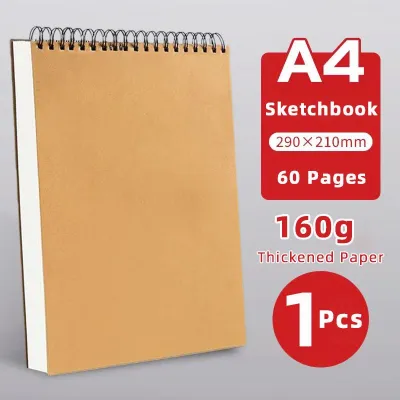
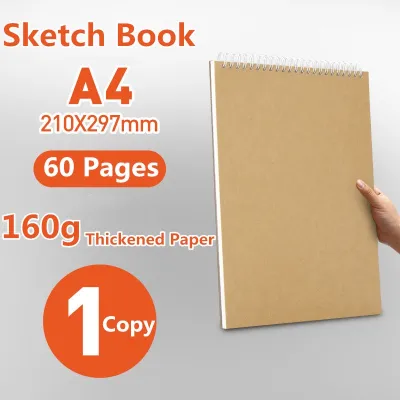
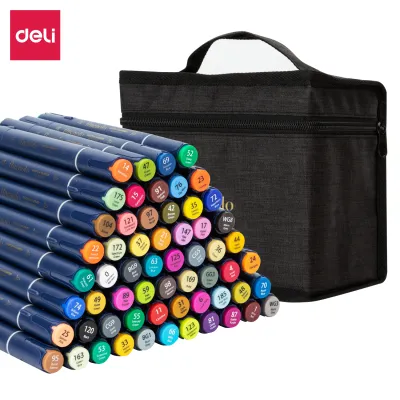
Prices are valid at publication and may change. Please refer to the product page for the latest price.
However, it is essential to distinguish between promotional marketing claims and verifiable product features. While budget brands may advertise professional-grade blending or perfect color matching, the reality of manufacturing at a lower price point means there will be trade-offs. Instead of expecting flawless consistency, beginners should focus on whether the markers provide functional dual tips, adequate ink saturation, and a usable color spectrum for basic rendering.
Key Performance Checks for Beginners
When you first receive a set of Ginflash markers, conducting a systematic physical inspection is the best way to ensure they are ready for use. Start by examining the dual tips, which typically feature a broad chisel nib on one end and a fine bullet or brush nib on the other. Check each nib for visible fraying, loose fibers, or excessive stiffness. A healthy nib should feel firm yet slightly yielding, allowing for clean lines without splitting or dumping excessive ink onto the page.

Next, test the ink flow on a sheet of dedicated marker paper or heavy cardstock. Alcohol ink is naturally fluid and prone to spreading, but a quality marker should deliver a controlled flow. Draw a series of quick strokes and observe if the ink feathers excessively at the edges or pools heavily at the end of a line. If the ink saturates the paper too rapidly, it can make detailed work difficult and lead to premature drying of the marker.
Another critical step is verifying color accuracy by creating your own swatch chart. The plastic caps on budget markers are rarely a perfect match for the actual ink formulation inside. By swatching every color on the specific paper you plan to use, you can observe the true dried hue, saturation level, and undertones. This simple exercise prevents unexpected color mismatches in the middle of an illustration and helps you organize your palette logically.
Blendability and Color Consistency Tests
The defining characteristic of any alcohol marker is its ability to blend seamlessly, creating smooth gradients and transitions. To test this with your set, select two closely related shades, such as a light and medium blue. Lay down a layer of the lighter shade, apply the darker shade where they meet, and then use the lighter marker to reactivate and soften the boundary. Observe how easily the pigments merge; a good formulation will blend with minimal effort, while lower-quality inks may leave harsh, unyielding lines.
Color consistency across different markers in the same set is also worth verifying. In budget collections, you may occasionally find that two different color codes produce nearly identical shades, or that a single marker exhibits slight color shifts as the solvent evaporates. Swatching similar tones side-by-side helps you identify any redundant colors or unexpected gaps in your color wheel, allowing you to plan your artwork around the strengths of your specific set.
Finally, evaluate how the ink behaves during large-area color blocking. Draw a solid square and observe the drying time and the presence of streaks. In tropical climates like the Philippines, high ambient humidity can slightly influence how quickly alcohol solvents evaporate from the paper. If the ink dries too quickly or unevenly, it can result in patchy, overlapping lines; a consistent ink flow will allow the wet edges to self-level, leaving a relatively flat, professional-looking wash.
Making the Purchase Decision: Is It the Right Fit for You?
Ultimately, deciding to purchase Ginflash alcohol markers comes down to matching their performance characteristics with your specific creative projects. If your primary goal is to practice daily sketching, color anime line art, fill in adult coloring books, or lay down base layers for mixed-media projects, these markers offer excellent utility. They provide a cost-effective way to explore color theory and marker rendering techniques without a heavy financial burden.
On the other hand, if you are taking on professional commissions, creating archival gallery pieces, or working on projects that require strict color-matching, you may want to reconsider. Budget alcohol inks are generally not rated for lightfastness, meaning they can fade over time when exposed to sunlight. Additionally, the lack of individual open-stock replacements means that when a favorite color runs dry, you may need to purchase a whole new set or look to other brands for single replacements.
A highly effective strategy for budget-conscious beginners in the Philippines is to build a hybrid starter kit. You can use an affordable set like Ginflash to cover a wide spectrum of background colors, large-area fills, and base layers. Then, you can selectively invest in a few high-quality, open-stock professional markers for your most critical blending shades, skin tones, or fine-detail work. This hybrid approach gives you the best of both worlds: a massive color palette for high-volume practice and premium tools where precision matters most.
Frequently Asked Questions (FAQ)
How can I prevent alcohol markers from bleeding through my paper?
Alcohol ink is highly penetrative by nature, making bleed-through common on standard printer paper or thin sketchbooks. To prevent this, always use specialized marker paper, heavy-weight mixed-media paper, or bristol board designed to handle alcohol solvents. If you are working in a standard sketchbook, place a protective backing sheet—such as a smooth plastic sheet or a few pieces of scrap cardstock—directly behind your working page to catch any excess ink. Additionally, try to control your coloring speed; lingering too long in one spot allows the ink to pool and saturate the paper fibers, increasing the likelihood of bleed-through.
What is the best way to store alcohol markers to prevent drying?
Proper storage is essential for maximizing the lifespan of dual-ended alcohol markers. Always store them horizontally rather than vertically; horizontal storage ensures that the ink remains evenly distributed between both the chisel and brush or bullet nibs. Make it a habit to press the caps firmly until you hear a distinct click, which confirms an airtight seal that prevents the volatile alcohol solvent from evaporating. Finally, store your marker case in a cool, dry place away from direct sunlight and heat sources, as high tropical temperatures can accelerate ink evaporation and degrade the plastic casing over time.

Community discussion
Share your experience or ask a question. Comments are reviewed before publication.