
When preparing a child for elementary school art classes, choosing the right coloring tools is a balance between physical usability, safety, and curriculum requirements. An 8-pack of oversized crayons, often labeled as “big” or jumbo, is a common starting point for early grades. While these thicker wax sticks offer excellent physical support for young hands developing fine motor skills, parents and teachers must evaluate whether an eight-color palette provides enough creative range for standard classroom assignments. Determining if a specific set like the SO Big Crayons 8-pack is suitable requires looking closely at its physical build, safety certifications, color variety, and how well its wax formula holds up under tropical classroom conditions.
Ultimately, an 8-pack of thick crayons is highly suitable for kindergarten and early elementary students who are still mastering their grip. However, as children progress to higher grade levels where art projects demand more detailed work and a wider color spectrum, this basic set will likely need to be supplemented or replaced. By understanding what to look for during a physical inspection and how to plan for classroom wear and tear, you can make an informed decision that supports your child’s creative development without stretching your school supply budget.
Core Requirements for Elementary School Art Crayons
Before purchasing any art supplies for a classroom, it is essential to establish baseline standards for safety, usability, and performance. School environments demand products that are not only effective but also completely safe for prolonged skin contact and accidental ingestion. Because young children frequently put fingers or art tools near their mouths, verifying safety credentials is the absolute first step in evaluating any crayon set.
Products mentioned in this guide
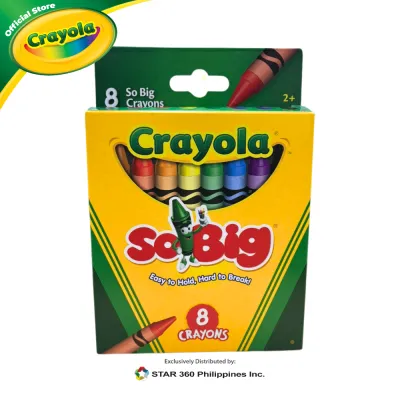
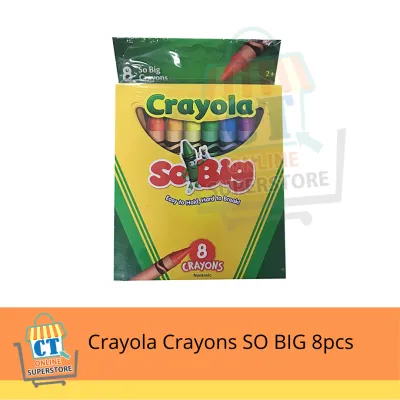
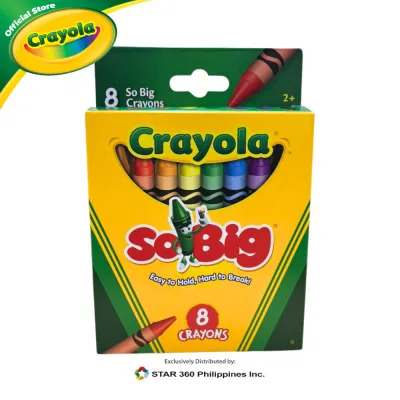
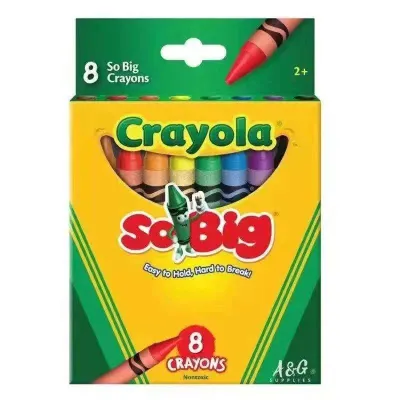
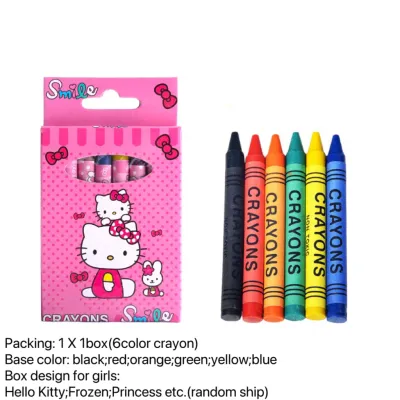
Prices are valid at publication and may change. Please refer to the product page for the latest price.
When examining crayon packaging, look for recognized non-toxic certification seals. In international markets, the Art and Creative Materials Institute (ACMI) “AP Non-Toxic” seal is the standard benchmark, indicating that the product has been toxicologically evaluated and contains no materials in sufficient quantities to be toxic or injurious to humans. Locally, you should also check for compliance with national standards, such as the Department of Trade and Industry (DTI) or Food and Drug Administration (FDA) registrations in the Philippines. Always verify the manufacturer’s age recommendations on the box; many thick crayons are specifically rated for children aged three and older due to physical size and safety profiles.
Ergonomics play a critical role in early childhood art education. Children in early elementary grades are transitioning from a palmar grasp (using the whole fist) to a mature tripod grasp (using the thumb, index, and middle fingers). Standard-sized crayons can easily snap under the uneven pressure applied by a developing grip, leading to frustration. Thicker barrels provide a larger surface area, allowing small hands to maintain a secure hold with less muscular strain. This ergonomic support prevents hand fatigue during long drawing sessions and helps build the muscle memory needed for writing.
Finally, the performance of the crayon on paper determines how enjoyable the art class will be for the student. A quality classroom crayon must offer smooth pigment transfer without requiring the child to press down excessively hard. It should work well on standard school mediums, including cheap newsprint, sketchpad paper, and construction paper. If the wax formula is too hard, the color payoff will be faint and scratchy; if it is too soft, it will leave heavy, uneven clumps of wax that smudge easily across the page.
Inspecting the SO Big Crayons 8-Pack for Classroom Readiness
To determine if the SO Big Crayons 8-pack is ready for the classroom, you should perform a physical inspection and a simple home trial before sending the box to school in your child’s backpack. This hands-on evaluation ensures the product matches the physical descriptions on the packaging and performs reliably under real-world conditions.

Begin by checking the physical dimensions of the crayons. A standard crayon typically measures about 8 millimeters in diameter, whereas “big” or jumbo formats generally range from 11 millimeters to over 14 millimeters. Measure the barrel thickness to confirm it feels substantial in your child’s hand. The extra thickness not only aids grip but also provides structural integrity, making the crayon much harder to snap in half when dropped or pressed firmly onto a desk. The length should also be proportional, providing enough wax to last through several weeks of regular art projects.
Next, conduct a simple swatch test on the specific paper types your child will use at school. Take a sheet of standard drawing paper or a page from a school sketchpad and draw a few solid blocks of color. Observe how smoothly the wax glides across the surface. You want to see consistent color coverage with minimal flaking or waxy debris left behind. Check the tip of the crayon after use; a well-formulated tip should wear down evenly rather than crumbling or flattening instantly. If the color appears vibrant and transfers with light to moderate pressure, the crayon passes the performance check.
Lastly, inspect the exterior packaging of the 8-pack. The box should be sturdy enough to survive being shoved into a crowded school bag daily. Look for secure closures and clear labeling that includes the manufacturer’s contact details, country of origin, and a complete list of ingredients or safety certifications. Avoid packages that lack clear branding or safety seals, as these are often indicators of low-quality, uncertified imports that may contain harmful impurities or poor-quality binders.
Assessing the 8-Color Range for Standard Art Assignments
An eight-pack of crayons represents the most basic color palette available. While a minimalist set keeps school bags light and reduces clutter, you must assess whether these eight shades can fulfill the requirements of a standard elementary art curriculum.
Typically, a standard 8-pack includes the three primary colors (red, yellow, and blue), the three secondary colors (orange, green, and violet), and two essential neutrals (black and brown). For early childhood education, this selection is generally sufficient. It covers the foundational colors of the rainbow and allows children to complete simple coloring book pages, draw basic landscapes, and identify primary and secondary color groups. Teachers in kindergarten and grade one often design their lesson plans specifically around this basic palette to keep activities structured and manageable.
However, as students enter grades two and three, art assignments become more complex. A limited 8-color set lacks critical shades needed for realistic drawings. For example, the absence of white makes it difficult to create highlights or soften other colors. The lack of pink, grey, or skin-tone variations can limit a child’s ability to draw diverse portraits or specific animals. If your child’s art curriculum involves detailed shading, landscape drawing, or portraiture, you will likely need to purchase supplementary single crayons or upgrade to a larger 16-pack or 24-pack to avoid creative limitations.
To make the most of an 8-pack, you can teach your child basic color-mixing and layering techniques. Although wax crayons do not blend as fluidly as oil pastels or colored pencils, students can achieve new shades by applying light, overlapping layers. For instance, coloring lightly with blue and then layering yellow on top can produce a customized shade of green. Teaching these workarounds not only expands the utility of a limited color set but also reinforces core color theory concepts in a practical, hands-on way.
Evaluating Durability and Planning for Classroom Consumption
Crayons in an elementary school classroom lead a rough life. They are dropped on hard floors, stepped on, pressed down with maximum force, and shared among classmates. Evaluating the durability of your crayon selection is key to avoiding mid-semester shopping trips.
Durability is largely determined by the wax composition and the thickness of the crayon’s barrel. Traditional crayons are made from paraffin wax mixed with color pigments. While paraffin is excellent for color transfer, it can be brittle if the crayon is too thin. The “big” format inherently solves much of this issue by distributing physical stress across a wider cross-section. When inspecting the crayons, try gently flexing one; it should feel rigid and solid. If the wax feels overly soft or greasy to the touch, it may break easily under pressure or melt in warm environments.
In the tropical climate of the Philippines, environmental factors play a significant role in crayon durability. Classrooms that rely on natural ventilation or ceiling fans can become very warm and humid, especially during the dry season. High temperatures can soften wax crayons, making them sticky, prone to smudging, and highly susceptible to bending or breaking. Keep this in mind when storing the crayons; they should always be kept in a cool, shaded part of the school bag or desk, away from direct sunlight or hot metal lockers.
To plan your budget and restocking schedule, track how quickly your child consumes the crayons. For a typical elementary art class held once or twice a week, a single 8-pack of thick crayons can easily last a full grading period or even a semester, provided they do not break. However, high-use colors like red, yellow, and blue will wear down much faster than black or brown. Instead of buying an entirely new pack when one color runs out, look for local stationery stores that sell individual replacement sticks, or budget approximately ₱100 to ₱300 per semester to cover replacements and supplementary drawing paper.
Building a Complete Supply List: Alternatives and Add-Ons
While a standard 8-pack of thick wax crayons is an excellent foundation, it may not suit every classroom scenario. Depending on your child’s school requirements and personal drawing style, you may want to consider alternative formulas or complementary tools to build a complete art kit.
For younger children who tend to color outside the lines—and off the paper—washable crayons are a highly recommended alternative. These formulas are designed to wash easily from skin, clothing, and painted walls with just warm water and a sponge, saving parents and teachers from difficult cleanups. Another popular option is the twistable crayon, which houses the wax core inside a clear plastic barrel. As the tip wears down, the child simply twists the bottom to advance more wax. This design completely eliminates the need for sharpening and protects the crayon from breaking, though the plastic casing makes them less eco-friendly than traditional paper-wrapped wax.
When deciding how to purchase your supplies, compare the value of buying individual 8-packs versus investing in larger sets or bulk packs. If you have multiple school-aged children or are purchasing supplies for an entire classroom, buying a bulk “classpack” of crayons is often much more cost-effective. These bulk boxes contain multiple sets of the basic colors, allowing you to easily replace individual worn-out crayons without buying whole new boxes. For a single student, starting with one reliable 8-pack of thick crayons and adding a separate drawing pad and a small pencil case is the most practical approach.
To build a flexible and complete school art kit, consider adding a few complementary items to your child’s supply list. A sturdy, zippered utility pouch will keep the crayons organized and prevent them from rolling around loose in a backpack. Pair the crayons with a high-quality drawing book featuring thick, acid-free paper (at least 100 gsm) to prevent tearing and ensure smooth color application. By combining a durable, ergonomic 8-pack of crayons with the right supporting materials, you set your child up for a successful, creative, and frustration-free school year.
Frequently Asked Questions (FAQ)
How to Safely Reuse Broken Crayon Pieces
Broken crayons do not need to be thrown away; they can easily be recycled into brand-new coloring tools. Under strict adult supervision, gather all the broken wax scraps, peel off any remaining paper wrappers, and chop the wax into small, uniform pieces. Place the pieces into silicone baking molds—such as fun shapes like stars, animals, or simple blocks. Melt the wax by placing the mold on a baking sheet in an oven preheated to a low temperature (around 110°C to 120°C) for about 10 to 15 minutes, or until the wax is completely liquefied. Once melted, carefully remove the mold from the oven and let it cool completely at room temperature. The result is a set of custom, multi-colored rainbow crayons that are easy for young children to grip and draw with.
If you need a quick, no-heat fix while in the classroom, you can temporarily salvage broken crayons using heavy-duty tape. Wrap a small piece of masking tape or painter’s tape tightly around the break point to hold the two halves together. While this does not restore the crayon’s original structural strength, it provides enough stability for a student to finish their current art project without having to discard the broken pieces immediately.
Do Thicker Crayons Improve Early Grip and Control?
Yes, thicker crayons are specifically engineered to match the physical development of young children. Toddlers and preschoolers naturally use a palmar grasp, holding objects with their entire fist because the small muscles in their fingers and wrists are still developing. Standard, thin crayons require a highly developed tripod grasp to control effectively without snapping. Giving a thin crayon to a young child often leads to hand fatigue, cramping, and frustration. Thicker barrels allow children to apply color using the larger muscle groups of their arms and shoulders, making the coloring experience much more comfortable and physically appropriate for their developmental stage.
As a child’s fine motor skills refine through preschool and kindergarten, they will naturally begin to transition to a tripod grasp. You can recognize when a child is ready to transition to standard-sized crayons when they start holding their thick crayons with their fingertips rather than their fist, and when their drawings begin to feature smaller, more precise details. This transition typically occurs around age six or seven, at which point switching to standard crayons or colored pencils will help them continue to develop their writing grip and precision control.

Community discussion
Share your experience or ask a question. Comments are reviewed before publication.