
Finding the right documents organizer storage system depends entirely on how you interact with your paperwork daily. There is no single setup that works for every document; instead, the ideal solution matches the volume of your papers, how often you need to retrieve them, and whether they must travel with you. Choosing incorrectly can lead to torn pages, misplaced receipts, or bulky folders that take up too much space on your desk or shelves.
To build an efficient filing system, you must understand the distinct strengths of expanding files, ring binders, and box files. Each format serves a specific stage in the lifecycle of your documents, from active daily use to long-term archival storage. By evaluating your specific needs and the environmental conditions of your workspace, you can select the right tools to keep your important papers safe, organized, and easily accessible.
Assessing Your Specific Document Storage Needs
Before purchasing any filing supplies, take a close look at the paperwork you handle. Different documents have unique physical characteristics and storage requirements. For instance, small thermal receipts, utility bills, and loose notes require a different containment strategy than thick, multi-page reports, legal contracts, or official certificates that cannot be folded or hole-punched.
Products mentioned in this guide
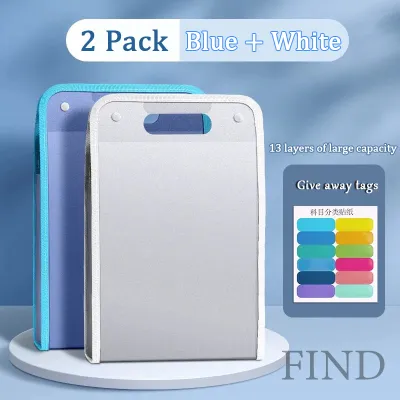
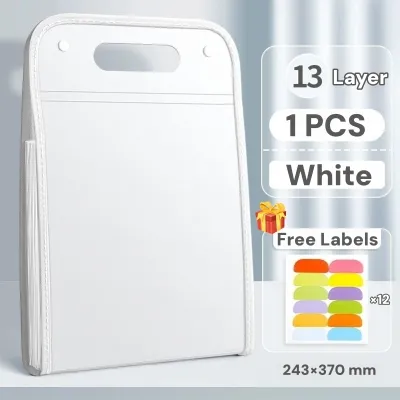
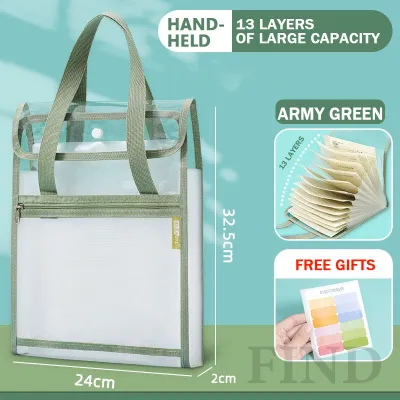

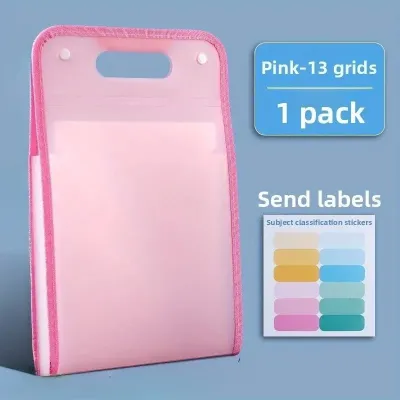
Prices are valid at publication and may change. Please refer to the product page for the latest price.
Access frequency is another critical factor in your decision. Ask yourself how often you will need to retrieve, read, or update the documents. Active files, such as ongoing school projects, client portfolios, or monthly budget trackers, require a system that allows for quick flipping and easy page insertion. Conversely, inactive files like tax returns from previous years, closed contracts, or medical histories only need to be stored securely and rarely accessed.
Physical space and environmental conditions also dictate your storage choices. In tropical climates with high humidity, paper is highly susceptible to moisture absorption, which can lead to mold, mildew, and paper warping. Furthermore, you must consider whether your files will remain stationary on a shelf or if they need to travel with you to school, client meetings, or a co-working space. Portability requires lightweight, secure closures, while stationary storage demands structural rigidity and dust protection.
Finally, pay close attention to paper sizes. While standard A4 is widely used, many regions rely heavily on Letter size (often called “short” paper) and Legal size (often referred to as “long” paper). Standardizing your storage to fit the largest paper size you regularly handle prevents document edges from bending, tearing, or hanging out of the protective covers.
Expanding Files: Best for Portable and Mixed Documents
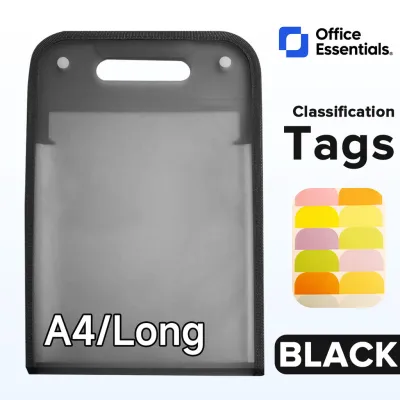
An expanding file is an accordion-style organizer featuring multiple internal pockets, usually labeled alphabetically, numerically, or by month. This format is highly effective for managing loose, unpunched papers of varying sizes. Because it does not require you to prep the paper with a hole punch, you can quickly drop in receipts, invoices, flyers, and handwritten notes as soon as you receive them.

Portability is the primary advantage of an expanding file. Most models are lightweight and feature a protective cover with a secure closure mechanism, such as an elastic band, a plastic snap button, or a wrap-around zipper. This makes them excellent for students carrying coursework across campus, freelancers traveling to client meetings, or homeowners keeping track of monthly household bills in one portable spot.
When shopping for an expanding file, check the material and construction quality. Polypropylene (plastic) options offer excellent water resistance and durability, protecting your papers from accidental spills and humid air. Pay attention to the pocket dividers; reinforced fabric or double-stitched plastic edges prevent the pockets from tearing when filled to capacity. Also, consider the closure: zippers offer the most secure seal against dust and moisture, while elastic bands are faster to open but can lose their elasticity over time in warm climates.
However, expanding files have clear structural limitations. They are not designed to hold massive, heavy stacks of paper, as overfilling causes the bottom to bulge and prevents the cover from closing properly. Additionally, because documents are tucked loosely into pockets, finding a specific page within a crowded section can require sifting through a stack of mixed-size papers, making them less suitable for highly structured, sequential reading.
Ring Binders: Best for Active and Frequently Updated Papers
Ring binders are the classic choice for documents that require frequent updates, reorganization, or sequential reading. Because pages are held in place by metal or plastic rings, you can easily flip through a binder like a book, making it perfect for study guides, training manuals, presentation decks, and active project files. You can add, remove, or rearrange pages at any point without disturbing the rest of the document.
To use a ring binder, documents must either be hole-punched or placed inside clear plastic sheet protectors. Using sheet protectors is highly recommended for important documents, as they shield the paper from fingerprints, dust, and humidity while eliminating the need to punch holes in official certificates or original contracts. Sheet protectors also prevent the punched holes on standard paper from tearing over time with frequent page-turning.
When selecting a ring binder, the ring mechanism is a crucial specification to verify. Standard O-ring binders are common, but the circular rings can cause pages to ride up and crease, and they hold less paper. D-ring binders, on the other hand, feature a straight edge on one side of the ring, allowing pages to lie completely flat and neat. This design increases storage capacity by up to 25 percent compared to an O-ring binder of the same spine width. Additionally, check the spine width, which typically ranges from 1 inch to 3 inches, to ensure it matches your project volume.
Despite their versatility, ring binders have a few drawbacks. The rigid ring mechanism adds significant bulk and weight, making them less convenient to carry in a backpack than a slim expanding file. The rings themselves can also become misaligned if the binder is dropped or overfilled, which can snag or tear your papers when you try to turn the pages.
Box Files: Best for Bulk Archiving and Long-Term Storage
Box files are deep, rigid storage boxes designed to sit upright on shelves, mimicking the appearance of thick books. They are built for high-volume, static document storage and bulk archiving. If you have thick stacks of completed invoices, tax records, legal archives, or historical documents that you rarely need to access but must preserve for compliance or reference, the box file is the ideal format.
Most box files feature a heavy-duty paperboard or plastic construction with a lid that clips securely shut, providing excellent protection against dust, light, and physical damage. Inside, they often include a metal lever-arch mechanism or a heavy-duty wire clip that clamps down on loose papers, keeping them flat and preventing them from slumping or curling over time. This design allows you to store hundreds of loose sheets without needing to punch holes or use individual folders.
When evaluating box files, look closely at the spine width and the locking mechanism. A standard box file typically has a spine width of 2 to 3 inches, allowing it to hold up to 500 sheets of standard paper. Ensure the external clasp or lid lock snaps shut firmly so the box does not accidentally pop open when pulled from a high shelf. A metal finger ring on the spine is also a highly useful feature, allowing you to easily slide the box off a crowded shelf.
The main limitation of box files is their lack of portability and flexibility. Once a box file is filled with hundreds of pages, it becomes incredibly heavy and awkward to transport. Furthermore, retrieving a single document from the middle of a clamped stack can be tedious, as you must release the internal clip and lift out the overlying papers. They also require dedicated, sturdy shelving space to stand upright.
Comparing Formats: Features and Decision Framework
To help you visualize the practical differences between these three storage options, the table below compares their key features based on capacity, portability, ease of updating, and space efficiency.
| Feature | Expanding File | Ring Binder | Box File |
|---|---|---|---|
| Average Capacity | 150 to 500 sheets (distributed) | 100 to 600 sheets (based on ring size) | 500 to 800 sheets |
| Portability | High (lightweight, secure closure) | Moderate (bulky, fits in large bags) | Low (heavy, designed for shelves) |
| Update Ease | High (drop-in pockets) | High (easy to rearrange pages) | Moderate (requires unclamping stacks) |
| Hole Punching | Not required | Required (or use sheet protectors) | Not required (uses internal clamp) |
| Best For | Receipts, bills, travel documents | Study notes, active projects, manuals | Tax archives, historical records |
To finalize your decision, apply these simple decision rules to your current paperwork situation:
- Choose expanding files if you need to organize loose, mixed-size papers, receipts, or monthly bills, and you need the flexibility to carry these documents between your home, office, or school.
- Choose ring binders if you are organizing active project files, study materials, or reference manuals that you need to read like a book, flip through frequently, and update with new pages regularly.
- Choose box files if you have large volumes of completed, static paperwork that needs to be archived securely on a shelf for long-term storage without the hassle of hole-punching.
Before making any purchase, always verify your shelf dimensions and the exact size of your papers. Ensure your shelves have enough vertical clearance to accommodate the height of a standard box file or a large D-ring binder. Additionally, check that the organizer you choose is wide enough to fully cover your documents, especially if you regularly handle long legal-sized papers.
Building a Complete Document Organizer Storage System
Rather than relying on just one format, the most organized homes and offices combine expanding files, ring binders, and box files into a single, cohesive document management workflow. This multi-stage system ensures that papers are handled efficiently from the moment they enter your space until they are permanently archived or shredded.
In a typical three-stage workflow, you can use an expanding file on your desk as a daily or weekly collection point. As mail, receipts, and utility bills arrive, sort them directly into the labeled pockets of the expanding file. This keeps your desk clutter-free while keeping active, unpaid, or unprocessed papers within arm’s reach.
Once a month or once a quarter, transfer papers that require active tracking or ongoing reference into dedicated ring binders. For example, you can move paid utility bills into a binder organized by month, or compile active project receipts into a binder with clear sheet protectors. This stage allows you to review your active files easily and keep them highly structured.
At the end of the year, perform a systematic purge. Move the finalized documents—such as completed tax files, closed contracts, and annual financial summaries—out of your active ring binders and clamp them securely into labeled box files. Store these box files on high shelves or in storage cabinets for long-term archiving.
To keep this system running smoothly, establish a clear labeling strategy. Use color-coded spine labels for your binders and box files so you can identify different categories (such as taxes, medical, or property) at a glance. Finally, schedule a brief annual maintenance session to check your stored files for any signs of moisture damage or insect activity, and safely shred any documents that have passed their legal or personal retention periods.
Frequently Asked Questions (FAQ)
Can I use an expanding file for long-term archiving?
While expanding files are excellent for short-term organization and transport, they are generally not recommended for long-term archival storage. Most standard expanding files are made of basic plastics or paperboard that may contain acids, which can cause paper to yellow, brittle, and degrade over several years. Additionally, because expanding files do not hold papers completely flat under uniform pressure, documents stored in them for long periods can curl, crease, or slide down, making them harder to read. For permanent archives, it is much better to use acid-free box files or place your documents inside archival-quality, acid-free plastic sheet protectors inside a sturdy binder.
How do I prevent ring binders from damaging hole-punched papers?
To prevent the rings of a binder from tearing through your paper’s punched holes, avoid overfilling the binder past its designated ring capacity. When a binder is packed too tightly, turning the pages puts immense stress on the holes, causing them to rip. You can also apply self-adhesive reinforcement rings to the punched holes of frequently accessed pages to strengthen the paper. For maximum protection, place your papers inside clear plastic sheet protectors instead of punching holes directly into the sheets. This not only prevents tearing but also shields the paper surface from dust, moisture, and ink transfer.

Community discussion
Share your experience or ask a question. Comments are reviewed before publication.