
Selecting the right folder file organizer is the first step toward an efficient, clutter-free workspace. The ideal choice depends entirely on whether your priority is daily mobility, high-volume stationary storage, or frequent page manipulation. Expanding folders excel at carrying loose, unpunched documents; box files are built for bulky archiving on shelves; and ring binders offer the best structure for regularly updated, hole-punched references.
In tropical climates where high humidity and sudden downpours are common, protecting physical documents from moisture, dust, and physical wear is a constant challenge. Paper can easily warp or degrade when exposed to damp air, making the structural integrity of your filing system highly critical. By matching your daily workflow with the specific physical traits of these three organizer types, you can keep your important paperwork secure, dry, and easily accessible.
Comparing Capacity, Portability, and Document Access
Evaluating a folder file organizer requires looking closely at how it handles capacity, portability, and document access. Document capacity is not just about how many sheets of paper a folder can hold, but how the thickness of those sheets affects the closure or binding mechanism. For instance, a filing system that is stuffed past its physical limits will bulge, putting stress on seams, rings, or elastic bands, which can eventually lead to structural failure.
Products mentioned in this guide
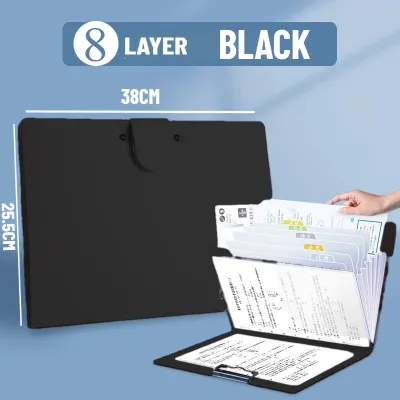
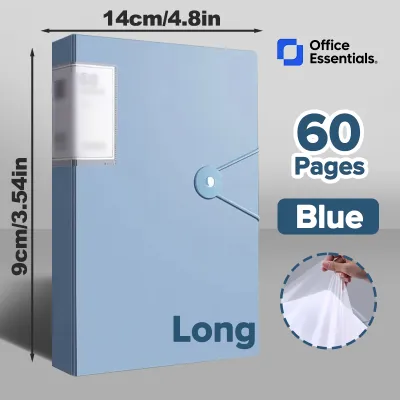
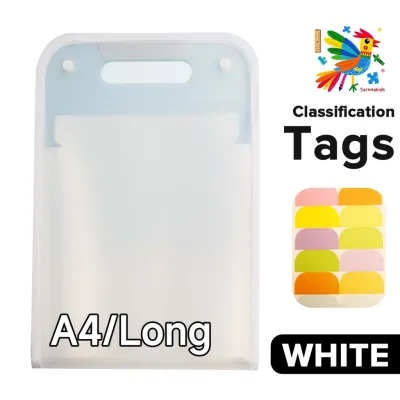
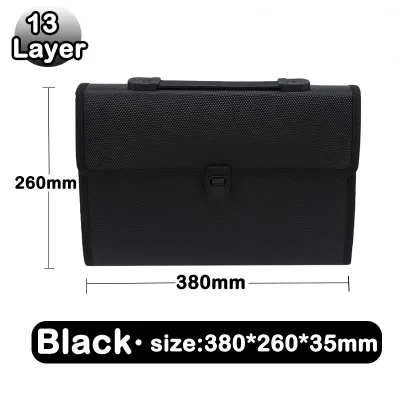
Prices are valid at publication and may change. Please refer to the product page for the latest price.
Portability is another major factor, especially for students and professionals who commute daily. A portable organizer must distribute weight evenly and maintain its structural rigidity when fully loaded so that papers do not bend or crease inside a backpack or tote bag. In transit, a flimsy cover offers little protection against external pressure, while a rigid exterior acts as a shield against physical damage and unexpected splashes of water.
Document access refers to how easily you can add, remove, or rearrange pages without tearing or damaging the original sheets. Some systems allow you to slide loose papers in and out in seconds, while others require a more deliberate process of opening rings or releasing internal clips. If your daily tasks require constant updates, a system with high accessibility will save time and prevent frustration.
Finally, the level of protection against environmental factors like dust and moisture varies significantly across these designs. Closed systems with secure lids or full-enclosure flaps keep airborne dust and ambient humidity at bay, preserving the crispness of the paper. Open-sided systems, while convenient for quick retrieval, expose the edges of your documents to the air, which can cause yellowing or curling over time in humid environments.
Expanding File Folders: Best for Portability and Active Sorting
Expanding file folders are the ultimate solution for users who need to sort loose, unpunched documents while on the move. These organizers feature multiple internal pockets that fan out like an accordion, allowing you to categorize papers by subject, project, or date. They are highly favored by students carrying daily lecture handouts across campus and professionals moving between meeting rooms with active project files.

When selecting an expanding folder, the first structural check should be the number of internal pockets and the durability of the dividers. Most standard models offer 12 to 24 pockets, which are ideal for monthly sorting or multi-subject tracking. It is also essential to inspect the security of the closure mechanism, whether it uses an elastic cord, a plastic snap button, or a full zipper, as a weak closure can let papers slip out during travel.
The side gussets, which allow the folder to expand, are the most vulnerable parts of this design. If you consistently overstuff the pockets, these gussets can tear or lose their elasticity, causing the folder to sag and lose its protective shape. Additionally, because expanding folders are designed for loose sheets, they do not support hole-punched binding, meaning pages can easily become disorganized within their individual pockets if the folder is dropped or turned upside down.
Box Files: Best for High-Volume Archiving and Desk Storage
Box files are designed for heavy-duty, long-term archiving and stationary desk storage. Constructed from thick, rigid paperboard or heavy-duty plastic, these box-like structures stand upright on shelves, mimicking the appearance of thick books. They are ideal for storing thick reports, magazines, product catalogs, or bulk archival paperwork that you do not need to access on a daily basis.
The defining feature of a box file is its generous spine width, which typically ranges from two to three inches, allowing it to hold hundreds of sheets of paper at once. Inside, a strong metal clip or a lever arch mechanism holds the documents firmly in place, preventing them from slumping or curling at the bottom of the box. The rigid outer walls provide excellent protection against dust, crushing, and ambient humidity, keeping your archives pristine for years.
However, the very features that make box files excellent for archiving make them highly impractical for mobile use. They are heavy, bulky, and do not fit easily into standard backpacks, making them unsuitable for daily commuting. They also require dedicated shelf or desk space, which can be a limitation in smaller home offices or shared workspaces where desk real estate is at a premium.
Ring Binders: Best for Frequent Reference and Page Updates
Ring binders are the industry standard for documents that require frequent reference, reading, and regular page updates. Whether you are managing training manuals, course modules, recipe collections, or project documentation, binders allow you to flip through pages smoothly, just like a book. This format is highly professional and keeps your documents in a strict, sequential order that is easy to navigate.
When evaluating ring binders, the choice between D-ring and O-ring mechanisms is crucial. D-ring binders allow pages to lie flat and hold up to 25 percent more paper than O-ring binders of the same size, as the paper rests on a straight bar rather than a curved ring. You should also match the ring diameter to your expected paper volume, ensuring there is enough clearance for the pages to turn without snagging or tearing at the punched holes.
The primary limitation of ring binders is that they require all inserted documents to be hole-punched, which can be time-consuming and is not suitable for original certificates or fragile papers. Over time, the holes in heavily used pages can wear out and tear, requiring adhesive reinforcements to keep them secure. Furthermore, if the binder is overloaded or dropped, the metal rings can misalign, creating gaps that snag pages and make turning them difficult.
How to Choose the Right Folder File Organizer for Your Workflow
Choosing the right folder file organizer comes down to analyzing your daily workflow and identifying your primary pain points. If your routine involves constant movement, quick sorting of loose papers, and a need to keep different subjects separate without a hole punch, an expanding file folder is your best option. It fits neatly into a bag, keeps your active documents organized, and provides quick access on the go.
If your goal is to clear clutter from your desk and store large volumes of completed projects, tax documents, or reference catalogs, box files are the superior choice. They offer a neat, uniform look on your shelves and protect your papers from dust and humidity over long periods. They act as a secure vault for documents that are finished but must be kept for legal, financial, or historical reasons.
For workflows that demand active reading, frequent page updates, and a structured presentation, invest in high-quality ring binders. They are perfect for step-by-step manuals, study guides, and presentation portfolios where order is paramount. Binders allow you to customize your organization with tabbed dividers, plastic sheet protectors, and pocket inserts, making them highly versatile for dynamic projects.
When budgeting for your office setup, a basic expanding folder or binder might cost under ₱150, while heavy-duty lever-arch box files or specialized archival binders can range higher. Investing in durable materials upfront prevents the recurring cost of replacing cracked plastic or torn cardboard after only a few months of use. Before making a final purchase, always verify the nature of the documents you plan to store, opting for acid-free plastic sheet protectors inside a binder or flat storage in archival-quality box files to prevent chemical degradation over time.
Frequently Asked Questions (FAQ)
Can I use standard A4 or Letter paper in all three organizers?
Yes, most expanding folders, box files, and binders are designed to accommodate standard A4 and Letter paper sizes, but you must check the product specifications before buying. Expanding folders and box files generally have generous internal dimensions that easily fit both sizes without bending the edges. However, ring binders require precise hole-punching alignment; a standard two-hole or three-hole punch must match the ring spacing of your specific binder model to prevent page misalignment and tearing.
How do I prevent documents from tearing inside a ring binder?
To prevent documents from tearing, always avoid overfilling the binder past its recommended ring capacity, as this puts excessive tension on the punched holes when you close the cover. Using plastic sheet protectors is an excellent way to preserve fragile or frequently referenced pages without punching holes directly into the paper. For standard paper sheets, applying small, adhesive hole reinforcement rings around the punched holes will significantly increase their resistance to tearing during frequent page turning.

Community discussion
Share your experience or ask a question. Comments are reviewed before publication.