
Choosing between the Faber-Castell Goldfaber and the Castell 9000 comes down to balancing your daily writing volume against your need for precision and specialized graphite performance. While both pencils originate from the same historic manufacturer, they serve distinct tiers of users. The Goldfaber is designed as a dependable, cost-effective tool for general writing, note-taking, and schoolwork. In contrast, the Castell 9000 is a premium, professional-grade instrument tailored for technical drafting, artistic sketching, and those who demand highly consistent graphite laydown.
In the tropical climate of the Philippines, where high humidity can soften paper fibers and alter the friction of your writing surface, the subtle differences between these two pencils become much more apparent. A standard pencil might drag or smudge on damp paper, whereas a professional-grade core behaves differently under varying pressure. By understanding the physical construction, lead composition, and sharpening characteristics of each line, you can select the pencil that matches your daily tasks without overspending.
Understanding the Goldfaber and Castell 9000 Lines
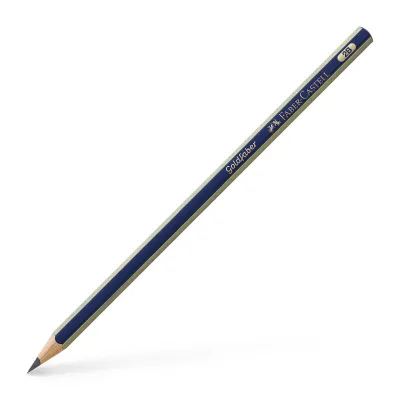
The Goldfaber line represents the standard consumer tier, easily recognized by its classic blue and gold trade dress. This pencil is engineered primarily for students, office workers, and casual writers who require a reliable tool that performs consistently across various paper types. Because it is produced for mass consumption, the manufacturing process focuses on efficiency and broad utility, making it widely available in local bookstores and office supply shops.
Products mentioned in this guide
![Faber-Castell No. 3 Green Pencil 12PCS/BOX [12132331]](https://img.lazcdn.com/g/p/e29229bbbb96c8f74bb0d73d13c662de.jpg_400x400q80.jpg_.webp)
Prices are valid at publication and may change. Please refer to the product page for the latest price.
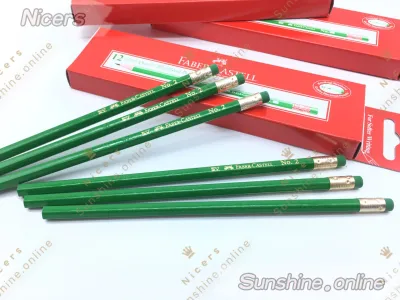
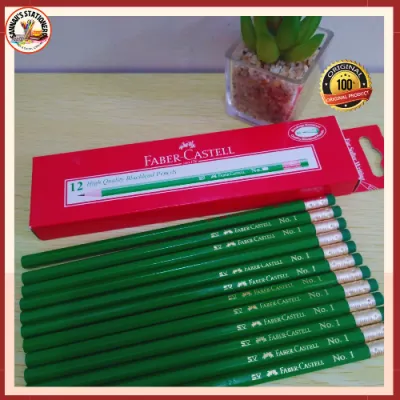
The Castell 9000, on the other hand, is an iconic professional pencil featuring a distinctive dark green finish that has remained a staple on drafting tables and artists’ desks for decades. It is positioned as a premium instrument, utilizing highly refined graphite and clay mixtures to ensure precise grading and minimal impurities. This line is favored by architects, designers, and serious hobbyists who require exact control over line weight and shading.
When shopping for either line, it is important to check the packaging or official product descriptions to verify the available graphite grades. The Goldfaber line typically offers a streamlined selection of standard grades, such as 2B, HB, and H, which cover the vast majority of writing and basic sketching needs. The Castell 9000 boasts a much wider spectrum, often ranging from a very hard 6H for technical drafting to a very soft and dark 8B for expressive sketching, allowing you to choose the exact hardness required for your specific paper stock.
Comparing Smoothness, Break Resistance, and Sharpening
The writing experience of any pencil is heavily influenced by the ratio of graphite to clay in its core, which determines both the darkness of the line and the smoothness of the glide. When comparing the Goldfaber and the Castell 9000, testing the exact same grade, such as HB or 2B, on your preferred paper is the most reliable way to evaluate their performance. In humid conditions, standard graphite leads can sometimes feel slightly scratchy or inconsistent if the clay binder is not perfectly refined. The Castell 9000 generally utilizes a more thoroughly purified graphite mixture, resulting in a smoother glide with less drag, even on textured or slightly damp paper. This refinement also means that the graphite particles adhere more uniformly to the paper fibers, reducing the likelihood of smudging when your hand brushes across the page.

Break resistance is another critical factor, especially for students who write with a heavy hand or professionals who apply varying pressure during sketching. Both lines benefit from specialized manufacturing techniques where the lead is glued along the entire length of the wooden casing, a process often referred to as secural bonding or SV bonding. To verify this durability in daily use, observe how the lead behaves when the pencil is dropped or subjected to heavy writing pressure. A well-bonded lead will remain stable within the collar of the pencil, whereas poorly bonded alternatives often suffer from internal fractures, causing the tip to fall out repeatedly during use.
The sharpening experience provides a direct window into the quality of the wood casing used for each pencil. Premium pencils like the Castell 9000 typically use high-grade, sustainably sourced cedar wood, which is soft enough to shave away smoothly and evenly without splintering. When sharpening, look for clean, continuous wooden ribbons that curl away from the blade easily. The Goldfaber line, while still highly reliable, may utilize standard softwoods that require a slightly sharper blade to prevent minor tearing or uneven sharpening around the graphite core.
Build Quality and Ergonomics for Daily Use
The physical design of a pencil dictates how comfortable it remains during long writing sessions, such as taking lecture notes or drafting detailed plans. The Goldfaber and Castell 9000 both feature a classic hexagonal barrel, which prevents the pencil from rolling off slanted desks or drawing boards. However, the finish and varnish applied to the wood differ noticeably. The Castell 9000 features a multi-layered, water-based green lacquer that feels smooth and slightly soft to the touch, providing a secure grip even when your fingers become warm or damp. The Goldfaber utilizes a simpler, glossy finish that is highly durable but may feel slightly more slippery during extended use in warm weather. This difference in tactile feedback can influence how tightly you grip the pencil, potentially affecting hand fatigue over several hours of continuous use.
Weight and balance also play a subtle role in hand fatigue. Because the Castell 9000 often uses denser wood and a thicker protective coating, it can feel slightly heavier and more balanced in the hand compared to the lighter Goldfaber. This weight distribution allows for more controlled, deliberate strokes, which is highly beneficial for technical drawing. For rapid, high-volume note-taking, the lighter weight of the Goldfaber can reduce wrist strain over several hours of continuous writing.
Safety is a key consideration, particularly when purchasing stationery for children or bulk school supplies. When examining the packaging of either pencil line, look for recognized non-toxic certifications and water-based varnish labels. Ensuring that the paint and core materials comply with international safety standards provides peace of mind, especially since younger students frequently chew on the ends of their pencils during class.
Pricing and Value for Daily Consumption
When managing a stationery budget, comparing the price per piece in local currency (₱) is essential for determining long-term value. A single Castell 9000 pencil generally commands a higher price point, often costing several times more than a standard Goldfaber pencil. For daily office work, primary school classes, or high-volume environments where pencils are frequently misplaced, the lower cost per unit in ₱ makes the Goldfaber highly practical. It delivers reliable performance without the financial sting of losing a premium tool.
Conversely, for specialized tasks where line consistency, erasability, and break resistance directly impact the quality of your work, investing in the Castell 9000 is highly justified. A professional draftsman or artist will find that the time saved by not dealing with broken leads or scratchy graphite easily offsets the higher initial cost. When purchasing, it is wise to calculate your monthly consumption rate to decide whether a bulk box of standard pencils or a smaller, curated set of premium pencils fits your workflow better.
Because both lines are highly popular, it is crucial to verify the authenticity of the seller when purchasing from online marketplaces or third-party merchants. Counterfeit pencils often mimic the external paint and branding of premium lines but use inferior, brittle leads and low-grade wood that splits easily. To protect your investment, look for authorized dealer badges, read customer reviews detailing the sharpening behavior, and compare the physical packaging against official manufacturer photos.
How to Choose the Right Pencil for Your Needs
To make your final decision, evaluate your primary writing environment, your budget, and the specific tasks you perform most frequently.
Choose the Goldfaber if you are looking for a dependable, everyday writing tool for school, general office tasks, or standardized exam preparation. Its accessible price point makes it the ideal choice for high-volume writing where pencils are consumed rapidly or easily lost. It provides a balanced, reliable experience that easily handles standard notebook paper and daily note-taking without breaking your budget.
Choose the Castell 9000 if your work demands precise line weights, exceptional smoothness, and a wide range of graphite grades for technical drawing, architecture, or detailed sketching. The premium wood casing, refined graphite core, and comfortable lacquered finish make it a worthwhile investment for professionals and enthusiasts who value tactile feedback and consistent performance during long creative sessions.
Before committing to a bulk purchase, verify the specific graphite grades available at your local stationery store, as stock levels for specialized grades can vary. If you are preparing for automated optical mark recognition (OMR) exams, ensure you select a dark grade like 2B, and test the pencil on a sample sheet to confirm it erases cleanly without leaving dark smudges that could interfere with scanning machines.

Community discussion
Share your experience or ask a question. Comments are reviewed before publication.