
The choice between Faber-Castell Polychromos and Prismacolor Premier depends on whether your art style relies on precise, multi-layered detail or soft, buttery blending. Polychromos features a hard, oil-based core that excels at fine lines and resists breaking, while Prismacolor Premier uses a soft, wax-based core that delivers rapid, highly saturated color laydown. By understanding how these binders interact with paper and climate, you can select the set that matches your drawing technique.
Core Differences: Oil-Based vs Wax-Based Binders
Faber-Castell Polychromos uses a vegetable oil-based binder. This formulation results in a harder lead that holds a sharp point under pressure. The oil binder allows the pigment to lay down smoothly without leaving a heavy, waxy residue on the paper surface.
Prismacolor Premier relies on a wax-based binder, which gives the core its signature soft, creamy texture. This composition allows the pencil to glide effortlessly across the page, depositing a thick layer of pigment with minimal physical effort.
Products mentioned in this guide
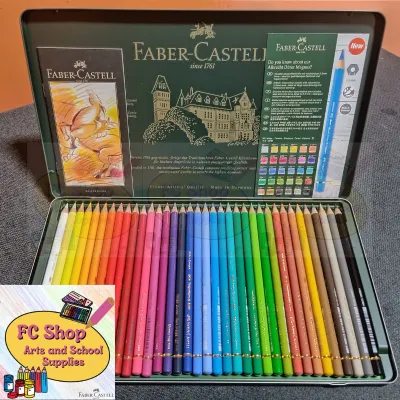
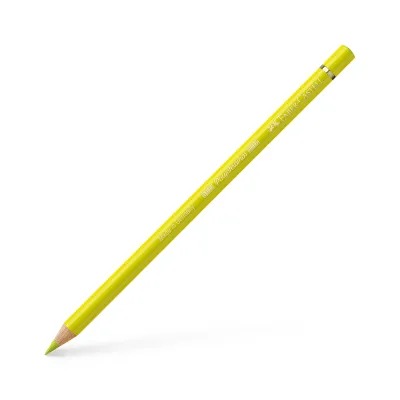
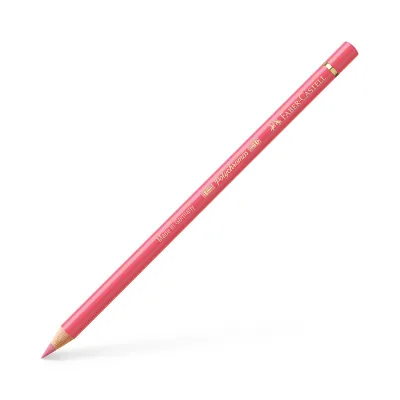
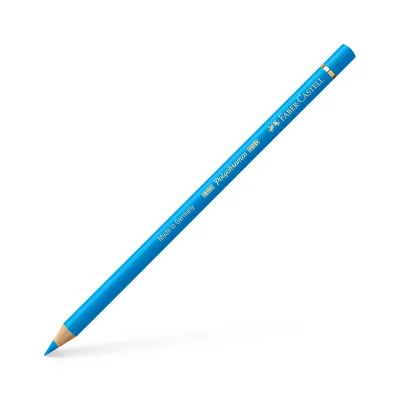
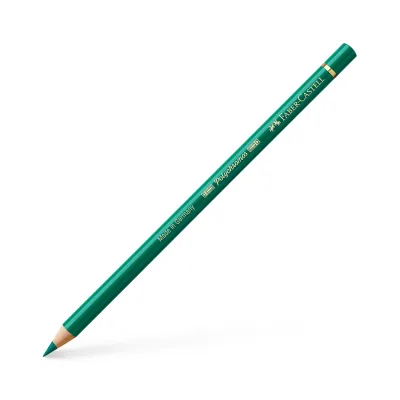
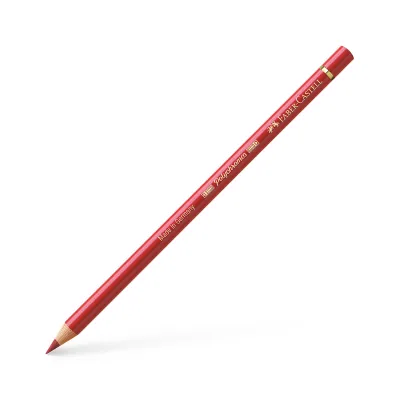
Prices are valid at publication and may change. Please refer to the product page for the latest price.
These chemical differences directly affect how the pencils feel in your hand. The oil-based Polychromos offers slight resistance, giving you precise control over your strokes, whereas the wax-based Prismacolor feels slick and fast, making it highly responsive to light pressure.
Blending, Layering, and Texture Performance
Prismacolor’s soft wax core makes blending exceptionally easy, allowing you to smudge and mix colors directly on the paper to create seamless gradients. However, applying multiple heavy layers of wax can lead to “wax bloom,” a natural phenomenon where a cloudy white film rises to the surface of your drawing over time.

Polychromos requires a more patient, systematic approach to layering. Because the oil binder deposits thinner, more transparent layers, you can build up numerous colors on top of one another without the surface becoming slick or rejecting new pigment.
To manage wax bloom on wax-based drawings, you can gently wipe the surface with a soft, dry cloth or apply a light coat of compatible fixative. Polychromos drawings, by contrast, maintain a stable, matte finish that does not develop this hazy film, preserving the original depth of your colors.
Detail Work vs Broad Coverage
If your artistic style focuses on intricate realism, fine hair, animal fur, or crisp architectural lines, the Polychromos is highly advantageous. Its hard core resists crumbling, allowing you to sharpen the pencil to a needle-like point that remains intact even during detailed, high-pressure work.
Prismacolor Premier excels when you need to cover large areas of the page quickly or create bold, painterly illustrations. The soft core wears down rapidly, requiring frequent sharpening if you attempt fine details, but it fills the tooth of the paper with rich, vibrant color in just a few strokes.
Evaluating your typical drawing speed and subject matter will help you choose. Artists who enjoy slow, meditative rendering often prefer the control of Polychromos, while those who favor expressive, high-contrast, and fast-paced work tend to gravitate toward Prismacolor.
Paper Compatibility and Mixed Media Use
The performance of both pencils depends heavily on the paper texture you select. Smoother papers, such as hot-press watercolor paper or heavy bristol board, complement the fine-point capabilities of Polychromos, while medium-to-rough tooth papers are necessary to catch and hold the heavy wax layers of Prismacolor.
In tropical climates like the Philippines, high humidity can affect how paper fibers hold moisture and pigment. Wax-based pencils can sometimes feel slightly stickier on damp paper, making it essential to store your drawing pads in dry, air-conditioned spaces or sealed containers with silica gel packets.
When incorporating solvents for blending, verify compatibility on a small scrap piece first. Oil-based pencils respond well to odorless mineral spirits, while wax-based cores can be blended using specialized wax-solvent blenders or alcohol-based markers, provided you test the reaction to prevent bleeding or paper warping.
Pricing, Availability, and Value
When budgeting in ₱, you will find that both brands represent a premium investment compared to student-grade alternatives. Polychromos generally sits at a higher price point per pencil, reflecting its European manufacturing standards and break-resistant design, while Prismacolor Premier offers a slightly more accessible entry point for large sets.
To avoid spending a large sum upfront, consider purchasing a few open-stock (individual) pencils from authorized local art supply stores or reputable online marketplaces. Testing a warm tone, a cool tone, and a neutral shade from each brand allows you to experience the physical difference in binder resistance before committing to a full tin.
Due to the popularity of both brands, counterfeit products can occasionally appear on ecommerce platforms. Always verify the seller’s credentials, look for official distributor seals, and check that the packaging matches the manufacturer’s current design standards to ensure you are receiving authentic, professional-grade pigments.
How to Choose the Right Set for Your Technique
Choose Faber-Castell Polychromos if your workflow demands precise control, clean detail work, extensive layering, and a durable core that rarely breaks. This set is ideal for botanical illustrators, portrait artists focusing on fine skin textures, and anyone who prefers a clean, matte finish without the risk of wax bloom.
Opt for Prismacolor Premier if you prefer a soft, painterly application, effortless color mixing, and rapid coverage of large areas. This set is highly suited for bold character designs, expressive landscapes, and artists who enjoy a creamy, highly saturated laydown that mimics the look of oil pastels.
If you are still undecided, a hybrid approach is entirely practical. Many professional artists use Polychromos for the initial detailed sketch and final fine lines, while utilizing Prismacolor Premier in the middle stages to quickly lay down rich, vibrant base colors.
Frequently Asked Questions (FAQ)
Can I mix Polychromos and Prismacolor pencils in the same drawing?
Yes, you can successfully combine both pencils in a single artwork, but the order of application matters. It is generally best to apply the harder, oil-based Polychromos first to establish your fine details and initial color layers, then apply the softer, wax-based Prismacolor on top. Applying oil-based pencil over a heavy, slick layer of wax can cause the tip to slip and fail to adhere, so always test your layering sequence on a scrap piece of the same paper.
How do I prevent Prismacolor pencils from breaking inside the wood casing?
Because Prismacolor Premier has an exceptionally soft core, it is highly sensitive to physical shock and improper sharpening. Avoid dropping the pencils on hard floors, as this can shatter the internal lead along the entire length of the casing. Use a high-quality, sharp manual sharpener specifically designed for colored pencils, and turn the sharpener around the pencil rather than twisting the pencil itself to minimize lateral pressure on the fragile core.
Do I need a special fixative for oil-based colored pencils?
While oil-based pencils like Polychromos do not suffer from wax bloom, a protective fixative can still help prevent smudging and protect the paper from environmental dust. Always check the manufacturer’s label to ensure the spray is compatible with colored pencils or oil-based media, and avoid using household alternatives like hairspray, which can yellow or damage the paper fibers over time. Always spray a test swatch first to verify that the fixative does not alter the color values of your pigments.

Community discussion
Share your experience or ask a question. Comments are reviewed before publication.