
Choosing between Faber-Castell Polychromos and Prismacolor Premier comes down to your personal drawing style, technique, and budget. If your work relies on intricate details, clean lines, and multiple light layers, you will likely prefer the harder, oil-based core of the Polychromos. Conversely, if you prioritize buttery blending, rich color saturation, and quick coverage, the softer, wax-based core of the Prismacolor Premier is often the more suitable choice. Both brands cater to professional standards, but their physical properties demand different handling, especially when dealing with local environmental factors like high humidity.
Understanding the Core: Oil-Based vs Wax-Based Binders
To understand why these two colored pencils behave so differently, you must look at the binder holding the pigment together. Faber-Castell Polychromos pencils utilize a vegetable oil-based binder, whereas Prismacolor Premier pencils rely on a wax-based binder. This fundamental chemical difference dictates how the core responds to pressure, temperature, and paper surfaces.
Before purchasing, it is always wise to check the manufacturer’s packaging or official specifications to confirm the binder type for your specific batch, as formulations can occasionally be updated. Oil-based binders generally result in a much firmer core that resists crumbling. This allows the pencil to be sharpened to an extremely fine point without snapping under moderate pressure.
Products mentioned in this guide
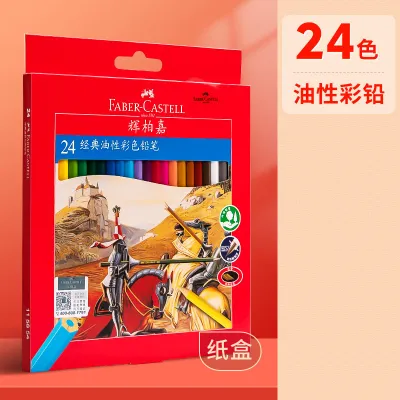
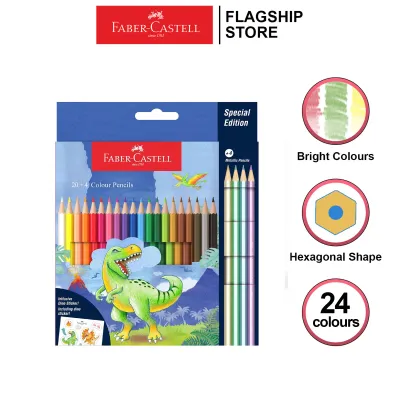
Prices are valid at publication and may change. Please refer to the product page for the latest price.
Wax-based binders, on the other hand, produce a soft, almost creamy core. The wax allows the pigment to lay down quickly and effortlessly, filling the valleys of the paper with minimal friction. However, this softness means the core wears down rapidly and is more prone to chipping if you apply too much force.
The binder also influences how the pigment interacts with the paper’s texture, or tooth. An oil-based core glides over the surface, leaving a translucent layer that preserves the paper’s natural texture. A wax-based core tends to fill the tooth completely, creating an opaque, paint-like finish that can quickly saturate the paper if not managed carefully.
Drawing Experience, Layering, and Blendability
The drawing experience of these two giants represents two opposite ends of the colored pencil spectrum. Polychromos pencils offer a controlled, precise application. Because the core is harder, you can build up dozens of light, translucent layers to create subtle color transitions and complex skin tones. This makes them highly favored by botanical artists and portraitists who require absolute precision.

Prismacolor Premier pencils deliver an immediate, vibrant laydown of color. The buttery texture makes blending incredibly satisfying, as colors melt into one another with very little effort. You can easily burnish your work—a technique where you apply heavy pressure to blend the pigments into a smooth, solid sheet of color.
To find what works best for you, perform a practical testing method on your preferred drawing paper. Draw a series of swatches, gradually increasing pressure from light to heavy. Observe how many layers you can apply before the paper refuses to accept more pigment. You should also watch for “wax bloom,” a hazy white film that can develop on heavy wax layers, and note how smoothly the colors blend when using a paper stump or a colorless blender.
Matching your pencil to your paper texture is crucial for optimal pigment pickup. In the tropical climate of the Philippines, ambient humidity can soften paper fibers, making them more receptive to moisture. A toothy, heavyweight paper works beautifully with both types, but a smooth paper might cause the harder Polychromos to slip, while a very rough paper might eat through a soft Prismacolor core in minutes. Testing your tools under your local studio conditions is the only way to guarantee consistent results.
Durability, Sharpening, and Breakage Risks
Durability is a major consideration, especially when investing in professional-grade art supplies. The softer wax cores of Prismacolor Premier pencils are notoriously delicate. If a pencil is dropped, the internal core can shatter into multiple pieces inside the wood casing, leading to frustrating breakages every time you try to sharpen it.
Polychromos pencils feature a break-resistant core due to a specialized bonding process where the lead is glued along the entire length of the wooden barrel. This makes them exceptionally durable, allowing them to withstand accidental drops and heavy-handed sharpening much better than their wax-based counterparts.
To minimize waste and core breakage, always use a high-quality, sharp manual sharpener or a sharp craft knife. Dull blades drag against the wood and pull on the core, causing it to snap. When using a manual sharpener, hold the pencil straight and turn the sharpener around the pencil rather than twisting the pencil itself, which applies uneven torque to the core.
Before purchasing individual units or sets at your local art store, inspect the pencil tip and wood casing carefully. Look for any visible cracks in the wood or off-center cores. An off-center core means the wood on one side will always be closer to the blade during sharpening, which almost guarantees frequent breakage.
Evaluating Value, Availability, and Budget
When evaluating the value of these pencils, you must consider both the initial cost and how long each pencil lasts. Generally, Polychromos pencils have a higher price per unit but wear down much slower, meaning a single pencil will last significantly longer. Prismacolor Premier pencils are often more budget-friendly upfront, but their soft cores mean you will go through them much faster, especially common blending colors like white and cream.
In the Philippines, availability can vary between major cities and provincial areas. You should compare the price per pencil or set size in ₱ at local art supply stores and authorized online retailers. Buying open-stock pencils—purchasing individual colors as you need them—is highly recommended for beginners who want to test both brands without committing to an expensive set.
Purchasing a full set offers a broader palette and a convenient storage tin, but it can be a significant investment. If you find yourself using only a dozen core colors, building a custom palette from open stock might be more cost-effective.
Keep in mind that actual retail prices, promotions, and stock levels fluctuate constantly due to import costs and shipping fees. Always verify current listings and seller ratings on your preferred ecommerce platform before checking out to ensure you are buying genuine products rather than cheap counterfeits.
Decision Framework: Choosing the Right Pencil for Your Art
To help you finalize your decision, consider how your specific artistic goals align with the physical properties of each pencil. Your choice should depend on your preferred techniques, subject matter, and how you handle your tools.
Choose Faber-Castell Polychromos if:
- You specialize in highly detailed work, fine lines, architectural drawings, or botanical illustrations.
- You prefer a firm pencil that holds a sharp point for a long time without crumbling.
- You enjoy building up drawings slowly through multiple light, controlled layers.
- You want a highly durable pencil with a break-resistant core that minimizes waste.
Choose Prismacolor Premier if:
- You focus on bold, vibrant illustrations, character designs, or expressive portraits.
- You love a buttery, soft application that blends effortlessly and allows for quick burnishing.
- You want rich, saturated color laydown with minimal hand fatigue.
- You are working within a tighter upfront budget and want a wide range of colors.
Verify first if:
- You plan to use mixed media, as some solvents and markers react differently to oil and wax binders.
- Your studio environment is highly humid, which can affect how wax layers cure and how paper holds pigment.
| Feature | Faber-Castell Polychromos | Prismacolor Premier |
|---|---|---|
| Binder Type | Vegetable oil-based | Wax-based |
| Core Hardness | Firm / Hard | Soft / Creamy |
| Break Resistance | High (fully bonded core) | Moderate to Low (delicate core) |
| Point Retention | Excellent | Low (wears down quickly) |
| Ideal Use Cases | Fine details, layering, clean lines | Smooth blending, heavy saturation, burnishing |
Frequently Asked Questions (FAQ)
Can I mix oil-based and wax-based colored pencils in the same drawing?
Yes, you can absolutely mix oil-based and wax-based colored pencils in a single artwork, but the order of application matters. As a general rule, it is easier to apply the harder, oil-based Polychromos pencils first to establish your fine details and initial layers, and then layer the softer, wax-based Prismacolor Premier pencils on top. If you apply a heavy layer of wax first, the harder oil-based pencil may slip on the slick surface and struggle to deposit pigment. Always test your specific layering combination on a scrap piece of your intended paper to ensure proper adhesion before working on your final piece.
How do I prevent wax bloom on my finished drawings?
Wax bloom is a natural oxidation process that occurs when the wax binder in pencils like Prismacolor Premier rises to the surface of a heavily saturated drawing, leaving a cloudy, white film. To prevent or manage this, avoid applying excessive pressure or heavy burnishing unless necessary. If wax bloom does appear, you can gently wipe it away by buffing the surface with a soft, dry, lint-free microfiber cloth. To protect your finished artwork permanently, check the manufacturer’s guidelines for compatible UV-resistant fixatives or final varnishes designed specifically for colored pencils, which seal the surface and prevent the wax from migrating.

Community discussion
Share your experience or ask a question. Comments are reviewed before publication.