
In the Philippines, a “long size” file case is a standard storage solution designed to hold documents that exceed the length of standard Letter or A4 paper. While many local offices, schools, and government agencies refer to “long” paper interchangeably with “legal” size, the actual physical dimensions of these cases can vary significantly. Understanding the exact measurements of your documents and the internal capacity of the file case is essential to prevent bent corners, torn edges, and damaged files.
Decoding "Long Size": Folio vs. US Legal Dimensions
In the local market, “long bond paper” almost always refers to the Folio size, which measures 8.5 by 13 inches (approximately 216 mm by 330 mm). However, international software settings and global manufacturing standards often default to US Legal size, which measures 8.5 by 14 inches (approximately 216 mm by 356 mm). This one-inch difference is the primary source of confusion for students, office workers, and business owners alike.
Because of this discrepancy, file cases labeled simply as “long size” on local store shelves or online marketplaces may not share a uniform length. Some manufacturers design their long file cases specifically to fit the standard 13-inch Folio paper tightly, while others build them with extra clearance to accommodate the longer 14-inch US Legal documents.
Products mentioned in this guide
![Sccor Plastic File Case [ A4 & Long Size ]](https://img.lazcdn.com/g/p/9baad1b191a5cbcf93d28f93befe8aa4.jpg_400x400q80.jpg_.webp)
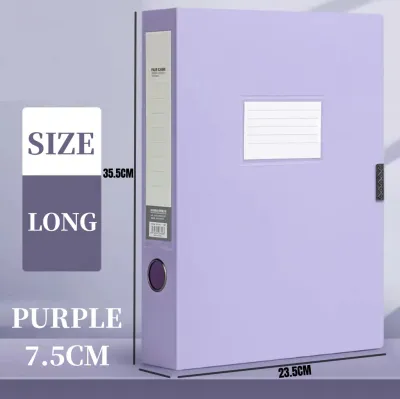
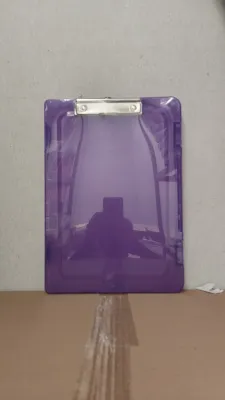
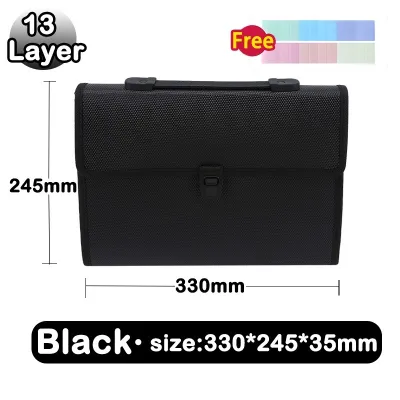
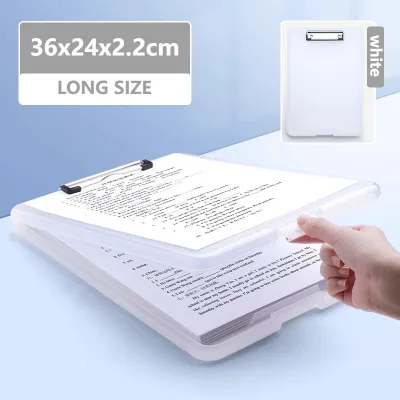
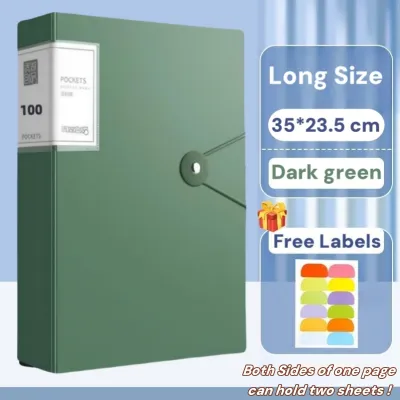
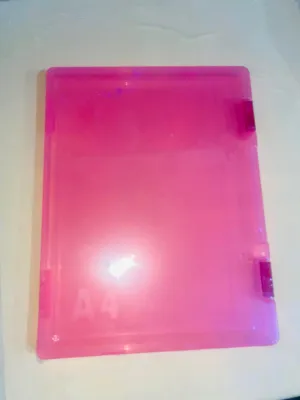
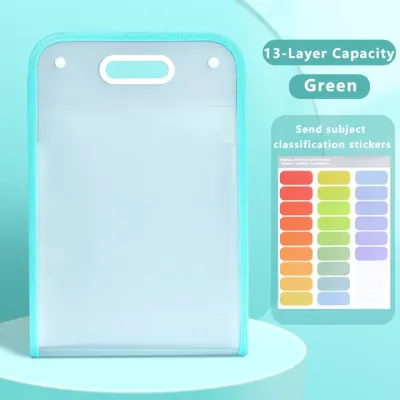
Prices are valid at publication and may change. Please refer to the product page for the latest price.
If you purchase a file case that is strictly designed for 13-inch Folio paper and attempt to store a true 14-inch legal document inside, the paper will inevitably buckle, fold, or suffer edge damage when you close or zip the case. Conversely, using a larger case for smaller documents is perfectly safe, though it may take up slightly more space in your bag or filing cabinet.
Ultimately, “long size” functions as a broad commercial label rather than a strict, standardized measurement. Buyers must treat this label as a starting point and look closer at the actual physical dimensions provided by the manufacturer to ensure a proper fit.
Which Documents Fit Inside a Long File Case?
Matching documents to the case is crucial for long-term preservation, especially in humid tropical climates where paper can easily absorb moisture, soften, and crease under pressure. Storing these documents in a sturdy, water-resistant plastic file case helps shield them from ambient moisture, preventing the paper from warping or developing mold over time.

Long Bond Paper (Folio): This is the most common document type you will store in a long file case. It includes school projects, reviewer sheets, standard employment contracts, lease agreements, and typical corporate memos printed locally. A standard long file case easily accommodates these 13-inch sheets, keeping them flat and protected from dust and spills.
US Legal Size Documents: True legal-size documents, such as notarized affidavits, land titles, court pleadings, and specific government agency forms, are often printed on 14-inch paper. Before placing these in your file case, you must verify that the case’s internal length exceeds 14 inches. A case designed strictly for 13-inch paper will force you to fold these critical legal documents, which can compromise their professional appearance or official validity.
Certificates and Diplomas: Many academic diplomas, merit certificates, and professional licenses are printed on thick cardstock that cannot be folded without permanent damage. While some of these documents use standard long dimensions, others feature non-standard widths or landscape orientations that exceed the capacity of a typical file case. Always measure both the width and length of these certificates before attempting to slide them into a standard case.
Physical Condition Checks: When organizing your files, always perform a quick physical check before securing the latch, zipper, or elastic band of your file case. Ensure that the corners of the paper do not curl upward against the inner walls of the case. If the document is too snug, the pressure from closing the case will gradually crimp the edges, leading to permanent creases and tears over time.
How to Verify Dimensions and Choose the Right Case
When shopping for a file case, especially on online marketplaces where you cannot physically handle the product, relying solely on the product title can lead to purchasing errors.
Read the Product Labels Carefully: Look past the “long size” marketing text and search the product description for the exact internal dimensions, usually listed in centimeters or inches. Keep in mind that external dimensions include the plastic borders, zippers, and handles, which are always larger than the actual space available for your paper.
Measure Your Existing Documents: Before placing an order, take a standard ruler or measuring tape and measure the longest document you plan to store. Confirm whether your papers are exactly 13 inches (Folio) or 14 inches (US Legal). This simple step takes less than a minute but prevents the hassle of returning bulk office supplies.
Evaluate Material and Gusset Design: If you need to store thick stacks of documents, a flat plastic envelope will not suffice. Look for expandable file cases or those featuring a flexible gusset (the folding side material). A gusseted case allows the sides to expand evenly, preventing the center of your documents from bowing and reducing strain on the zipper or snap button. For daily commutes during sudden tropical downpours, a zippered plastic file case offers significantly better water resistance than a simple snap-button folder.
Observe Stopping Conditions: If an online listing or product package does not explicitly state the internal dimensions, do not guess. Contact the seller or manufacturer directly to ask for the exact internal length and width. If they cannot provide these measurements, it is safer to choose an alternative product that clearly lists its specifications to avoid receiving a case that is too short for your needs.
Frequently Asked Questions (FAQ)
Can I store A4 documents in a long file case without folding?
Yes, you can easily store A4 documents inside a long file case without folding them. Because A4 paper (8.27 x 11.69 inches) is shorter and slightly narrower than both Folio and US Legal sizes, it will fit with plenty of room to spare.
However, because of the extra space, loose A4 sheets may slide around inside a larger case, which can lead to crumpled corners over time. To prevent this, consider using inner dividers, plastic sleeves, or paperclips to keep your A4 documents organized and securely positioned within the longer case.
Are long mailing envelopes the same size as long file cases?
No, long mailing envelopes and long file cases serve entirely different purposes and have different dimensions. Mailing envelopes are designed for single-use transit and are made of thin paper or lightweight Tyvek, whereas file cases are durable, reusable storage solutions made of rigid plastic, polypropylene, or heavy-duty paperboard.
Additionally, mailing envelopes often have slightly larger external dimensions to allow documents to slide in easily, along with folding flaps for sealing. File cases, on the other hand, feature structured walls, zippers, or latches, and their internal dimensions are the critical factor you must measure to ensure your documents fit flat without bending.

Community discussion
Share your experience or ask a question. Comments are reviewed before publication.