
To store legal-size and extra-long documents safely, you need a file organizer with an internal width of at least 14 inches (approximately 35.6 cm) and an internal height of at least 8.5 inches (approximately 21.6 cm), plus extra clearance for tabs, bindings, or folders. Standard letter-size organizers will cause these longer sheets to bend, crease, or protrude, exposing them to dust, tearing, and environmental wear.
In tropical climates like the Philippines, where high humidity can soften paper fibers and cause sheets to sag, choosing the correct organizer size and material is essential for preserving the structural integrity of your important contracts, land titles, and legal forms. Selecting a file organizer with the proper internal dimensions ensures your documents remain flat, dry, and professional. Let’s look at the exact dimensions, material considerations, and storage setups required to keep your long documents pristine.
Understanding Legal and Extra-Long Document Baselines
Standard letter paper measures 8.5 by 11 inches, whereas legal paper extends to 8.5 by 14 inches. This extra 3 inches of length requires a completely different class of filing accessories. Attempting to force legal documents into letter-size folders is a primary cause of office clutter and damaged records.
Products mentioned in this guide

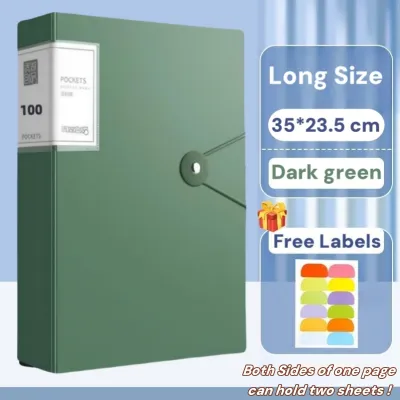
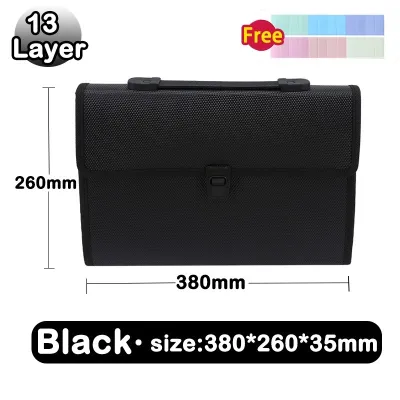
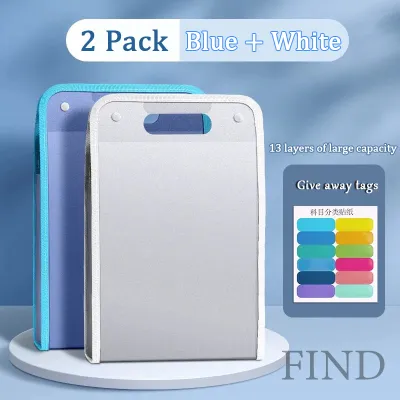
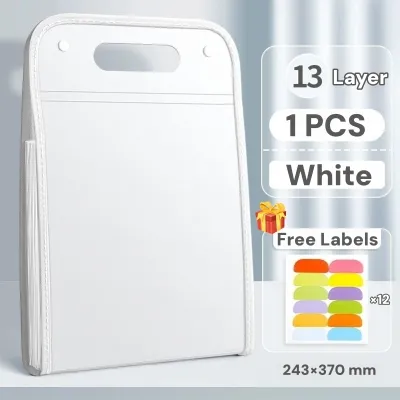
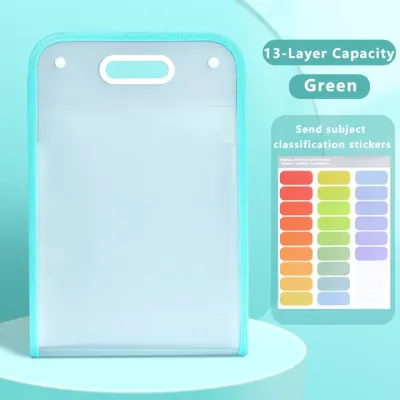
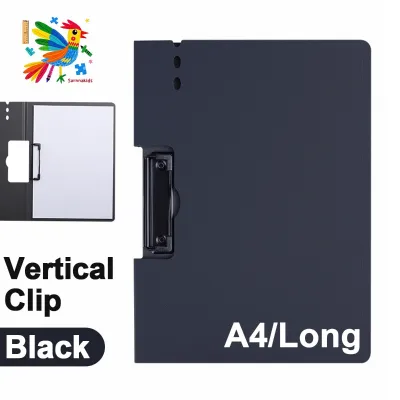
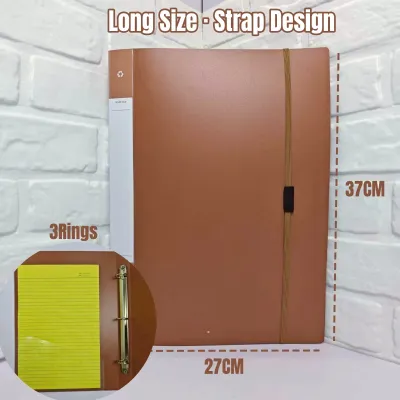
Prices are valid at publication and may change. Please refer to the product page for the latest price.
In many local offices and schools, you will also encounter “long bond paper,” which typically measures 8.5 by 13 inches (often referred to as F4 or folio size). While slightly shorter than standard US legal paper, long bond paper still exceeds the capacity of letter-size organizers. When shopping for a file organizer for documents long, you must ensure the product is rated for true legal-size (14 inches) to comfortably accommodate both 13-inch and 14-inch documents.
Beyond standard legal sheets, specialized documents such as continuous feed computer paper, architectural blueprints, land title copies, or custom-bound legal briefs can exceed 14 inches. These extra-long documents require specialized portfolios, wide-format drawers, or extra-long expanding files. Storing these without folding requires careful planning and precise measurement of your storage equipment.
When long documents are forced into undersized folders, the excess paper either folds over or sticks out of the top. Protruding edges are highly vulnerable to tearing, dust accumulation, and moisture absorption from humid air. Over time, this exposure leads to yellowing, ink degradation, and permanent creasing along the edges of your most valuable records.
Critical Internal Dimensions to Verify Before Buying
Product listings on online marketplaces often display external dimensions, which include thick plastic borders, handles, or outer frames. Always look for the “usable internal dimensions” to ensure the actual pocket can accommodate a 14-inch long sheet without bending the corners. An external measurement of 14 inches often translates to an internal width of only 13 inches, which will ruin standard legal papers.

Verify that the bottom and side gussets expand evenly across the entire height of the folder. A gusset is the folding side material that allows a folder to expand as you add more documents. Some cheap folders taper at the bottom, pinching your documents and causing them to fan out and crease at the top. A high-quality organizer will have a flat, reinforced bottom that expands uniformly.
Ensure there is at least a half-inch of extra clearance above the 8.5-inch document height. This extra space prevents the zipper, snap button, or elastic band closure from catching on the edges of your papers when you close the organizer. If you plan to use index tabs or color-coded labels to organize your files, these tabs add height and width that must be factored into your clearance calculations.
For bound documents or thick files, you must also check the expansion capacity. A single pocket might easily hold ten loose sheets of legal paper, but a bound contract or a thick stack of land titles will require a gusset expansion of at least 1 to 2 inches. Without this expansion capacity, the sides of the pocket will pull inward, compressing and damaging the edges of your documents.
Choosing the Right Organizer Type for Long Papers
Accordion-style expanding file folders are excellent for portability and desktop organization. For long-term durability in warm, humid environments, look for models made of durable polypropylene (PP) rather than paperboard. Polypropylene offers superior resistance to tropical humidity, preventing moisture from seeping into your documents and keeping the folder structure rigid. Ensure the closure strap or latch is adjustable to accommodate varying thicknesses.
If you use a filing cabinet or a desk drawer, hanging folders are the standard choice for high-volume storage. You must verify that the metal hanger rails are spaced specifically for legal-size folders (typically 14.75 inches apart) rather than letter-size rails. Hanging folders keep documents suspended, preventing them from slumping and curling at the bottom of the drawer.
Vertical standing files save desk space but require stiff paper or internal support to prevent long sheets from sagging under their own weight in humid conditions. If you use vertical holders, pair them with rigid plastic folders to keep the documents upright. Horizontal storage boxes, on the other hand, distribute weight evenly and protect extra-long documents from gravity-induced bending, making them ideal for archival storage.
While a basic letter-size folder might cost around ₱50, a durable legal-size polypropylene organizer may range from ₱150 to ₱400. This price difference represents a worthwhile investment to protect valuable certificates, contracts, and official records from environmental damage and physical wear.
Measuring Your Drawers and Shelves for a Proper Fit
Before purchasing a legal-size organizer, measure the inside of your desk drawer or filing cabinet. A legal-size hanging folder system requires an internal drawer width of at least 15 inches to allow the folders to slide smoothly along the rails. If your drawer is designed only for letter-size files, a legal-size organizer simply will not fit inside.
Standard bookshelves are often 11 to 12 inches deep. A legal-size file box or standing organizer, which is usually 15 to 16 inches deep externally, will overhang the edge of a standard shelf. This overhang creates a tipping hazard and can block narrow walkways in your home or office. Measure your shelf depth to ensure it can safely support the entire base of the organizer.
Remember to leave at least 2 to 3 inches of vertical clearance above the organizer inside a drawer or shelf. This space is necessary so you can easily reach in, read the file tabs, and pull out documents without scraping your knuckles or bending the paper. If the fit is too tight, you will end up damaging the folder tabs and the documents inside during daily retrieval.
Common Sizing Mistakes That Damage Long Documents
One of the most common mistakes is assuming a product labeled “legal-size” will fit your specific documents if they are housed in sheet protectors. Plastic sheet protectors, slide binders, and stapled margins add extra width and thickness to your documents. A standard 14-inch pocket may pinch a legal document that is inside a plastic sleeve, requiring you to step up to an oversized portfolio or a specialized storage box.
Another frequent error is overstuffing expandable pockets beyond their designed gusset width. Forcing too many sheets into a single pocket stresses the seams and forces the bottom of the folder to curve. This curvature transfers pressure to the documents, causing permanent warping and creasing along the bottom edges. It is always better to distribute thick document sets across multiple pockets.
Finally, do not overlook the weight of your documents. Legal-size paper stacks are significantly heavier than letter-size stacks. Flimsy paperboard organizers will buckle under this weight, especially when exposed to seasonal humidity. Opting for reinforced plastic or heavy-duty fiberboard organizers ensures your storage system remains structurally sound and keeps your documents flat and secure for years to come.

Community discussion
Share your experience or ask a question. Comments are reviewed before publication.