
The best Filipino sticker designs for bullet journaling combine functional local motifs—such as tropical weather icons, traditional transport illustrations, and regional food designs—with thin, planner-friendly materials that lay flat on your pages. When organizing a daily schedule or tracking habits in a tropical climate, selecting the right sticker format is just as important as choosing the right pen. By matching local artistic themes with high-quality paper finishes, you can create beautiful, culturally resonant layouts that remain highly functional throughout the year.
Using stickers in a bullet journal is more than just a decorative choice; it is a practical way to speed up your weekly setup and highlight key events. Local independent artists produce a wide variety of sheets designed specifically for planners, offering a refreshing alternative to generic, mass-produced stationery. To get the most out of these creative tools, you need to understand how different materials interact with your journal pages and writing instruments.
Essential Criteria for Planner-Friendly Stickers
When selecting stickers for your bullet journal, the material finish determines how you can use them. Matte sticker paper is the most versatile option for daily planning because its uncoated surface accepts almost any writing instrument, including standard gel pens, fine liners, and ballpoints. Glossy and holographic stickers, while visually striking, feature a non-porous plastic coating that repels water-based inks. These glossy options are best reserved for headers, decorative borders, or page markers where you do not need to write down tasks.
Products mentioned in this guide


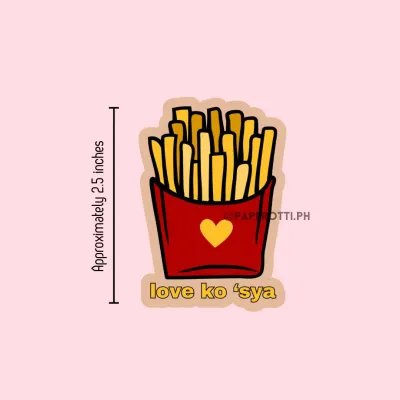

Prices are valid at publication and may change. Please refer to the product page for the latest price.
The format of the sticker sheet also affects your journaling efficiency. Kiss-cut sticker sheets, which feature pre-cut shapes on a single backing page, are highly recommended for daily tracking because they keep small icons organized and easy to peel. Individual die-cut stickers, which are cut completely through the backing paper, are excellent for large monthly cover pages but can be cumbersome to peel and organize in bulk. For standard 5mm dot-grid journals, look for icon stickers that measure between 1cm and 1.5cm to ensure they fit neatly within your grid lines without crowding your text.
Paper compatibility is another critical factor, especially when dealing with different journal brands. Standard journal pages typically range from 80 gsm to 160 gsm. Heavy vinyl stickers can make your pages stiff, leading to a bulky, uneven journal that is difficult to write in. Opting for thin matte paper or washi-style sticker sheets allows your pages to remain flexible and flat. Furthermore, high-quality adhesives are essential; in humid tropical climates, low-grade adhesives can degrade quickly, causing the edges of your stickers to curl or lift from the page over time.
Before committing a new sticker to your layout, it is wise to perform a quick compatibility test. Apply a small scrap of the sticker paper to a blank page at the back of your journal. Test your favorite pens on the surface to check the drying speed and to ensure the ink does not bleed through the page or smudge when touched. This simple step prevents ruined layouts and helps you identify which pen-and-sticker combinations work best for your daily writing routine.
Practical Filipino Motifs for Daily Tracking and Logs
Integrating local motifs into your daily logs makes your bullet journal feel deeply personal and relevant to your environment. Instead of using standard four-season sticker packs that feature snow or autumn leaves, look for tropical weather icons. Sun symbols for hot dry days, rain clouds with lightning for typhoon season, and slippers (tsinelas) or umbrellas for sudden afternoon downpours help you track daily weather patterns realistically. These small visual cues make your weather logs highly accurate and culturally authentic.

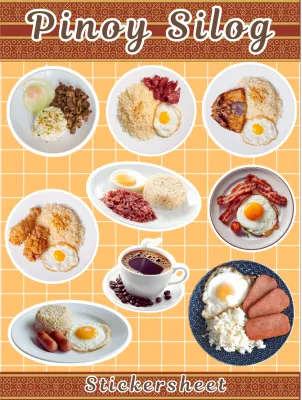
Food and beverage illustrations are perfect for meal planning, grocery lists, and habit trackers. Use tiny illustrations of pandesal or sinangag for breakfast logs, karinderya classics like adobo or sinigang for dinner planning, and a glass of halo-halo or taho for weekend treats. Water bottle trackers can be supplemented with cute buko juice or local milk tea icons to monitor hydration. These colorful food icons turn routine meal tracking into an engaging, visually appealing part of your weekly spread.
Commute and local transport motifs are excellent functional markers for daily travel time. Icons of jeepneys, tricycles, mrt/lrt trains, and ride-hailing cars serve as visual shorthand for office days, school commutes, or weekend errands, making your weekly spreads easy to scan at a glance. By placing a tiny jeepney sticker next to your travel time, you can quickly log your daily transit without writing out repetitive descriptions, saving valuable space in your daily boxes.
Aesthetic Cultural Themes for Weekly and Monthly Spreads
For larger weekly and monthly layouts, cultural themes can provide a cohesive visual structure. Traditional textile and weaving patterns, such as Inabel, Yakan, or Banig weaves, make excellent functional borders, page dividers, or headers. These geometric patterns can structure a weekly layout, acting as natural frames for daily boxes or separating work tasks from personal reflections. Their repetitive, structured lines bring a clean yet culturally rich aesthetic to your pages.
Native flora and fauna illustrations are perfect for decorating monthly cover pages or seasonal transitions. Think sampaguita blossoms, gumamela (hibiscus), monstera leaves, or the iconic waling-waling orchid. For fauna, subtle drawings of the tarsier, rufous hornbill, or local birds add a serene, nature-focused aesthetic to your spreads. These organic shapes contrast beautifully with the rigid grid lines of a bullet journal, creating a balanced and artistic layout.
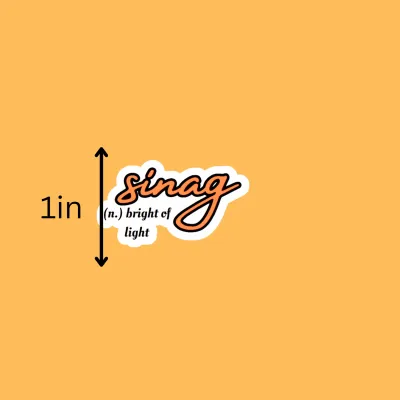
Local typography, colloquial slang, and humor can be integrated into mood trackers and personal reflection pages. Incorporate hand-lettered stickers featuring common expressions like “Salamat,” “Kaya mo ‘yan,” “Padayon,” or humorous daily moods like “Pagod pero lalaban” (tired but fighting). These serve as excellent focal points for mood trackers, weekly motivation headers, or personal reflection pages, capturing the unique resilience and humor of local culture.
How to Find and Verify Local Sticker Artists Online
Finding high-quality, independent sticker creators requires a targeted search strategy. When browsing online marketplaces, e-commerce platforms, or social media, avoid generic search terms. Instead, use specific keywords such as “local planner stickers,” “bujo stickers Philippines,” “hand-drawn Filipino stickers,” and “journaling sticker sheets.” On visual social media platforms, searching for tags like #artph, #bujoph, and #stickerph will connect you directly with independent artists who showcase their portfolios and link to their online storefronts.
Once you locate a shop, carefully evaluate the product descriptions to confirm the material specifications. Reliable artists usually list the exact paper type, such as “135 gsm matte sticker paper,” “washi paper,” or “waterproof vinyl.” If you intend to write on the stickers, look for explicit labels like “writable matte” or “uncoated paper.” Avoid purchasing sheets labeled as “waterproof glossy vinyl” if your primary goal is to write daily logs on the sticker surface, as these are designed for water bottles and laptops rather than paper journals.
Customer reviews and shop policies provide valuable insights into product quality and service reliability. Look for reviews that specifically mention how the stickers perform in journals, paying attention to feedback regarding adhesive strength, print clarity, and whether the backing paper is easy to peel. In humid climates, check if reviewers mention stickers curling at the edges. For custom or made-to-order sheets, verify the processing time and shipping policies to ensure they align with your planning schedule.
Frequently Asked Questions (FAQ)
Can I write on glossy Filipino stickers with standard gel pens?
Standard water-based gel pens, such as 0.38mm or 0.5mm pens commonly used in bullet journaling, will smudge on glossy or holographic sticker finishes. This happens because the non-porous coating on these stickers prevents the water-based ink from absorbing into the paper fibers, leaving it wet on the surface. If you want to write on glossy stickers, you should use oil-based ballpoint pens, permanent fine-tip markers, or specialized multi-surface writing pens.
If you only have standard gel pens available, a practical workaround is to write your text on a small strip of matte washi tape or a matte sticker scrap first, then layer it over the glossy sticker. Alternatively, you can write directly on the glossy surface using a hybrid ink pen, but you must allow the ink to dry completely for several minutes before touching the page or closing your journal to prevent smudging.
How do I store sticker sheets to prevent them from curling or fading?
In tropical climates, high humidity and ambient heat can weaken sticker adhesives and cause the paper backing to curl or warp over time. To prevent this, store your sticker sheets flat inside acid-free plastic sleeves, pocket folders, or dedicated sticker collecting albums. Keep your storage binders in a cool, dry place away from direct sunlight, as prolonged UV exposure will fade the printed colors and dry out the adhesive.
Early signs of sticker degradation include lifting edges, a sticky residue escaping from the sides of the sheet, or a yellowing backing paper. To combat excess moisture in your storage area, place a small silica gel packet inside your sticker binder or storage box. This simple step helps absorb ambient humidity, preserving the adhesive integrity and keeping your sticker sheets perfectly flat and ready for your next planning session.

Community discussion
Share your experience or ask a question. Comments are reviewed before publication.