
Bullet journaling in the Philippines presents unique environmental challenges, particularly due to the year-round high humidity and sudden tropical downpours that can easily ruin standard paper-based layouts. If you want your carefully designed weekly spreads, habit trackers, and artistic layouts to survive daily wear and tear, choosing a high-quality vinyl sticker waterproof option is a game-changer. Unlike traditional paper stickers that warp, smudge, or tear at the first sign of moisture, waterproof vinyl stickers offer unmatched durability and vibrant color retention. This guide explores how to select, test, and apply the best waterproof vinyl stickers for your bullet journal, ensuring your creative spreads remain pristine despite the local climate.
Why Vinyl Stickers Outperform Paper in Bullet Journals
Paper stickers and traditional washi tapes are beloved for their matte texture and ease of tearing, but they lack structural resilience when subjected to daily use. Standard paper stickers are manufactured using short cellulose fibers that readily absorb moisture from the surrounding air. This absorption leads to fiber swelling, edge curling, and eventual color fading. Standard washi tape, while highly repositionable, has low tensile strength and can easily tear or lift when exposed to friction. In contrast, vinyl stickers are made from polyvinyl chloride (PVC), a synthetic plastic polymer that is inherently water-resistant, stretch-tolerant, and tear-proof. This structural stability makes vinyl an archival-quality choice for journals meant to be kept for years.
In the Philippines, relative humidity levels often exceed 80 percent, especially during the monsoon months. This ambient moisture softens the paper fibers of your notebook, making pages more susceptible to ink feathering and accidental tearing. A waterproof vinyl sticker acts as a protective barrier on the page. If you spill your iced coffee, milk tea, or water on a spread, a vinyl sticker will not absorb the liquid, bleed its ink, or disintegrate. Instead, it shields the underlying paper from moisture, preserving the structural integrity of your notebook pages and keeping your written records safe.
Products mentioned in this guide
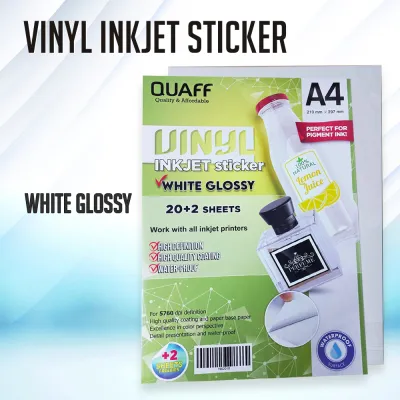
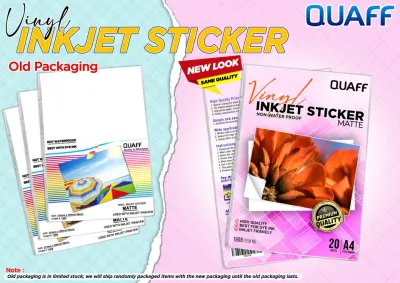
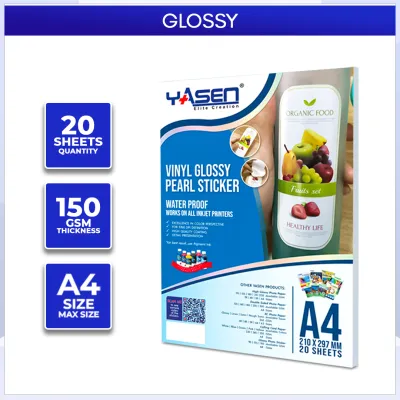
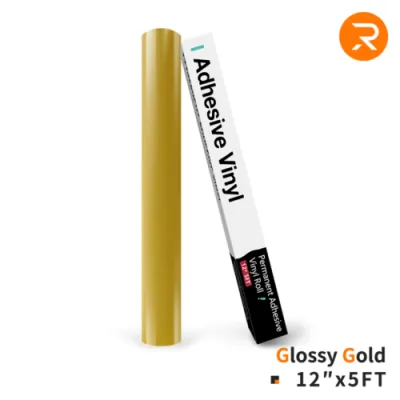
Prices are valid at publication and may change. Please refer to the product page for the latest price.
Daily logs are also subjected to constant handling, page-turning, and friction from being slid into backpacks or tote bags. Paper stickers quickly show signs of edge wear, scuffing, and dirt accumulation. High-quality vinyl stickers feature robust, pressure-sensitive adhesives that lay completely flat on the page. Depending on the specific adhesive formulation, many vinyl stickers can be gently peeled and repositioned during the initial application without tearing the delicate fibers of standard journal paper, providing a forgiving medium for precise layouts.
What to Look for When Choosing a Vinyl Sticker Waterproof Option
Adhesive Quality and Paper Safety
The adhesive backing of a vinyl sticker determines how well it integrates with your journal pages. For bullet journals, you want an adhesive that offers a strong, permanent bond over time but remains gentle during the initial application. Look for acrylic-based, acid-free adhesives. Acidic adhesives can cause thin journal pages—ranging from standard 80gsm to 100gsm—to yellow, warp, or degrade over several years. High-quality stickers will sit flat on the page without causing the paper to ripple or buckle, which is a common issue with cheap, liquid-solvent glues.

Surface Finish Compatibility
Vinyl stickers generally come in matte or glossy finishes, and your choice should depend on how you plan to use them. Matte vinyl has a slight microscopic texture, or “tooth,” that allows it to accept ink. It is highly compatible with standard ballpoint pens, permanent fine-liners, and certain gel pens, though drying times may still vary. Glossy vinyl features a smooth, non-porous topcoat that reflects light and makes printed colors look exceptionally vibrant. However, glossy surfaces repel water-based inks, meaning standard gel pens, water-based markers, and fountain pens will smudge or bead up on them.
Thickness and Flexibility
Sticker thickness is measured in mils (thousandths of an inch) or microns. For bullet journaling, thinner is almost always better. A thin vinyl sticker, typically around 2 to 3 mils, is highly flexible. This flexibility allows it to conform perfectly to the curve of a heavy journal spine or lay flat in layered spreads without adding excessive bulk. Thick vinyl stickers, which are often 4 to 6 mils and designed for laptops or water bottles, can make your journal swell unnaturally, creating bumps that make writing on subsequent pages difficult.
Verifying Waterproof Claims
Not all stickers labeled “water-resistant” are truly “waterproof.” Water-resistant stickers can withstand light moisture or a quick wipe, but the printed ink may still run if exposed to prolonged wetness. True waterproof vinyl stickers feature a protective laminate layer, either matte or glossy, over the printed ink. This laminate shields the ink from water, UV light, and physical friction. When shopping, check if the manufacturer specifies that the stickers are laminated or outdoor-grade, as this guarantees the highest level of water and smudge resistance.
Best Types of Vinyl Stickers for Different Journaling Needs
Matte Vinyl Stickers for Functional Planning
Functional journaling relies on readability and writeability. Matte vinyl stickers are the premier choice for creating structured layouts such as monthly calendar grids, habit trackers, daily schedule blocks, and task labels. Because the matte surface mimics the texture of high-quality paper, you can write directly on top of these stickers using your favorite journaling tools.
Standard ballpoint pens glide smoothly over matte vinyl, and high-pigment gel pens or fine-liners can be used to write dates, tasks, or notes without the risk of instant smudging. This allows you to integrate functional pre-printed designs seamlessly into your daily planning routine without sacrificing the ability to customize your entries.
Clear Vinyl for Seamless Layering
Clear or transparent vinyl stickers are highly valued for their aesthetic versatility. They allow you to layer decorative elements—such as botanical illustrations, quotes, or geometric shapes—directly over dotted, grid, or lined journal pages without obscuring the underlying layout. This creates a seamless, printed-on-the-page look that elevates the visual appeal of your spreads.
When selecting clear vinyl, it is crucial to verify the optical clarity of the adhesive. Low-quality clear stickers often have a cloudy or yellowish adhesive backing that becomes highly visible once pressed onto white or cream journal paper. Look for “ultra-clear” or “optically clear” vinyl to ensure a flawless, professional finish that blends perfectly with your notebook pages.
Holographic and Metallic Vinyl for Decorative Accents
To add visual interest and highlight key milestones in your bullet journal, specialty finishes like holographic, metallic, or glitter vinyl are excellent choices. These stickers feature light-refractive properties that shift colors depending on the viewing angle. They are perfect for marking special events, creating eye-catching section dividers, or decorating monthly cover pages.
To prevent these highly reflective elements from making your spreads look cluttered, pair them strategically with neutral, matte backgrounds. The contrast between a flat matte page and a shimmering holographic accent creates a sophisticated, balanced layout that draws the eye to important sections without overwhelming your overall design.
Printable Vinyl for Custom Journal Designs
For advanced bullet journalers who prefer complete creative control, printable vinyl sheets offer a customizable solution. You can design your own stickers digitally and print them using a standard home inkjet or laser printer. This allows you to customize dimensions, color schemes, and functional layouts to fit your specific notebook size, whether you use an A5, B6, or pocket-sized journal.
However, it is vital to understand that standard printer inks are water-soluble and will bleed if they get wet, even when printed on vinyl. To make your custom creations truly waterproof, you must use printable vinyl sheets specifically rated as waterproof, or apply a thin, even coat of clear acrylic sealant spray or a self-adhesive laminating sheet over the printed design before cutting out your stickers.
How to Apply and Test Vinyl Stickers for Long-Lasting Results
Page Preparation
Before applying any vinyl sticker, ensure your journal page is properly prepared. Dust, eraser crumbs, and natural oils from your hands can compromise the adhesive bond, leading to lifting edges over time. Gently wipe the page with a clean, dry microfiber cloth. Make sure the paper is completely dry, especially if you have recently applied watercolor washes, water-based markers, or calligraphy ink to the background. If you are using a refillable traveler’s notebook, removing the notebook insert and laying it flat on a hard surface will make application much easier.
Application Techniques
To apply a vinyl sticker smoothly without trapping air bubbles, start by peeling back a small portion of the backing paper. Align the exposed adhesive edge with your desired position on the page. Slowly press the sticker down, gradually peeling away the remaining backing paper as you go. Use a soft cloth, a clean finger, or a plastic bone folder to smooth the sticker outward from the center to the edges. This expels any trapped air and ensures a secure, uniform bond with the paper fibers.
Safe Removal
If you accidentally misalign a sticker, do not rip it off quickly, as this will tear the paper fibers of your journal. Instead, peel the vinyl back very slowly at a sharp, flat angle, almost parallel to the page. If the adhesive feels too aggressive, you can use a hairdryer on a low, warm setting held at least 15 centimeters away from the page. The gentle heat will soften the acrylic adhesive, allowing you to lift the sticker safely without warping the paper or damaging the journal’s binding thread.
Waterproof Testing
Because paper qualities and ink formulations vary widely, always perform an observable trial before committing a new sticker type to an important journal spread. Apply a small scrap piece of the vinyl sticker onto a spare page at the back of your journal. Write on it with your preferred pens, let it dry completely, and then place a few drops of water on the surface. Observe whether the ink smudges, if the sticker edges lift, or if water seeps through to the underlying paper. This simple test ensures your chosen combination of pen, sticker, and paper is fully compatible and truly waterproof.
Where to Buy Reliable Vinyl Stickers in the Philippines
Physical Craft and Stationery Stores
Shopping in person allows you to physically assess the thickness, texture, and flexibility of vinyl stickers before buying. Major physical craft shops, specialized planner boutiques, and mall-based stationery retailers across the Philippines carry a curated selection of sticker sheets. When browsing physical shelves, carefully inspect the product packaging. Look for explicit labels such as “waterproof vinyl,” “weatherproof,” or “laminated.” Avoid generic plastic stickers that feel overly stiff or thick, as these are designed for rigid surfaces like glass or metal and will not conform well to flexible journal pages.
Online Marketplaces and E-commerce Platforms
Online e-commerce platforms offer an extensive variety of waterproof vinyl stickers from both local and international sellers. To navigate these platforms safely, use precise search terms like “waterproof vinyl stickers for planners” or “laminated journal stickers.” Always filter your search to show highly rated sellers and read recent customer reviews. Look for reviews that specifically upload photos or videos demonstrating water resistance. Be cautious of listings that use “vinyl” as a generic keyword but describe the product as “glossy photo paper” in the fine print; genuine vinyl should feel flexible and rubbery, not like stiff cardstock.
Local Independent Artists and Specialty Shops
The Philippines has a thriving community of independent artists, illustrators, and local stationery brands who design and manufacture high-quality planner supplies. Purchasing from local creators—either through their independent websites, social media storefronts, or local art conventions—often yields the best results for bullet journaling. These artists understand the specific needs of the local community, including the demand for humidity-resistant materials. Many local creators offer detailed material specifications, explicitly stating whether their sticker sheets are printed on premium matte vinyl, glossy vinyl, or finished with a protective matte laminate for maximum durability. Prices typically range from ₱50 to ₱150 per sheet, making them an affordable way to support local art while elevating your journal.
Frequently Asked Questions (FAQ)
Will vinyl stickers bleed through thin bullet journal paper?
No, high-quality vinyl stickers will not bleed through thin bullet journal paper. Unlike liquid inks or wet adhesives, vinyl stickers utilize a solid, pressure-sensitive acrylic adhesive layer that does not saturate or penetrate paper fibers. This makes them perfectly safe for thin notebook pages, including standard 80gsm to 100gsm paper. However, to ensure absolute safety, avoid cheap stickers with low-grade solvent adhesives, and always test a single sticker on a back page of your journal first.
Can I write on waterproof vinyl stickers with standard ballpoint pens?
Yes, standard ballpoint pens are highly compatible with most vinyl surfaces, particularly matte vinyl. The oil-based ink of a ballpoint pen adheres well to the synthetic surface and dries quickly. However, water-based gel pens, liquid ink rollers, and fountain pens may struggle to dry on glossy or highly laminated vinyl, leading to smudging. For glossy vinyl, it is best to use a specialized permanent fine-liner or a multi-surface marker.
How do I remove a vinyl sticker without ripping my journal page?
To remove a vinyl sticker safely, peel it back slowly and gently at a very sharp angle, keeping it flat against the page rather than pulling straight up. If the sticker has a strong permanent adhesive, apply gentle heat using a hairdryer on a low, warm setting for a few seconds. The heat relaxes the adhesive bond, allowing you to lift the sticker smoothly without tearing the delicate paper fibers or warping your journal’s binding.

Community discussion
Share your experience or ask a question. Comments are reviewed before publication.