
Selecting the right art supplies for young children requires balancing creative freedom with practical cleanup. For parents of toddlers and preschoolers in the Philippines, washable dot markers offer an ideal solution, combining a mess-free stamping mechanism with chunky barrels designed for developing hands. To find the best options, you must prioritize certified non-toxic formulations, robust tip designs that withstand enthusiastic pounding, and water-based inks that wash out easily from tropical play clothes and household surfaces.
By focusing on safety certifications, ergonomic shapes, and genuine washability, you can provide your child with an engaging sensory experience while keeping your home clean. This guide outlines the essential criteria for evaluating these popular art tools, navigating local retail options, and maintaining your collection to ensure long-lasting creative play.
Understanding Dot Markers for Early Childhood Development
Dot markers are specifically engineered to accommodate the physical capabilities of toddlers and preschoolers. Unlike standard pens or fine-tip markers that require a highly developed pincer grasp, these markers feature thick, cylindrical barrels. This chunky design allows young children to use a palmar grasp—holding the marker with their entire fist—which is the natural grip style for early developmental stages.
Products mentioned in this guide
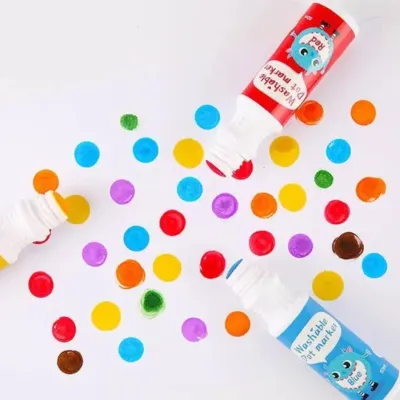
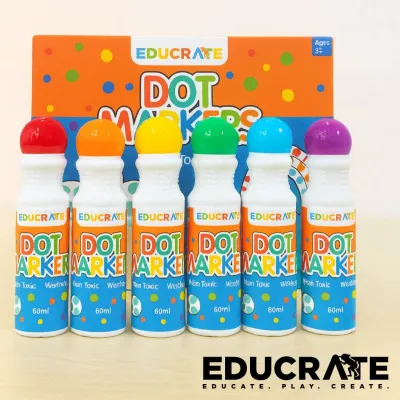
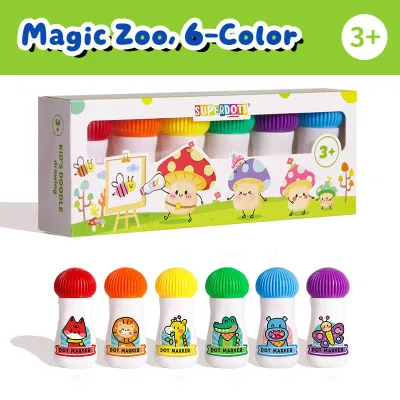
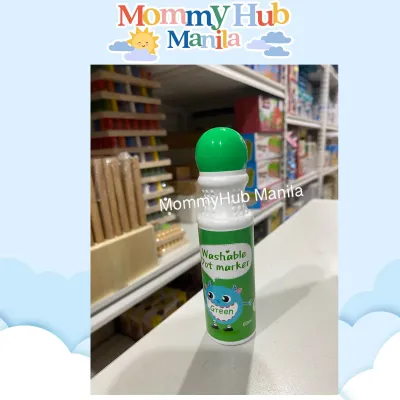
Prices are valid at publication and may change. Please refer to the product page for the latest price.
Using standard markers often leads to frustration when a child cannot yet coordinate the continuous, dragging motion required to draw a line. Dot markers solve this by utilizing a simple stamping action. By pressing the marker straight down onto the paper, children receive immediate visual feedback in the form of a bright, perfect circle, which builds confidence and keeps them engaged in the activity longer.
The internal mechanism of a dot marker also differs significantly from traditional writing instruments. Instead of a delicate fiber tip that can bend or split under pressure, dot markers utilize large, rounded sponge or felt daubers. These tips are designed to distribute a controlled amount of liquid ink over a wide surface area, preventing the tip from retracting or breaking when subjected to heavy-handed toddler use.
Engaging in dotting activities also supports crucial cognitive and motor milestones. The repetitive motion of aiming and stamping helps refine hand-eye coordination and spatial awareness. Additionally, because the markers produce distinct, uniform shapes, they serve as excellent tools for teaching early math concepts like counting, pattern recognition, and color sorting through interactive play.
Essential Criteria for Selecting Toddler-Safe Markers
When shopping for art supplies that will inevitably end up near a child’s mouth, verifying safety standards is your most important task. Always inspect the packaging for recognized international safety certifications. Look for labels indicating compliance with ASTM D-4236, which confirms that the art materials have been evaluated by a toxicologist and contain no materials in sufficient quantities to be toxic or injurious to humans.

Another critical safety feature is the design of the marker cap. To comply with modern toy safety standards, high-quality dot markers feature ventilated caps. These caps are designed with small air passages that allow air to flow through if a child accidentally swallows the cap, significantly reducing the risk of choking. Additionally, ensure the caps are secure enough to prevent toddlers from removing them easily without adult assistance.
Evaluate the durability of the plastic barrel before making a purchase. Toddlers frequently drop, throw, or step on their toys during active play sessions. The marker barrels should be constructed from thick, shatter-resistant plastic that will not crack or leak ink when subjected to rough handling. Some premium designs also feature textured ridges or contoured grips to prevent the markers from slipping out of sweaty hands in warm, humid tropical climates.
Finally, examine the ink formulation itself. Safe dot markers use water-based, acid-free inks that are completely free from strong chemical odors or volatile organic compounds. Avoid any products that do not explicitly state their non-toxic status on the label, as industrial-grade inks can cause skin irritation or emit harmful fumes that are unsafe for indoor play areas.
Evaluating Washability and Cleanup in Real-World Conditions
While many products carry a “washable” label, the ease of cleanup can vary dramatically depending on the surface involved. Water-based inks generally wipe away effortlessly from non-porous surfaces such as plastic highchair trays, sealed wooden tables, and glass windows. A simple wipe with a damp microfiber cloth is usually all that is required to restore these surfaces to their original state.
However, porous materials like clothing, carpets, and upholstery present a much greater challenge. The fibers in these materials can absorb the ink pigments deeply, making complete removal more difficult. When evaluating washability, read the manufacturer’s instructions carefully to see if the ink requires warm water, specific laundry detergents, or immediate treatment to prevent permanent staining on delicate fabrics.
To avoid unexpected damage to your home or your child’s favorite clothes, always perform a quick patch test before the first art session. Apply a single dot of ink to an inconspicuous area of the fabric or the play area wall, let it dry completely, and then attempt to wash it off using your standard cleaning methods. This simple step helps you identify which surfaces are safe for art play and which require protective coverings.
In many homes in the Philippines, interior walls are finished with flat or matte latex paint, which is highly porous and prone to absorbing pigments. If your child accidentally marks a matte wall, immediate action is crucial. Gently blot the area with a damp cloth and mild dish soap before the ink has a chance to cure, as scrubbing too vigorously can strip the paint or leave a permanent smudge.
Navigating the Local Market and Building Your Shortlist
Finding authentic, high-quality dot markers in the local market requires a cautious approach, as online marketplaces often feature unbranded or counterfeit products that lack proper safety certifications. To ensure you are purchasing genuine, non-toxic items, prioritize buying from official brand stores, flagship malls, or authorized stationery distributors on major e-commerce platforms.
When comparing options, look at the overall value of multi-color sets rather than just the lowest price. Dot markers are typically sold in sets of four, six, or eight colors, with prices varying in Philippine Pesos (₱) depending on the brand and the inclusion of accessories. Some sets come bundled with specialized activity books or storage cases, which can offer better long-term value than purchasing individual items separately.
Take the time to filter customer reviews on local e-commerce listings to find genuine feedback from other parents. Look for specific comments regarding how well the ink washes out of school uniforms, how long the markers last before drying out, and whether the sponge tips hold up to enthusiastic stamping. Reviews accompanied by photos or videos can provide valuable insights into the actual size and performance of the markers.
If you prefer to inspect the products physically before buying, visit major national bookstore chains or dedicated toy stores in the Philippines. Shopping in person allows you to check the packaging for safety seals, verify the physical size of the barrels against your child’s hand, and ensure that the caps are secure and the packaging is undamaged before you make your final selection.
Maximizing Marker Lifespan and Preventing Drying Out
To get the most out of your investment, proper storage and maintenance are essential. Most manufacturers recommend storing dot markers horizontally or tip-down when not in use. Storing them tip-down ensures that the sponge applicator remains saturated with ink and ready for immediate use, while horizontal storage prevents the ink from pooling entirely at one end of the barrel.
Teaching your toddler to recap the markers immediately after use is a valuable habit that prevents premature drying. Make “clicking” the cap back on a fun, interactive part of the creative process. Listen for the audible click that indicates the cap is fully sealed, which prevents the warm, humid tropical air from evaporating the water-based solvent inside the marker.
Over time, the sponge tips of dot markers can accumulate paper fibers or dust, which can clog the pores and restrict the ink flow. If you notice the ink starting to fade or apply unevenly, gently wipe the tip with a damp paper towel to remove any debris. For valve-activated markers, gently pressing the tip down on a scrap piece of cardboard can help prime the system and restore a smooth, consistent flow.
Eventually, all markers will run out of ink or experience wear on the sponge tips. If a marker is completely dry and does not respond to gentle priming, it is safer to discard and replace it rather than attempting to revive it with unapproved liquids. Adding water or household solvents to the barrel can dilute the preservatives, leading to mold growth or altering the non-toxic safety profile of the ink.
Frequently Asked Questions (FAQ)
Are washable dot markers completely stain-proof on all fabrics?
No, washable dot markers are not entirely stain-proof on every type of fabric. While the water-based ink is formulated to wash out easily from most standard, machine-washable textiles like cotton and polyester, it can leave permanent stains on delicate, dry-clean-only, or highly porous materials. To minimize the risk of permanent staining, always dress your child in play clothes, treat accidental spills immediately by blotting with cold water, and wash the soiled garments as soon as possible before the pigment sets.
Can toddlers use dot markers on regular printer paper?
While toddlers can use dot markers on standard printer paper, the high volume of liquid ink released by the large sponge tips will likely cause thin paper to warp, wrinkle, or tear. The ink is also highly likely to bleed through to the table surface underneath. For a better experience, it is highly recommended to use heavy-weight paper, such as cardstock, mixed-media paper, or specialized dot marker activity books, and to always place a protective plastic mat or scrap cardboard under the drawing area.
What should I do if a dot marker dries out prematurely?
If a dot marker dries out, first check the manufacturer’s packaging for approved troubleshooting steps. For many brands, you can gently moisten the sponge tip with a single drop of clean water or press the tip down repeatedly on a scrap piece of paper to prime the internal valve and restart the ink flow. Never inject rubbing alcohol, household solvents, or excessive water into the marker barrel, as this can permanently ruin the chemical safety of the non-toxic ink and compromise its washability.

Community discussion
Share your experience or ask a question. Comments are reviewed before publication.