
Choosing the right filing system is more than just a matter of neatness; it directly impacts your daily productivity and how well you protect your essential documents. For students, freelancers, and corporate professionals navigating busy schedules, the choice often comes down to a folio document organizer versus a regular folder. While both tools serve the primary purpose of holding paper, they cater to vastly different workflows, storage volumes, and environmental demands.
A folio document organizer offers structured compartments, higher capacity, and better protection for mobile professionals or students carrying multiple items, while a regular folder provides a lightweight, low-cost solution for simple, single-category document storage. The right choice depends on your daily carry volume, need for device integration, and organization complexity. By analyzing how you handle, transport, and access your paperwork, you can select a system that keeps your documents pristine and easily accessible.
Compare Build Quality and Storage Capacity
To understand which system fits your workflow, you must first look at their physical anatomy and how much paper they can realistically hold. A regular folder typically features a very simple design, consisting of a single folded sheet of cardstock or thin plastic with one or two interior pockets or a simple prong fastener system. This minimalist construction is designed for low-volume storage, usually capping out at around 50 to 100 sheets of paper before the folder begins to bulge, warp, or tear at the seams.
Products mentioned in this guide
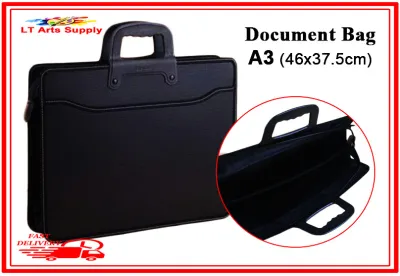
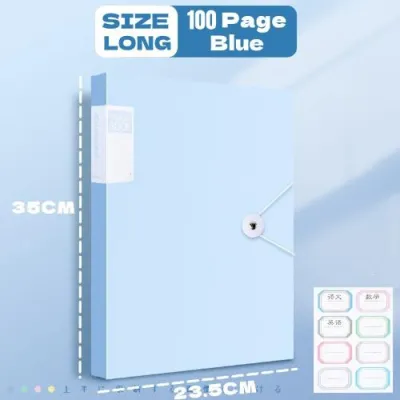
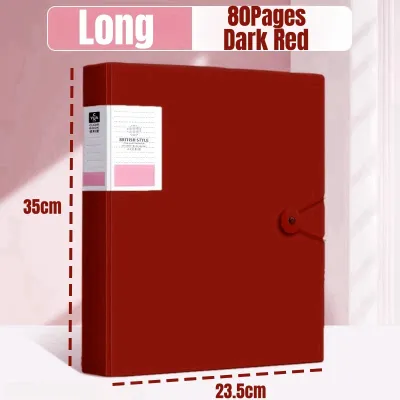
Prices are valid at publication and may change. Please refer to the product page for the latest price.
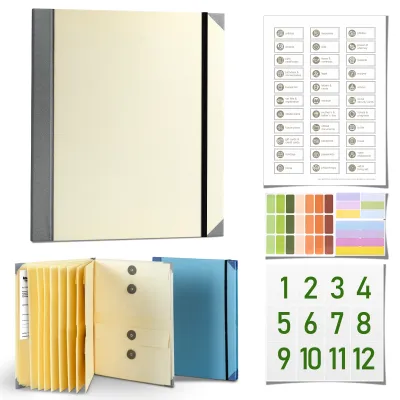
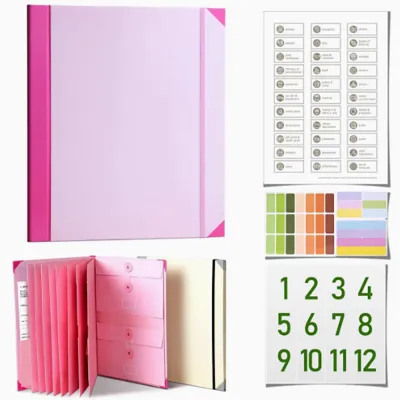
In contrast, a folio document organizer is built like a structured, multi-compartment case. It often features an expanding accordion-style interior, zippered or magnetic closures, and dedicated slots for various items. Because of this robust architecture, a folio can comfortably accommodate hundreds of documents, separating them into distinct sections without putting pressure on the outer shell. This makes the folio highly suitable for managing complex projects, tax documents, or multi-subject schoolwork where a single pocket simply will not suffice.
Material choice plays a massive role in the durability and lifespan of these filing tools, especially in tropical climates. Regular folders made of standard cardstock are highly susceptible to humidity, absorbing moisture from the air over time, which leads to soft, sagging edges and potential damage to the papers inside. Polypropylene folders offer better moisture resistance but remain structurally flexible. Folio organizers, on the other hand, are frequently constructed from heavy-duty materials like thick molded plastic, ballistic nylon, or synthetic leather. These materials provide a rigid exterior barrier that shields your paperwork from external wear and tear, ensuring the organizer lasts for years of daily use.
Evaluate Portability and Daily Carry Needs
For anyone who works on the go, commutes via public transit, or moves between different meeting rooms, portability is a critical factor. Regular folders are inherently lightweight and slim, making them easy to slide into an existing backpack or briefcase. However, they are rarely designed to be carried on their own. If you attempt to carry a standard cardstock folder by hand during a busy commute, you risk dropping loose papers, bending the corners, or exposing your documents to the elements.

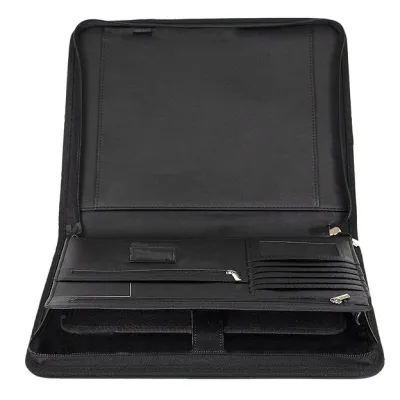
Folio document organizers are engineered specifically for standalone transport. Many models feature integrated carrying handles, retractable straps, or a book-like spine that fits comfortably under your arm. This self-contained design means you do not necessarily need to carry a separate bag just to transport your paperwork. The secure closures—whether a full-around zipper, a sturdy elastic band, or a snap button—ensure that even if the folio is dropped or held upside down, not a single page will slip out.
Furthermore, modern folios are designed with digital-physical integration in mind. Many contemporary folio organizers feature dedicated padded sleeves to hold tablets, small laptops, or e-readers alongside your paper documents. This is a feature regular folders simply cannot match. If you commute through crowded transit systems or face sudden tropical downpours, a zippered nylon folio provides a crucial layer of defense, keeping both your digital devices and physical contracts dry and secure from splashing water and dust.
Assess Organization and Document Protection
The way you sort and access your files can either streamline your day or cause unnecessary stress. Regular folders rely on basic sorting mechanisms, such as color-coding the folder covers or writing on small, adhesive tab labels. This works exceptionally well for archival filing cabinets where you can flip through dozens of colored folders at a glance. However, once you pull a single folder out, all the documents inside are grouped together in one or two pockets, requiring you to sift through the entire stack to find a specific sheet.
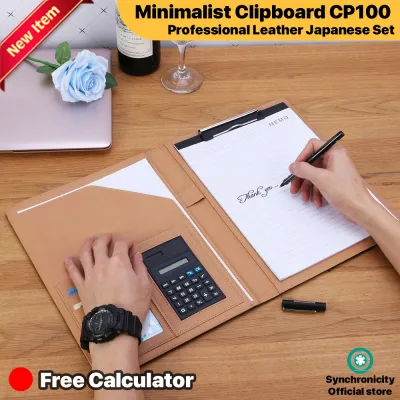
Folio organizers elevate document sorting by incorporating built-in dividers, pre-labeled index tabs, pen loops, business card slots, and even small zippered pockets for calculators or USB drives. This multi-tiered organization allows you to establish a highly detailed filing system within a single portable unit. You can separate client contracts, invoices, meeting notes, and marketing materials into their own designated slots, keeping your workflow incredibly tidy.
Protection levels also differ dramatically between the two systems. A regular folder provides basic edge protection, shielding your papers from minor scuffs inside a bag, but leaves the top and sides exposed. A fully enclosed folio organizer offers comprehensive protection against dust, crumpling, and spills. To maintain these systems, regular cardstock folders must simply be replaced when they wear out, while plastic folders and folio organizers can be wiped down with a dry or slightly damp microfiber cloth to remove dust. For fabric or nylon folios, a quick spot-cleaning prevents dirt buildup, ensuring your professional presentation remains spotless.
Choose the Right Filing System for Your Workflow
Selecting the ideal system comes down to matching your daily habits, document volume, and mobility requirements to the strengths of each tool.
Choose a folio document organizer if:
- You are a mobile professional, student, or freelancer who frequently works from cafes, co-working spaces, or client sites.
- You need to carry a mix of paper documents, writing instruments, business cards, and a tablet or small laptop in a single, secure case.
- You manage multi-step projects that require separating documents into distinct, easily accessible categories on the go.
- You want maximum protection against environmental factors like humidity, dust, and accidental spills during transit.
Choose a regular folder if:
- You primarily archive static documents in a home office or a central filing cabinet where papers rarely need to be moved.
- You need a highly budget-friendly, bulk solution to categorize large volumes of single-topic paperwork.
- Your daily carry is minimal, consisting of only one or two sheets of paper that can easily slide into your existing backpack or briefcase.
- You prefer a lightweight, zero-bulk option that adds no extra weight to your daily load.
Verify first if:
- The external dimensions of the folio organizer will fit comfortably inside your preferred daily backpack or messenger bag.
- The internal compartments match the exact paper standard you use, such as A4 or legal-size sheets, to prevent bent edges.
- The manufacturer's weight limits and gusset expansion capabilities align with the thickness of the notebooks or devices you plan to insert.
| Decision Dimension | Regular Folder | Folio Document Organizer |
|---|---|---|
| Capacity | Low (50–100 sheets) | High (200+ sheets, multi-compartment) |
| Portability | Requires a bag for safe transport | Standalone carry with handles or straps |
| Protection | Basic edge protection; vulnerable to spills | High; enclosed zipper/snap closures |
| Tech Integration | None | Dedicated tablet/laptop sleeves and utility pockets |
| Ideal User | Archivers, budget-conscious students | Mobile professionals, active commuters |
Frequently Asked Questions (FAQ)
Can I use a regular folder inside a folio document organizer?
Yes, combining the two systems is an excellent way to create a modular, highly organized workflow. You can use lightweight regular folders to group specific sub-projects or client files, and then slide those folders into the larger compartments of a folio organizer. This allows you to pull out only the specific folder you need for a meeting without exposing the rest of your folio’s contents. However, you must monitor the thickness of the folders you insert; overstuffing the folio can strain the zippers, seams, and magnetic closures, potentially shortening the lifespan of your organizer.
What paper sizes do standard folders and folios typically support?
Standard folders and folios are generally designed to accommodate regional and international paper standards, most commonly A4, Letter, and Legal sizes. In many professional and academic settings, A4 and Letter are the default formats, and almost all standard organizers will fit them comfortably. However, if you frequently handle longer Legal-size documents, you must verify the product specifications before purchasing. Always check the internal compartment dimensions and the maximum gusset expansion rather than relying solely on the exterior measurements, as thick borders or heavy padding can reduce the actual usable space inside.

Community discussion
Share your experience or ask a question. Comments are reviewed before publication.