
A hammer ballpen is a specialized, heavy-duty writing instrument designed with a reinforced structure—often featuring a hardened striking tip, a hammer-like pommel, or multi-tool integrations—built to withstand harsh environments that would easily damage a standard plastic ballpoint. While a regular ballpoint pen is designed primarily for lightweight, everyday writing on standard paper, a hammer ballpen prioritizes structural durability, tactical utility, and reliable ink delivery under challenging conditions. In tropical climates like the Philippines, where high humidity, sweat, and outdoor exposure can affect both paper and ink performance, understanding these differences helps you choose the right tool for your daily routine.
Understanding the Hammer Ballpen: Design and Core Features
In the stationery and utility gear markets, the term “hammer ballpen” typically refers to rugged writing instruments equipped with a reinforced, blunt, or pointed striking end (often called a glass breaker or tactical hammer tip). Some variations are designed specifically for industrial environments, featuring heavy-duty metal casings that can survive drops, crushing, or exposure to moisture. Rather than focusing solely on smooth ink delivery on clean paper, these pens are engineered as multi-functional tools capable of performing in emergency scenarios or demanding work sites.
The physical characteristics of a hammer ballpen set it apart immediately from standard writing instruments. Instead of molded plastic, the barrel is typically constructed from high-grade metals such as anodized aluminum, stainless steel, or titanium. The grip section often features deep knurling or textured patterns to prevent slipping when hands are wet, sweaty, or covered in oil. Additionally, many models integrate multi-tool functions, such as a built-in stylus, a small level, metric rulers engraved on the barrel, or a hardened tungsten carbide tip designed to break glass in emergencies.
Products mentioned in this guide
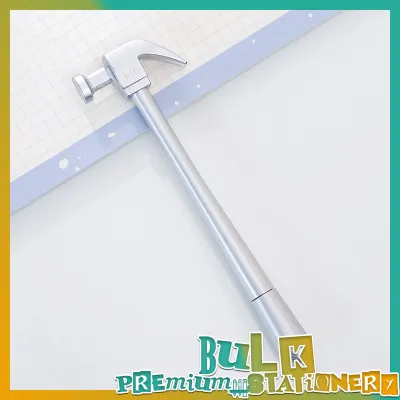
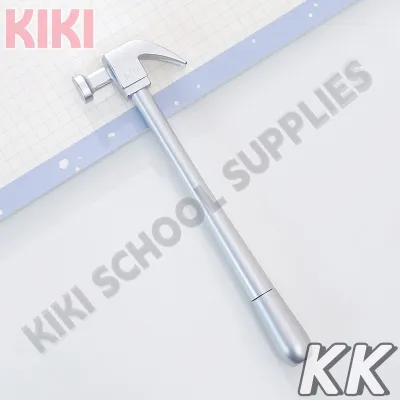
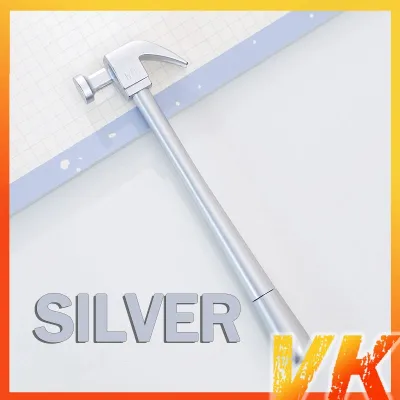
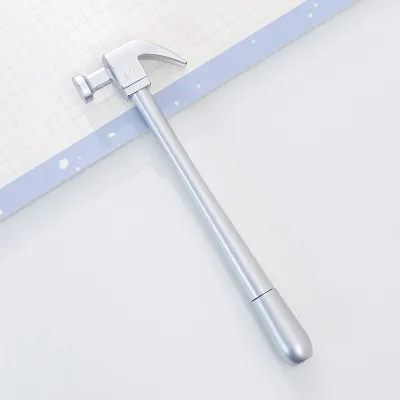
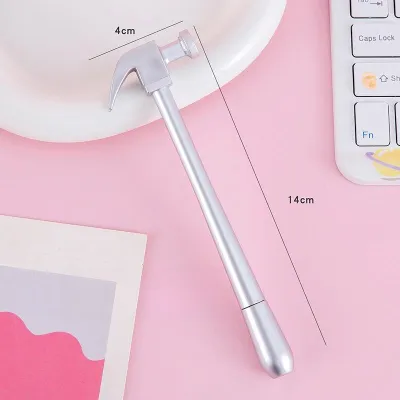
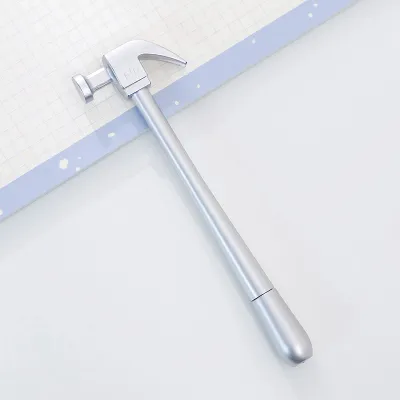
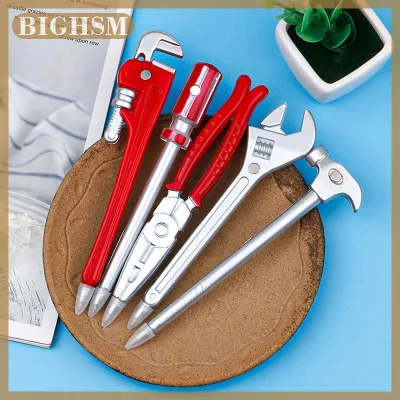
![[COD] EHBqna SPORT Ball Pens Simulation Hardware Tools Vise Screwdriver Pliers Hammer Toy Modelling Ballpoint Pen Student Learning Prizes Gift](https://img.lazcdn.com/g/p/9f40806ebf278ae147ce09ecd7767c2e.jpg_400x400q80.jpg_.webp)
Prices are valid at publication and may change. Please refer to the product page for the latest price.
When shopping for a hammer ballpen, it is essential to verify the manufacturer’s specifications to ensure you are getting a tool that matches your needs. You can use the following checklist to confirm the pen’s exact capabilities before purchasing:
- Barrel Material: Confirm if the body is made of machined metal or a high-impact polymer.
- Striking Tip: Verify if the "hammer" end is made of hardened steel or tungsten carbide.
- Weight: Check the weight in grams to assess potential hand strain.
- Refill: Confirm if the pen accepts standard refills or requires pressurized cartridges.
Hammer Ballpen vs. Regular Ballpoint: Spec-by-Spec Comparison
Translating the technical specifications of these pens into daily writing experiences reveals distinct differences in handling, durability, and performance.

Barrel Material and Build
Standard ballpoints are typically constructed from lightweight polystyrene or ABS plastic. While these materials make the pens inexpensive, they are highly susceptible to cracking under pressure or warping when exposed to direct tropical sunlight. In contrast, a hammer ballpen utilizes CNC-machined metals or reinforced polymers. This robust construction ensures the pen can survive being dropped on concrete, run over by equipment, or subjected to heavy physical impact without compromising the internal ink cartridge.
Ink Systems and Tip Mechanics
Regular ballpoints rely on standard oil-based ink and gravity-fed tip mechanics. While this setup is highly efficient for writing on dry, flat paper at a desk, it can struggle when writing vertically, upside down, or on damp surfaces. Many hammer ballpens are designed to accommodate specialized ink systems, such as pressurized ink cartridges. These pressurized systems force the ink out consistently, allowing you to write at any angle, on wet or greasy paper, and in extreme temperatures. For outdoor tasks in humid environments, this ensures your notes remain legible without skipping or clogging.
Weight, Balance, and Ergonomics
The heavy-duty materials that give the hammer ballpen its durability also significantly alter its ergonomics. A standard plastic ballpoint typically weighs between 5 and 15 grams, offering a neutral balance that minimizes hand fatigue during long writing sessions. A metal hammer ballpen, however, often weighs between 30 and 50 grams or more. Because the striking tip or “hammer” mechanism is located at the rear of the pen, the center of gravity is shifted upward. This rear-heavy balance requires more grip effort to control, which can lead to faster hand fatigue during extended writing.
Comparison Table
The table below summarizes the key differences between these two writing instruments to help you compare their specifications at a glance:
| Feature | Hammer Ballpen | Regular Ballpoint |
|---|---|---|
| Barrel Material | Machined aluminum, stainless steel, or heavy polymer | ABS plastic, thin metal, or lightweight resin |
| Average Weight | Heavy (typically 30g to 50g+), rear-balanced | Lightweight (typically 5g to 15g), neutrally balanced |
| Ink Compatibility | Pressurized cartridges or standard ballpoint refills | Standard oil-based or gel ink refills |
| Durability | High impact, crush, and weather resistance | Low to moderate; prone to cracking under pressure |
| Primary Use Case | Fieldwork, emergency preparedness, industrial sites | Office work, school notes, daily administrative tasks |
| Relative Cost | Premium investment | Budget-friendly, easily replaceable |
Matching the Pen to Your Task: When to Upgrade or Stick to Standard
Deciding whether to invest in a hammer ballpen depends entirely on your daily environment and writing habits.
A hammer ballpen is highly practical for individuals who work in demanding environments. If your daily routine involves outdoor fieldwork, construction site management, emergency response, or industrial maintenance, the rugged durability of a specialty pen is invaluable. In tropical climates where sudden downpours, high humidity, and sweat are common, a pen that can write on damp paper and survive drops onto hard surfaces ensures you never lose critical notes. Furthermore, the integrated emergency tools, such as a glass breaker, provide added utility that a standard office pen simply cannot offer.
Conversely, a regular ballpoint remains the more practical and cost-effective choice for standard office, school, or home environments. If your writing is confined to desks, notebooks, and indoor settings, the lightweight design of a standard pen offers superior comfort for long-form writing. Additionally, because standard pens are highly affordable, losing one during a busy workday is a minor inconvenience rather than a significant financial loss.
Before purchasing a hammer ballpen, consider these essential pre-purchase checks:
- Refill Availability: Verify that replacement cartridges are easily accessible in local stationery shops or online marketplaces.
- Pocket Clip: Ensure the clip is made of sturdy steel and securely fastened to the barrel.
- Carry Regulations: Check local security guidelines for office buildings or public transit if the pen features an aggressive striking tip.
Frequently Asked Questions (FAQ)
Can a hammer ballpen be used comfortably for everyday note-taking?
While a hammer ballpen can be used for quick notes, it is generally less comfortable for extended writing sessions. The added weight of the metal barrel and the rear-heavy balance caused by the striking tip can lead to hand fatigue over time. If you plan to use it as your primary writing tool, it is highly recommended to test the pen’s balance and grip comfort during a brief trial before committing to long-form writing.
Are specialty ballpen refills interchangeable with standard office pens?
Not always. Many hammer ballpens use specific refill standards, such as Parker-style G2 refills or specialized pressurized cartridges, which differ in length and diameter from standard disposable pen refills. To avoid purchasing incompatible ink, always check the manufacturer’s specifications or cross-compatibility charts, and avoid forcing a standard refill into a specialized pen body.

Community discussion
Share your experience or ask a question. Comments are reviewed before publication.