
Finding the perfect Hello Kitty fabric per yard in local textile markets or online marketplaces opens up endless creative possibilities for DIY enthusiasts and professional sewists alike. However, choosing the right material is not just about picking the cutest print; it requires matching the fabric’s physical properties to your specific project. In the warm, humid climate of the Philippines, factors like breathability, drape, and washability are just as important as the design itself. By understanding how different fibers behave, you can ensure your handmade garments, bags, or home decor items look beautiful and last for years.
Depending on the material composition and print licensing, prices for character fabrics in local markets typically range from ₱100 to ₱250 per yard. Because these fabrics are available in a wide variety of constructions, from crisp cottons to flowing synthetics, selecting the right one requires a quick look at the fabric’s weight, weave, and fiber content. Matching these characteristics to your sewing goals will save you time at the sewing machine and prevent issues like uneven shrinkage or premature fading.
Common Fabric Types for Hello Kitty Prints
Woven cotton, such as poplin and quilting cotton, is the most common option you will encounter when searching for character prints. These fabrics feature a tight, plain weave that offers a crisp hand feel and excellent stability. Because they do not stretch or slip easily, they are incredibly easy to cut and sew, making them a favorite for beginners. The smooth surface of woven cotton allows for highly detailed, vibrant prints, ensuring that Hello Kitty’s iconic features remain sharp and clear.
Products mentioned in this guide
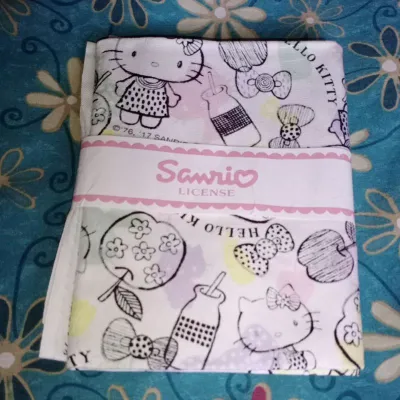
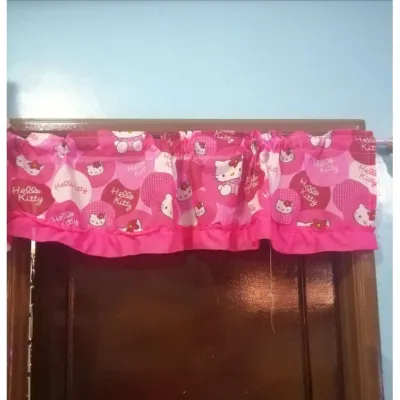
Prices are valid at publication and may change. Please refer to the product page for the latest price.
Polyester and poly-blends are widely available and highly practical synthetic options. These fabrics offer superior drape compared to pure cotton, making them ideal for flowing garments that move with the body. They are highly resistant to wrinkling and shrinking, which is a major advantage for busy households. While they may not be as breathable as natural fibers in tropical heat, poly-blends often feature a smooth, slightly silky finish that resists fading over multiple washes, keeping the character prints bright.
Linen and cotton-linen blends provide a unique alternative for those seeking a more rustic, textured aesthetic. These fabrics combine the breathability and natural slub texture of linen with the softness and print-retaining qualities of cotton. Hello Kitty prints on linen blends often have a softer, more muted appearance, which works beautifully for modern, minimalist, or vintage-inspired designs. The open weave of linen allows for excellent airflow, making it highly comfortable for local wear.
Knits, including cotton jersey and polyester-spandex blends, introduce stretch and flexibility to character prints. These fabrics are knitted rather than woven, allowing them to stretch with body movement. Sewing with knits requires a bit more care, including the use of specific stretch needles and flexible stitches, but they offer unmatched comfort for casual wear, loungewear, and activewear.
Matching Fabric Materials to Sewing Projects
When sewing clothing for the warm Philippine climate, prioritizing breathability and drape is essential. Lightweight cotton poplin or cotton-linen blends are excellent choices for structured dresses, casual shirts, and summer blouses. If you prefer a more fluid, flowing silhouette for skirts or dresses, a lightweight polyester blend will provide the necessary drape while resisting wrinkles throughout the day. Always consider how the fabric feels against the skin, especially during humid afternoons.

Projects like tote bags, pencil cases, and makeup pouches require structure and durability to withstand daily wear and tear. For these items, heavier cotton canvas or thick woven cotton is ideal. If you are using a lighter weight Hello Kitty print, you can reinforce the fabric by fusing a layer of interfacing to the reverse side. This adds the necessary stiffness and body, ensuring your finished accessories hold their shape and protect their contents.
Quilting cotton is the gold standard for patchwork quilts, throw pillow covers, and table runners. Its predictable shrinkage rate and stable weave make it easy to piece together precise geometric shapes. When using Hello Kitty prints for home decor, standard cotton ensures that your seams line up perfectly and the finished item can be easily washed. For curtains or seat cushions, heavier cotton-linen blends or sturdy polyester weaves offer better resistance to wear and tear.
Sewing for kids requires a focus on softness, comfort, and ease of care. Breathable cotton knits or soft cotton poplins are the preferred choices, as they are gentle on sensitive skin and allow for easy movement. Before purchasing, check the manufacturer’s specifications to ensure the fabric is free from harsh chemical finishes. Since children’s clothes undergo frequent washing, choosing high-quality cotton prints helps prevent the designs from fading prematurely.
How to Evaluate and Prepare Hello Kitty Fabric for Sewing
Before you begin cutting, take time to inspect the fabric. Lay it out on a flat surface to check the print alignment. Sometimes, character prints can be slightly off-grain during the manufacturing process. Verify that the pattern scale matches your project; a large Hello Kitty motif might get lost on a small coin purse, while a tiny print might look too busy on a large curtain panel. Also, measure the usable width of the fabric, as selvages can vary.
Character prints are often directional, meaning the Hello Kitty motifs face a specific way. When working with directional prints, you cannot flip pattern pieces upside down to save space, as this would result in upside-down characters on your finished project. You will need to calculate your yardage carefully, factoring in the pattern repeat (the distance before the design starts again) to ensure you have enough fabric to align the motifs seamlessly across seams.
Using the correct sewing machine needle is crucial for a professional finish. For woven cottons and linens, a standard sharp or universal needle (size 70/10 to 80/12) works beautifully. If you are working with knit fabrics, switch to a ballpoint or stretch needle to prevent skipped stitches and fabric damage. Match your thread type to the fabric fiber; use high-quality polyester thread for poly-blends and knits, and cotton or polyester thread for woven cottons.
Always verify the care instructions provided by the seller or manufacturer. Before cutting into your precious Hello Kitty fabric, perform a simple shrinkage and colorfastness test. Cut a small square of fabric, measure it, wash it according to the recommended instructions, and measure it again to check for shrinkage. This step also allows you to observe if any vibrant dyes bleed, protecting your final project from unexpected color transfer.
Care and Maintenance for Printed Character Fabrics
To preserve the bright colors and sharp details of your Hello Kitty prints, follow gentle washing practices. Use cool or lukewarm water and a mild, color-safe detergent. Avoid harsh bleaching agents, which can quickly strip the pigments from the fabric fibers. If washing in a machine, select a gentle cycle to minimize friction.
Friction is one of the main causes of print fading and pilling. Always turn your handmade garments inside out before placing them in the washing machine. This simple step shields the printed face of the fabric from rubbing against other clothes or the washing machine drum, keeping the character designs looking fresh and vibrant for longer.
Heat can be highly damaging to printed fabrics, particularly those with synthetic fibers or heavy ink layers. Never apply a hot iron directly to the printed side of the fabric, as this can cause the print to melt, crack, or transfer onto your iron’s soleplate. Always iron on the reverse (wrong) side of the fabric. If you must iron the front, place a clean cotton pressing cloth or a protective Teflon sheet over the print to distribute the heat safely.
When storing your finished Hello Kitty projects or leftover fabric stash, keep them away from direct, prolonged sunlight. UV rays can cause rapid fading, especially on natural fibers like cotton and linen. Store your items in a cool, dry closet or drawer to maintain the print’s original vibrancy and prevent the fabric from weakening over time.
Frequently Asked Questions (FAQ)
Do I need to pre-wash Hello Kitty fabric before sewing?
Yes, pre-washing is highly recommended, especially for natural fibers like woven cotton and linen blends. These materials naturally shrink during their first wash. If you sew your project first and wash it later, the fabric may shrink unevenly, causing puckered seams and a distorted fit. Pre-washing also removes any residual manufacturing chemicals or excess dyes. For polyester fabrics, pre-washing is less critical for shrinkage but still beneficial for checking colorfastness and removing sizing agents. Always wash and dry the fabric using the same methods you plan to use for the finished item.
Is it safe to iron directly on the Hello Kitty print?
No, ironing directly on the printed surface is not recommended. Many character prints use specialized inks or vinyl-based pigments that can melt, warp, or crack when exposed to high heat. To protect both your fabric and your iron, always press from the wrong side of the fabric. If your project requires pressing from the right side—such as when flattening seams or collars—always place a clean, dry cotton pressing cloth over the design. Keep your iron set to a medium or low heat setting appropriate for the fabric’s fiber content.

Community discussion
Share your experience or ask a question. Comments are reviewed before publication.