
Evaluating acrylic paint in the Philippines requires balancing cost, volume, and performance, especially given how the tropical climate affects drying times and paint preservation. Hiro acrylic paint has established itself as a highly accessible, budget-friendly option widely used by local students, hobbyists, and muralists. When comparing it to other brands available in the market, the decision comes down to your specific project goals, your budget, and how the paint behaves under local environmental conditions. Rather than searching for a single “best” brand, artists must learn to evaluate paint specifications, understand the differences between student and artist grades, and perform simple physical tests to determine if a paint meets their needs.
This guide provides a comprehensive framework to help you compare Hiro acrylic paint with alternative brands. By examining technical specifications such as pigment-to-filler ratios, lightfastness, and binder quality, you can make an informed decision. Whether you are painting a large-scale outdoor mural, practicing color theory in a classroom, or preparing a canvas for a gallery exhibition, understanding these variables ensures your materials support your creative vision without unnecessary expense.
Define Your Skill Level and Project Needs
Before comparing specific paint brands, you must identify where you stand on the spectrum of artistic practice. Beginner and student artists typically require paints that are forgiving, highly affordable, and available in larger volumes. At this stage, the primary goal is experimentation, color mixing practice, and developing brush control. High-volume, budget-friendly paints allow you to make mistakes and paint freely without worrying about the cost of every brushstroke.
Products mentioned in this guide
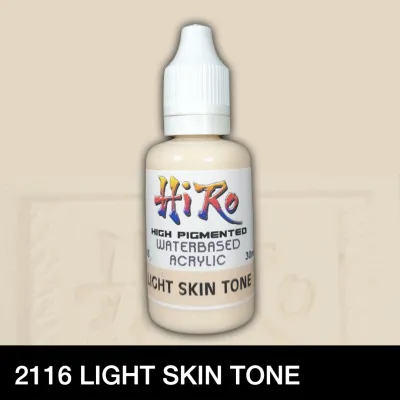
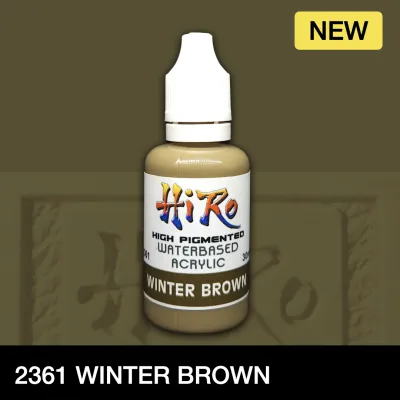
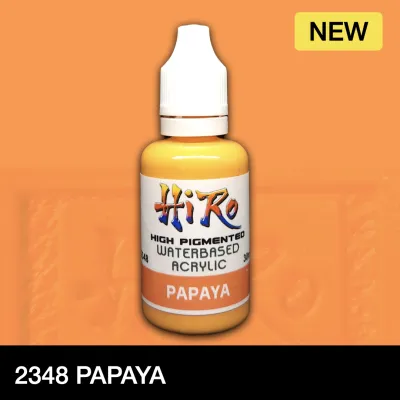
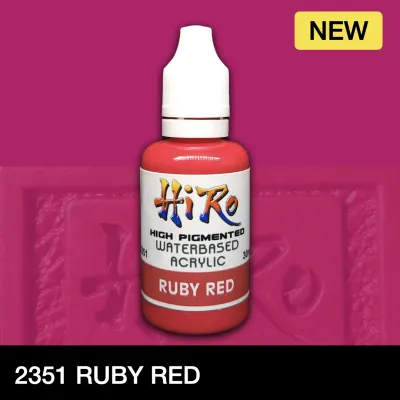
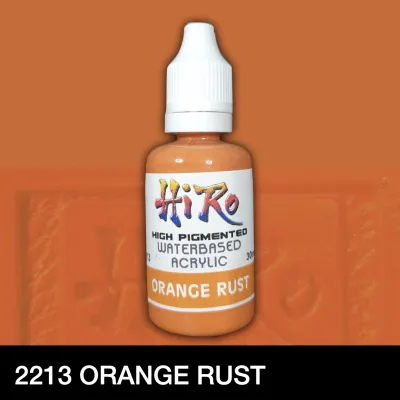
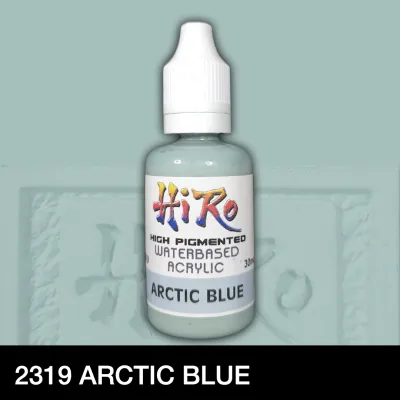
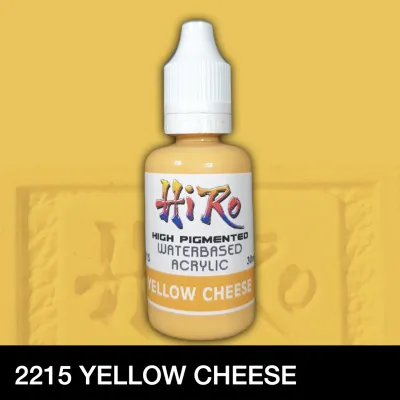
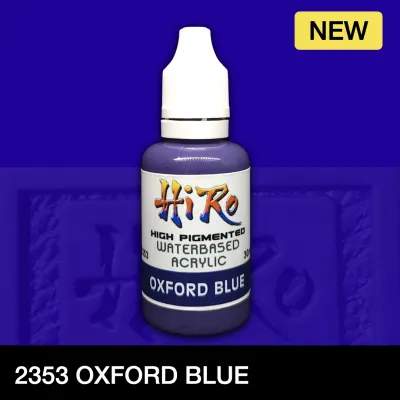
Prices are valid at publication and may change. Please refer to the product page for the latest price.
In contrast, professional artists require paints with a high pigment load, reliable archival quality, and predictable color-mixing properties. Professional-grade paints use pure pigments with minimal fillers, allowing for clean color mixtures that do not turn muddy. These paints also carry verified lightfastness ratings, ensuring that the finished artwork will resist fading when exposed to light over decades.
The painting surface and your chosen technique also dictate the type of paint you need. If you are working on flexible substrates like paper or canvas, the paint must have a flexible binder to prevent cracking. For rigid surfaces like wood, plaster, or mixed media, adhesion is the primary concern. Techniques like impasto require a heavy-body paint that holds thick, sculptural peaks, while glazing and washes require fluid paints that can be thinned with water or mediums without breaking down the binder. Matching your budget to your actual usage frequency and the final destination of your artwork—whether it is for personal practice, a local community mural, or a commercial sale—is the first step in selecting the right brand.
Read the Label: Core Specifications to Compare
To objectively compare Hiro acrylic paint with other brands, you must look past marketing claims and read the technical specifications on the packaging or manufacturer data sheets. The most critical factor is the pigment-to-filler ratio. Artist-grade paints list the specific pigment codes (such as PR101 or PB29) and contain minimal fillers. Student-grade paints, including many budget-friendly options, often use synthetic dyes, organic pigments, or significant amounts of calcium carbonate and barium sulfate as fillers. These extenders reduce production costs but also lower the paint’s overall opacity and tinting strength, meaning you will need more paint to achieve a solid layer of color.

Lightfastness is another essential specification, particularly in the sunny, tropical environment of the Philippines where UV exposure can be intense. Look for standard rating systems on the label, such as the American Society for Testing and Materials (ASTM) ratings (where ASTM I is excellent and ASTM II is very good) or the Blue Wool scale (rated 1 to 8). If a brand does not provide clear lightfastness ratings, the paint is likely intended for temporary work, student practice, or illustration pieces that will be scanned rather than displayed in direct sunlight.
The quality of the acrylic polymer emulsion binder determines how well the paint adheres to surfaces, how flexible it remains after drying, and its overall texture. High-quality binders dry to a durable, water-resistant film that resists cracking even in high-humidity environments. Lower-grade binders may feel sticky or remain tacky long after application, making the artwork prone to collecting dust.
Finally, be aware of color shift. Almost all acrylic paints dry slightly darker than they appear when wet because the acrylic binder changes from milky white to clear as it cures. However, the severity of this color shift varies significantly between brands. Student-grade paints with high filler content often exhibit a more pronounced color shift, which can make precise color matching challenging. Checking manufacturer color charts or performing your own wet-to-dry tests is crucial for managing this behavior.
Decision Matrix: When to Choose Hiro vs. Alternatives
Choosing between Hiro acrylic paint and other brands depends on a clear set of conditions and project requirements.
You should choose Hiro acrylic paint if you are a student, hobbyist, or educator working within a tight budget. It is highly suitable for classroom exercises, color wheel practice, and large-scale applications such as school murals, theatrical backdrops, or underpaintings. In these scenarios, the need for high volume and cost-efficiency far outweighs the need for archival longevity. Hiro provides an accessible entry point that allows you to paint expansively without financial strain.
You should choose premium or artist-grade alternatives if you are producing professional, commercial, or gallery-bound artwork. If your pieces will be sold to collectors or displayed in spaces with variable lighting, you must have guaranteed lightfastness and archival stability. Professional paints offer the high pigment concentration required for complex color mixing, glazing, and fine detail work where color purity must be maintained.
You should choose mid-tier student brands if you are an intermediate artist or illustrator who needs a balance between affordability and reliable pigment performance. These brands often provide better opacity and smoother blending than entry-level paints, making them ideal for detailed illustration work, portfolio pieces, or craft projects that require a more refined finish without the high price tag of professional lines.
Regardless of the brands you select, you must verify compatibility first if you plan to mix different paint lines or grades within the same layer. While acrylic polymer binders are generally compatible, mixing paints with vastly different filler ratios, water content, or binder strengths can lead to uneven drying, patchy sheens, or adhesion issues. Always test mixtures on a scrap piece of canvas before applying them to your main artwork.
How to Test and Verify Paint Performance Yourself
Because paint performance is highly dependent on local environmental factors like temperature and humidity, performing your own physical tests is the most reliable way to evaluate any brand.
Begin by creating swatch tests on primed paper or canvas boards. Draw a thick black line across the substrate using a permanent marker, then apply a single, uniform stroke of paint over the line. This drawdown test allows you to visually assess the paint’s opacity, undertone, and the exact color shift that occurs once the paint dries completely.
To test mixing and blending capabilities, attempt to blend two primary colors on your palette. Observe whether the colors transition smoothly into a clean secondary hue or if they separate, turn chalky, or become muddy. You should also test the paint’s consistency by pulling it upward with a palette knife; a paint with good body will hold its shape and peaks, while a fluid paint will level out quickly.
Adhesion and flexibility can be verified through a simple bend test. Apply a moderately thick layer of paint to a primed, flexible substrate like heavy canvas paper or a canvas sheet. Once the paint has fully cured—which may take several days in humid tropical conditions—gently bend the substrate. Observe whether the paint film remains flexible and intact, or if it shows signs of cracking, flaking, or peeling away from the primer.
Lastly, monitor the drying time under your typical working conditions. Note the “open time”—the window during which you can blend the paint on the canvas before it begins to skin over. In the warm, humid climate of the Philippines, acrylics can dry rapidly, but high humidity can also sometimes prolong the deep curing process. Testing how the paint responds to a few drops of standard acrylic retarder or water will help you understand how to control its working properties in your studio.
Where to Buy and What to Inspect Upon Delivery
To ensure you are working with fresh, high-quality materials, always purchase your paint from authorized art supply stores, established local retailers, or reputable online marketplaces. Avoid buying from unverified sellers, as improperly stored paint can degrade quickly.
When your paint arrives, perform a thorough physical inspection. Check that the safety seals are intact and that there are no signs of leakage around the caps or seams. Look for batch codes or manufacturing dates printed on the tubes or jars; older stock that has sat in warm warehouses for years may have compromised binders.
Open a tube or jar to inspect the contents. The paint should have a smooth, homogeneous consistency. If you observe a significant layer of clear liquid separated from the pigment, or if the paint feels rubbery, clumpy, or completely dried out, the product has been compromised by improper storage or age and should be returned or exchanged.
Frequently Asked Questions (FAQ)
Can I mix Hiro acrylic paint with other professional brands?
Yes, acrylic polymer binders are generally chemically compatible across different brands and grades, allowing you to mix them safely. However, you should be aware of the trade-offs. Mixing a budget-friendly, student-grade paint like Hiro—which contains more fillers—with a high-end, artist-grade paint will dilute the professional paint’s pigment strength and opacity. The mixture may also exhibit an unpredictable drying sheen, drying matte in some areas and satin in others, and the overall lightfastness of the layer will be reduced to the level of the lower-grade paint.
Does Hiro acrylic paint require a specific primer or varnish?
No, Hiro acrylic paint does not require brand-specific primers or varnishes. Any standard acrylic gesso is suitable for preparing canvas, wood, or board surfaces for painting. When it comes to finishing your artwork, you can use any standard acrylic varnish, whether matte, satin, or gloss. Always ensure that the paint layers are completely dry and fully cured before applying varnish. In humid climates, thick paint applications can take several weeks to cure completely; varnishing too early can trap moisture, leading to cloudiness or adhesion failure.

Community discussion
Share your experience or ask a question. Comments are reviewed before publication.