
Choosing the right pocket count for your A4 clear book is a balance between the volume of documents you need to store and how often you plan to carry them. For light, daily tasks like school reports or client presentations, a slim 20-pocket to 40-pocket clear book offers excellent portability. If you are organizing semester-long university courses or standard office records, a medium 60-pocket to 80-pocket capacity provides the ideal middle ground. For heavy-duty archiving, such as long-term contracts or extensive portfolios, high-capacity options with 100 to 120 pockets or more ensure all your documents remain in one centralized place.
Assessing Your Document Volume and Filing Needs
Before purchasing an A4 clear book, calculate your actual storage requirements. A common mistake is equating page count with document count. If you have twenty documents, but each consists of three pages, you need to store sixty pages. Forcing multiple sheets into a single pocket stretches the plastic and tears the seams.
You must also account for document thickness. Standard copy paper in the Philippines ranges from 70 gsm to 80 gsm, which is thin and easy to slide into sleeves. However, thicker materials like certificates or cardstock occupy significantly more physical space.
Products mentioned in this guide
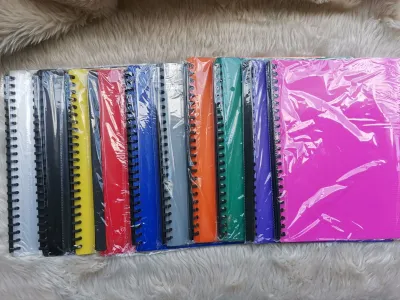
![Clear Book Folder [A4/FC Sizes]](https://img.lazcdn.com/g/p/5056a47c77cba4790cd5190dfb69f6d4.jpg_400x400q80.jpg_.webp)
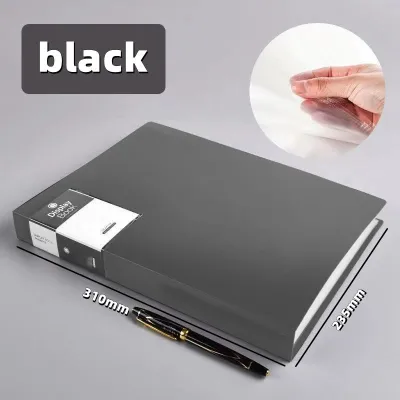
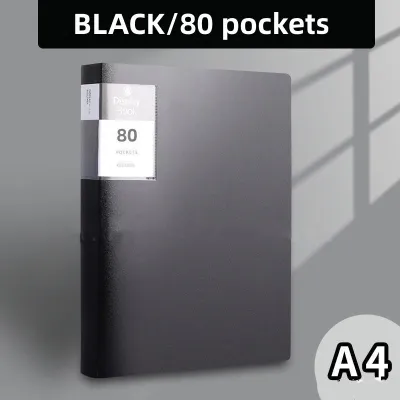
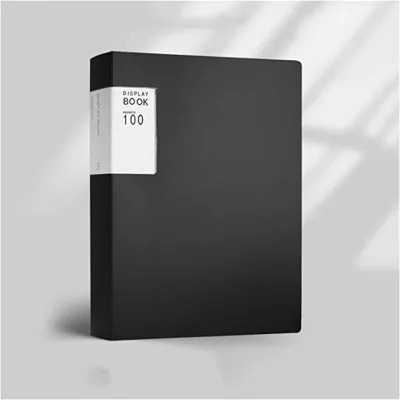
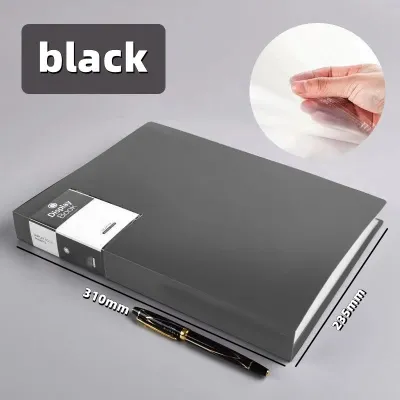
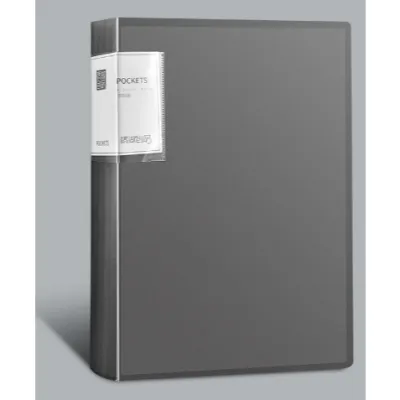
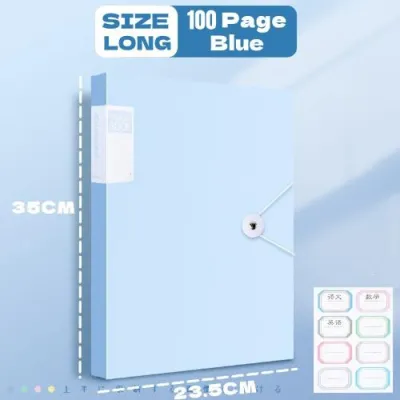
Prices are valid at publication and may change. Please refer to the product page for the latest price.
Furthermore, high humidity levels in the Philippines can affect how paper behaves inside plastic. Humid air can cause paper to swell and stick to the inner lining of the pockets. If you pack your clear book to its limit, this moisture can lead to ink transfer. Always leave a small buffer of empty pockets to allow for natural air circulation.
Matching Pocket Counts to Common Use Cases
Standard A4 clear books are manufactured in specific pocket capacities to suit different organizational needs. Matching these capacities to your daily academic or professional workflow ensures efficiency.

Light Duty and High Portability (20 to 40 Pockets)
A clear book with 20 to 40 pockets is designed for mobility and short-term projects. This capacity is highly favored by students for compiling weekly assignments, by professionals for presenting business proposals, and for keeping travel itineraries organized.
The primary advantage of a slim clear book is its high portability. It slides easily into a standard backpack or briefcase without adding unnecessary bulk, making it ideal for daily commutes on public transit.
However, the trade-off is a complete lack of expansion space. Once you fill the pockets, adding more sheets forces you to double up, which stretches the plastic and prevents the book from laying flat.
Medium Capacity for Regular Filing (60 to 80 Pockets)
For standard, ongoing organizational needs, a medium-capacity clear book with 60 to 80 pockets is the most versatile option. This range is highly suitable for organizing a full semester of university lecture notes, storing employee onboarding packets, or maintaining a medium-sized creative portfolio.
This capacity strikes an excellent balance between storage volume and physical handling. It is large enough to hold a substantial amount of information, yet it remains compact enough to be carried to meetings or classes when necessary.
When using a medium-capacity book, keep in mind the total weight of the paper. While 80 pockets can hold up to 160 pages if utilized back-to-back, the cumulative weight of heavier paper grades can make the folder quite heavy. Ensure your bag can accommodate this weight if you plan to transport it regularly.
Heavy Duty and Archival Storage (100 to 120+ Pockets)
When you need to consolidate a massive volume of documents into a single reference guide, a heavy-duty clear book with 100 to 120 pockets or more is the ideal choice. This capacity is best reserved for long-term archival storage, such as compiling multi-year tax receipts, housing comprehensive art portfolios, or organizing product manuals and warranties.
These high-capacity books are designed to remain stationary. They are perfect for reference libraries, office shelves, or home filing cabinets where they can be stored upright. Having all your critical documents in one place simplifies long-term tracking and ensures nothing gets misplaced.
The main challenge with heavy-duty clear books is managing their physical bulk. A fully loaded 120-pocket book is heavy, rigid, and takes up significant shelf space. The spine must be exceptionally sturdy to support the weight of the pages, and carrying such a book on a daily basis is highly impractical.
Key Factors Beyond Pocket Count
While pocket count is a primary consideration, several physical design elements dictate how usable and durable your A4 clear book will be over time.
First, evaluate the spine thickness and overall construction. A rigid, wide spine provides excellent protection for the edges of your documents and allows the book to stand upright on a shelf. However, a flexible spine is often more space-efficient if you only plan to fill the book partially.
Second, pay close attention to the sleeve material. In humid tropical environments, low-quality plastic sleeves can degrade, turn yellow, or stick together. Look for clear books featuring acid-free, copy-safe, and anti-glare polypropylene sleeves. These materials ensure that printed ink does not transfer onto the plastic, preserving your documents for years. Additionally, check the strength of the welded seams; high-capacity books require reinforced seams to prevent tearing when pages are turned frequently.
Finally, consider the binding mechanism. Fixed-bound clear books have sleeves welded directly into the spine, offering a sleek and cost-effective design but zero flexibility. If you anticipate needing to rearrange, add, or remove pages in the future, a refillable loose-leaf display book with a multi-ring mechanism is a much more adaptable choice.
Common Mistakes When Choosing Clear Book Capacity
Avoiding common purchasing pitfalls can save you money and prevent organizational frustration. One frequent error is overbuying capacity. Purchasing a 100-pocket clear book for a project that only requires 20 pages results in a floppy, half-empty folder that is difficult to store and looks unprofessional during presentations.
Another mistake is ignoring document thickness. If you plan to store thick brochures, certificates, or photos, they will occupy the physical space of multiple standard sheets. Failing to account for this thickness will cause the clear book to bulge awkwardly, putting immense pressure on the spine and seams.
Lastly, many users fail to plan for navigation. As the pocket count increases, finding specific documents becomes increasingly difficult. If you choose a high-capacity book, ensure you select a model that accommodates index tabs, color-coded dividers, or has a customizable spine label so you can quickly locate the files you need.
Frequently Asked Questions (FAQ)
Can I add more pockets to a standard A4 clear book?
No, you cannot add more pockets to a standard fixed-bound A4 clear book. These models have a set number of plastic sleeves welded permanently into the spine during manufacturing. If you require an adjustable capacity, you should purchase a refillable display book. These models utilize a multi-ring binder mechanism that allows you to open the rings and insert or remove compatible A4 refill pockets as your storage needs change.
Is it better to buy one large clear book or multiple smaller ones?
Deciding between one large clear book or multiple smaller ones depends on your organizational strategy. Multiple smaller clear books (such as three 20-pocket books) allow you to categorize your documents by subject or project using color-coding, which is highly efficient and easier to carry. However, if you need to keep a single, continuous record of a large project or archive, a single high-capacity book (such as an 80-pocket or 100-pocket model) is better for keeping all related documents consolidated in one secure place.

Community discussion
Share your experience or ask a question. Comments are reviewed before publication.