
Determining how many pockets you need in an expanded folder comes down to matching your distinct document categories to the physical volume of paper you generate. If you are organizing monthly utility bills, tax documents, or school subjects, a standard 12-pocket folder is usually the most efficient choice. However, if your workflow involves bi-weekly tracking, managing multiple clients, or archiving multi-year projects, you will likely need a high-capacity folder with 24 or more pockets. Choosing the right size requires balancing the number of distinct categories with the physical thickness of the documents you intend to store.
Assessing Your Document Volume and Categories
Before purchasing an expanding file organizer, take a close look at your current document pile. Start by counting the number of distinct categories you need to separate. For instance, a freelance professional might need separate slots for invoices, contracts, expense receipts, and tax forms. Mapping these out beforehand prevents you from running out of slots midway through your organization project.
Next, consider the physical thickness and paper weight of the documents you plan to store. Standard office paper is typically 70 to 80 gsm, but if you frequently handle heavier cardstock, brochures, or laminated sheets, they will occupy significantly more physical space. In tropical climates with high humidity, paper naturally absorbs moisture from the air. This moisture absorption causes individual sheets to swell slightly and stick together, meaning a stack of fifty sheets in a humid environment can feel noticeably thicker and heavier than the same stack in a dry climate.
Products mentioned in this guide
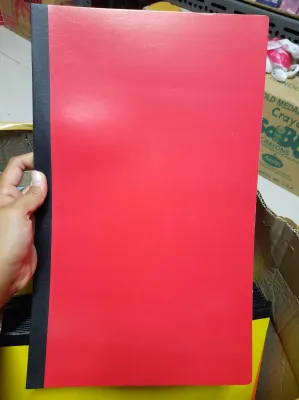
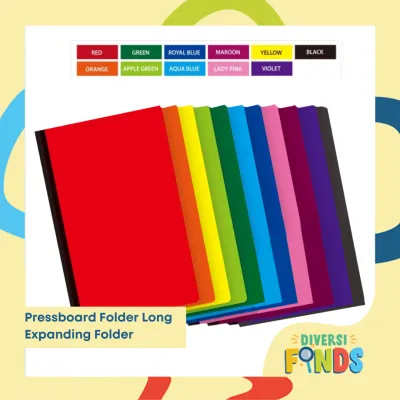
![Press Board Folder / Expanding Colored Folder - Long Size [Sold By 5/10pcs]](https://img.lazcdn.com/g/p/10ced4394340cc91ce4cc4a1280ea996.jpg_400x400q80.jpg_.webp)
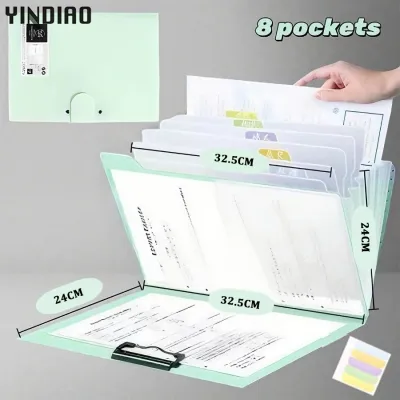
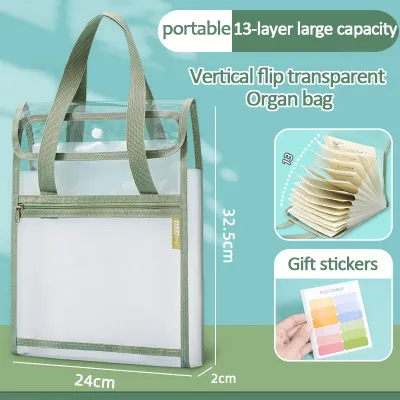
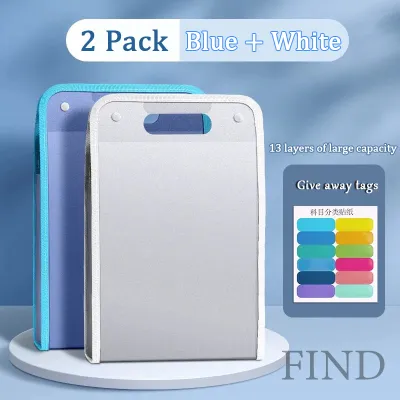

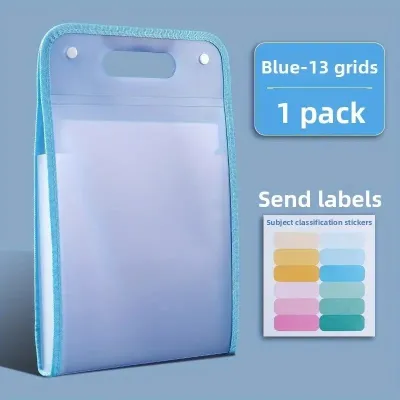
Prices are valid at publication and may change. Please refer to the product page for the latest price.
Finally, factor in future document accumulation over your intended filing period. If you plan to use a single folder for an entire fiscal year, your document volume will grow month by month. A folder that fits your documents perfectly in January will likely overflow by June if you do not leave a buffer. It is generally wise to choose a folder with at least two or three more pockets than your current category count to accommodate unexpected paperwork or receipts that inevitably accumulate over time.
Matching Pocket Counts to Common Organization Needs
Selecting the right pocket count is easier when you align your filing system with standard organizational frameworks. Most expanded folders on the market are designed around specific timeframes or academic structures, making it simple to match your routine to a particular folder capacity.

To help you visualize the best fit for your daily routine, consider how your documents naturally divide. The table below outlines how common pocket configurations align with typical household, academic, and professional filing systems.
| Pocket Count | Best Suited For | Typical Use Cases |
|---|---|---|
| 6 to 8 Pockets | Short-term projects or single subjects | Midterm exam prep, travel document organization, active project phases |
| 12 to 13 Pockets | Monthly cycles or standard school terms | Annual utility bills, monthly bank statements, high school or college semesters |
| 24 to 26 Pockets | High-frequency tracking or multi-client work | Bi-weekly payroll, multi-client project files, comprehensive tax archives |
| 30+ Pockets | Multi-year archiving or complex indexing | Multi-year business records, extensive medical history tracking |
12-Pocket Expanded Folders
A 12-pocket expanded folder (often featuring 13 pockets to allow for a front or back cover slot) is the industry standard for a reason. This configuration is perfectly tailored for monthly billing cycles, allowing you to dedicate one pocket to each month of the year. It is also highly effective for students managing a standard academic semester, where you can assign individual pockets to different subjects, lecture notes, and administrative paperwork.
However, these standard folders have clear physical limitations. Because they are designed for moderate use, their individual pockets can quickly become overstuffed if you try to force thick stacks of paper into a single section. If you need to create sub-categories within a single month—such as separating electricity bills from water bills—a 12-pocket folder will force you to mix documents together, defeating the purpose of a highly organized system. If your monthly paperwork exceeds thirty to forty sheets per category, the dividers may begin to bend or tear under the strain.
24-Pocket and High-Capacity Folders
When your filing needs outgrow monthly cycles, upgrading to a 24-pocket or high-capacity folder is the logical next step. These larger organizers are ideal for bi-weekly tracking, such as payroll records, bi-monthly utility payments, or bi-weekly project milestones. They are also highly favored by freelancers, real estate agents, and small business owners who manage multiple clients simultaneously and need a dedicated, easily accessible slot for each account.
While high-capacity folders offer unmatched categorization detail, they come with distinct trade-offs. As you fill twenty-four or more pockets, the folder becomes significantly heavier and bulkier, making it less suitable for daily commuting in a backpack or briefcase. Additionally, navigating a very large folder can sometimes be overwhelming; without a clear, color-coded indexing system, you might find yourself spending extra time flipping through dozens of dividers just to locate a single document. These folders are best kept as stationary desktop archives rather than portable organizers.
Key Features to Check Beyond Pocket Count
While pocket count is a crucial starting point, several physical and material specifications dictate how much paper your folder can actually hold and how well it will protect your documents.
First, always check the gusset width, which refers to the expansion depth of the folder’s outer edges. A folder with twenty-four pockets is useless if the bottom gusset does not expand wide enough to let the pockets open fully. Look for reinforced gussets made from durable materials like polypropylene or woven fabric tape, which prevent the bottom and sides from splitting when the folder is loaded to maximum capacity.
Second, verify paper size compatibility. In many local offices and schools, you will encounter a mix of paper sizes, including standard A4, Letter size (often referred to locally as short bond paper), and Legal size (often referred to as long bond paper). Standard folders designed for A4 or Letter paper will leave the tops of Legal-sized documents protruding. This exposure leads to crumpled edges, dog-eared corners, and potential tearing when you close the folder. Ensure the folder’s physical dimensions match the largest paper size you intend to store.
Third, assess the closure mechanism. A fully expanded folder exerts significant outward pressure on its cover. Elastic cord closures offer excellent flexibility because they stretch to accommodate a thick load, but they can lose their elasticity over time in hot, humid conditions. Snap buttons and plastic buckle closures provide a more secure, rigid lock, but they may fail to close if you overstuff the folder beyond its designed physical limit. Choose a closure that matches your portability needs and expected document volume.
Common Mistakes When Choosing Folder Capacity
One of the most frequent mistakes is buying an expanded folder based solely on the pocket count while ignoring the physical volume capacity. A folder might advertise twenty-four pockets, but if its overall expansion depth is narrow, each pocket will only hold a few sheets of paper before the entire unit becomes rigid and impossible to close. Always look at the overall expansion measurement rather than just the divider count.
Another common error is overstuffing individual pockets. When you force too many sheets into a single section, you put immense pressure on the internal plastic welds or glue lines. Over time, these dividers will tear away from the outer shell, causing your categorized documents to slip underneath and mix together. If you find yourself cramming more than fifty sheets into a single pocket, it is a clear sign that you need to subdivide that category or upgrade to a folder with a wider gusset.
Conversely, some users buy high-capacity folders for simple organizational tasks, thinking more is always better. This leads to a folder with numerous empty, unused sections. Not only does this waste valuable desk space, but the empty pockets also collapse inward, making the folder awkward to handle and unnecessarily heavy to carry around. Matching your folder capacity to your actual document volume ensures a compact, efficient, and highly functional filing system.
Frequently Asked Questions (FAQ)
Can I use an expanded folder for heavy cardstock or thick media?
Yes, but you must adjust your capacity expectations. Heavy cardstock, folders, or laminated sheets are much thicker than standard 70 gsm copy paper. While a pocket might comfortably hold fifty sheets of standard paper, it may only accommodate ten to fifteen sheets of heavy cardstock before bulging. Always check the manufacturer’s overall expansion limit, and distribute heavier media evenly across multiple pockets to prevent the folder from becoming unbalanced or splitting at the seams.
How do I label the pockets effectively without damaging the folder?
The safest method is to use the built-in index tabs and insertable paper label cards that come with most expanded folders. If your folder does not have built-in tab slots, use removable adhesive labels or high-quality sticky notes rather than writing directly on the plastic dividers with permanent markers. Removable labels allow you to repurpose the folder for different projects in the future without leaving sticky residue or unsightly ink marks that ruin the professional appearance of your organizer.

Community discussion
Share your experience or ask a question. Comments are reviewed before publication.