
Planning a sewing project in the Philippines requires a clear understanding of your material costs, especially when sourcing specialty textiles like rainbow cloth. Whether you are crafting a vibrant summer dress, designing custom home decor, or preparing costumes for a local festival, the cost of rainbow cloth per yard depends on several distinct variables. While exact market prices fluctuate based on material composition, fabric width, and vendor location, establishing a practical budgeting framework helps you estimate your total expenses accurately. By learning how to verify fabric specifications and account for hidden fees, you can confidently plan your purchase and avoid costly mistakes.
Key Factors That Determine the Cost of Rainbow Fabric
To build an accurate budget, you must first understand the primary drivers behind the pricing of rainbow fabric. The most significant factor is the material composition. Synthetic fibers, such as polyester or nylon blends, are generally more economical to produce and are widely available in local textile markets. These materials are highly durable and resist wrinkling, making them popular for casual wear and decorations. On the other hand, natural fibers like pure cotton, linen, or rayon tend to carry a higher price tag per yard due to their breathability and comfort, which are highly valued in the warm, humid Philippine climate.
Fabric width is another critical variable that directly influences the cost per yard and the overall value of your purchase. Standard fabric bolts typically come in widths of 45 inches or 60 inches. A 60-inch wide fabric provides significantly more usable surface area per yard than a 45-inch alternative, which often justifies a higher price point. When comparing prices online or in-store, always check the width specification to determine the actual cost-to-surface-area ratio, as a slightly more expensive 60-inch fabric may ultimately require you to buy fewer yards overall.
Products mentioned in this guide
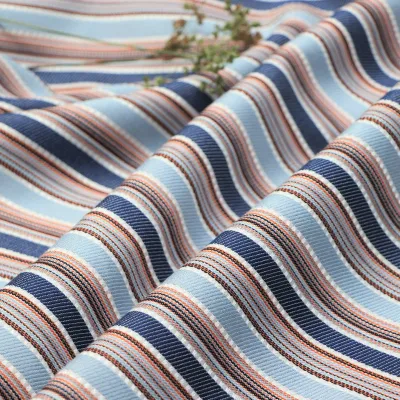
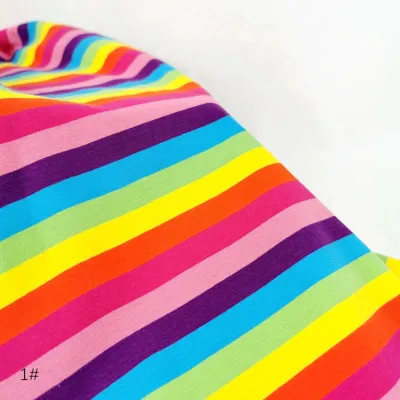
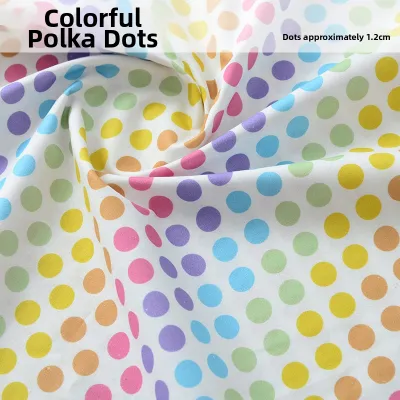
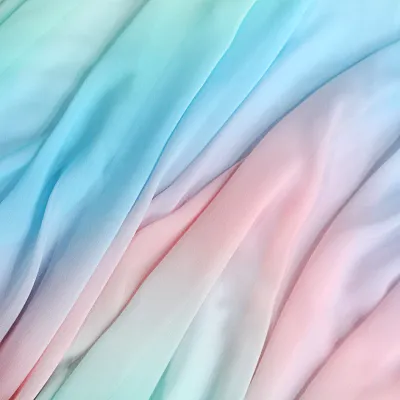
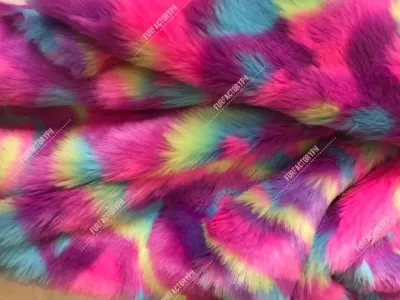
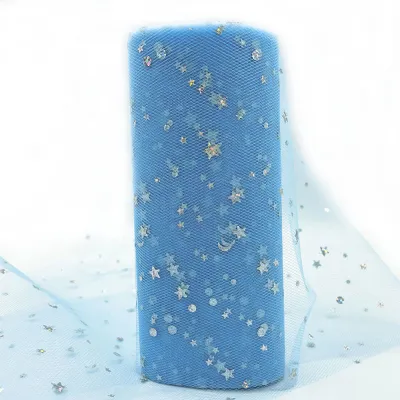
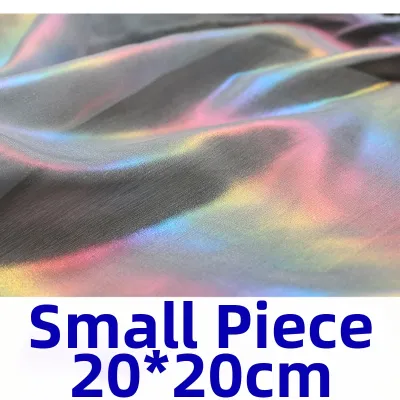
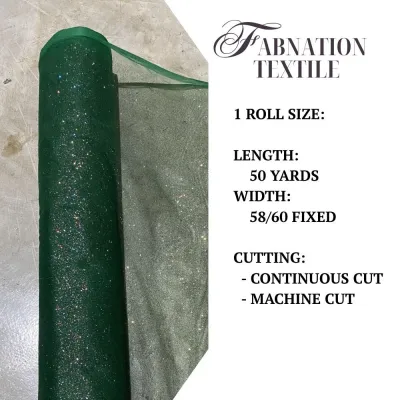
Prices are valid at publication and may change. Please refer to the product page for the latest price.
The method used to apply the rainbow pattern also plays a major role in determining the retail price. Digital printing technology allows for incredibly vibrant, multi-colored designs with smooth gradients, but the specialized machinery and ink required often make digitally printed fabrics more expensive. Conversely, yarn-dyed fabrics, where individual threads are dyed before weaving, offer excellent color depth and durability but may have simpler geometric or striped rainbow patterns. Screen-printed fabrics represent a middle ground, offering a balance of cost and color vibrancy, though the quality can vary depending on the manufacturer.
How to Calculate Your Total Project Budget
Calculating your total project budget involves much more than simply multiplying the price of one yard of rainbow cloth by your estimated length. To start, you must determine your base yardage requirements using your sewing pattern’s layout guide. It is highly recommended to add a buffer of at least 10% to 15% to your total yardage to account for fabric shrinkage during the pre-washing phase, potential cutting errors, and pattern matching. Pre-washing is especially crucial in tropical environments, as natural fibers like cotton can shrink significantly when exposed to water and heat, altering the fit of your finished garment if not treated beforehand.

Beyond the main fabric, you must factor in the cost of essential sewing notions that complete the project. A vibrant rainbow fabric often requires specific matching threads, which might mean purchasing multiple colors or a neutral shade that blends seamlessly with the print. Other notions, such as interfacing to stabilize collars and cuffs, zippers, buttons, and elastic bands, quickly add up and should be detailed in your initial budget sheet. Skipping these calculations can lead to unexpected trips to the local haberdashery, disrupting your workflow and inflating your overall expenses.
Finally, if you are purchasing your fabric through online marketplaces or e-commerce platforms, you must account for variable transaction and delivery fees. Shipping costs in the Philippines can vary widely depending on your location, the weight of the fabric bolts, and the courier service selected. Some platforms also apply small handling fees or local taxes at checkout. Always add the items to your digital cart and proceed to the final checkout screen to verify the total cost in ₱, including all shipping and handling charges, before finalizing your payment to ensure there are no hidden surprises.
What to Verify Before Buying Fabric Online or In-Store
To ensure you receive high-quality material that matches your project requirements, you must perform several key verifications before making a purchase. First, carefully read the product description or physical label to check the exact material blend, fabric weight, and care instructions. Fabric weight is usually measured in grams per square meter (GSM) or ounces; a lightweight fabric is ideal for breezy summer clothing, while a heavier weight is better suited for structured garments or upholstery. Understanding these specifications prevents you from accidentally buying a stiff, heavy canvas when you intended to purchase a soft, flowing drape.
Colorfastness is another critical quality check, particularly for multi-colored rainbow fabrics where dark or vibrant dyes can easily bleed into lighter sections during washing. If you are purchasing fabric in bulk or sourcing from an unfamiliar vendor on an online marketplace, consider requesting a small physical swatch beforehand. You can test this swatch by soaking it in warm water with a mild detergent to observe if any dye bleeds. For in-store purchases, you can perform a quick rub test with a damp white cloth to check if the pigments transfer easily, which is a common sign of poor dye quality.
Additionally, always clarify the vendor’s specific purchasing terms and return policies before committing your funds. Verify whether the listed price is strictly for a single yard (36 inches) or if the vendor utilizes different units of measurement, such as meters (39.3 inches), which is also common in Philippine retail. Check if there is a minimum order quantity for custom prints and understand the return policy regarding cut fabric. Most vendors do not accept returns once the fabric has been cut from the bolt, making it absolutely vital to double-check your measurements and specifications before the scissors touch the cloth.
Budget-Friendly Alternatives and Compromises
If your dream sewing project features a premium rainbow fabric that stretches your budget, there are several creative strategies you can employ to lower costs without compromising visual appeal. One highly effective method is using the expensive rainbow cloth as an accent or border rather than the primary material. For example, you can design a dress with a solid-colored bodice using affordable local cotton, and use the vibrant rainbow fabric solely for the sleeves, pockets, or hemline. This approach highlights the colorful print as a design feature while significantly reducing the total yardage of premium fabric required.
Another way to optimize your budget is by adjusting your pattern layout to minimize fabric waste. Carefully arrange your pattern pieces on a flat surface or digital design software before purchasing to see if you can fit the pieces more tightly together, potentially saving half a yard or more. Choosing patterns with fewer seams or simpler silhouettes can also help you maximize the usable width of a 60-inch fabric bolt. By reducing the amount of scrap fabric left over, you ensure that every peso spent on your rainbow cloth is utilized effectively.
Lastly, consider making strategic compromises on material composition based on the intended use of the finished item. While pure natural fibers offer unmatched comfort, high-quality synthetic blends or polyester-cotton mixes are often much more affordable and easier to care for. For practice garments, costumes worn only once, or decorative party banners, synthetic rainbow fabrics provide the same visual impact at a fraction of the cost. Reserving premium natural fibers for heirloom pieces or daily-wear garments allows you to allocate your sewing budget where it matters most.
Frequently Asked Questions (FAQ)
How much extra yardage should I buy for pattern matching?
When working with rainbow fabrics that feature repeating stripes or distinct color gradients, you will need to purchase extra yardage to ensure the patterns align beautifully across seams. The exact amount of extra fabric depends on the repeat length of the print, which is the physical distance before the pattern starts over again. For small repeats of under six inches, adding an extra quarter-yard to half-yard is usually sufficient. For large, dramatic rainbow gradients or wide stripes, you may need to add up to a full yard or more, depending on the number of pattern pieces and how precisely you want the colors to match at the side seams.
Does the width of the fabric change how many yards I need?
Yes, the width of the fabric significantly impacts the total yardage required for your sewing project. Most commercial sewing patterns provide a handy yardage chart on the back of the envelope, detailing the specific requirements for both 45-inch and 60-inch wide fabrics. Because a 60-inch fabric bolt offers more horizontal space, you can often layout your pattern pieces side-by-side rather than end-to-end, which reduces the total linear yardage needed. Always consult your pattern’s specific layout guide before purchasing your rainbow cloth to ensure you buy the correct amount for the specific width available.

Community discussion
Share your experience or ask a question. Comments are reviewed before publication.