
Buying fabric scraps by the kilogram is an excellent way to source materials for sewing projects, upholstery, or crafting home goods like rugs and pot holders. However, purchasing fabric by weight—especially when looking for options like string retaso per kilo—comes with the risk of buying unusable waste. To get the best value, you must know how to inspect the bundle before handing over your money, ensuring that the scraps are clean, strong, and sized appropriately for your intended creations.
By learning how to spot hidden defects, estimate actual yield, and negotiate fairly with local sellers, you can turn a simple pile of scraps into a highly cost-effective inventory for your workshop. A systematic approach to inspection saves you from bringing home dusty, damaged, or unusable material that only takes up valuable storage space.
Prepare for the Inspection
Before heading to your local textile market or warehouse, prepare a basic inspection kit. Bring a small, flexible measuring tape to check the dimensions of larger pieces and a fabric swatch card if you need to match specific colors or textures for ongoing projects. Having these tools on hand prevents guesswork when you are faced with a massive pile of mixed scraps.
Products mentioned in this guide
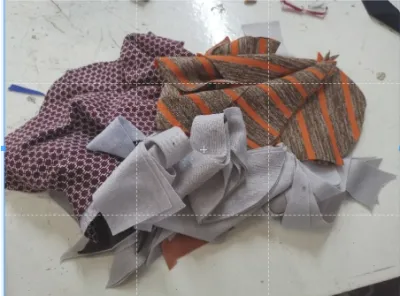
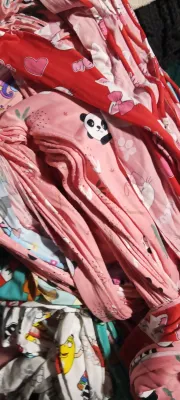
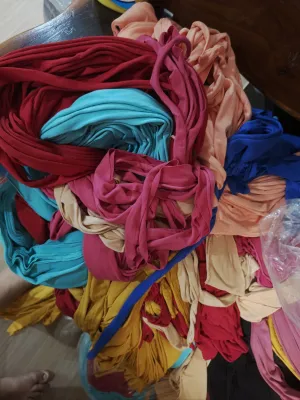
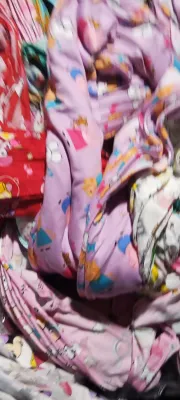
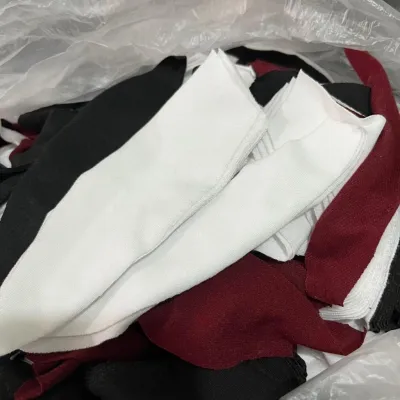
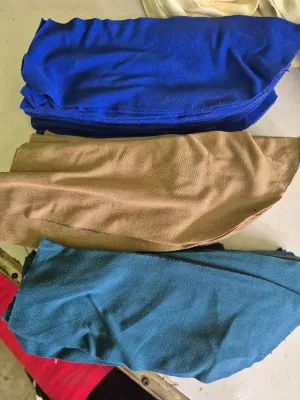
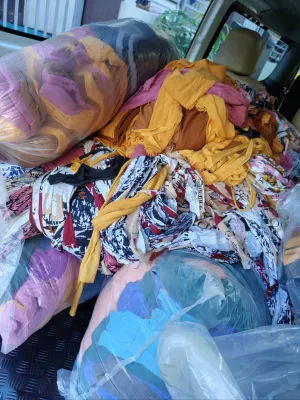
Prices are valid at publication and may change. Please refer to the product page for the latest price.
When you arrive at the shop, ask the seller whether the sacks are sorted by fabric type or if they are completely mixed. Sorted sacks, such as all-cotton, all-knit, or all-denim, are much easier to evaluate. Mixed sacks require a more thorough, time-consuming inspection to ensure you do not end up with materials you cannot use.
Always request to inspect the fabric in an area with adequate lighting. Natural daylight is ideal for spotting subtle stains, color fading, or fiber damage. If possible, find a clean, flat surface—like a large cutting table or a clean tarp—where you can spread out the pieces and examine them without dragging them on a dusty floor.
Perform Visual and Tactile Quality Checks
The first step in physical inspection is a thorough visual check. Look closely for stains, mold spots, or discoloration. In tropical climates with high humidity, fabric stored in damp warehouses can easily develop mildew, which leaves dark spots and weakens the fibers. Avoid pieces with deep-set stains or water damage, as these are often impossible to wash out and will ruin your finished products.

Next, use your hands to assess the texture and fiber content. Feel the fabric to determine if it is natural cotton, a synthetic polyester blend, or a heavy canvas. Be on the lookout for excessive stiffness or brittleness, which often indicates that the fabric has been exposed to extreme heat, sunlight, or harsh chemical treatments during manufacturing or storage. Brittle fabric will tear easily under the needle.
Examine both the edges and the centers of the larger scraps. While some fraying along raw cut edges is normal for woven fabrics, excessive fraying or thinning in the middle of the piece is a major warning sign. Hold the fabric up to the light to check for thin spots, tiny holes, or structural wear that could compromise the durability of your sewn items.
If you are inspecting knit fabrics or string retaso per kilo, test the stretch and recovery. Gently pull a section of the fabric and release it; it should snap back to its original shape. If the fabric remains stretched out, limp, or distorted, the elastane or spandex fibers have degraded, making the material unsuitable for garments or items that require flexibility.
Estimate Usable Yield and Project Suitability
When buying by the kilo, you are paying for the total weight, but your actual value comes from the usable surface area. Take out a few representative pieces from the sack and measure their continuous dimensions. If you are making small items like scrunchies, patchwork quilts, or coin purses, smaller scraps are perfectly fine. However, if you plan to sew children’s clothing or larger household items, ensure there are enough pieces that meet your minimum pattern dimensions.
Calculate the approximate ratio of usable fabric to unusable offcuts. A sack filled with odd, triangular slivers or extremely narrow strips may weigh a lot but offer very little surface area for cutting out patterns. If you are specifically buying string retaso per kilo for weaving rugs or making mops, ensure the strips are long and consistent enough to be tied or braided together without constant knotting.
Keep in mind the hidden costs of working with smaller scraps. Piecing together tiny fragments requires significantly more sewing thread, interfacing, and prep time. If a sack consists mostly of tiny pieces, factor in the extra labor and utility costs you will incur during the sewing process before deciding if the price per kilo is truly a bargain.
Identify Red Flags and Unusable Waste
One of the most common pitfalls when buying retaso by weight is paying for non-fabric weight. Avoid sacks that are heavily weighted down by thick, bulky seams, heavy metal zippers, buttons, or thick elastic bands. Sellers sometimes bundle these heavy manufacturing leftovers into the middle of the sack, which artificially inflates the weight and leaves you with less actual fabric.
Use your sense of smell to detect storage issues. Reject any bundles that emit a strong chemical, musty, or smoky odor. A musty smell is a clear indicator of mold or mildew growth, which can spread to your other fabrics and is incredibly difficult to eliminate. Strong chemical smells may indicate toxic dyes or industrial finishes that are unpleasant and potentially unsafe to work with in unventilated spaces.
Watch out for sacks dominated by extremely sheer, slippery, or heavily frayed materials unless you have a specific project that requires them. Flimsy synthetics and highly delicate fabrics are notoriously difficult to cut and sew, especially when they are cut into irregular scrap shapes. If the bundle is filled with these challenging materials, it may end up sitting in your storage unused.
Negotiate and Finalize Your Purchase
Once you have completed your inspection, use your findings to make an informed buying decision. If you notice minor flaws, such as slight dust stains or a higher ratio of small scraps than expected, point these out to the seller. You can use these observations as polite leverage to negotiate a lower price per kilo in ₱, or to ask if they can throw in a few extra pieces to offset the waste.
Before handing over your payment, clarify the seller’s return or exchange policy. Many wholesale fabric scrap dealers sell retaso on an “as-is” basis, meaning all sales are final. If this is the case, your pre-purchase inspection is your only line of defense. If they do allow exchanges, confirm the timeframe and conditions under which you can return unusable portions.
Finally, decide on the buying method that suits your budget and project needs. Some sellers allow you to hand-pick individual pieces from a pile for a slightly higher price per kilo, while others require you to buy the entire pre-packed sack at a cheaper flat rate. If your projects require specific colors or high-quality fibers, paying a bit more to hand-pick is often more cost-effective than buying a whole sack of mixed, unpredictable scraps.
Frequently Asked Questions (FAQ)
Should I wash retaso before using it for sewing projects?
Yes, pre-washing your retaso is highly recommended before starting any sewing project. Fabric scraps from garment factories often carry industrial sizing, dust, and chemical residues from the manufacturing floor. Pre-washing removes these impurities, softens the fabric, and pre-shrinks the material so your finished items do not warp or shrink unevenly after their first wash.
Before tossing the scraps into the washing machine, sort them by color and estimated fabric type. Mixing bright reds or dark blues with light pastels can lead to severe dye bleeding, ruining your lighter pieces. If you suspect some pieces are delicate synthetics or prone to fraying, place them in mesh laundry bags or hand-wash them to prevent them from tangling or unraveling in the machine.
After washing, air-dry the pieces in a shaded, well-ventilated area. Avoid using high heat in a dryer, especially if you are unsure of the fiber content, as synthetic blends can melt, shrink excessively, or become brittle under high temperatures.
How do I store bulk retaso to keep it in good condition?
Proper storage is essential to protect your fabric investment from dust, pests, and moisture. Store your bulk retaso in a cool, dry place away from direct sunlight, as prolonged exposure to UV rays can fade colors and weaken fabric fibers over time.
In humid environments, avoid storing fabric in airtight plastic bags for long periods, as trapped moisture can lead to mold and mildew. Instead, use breathable cotton storage bags or clear plastic bins equipped with silica gel packets or desiccants to absorb excess moisture. This keeps the fabric smelling fresh and prevents fiber rot.
To maximize space and keep your workspace organized, sort your retaso by size, color, or fabric type. Fold or roll the larger pieces neatly to minimize deep creases, which can be difficult to iron out later. Keeping your scraps organized ensures you can easily find the right piece for your next project without digging through a chaotic pile.

Community discussion
Share your experience or ask a question. Comments are reviewed before publication.