
Selecting a 5-in-1 pencil set requires balancing multi-tool convenience with writing performance. Because these instruments pack multiple functions into a single barrel, they are prone to mechanical failure, lead breakage, and ergonomic discomfort if poorly designed. To find a reliable set, you must carefully inspect the lead smoothness, eraser compound quality, grip ergonomics, and internal clutch materials before purchasing.
Quick Answer: Essential Features to Check in a 5-in-1 Pencil Set
A standard 5-in-1 pencil set typically integrates multiple functions—such as different graphite lead sizes (e.g., 0.3mm, 0.5mm, 0.7mm), colored leads (such as red or blue polymer leads), or a combination of mechanical pencil components and ballpoint pen ink refills—all within a single outer casing. When shopping for one, your evaluation should center on four primary pillars: lead smoothness and break resistance, eraser compound quality and refill availability, grip ergonomics, and the durability of the internal switching mechanism.
To ensure a long-lasting purchase, prioritize sets that use standard-sized refills and robust metal internal clutches rather than cheap, proprietary plastic components that are difficult to replace or prone to cracking under daily use.
Products mentioned in this guide
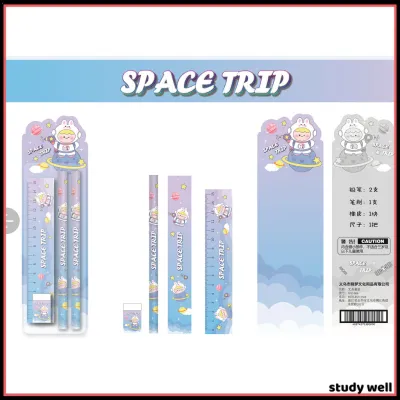
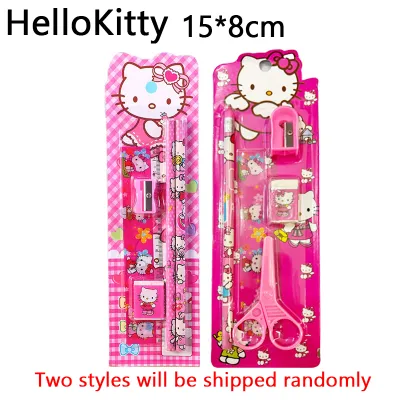
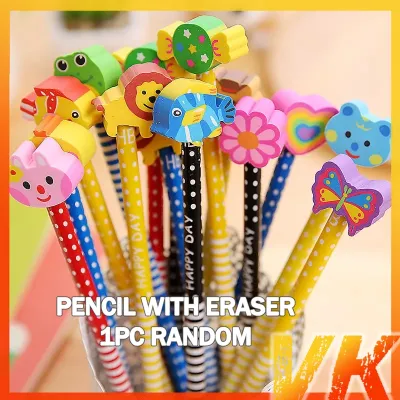
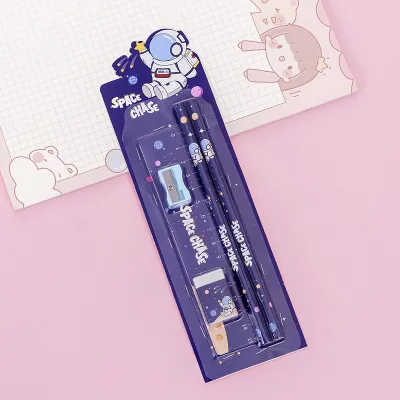
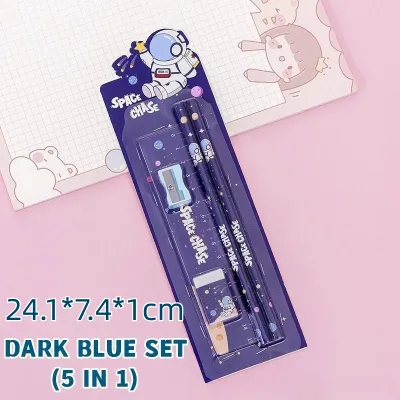
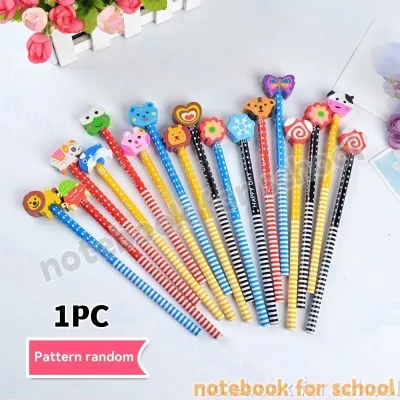
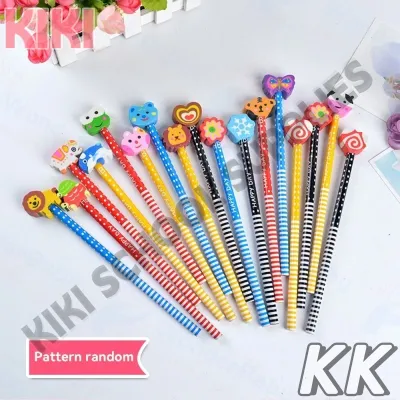
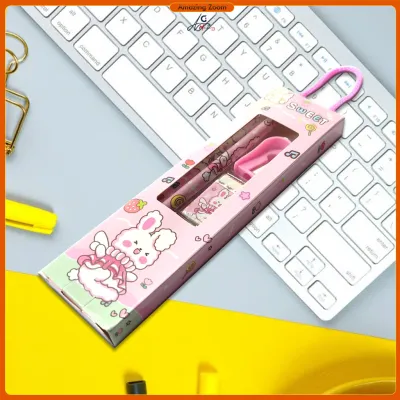
Prices are valid at publication and may change. Please refer to the product page for the latest price.
How to Evaluate Lead Smoothness and Break Resistance
Understanding Lead Grades and Variations Mechanical pencil leads rely on a mix of graphite and a binder to determine their hardness and darkness. Standard grades like HB offer a balanced performance for general writing, while 2B leads contain more graphite and less binder, resulting in a darker, smoother line that is ideal for sketching or shading. When selecting a 5-in-1 set, verify that the pencil chambers can accommodate the specific grades you use daily. Some advanced sets allow you to load different grades into separate chambers, giving you instant access to both hard drafting leads and soft sketching leads without changing pencils.

Assessing Smoothness vs. Scratchiness The writing experience of a multi-function pencil depends heavily on the quality of its lead. Cheaper, low-grade sets often include clay-bound leads that feel scratchy, drag on the paper, and produce uneven line weights. High-quality sets utilize polymer-bound leads, which incorporate synthetic resins to create a smoother, more fluid glide. To test this, draw a series of continuous, interlocking loops on standard copy paper. A high-quality lead will glide effortlessly, providing consistent dark lines with minimal hand pressure, while a low-quality lead will feel rough, skip, and produce noticeable graphite dust.
Evaluating Break Resistance and Diameter Because multi-function pencils must fit several chambers inside a narrow barrel, their internal lead guide tubes are often slightly curved or angled. This design puts extra stress on the lead, making break resistance a critical factor. Standard 0.5mm leads provide excellent precision for fine writing but are highly susceptible to snapping under heavy pressure. If you write with a heavy hand, look for sets that utilize 0.7mm leads or features shock-absorbing tip sleeves that retract slightly when excessive downward force is applied.
Verifying Refill Compatibility Before purchasing a 5-in-1 set, inspect the refill specifications. Some budget-friendly or highly specialized sets use non-standard lead lengths or proprietary diameters that cannot be replaced with standard refills. Sourcing these proprietary refills in local stationery stores can be incredibly difficult and expensive. Opt for sets that accept standard, widely available refills from major manufacturers, ensuring you can easily find replacements at any local bookstore or office supply outlet.
Assessing Eraser Effectiveness and Refill Availability
Testing Eraser Cleanliness An integrated eraser is only useful if it performs cleanly. Many low-cost multi-pens include cheap, abrasive rubber erasers that smudge graphite, tear thin paper fibers, and leave behind a messy pile of crumbs. A premium eraser compound should lift graphite particles off the paper fibers through adhesion rather than harsh friction. When testing an eraser, look for one that rolls up its debris into single, easy-to-sweep strands and leaves the paper surface completely clean and undamaged.
Evaluating the Advancement Mechanism The way the eraser is housed and advanced affects its usability. The most common design is a small eraser plug hidden beneath a removable metal or plastic cap. While this keeps the pencil looking sleek, the cap can easily be lost, exposing the eraser to dirt and pocket lint. Alternatively, some sets feature a twist-up eraser mechanism that allows you to dial out more eraser material as it wears down, offering a much larger usable volume and eliminating the risk of a lost cap.
Checking Refill Logistics Because the erasers on multi-function pencils are necessarily small, they wear down rapidly with regular use. Always check if the set includes spare erasers in the packaging and whether replacement erasers are readily available for purchase. If the pencil uses a proprietary eraser size that is not sold separately, you will be left with an empty, unusable socket once the original eraser runs out.
Climate Considerations The tropical climate of the Philippines, characterized by high relative humidity and average temperatures exceeding 30°C, can be brutal on stationery materials. Low-quality vulcanized rubber erasers react poorly to these conditions; over time, they tend to oxidize, turn sticky, harden into a glass-like state, or leave greasy, yellow stains on your paper. To prevent this, look for pencils that feature thermoplastic elastomer (TPE) or PVC-free erasers, which maintain their flexibility, structural integrity, and erasing efficiency even in hot, humid environments.
Choosing the Right Grip Comfort and Ergonomics
Comparing Grip Materials Since a 5-in-1 pencil must house five separate internal channels, its outer barrel is naturally wider than a standard single-function pencil, typically measuring between 12mm and 14mm in diameter. This increased width makes the grip material incredibly important. Soft elastomer or silicone rubber grips provide excellent cushioning and reduce finger fatigue during long writing sessions, but they can degrade and become sticky over time. Textured plastic grips are highly durable and easy to clean, but offer little cushioning. Knurled metal grips, often found on professional-grade drafting pencils, provide unmatched durability and a secure, slip-free hold, though they can feel abrasive during prolonged use.
Evaluating Grip Shape and Contouring The shape of the grip zone directly influences your hand posture. Triangular grips are ergonomically designed to guide your fingers into a natural tripod grasp, which distributes pressure evenly and prevents cramping. Round grips offer more flexibility, allowing you to rotate the pencil slightly to maintain a sharp lead point, but they require more finger pinch-force to prevent slipping. Gently contoured or flared grips help prevent your fingers from sliding down toward the tip, providing better control with less effort.
Weight and Balance Point The complex internal components of a multi-function pencil—including springs, push-sliders, and metal guide tubes—can make the instrument feel back-heavy if not balanced correctly. A back-heavy pencil forces your hand muscles to work harder to steer the tip, leading to rapid wrist fatigue. Look for a set with a front-heavy bias, often achieved through a heavy brass nose cone or metal lower barrel. A low center of gravity allows the weight of the pencil itself to do the work of pressing the lead onto the paper, creating a much more relaxed writing experience.
Slip Resistance in Tropical Climates In warm, humid environments, hand sweat is a common obstacle to comfortable writing. Smooth plastic or glossy lacquered metal grips quickly become slippery, forcing you to grip the pencil tighter and causing hand fatigue. For tropical climates, prioritize sweat-resistant grip surfaces, such as matte-finished resins, deeply ribbed rubber, or finely knurled aluminum. These textures channel moisture away from your fingertips, ensuring a secure grip even during long writing sessions in non-air-conditioned spaces.
Inspecting Mechanism Durability and Overall Build Quality
Testing the Switching Mechanism The heart of any 5-in-1 pencil set is the internal switching mechanism, which allows you to cycle through the different leads and functions. The most common designs are slide-levers (where you push down a tab on the side) and gravity-select systems (where you tilt the pencil so the desired function icon faces up, then press the top button). When evaluating a set, operate the mechanism repeatedly. The transitions should feel smooth, positive, and accompanied by a crisp, solid click. Avoid pencils where the sliders feel mushy, stick halfway, or require excessive force to engage, as these are signs of poor internal tolerances that will fail over time.
Inspecting Barrel Materials The outer barrel protects the delicate internal components from external damage. Lightweight plastics and cheap resins are common in budget-friendly sets, but they are prone to cracking if stepped on or dropped onto hard tile floors. For daily carry in a school bag or briefcase, an anodized aluminum, brass, or high-impact polycarbonate barrel is highly recommended. These materials offer superior structural rigidity, protecting the internal alignment of the switching tubes from bending or warping.
Checking the Clutch and Tip Sleeve The clutch is the internal clamp that grips the lead and advances it forward when you click the cap. High-quality pencils use a three-jaw brass clutch, which holds the lead securely and resists wear over thousands of clicks. Cheaper sets often use two-jaw plastic clutches, which wear down quickly, causing the lead to slide backward into the barrel when you write. Additionally, inspect the tip sleeve (the metal tube that supports the lead at the very tip). A retractable tip sleeve slides back inside the nose cone when not in use, protecting it from bending during drops, while a fixed sleeve offers maximum stability for precise drafting but is highly vulnerable to damage if dropped.
Evaluating the Pocket Clip A robust pocket clip does more than just secure the pencil to your shirt pocket; it also prevents the round barrel from rolling off your desk and crashing onto the floor. Metal spring-loaded clips offer the best tension and durability, easily flexing to accommodate thick notebook covers without losing their shape. Molded plastic clips, which are integrated directly into the barrel body, are brittle and prone to snapping off if flexed too far.
How to Match 5-in-1 Pencil Features to Your Daily Needs
For School and Everyday Note-Taking If you are a student or busy professional taking fast-paced notes, prioritize speed and ease of use. Look for a 5-in-1 set with a reliable slide-lever mechanism, standard 0.5mm or 0.7mm HB lead chambers, and a high-capacity, easily replaceable eraser. The ability to quickly switch between graphite and colored leads (such as red and blue) is incredibly useful for highlighting key concepts, correcting homework, and organizing notes without carrying a bulky pencil case.
For Technical Drawing and Drafting For drafting, sketching, or detailed design work, precision is paramount. Focus on sets that offer a low center of gravity, a fixed metal tip sleeve (which provides a clear line of sight and aligns perfectly with rulers), and a high-quality brass clutch that prevents any lead wobble. Look for sets that can accommodate ultra-fine lead diameters, such as 0.3mm or 0.5mm, to ensure clean, sharp lines.
For Color-Coding and Organization If your primary use is bullet journaling, planning, or color-coded mind mapping, seek out a set designed specifically for colored polymer leads. Ensure the set includes vibrant, smudge-resistant color pigments that write smoothly without leaving a waxy residue. A reliable twist-up eraser is also highly beneficial for correcting detailed color layouts without disturbing surrounding text.
Pre-Purchase Verification Checklist
- Clutch Material: Confirm the internal clutch jaws are made of brass rather than plastic to ensure long-term lead grip.
- Refill Availability: Verify that the pencil uses standard-sized leads (0.5mm or 0.7mm) and standard eraser plugs that are easy to source locally.
- Grip Texture: Ensure the grip zone is made of a sweat-resistant, non-slip material (like knurled metal or textured resin) suitable for warm climates.
- Switching Action: Test the mechanism to ensure it transitions smoothly with a distinct, positive click and no internal rattling.
- Tip Stability: Press the advanced lead against a hard surface; if the tip sleeve or lead wobbles excessively, look for a more rigid model.
Frequently Asked Questions (FAQ)
Can I use standard mechanical pencil leads in a 5-in-1 set?
Yes, the vast majority of 5-in-1 mechanical pencil sets are engineered to accept standard-diameter leads, such as 0.5mm or 0.7mm, which are widely available in stationery stores. However, you should always double-check the manufacturer’s specifications on the packaging before purchasing bulk refills. Some highly specialized multi-pens or vintage multi-pencils require proprietary lead lengths or specific polymer formulations to prevent clogging the narrow internal tubes. Using non-compatible leads can lead to frequent jams and mechanical failures.
How do I clean the tip if the lead gets jammed?
To clear a lead jam safely, begin by unscrewing the front metal nose cone of the pencil. Carefully pull out any visible broken lead fragments from either the front tip or the rear of the clutch mechanism. Many premium multi-function pencils feature a thin steel cleaning pin attached to the underside of the replacement eraser cap; you can slide this pin through the tip sleeve to push out stubborn, crushed graphite particles. Avoid using sewing needles, safety pins, or other sharp metal objects, as they can easily scratch the delicate inner walls of the tip sleeve or permanently bend the brass clutch jaws.
Are 5-in-1 pencils allowed in standardized board exams?
In the Philippines, the Professional Regulation Commission (PRC) and other major educational testing boards maintain exceptionally strict guidelines regarding writing instruments. Most standardized exams require standard wooden No. 2 pencils (such as Mongol) because their graphite density is optimized for Optical Mark Reader (OMR) grading machines. Multi-function mechanical pencils, including 5-in-1 sets, are generally prohibited in exam rooms to prevent potential cheating and to avoid scanning errors caused by the highly reflective polymer leads often used in mechanical pencils. Always review the official examinee guide for your specific test before bringing any mechanical writing instrument.

Community discussion
Share your experience or ask a question. Comments are reviewed before publication.