
Choosing the perfect birthday card with a money envelope requires looking beyond a beautiful cover design. A successful choice blends structural integrity, paper quality, and functional pocket design to ensure your cash gift is presented elegantly and securely. In tropical climates where humidity can soften paper and affect ink drying times, selecting the right materials becomes even more critical to prevent warping or smudging. By evaluating key physical dimensions, material weights, and layout options, you can find a card that not only conveys your heartfelt sentiments but also serves as a reliable vessel for your monetary gift.
Essential Dimensions to Evaluate: Size, Material, and Pocket Capacity
The first and most critical step in choosing a birthday card money envelope is verifying its physical dimensions against the currency you plan to gift. In the Philippines, standard banknotes measure exactly 160 mm in length and 66 mm in width. To ensure that bills slide in and out easily without catching, folding, or tearing, the internal pocket of the card should have a clearance of at least 170 mm in width and 75 mm in depth. If the pocket is too tight, the recipient may struggle to extract the cash, which can lead to accidental damage to both the card and the banknote.
The placement of the pocket opening also plays a vital role in security and presentation. Top-loading pockets are highly secure because gravity naturally keeps the banknotes inside when the card is held upright or opened vertically. Side-loading pockets offer a sleek, modern look but require a snug outer envelope to prevent the cash from accidentally sliding out during transit. Center-cut slots, where the corners of the bills are tucked directly into die-cut tabs on the card face, provide a beautiful minimalist presentation but leave the cash fully exposed, making them less suitable if the card will be passed around among multiple guests.
Products mentioned in this guide
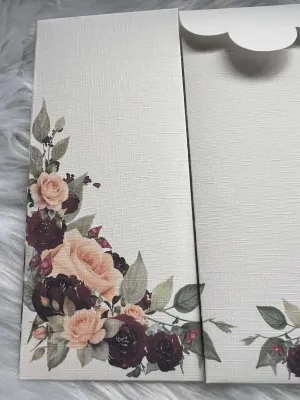
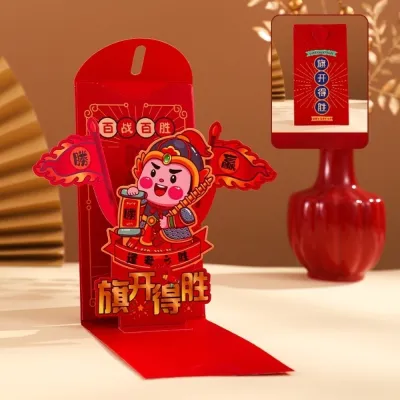
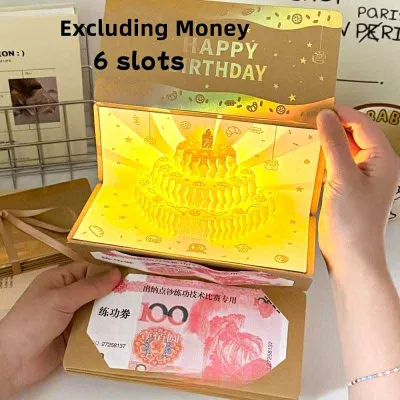
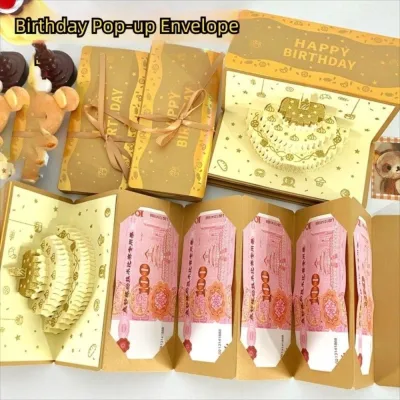
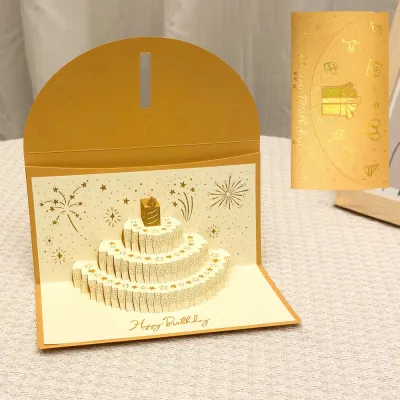
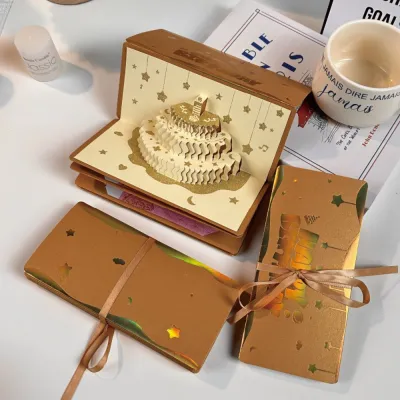
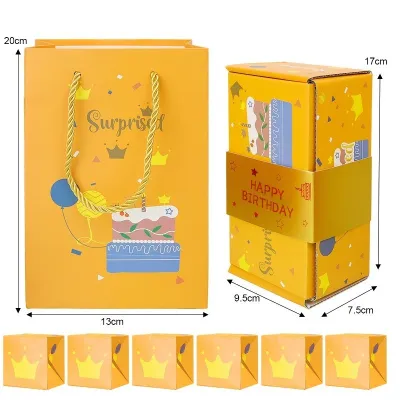
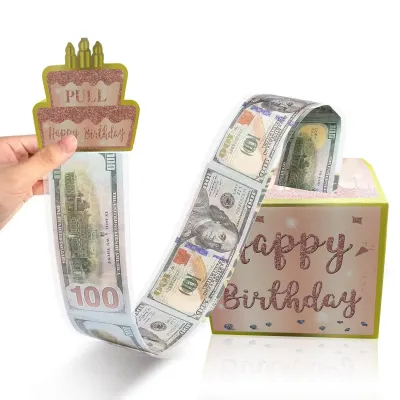
Prices are valid at publication and may change. Please refer to the product page for the latest price.
Paper weight is a primary indicator of quality and durability, especially when a card is expected to support the physical weight of paper currency. Paper thickness is measured in grams per square meter (GSM), and for a money card, standard writing paper of 70 to 80 GSM is far too flimsy. You should look for cards constructed from heavy cardstock with a minimum weight of 220 GSM, though premium options often range from 250 GSM to 300 GSM. Heavy cardstock provides the necessary structural rigidity to prevent the card from sagging, bending, or creasing under the weight of multiple bills.
The choice of material also dictates how the card feels in the hand and how well it withstands environmental conditions. Textured papers, such as linen, felt-finish, or kraft paper, offer a premium tactile experience that immediately elevates the perceived value of your gift. However, in warm and humid tropical climates, low-quality or uncoated papers can absorb ambient moisture from the air, causing them to lose their stiffness and feel limp or warped. Opting for high-quality, long-fiber cardstock or cards with a light protective matte coating helps preserve the card’s crisp structure and prevents moisture-induced warping.
Inspect the construction method of the money pocket itself, as this determines how securely the cash will be held. Glued pockets are the most common, but they must be executed with precision; look for clean, flat seams with no visible glue squeeze-out or sticky residue inside the pocket. Folded inserts, where the pocket is formed by folding a continuous sheet of paper rather than gluing separate pieces, offer superior strength and are highly resistant to tearing. If the card uses die-cut slots, ensure the paper is thick enough (at least 300 GSM) so that the tension of holding the bills does not rip the delicate corners of the slots.
Choosing the Right Design and Layout for Your Message
A beautiful card should provide a balanced layout that accommodates both the visual design and your personal message. When selecting a card, evaluate the ratio of pre-printed text to blank space on the interior pages. While pre-printed verses can offer a helpful starting point, they often leave very little room for a personalized note. If you prefer to write a detailed message or plan to include signatures from multiple family members, look for designs that feature a completely blank left or inner panel, leaving ample space for your handwriting.

The exterior design of the card should align with the recipient’s personal style, age, and the overall tone of the celebration. Minimalist designs featuring clean typography, geometric patterns, or subtle gold foil accents are highly versatile and suit professional colleagues, mentors, or older adults. For close friends and family, vibrant floral illustrations, watercolor paintings, or lighthearted, humorous themes can make the gift feel more intimate and joyful. For milestone celebrations, choosing a card with elegant, classic design elements helps mark the occasion as a memorable event.
For those who enjoy hand lettering or modern calligraphy, the paper finish is a crucial factor that directly affects ink compatibility. Matte and uncoated paper surfaces are highly absorbent, making them ideal for pigment-based gel pens, brush markers, and fountain pens because the ink sinks into the fibers and dries relatively quickly. However, extremely fibrous or low-grade uncoated papers can cause ink feathering, where the lines spread out and lose their sharp edges. Glossy or heavily coated papers, while visually vibrant, resist water-based inks entirely, leading to severe smudging and long drying times, especially in humid weather.
If you plan to use specialized calligraphy tools, such as dip pens with metallic inks or wet brush pens, look for smooth, high-density cardstock that is specifically labeled as ink-friendly. This type of paper prevents the ink from bleeding through to the back of the page or transferring onto the money pocket when the card is folded closed. Taking a moment to match your writing instrument to the card’s paper finish ensures that your personalized message remains crisp, legible, and free of unsightly smudges.
How to Inspect Quality and Usability Before Purchase
Before finalizing your purchase, performing a quick physical inspection can save you from gifting a defective or poorly made card. Start by examining the die-cut edges of both the card and the internal money pocket. High-quality manufacturing is characterized by clean, sharp cuts with no frayed fibers, paper burrs, or misaligned edges. Gently run your finger along the seams of the money pocket to ensure the adhesive is fully cured and firm; any stickiness indicates incomplete drying, which can cause the pocket to stick to itself or damage the banknotes inserted inside.
Next, test the fold and the spine of the card by opening and closing it gently a few times. A well-made card should have a clean, pre-scored crease along the spine that allows it to open and close smoothly without resistance. If the card was folded without proper scoring during production, the paper fibers along the spine will crack, resulting in a rough, unsightly crease that weakens the card’s structure. When closed, the card should lie flat; if the money pocket is poorly aligned or too bulky, it will force the card to spring open, making it difficult to present neatly.
Finally, verify the fit and quality of the outer envelope that accompanies the card. The envelope should be slightly larger than the folded card, providing just enough clearance (about 2 to 3 mm on all sides) to accommodate the added thickness of the card and the cash inside. If the envelope is too tight, sliding the card in can bend the corners or tear the edges of both the card and the envelope. Additionally, check the sealing mechanism of the envelope; in humid climates, self-adhesive peel-and-seal strips are highly preferred over traditional lick-and-seal gum, which can lose its stickiness or accidentally seal itself prematurely due to moisture in the air.
Building a Shortlist Based on Recipient Profile and Budget
To narrow down your options, align the card’s material quality and design complexity with the significance of the birthday celebration. For major milestone birthdays, such as an 18th debut, a 50th, or a 60th birthday, the card often becomes a cherished keepsake that the recipient saves for years. For these landmark events, it is worth investing in premium cards that feature intricate laser-cut details, heavy textured cardstock, or hand-painted elements. For casual, annual birthdays, a simpler, clean, and well-constructed card focuses on neat presentation and practical functionality.
When planning your purchase, maintain a sensible balance between the cost of the card and the total monetary gift you intend to present. As a general rule of thumb, the presentation should be proportional to the gift itself to ensure a thoughtful and balanced gesture. For instance, if your cash gift is ₱500, spending ₱300 on an overly elaborate card might feel disproportionate. Conversely, if you are gifting a larger amount like ₱5,000 for a special milestone, choosing a premium, high-quality card valued between ₱150 and ₱300 is a fitting choice that matches the premium nature of the gift.
To ensure consistent quality and accurate product descriptions, source your cards from reliable retail channels. Specialty stationery shops, local paper boutiques, and official online brand stores on reputable ecommerce platforms are excellent places to find high-quality options. When shopping online, pay close attention to customer reviews and product specifications, specifically looking for mentions of paper weight (GSM) and actual photos of the internal pocket. Avoid unbranded bulk packs from generic online sellers, as these often suffer from thin paper, weak adhesives, and poor print quality that can compromise the presentation of your gift.
Frequently Asked Questions (FAQ)
Can I use a standard greeting card if it does not have a built-in money pocket?
Yes, you can easily adapt a standard greeting card to hold a cash gift securely using a few simple stationery techniques. One of the cleanest and most non-destructive methods is using decorative washi tape to secure the banknotes to the inside of the card. Washi tape features a low-tack adhesive that holds the bills firmly in place but peels off easily without tearing the paper currency or the card surface. Alternatively, you can create a simple DIY paper sleeve by cutting a strip of matching paper, folding the edges, and securing it to the inner page with thin double-sided tape to form a neat band. Another elegant option is to place the cash inside a small, separate glassine or kraft paper envelope and tuck it loosely inside the card, ensuring it is clearly visible when the recipient opens it.
Which pens are suitable for writing on textured cardstock money cards?
When writing on textured cardstock, the choice of pen is crucial to prevent smudging and ensure clean, legible handwriting. Pigment-based fineliners, archival gel pens, and felt-tip brush pens are highly recommended because pigment inks dry quickly and sit on top of the paper fibers rather than soaking in, which prevents feathering and bleeding. Traditional fountain pens with highly liquid, dye-based inks should generally be avoided on textured or fibrous papers, as the ink tends to spread along the fibers, resulting in fuzzy lines. If the card features a semi-glossy, metallic, or heavily coated finish, water-based inks will bead up and smudge easily; in these cases, oil-based ballpoint pens or specialized quick-drying permanent markers are the best choice. Regardless of the pen you choose, always allow the ink to dry completely for a few minutes before folding the card closed or inserting the cash to prevent ink transfer.

Community discussion
Share your experience or ask a question. Comments are reviewed before publication.