
Finding a reliable colored pen set or marker collection under ₱500 requires balancing color variety with physical build quality. In tropical climates like the Philippines, high humidity and warm ambient temperatures can accelerate ink evaporation if a pen is poorly sealed. To ensure your budget-friendly set lasts, you must look beyond the sheer number of colors in the box and focus on the mechanical design of the caps, the specific ink formulation, and smart purchasing habits. By prioritizing airtight seals and choosing the right ink type for your projects, you can secure a durable set that remains juicy and vibrant for months without exceeding your budget.
Setting Your Budget and Priorities for a ₱500 Marker Set
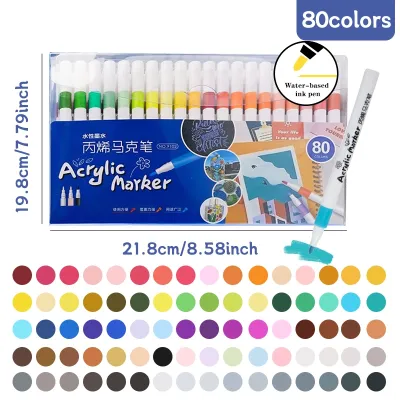
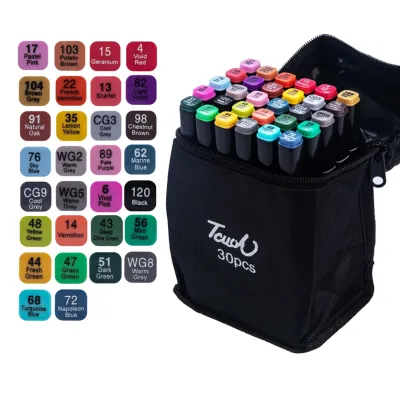
When shopping with a strict ₱500 limit, the temptation is often to buy the largest set available. Online marketplaces are filled with massive 80-color or 100-color sets at incredibly low prices, but these options frequently compromise on ink volume and plastic quality. A larger color count usually means each individual pen contains less ink, and the thin plastic barrels are more prone to micro-cracks that let air in. For most school, journaling, or crafting projects, a well-made 12-color to 24-color set offers a far better balance, providing ample shade variety while ensuring each pen has a generous ink reservoir.
Prioritizing essential colors over exhaustive palettes also prevents you from paying for shades you will never use. If your primary tasks involve highlighting, color-coding notes, or basic sketching, a smaller, high-quality colored pen set with robust primary and secondary colors is much more practical than a massive set filled with highly similar pastel shades. The unused pens in a giant set will eventually dry out on your shelf anyway, representing wasted money. Focusing your budget on a smaller, premium-grade set ensures that every single pen you pay for delivers smooth, consistent lines.
Products mentioned in this guide
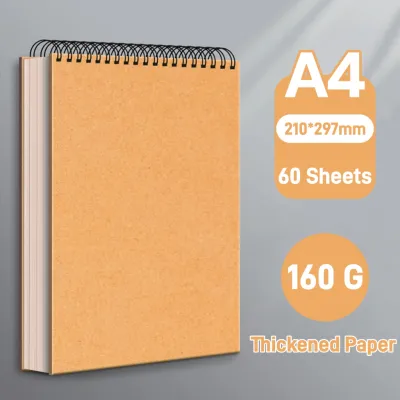
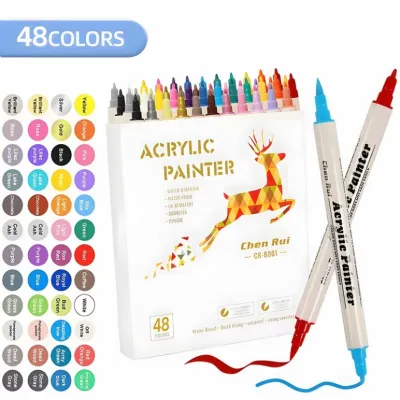
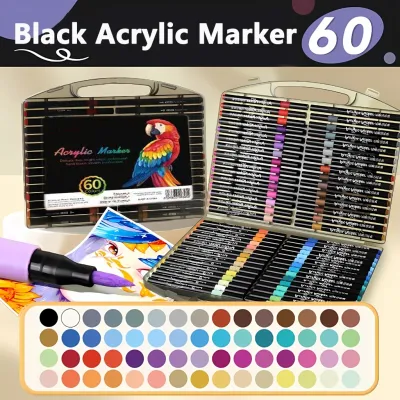
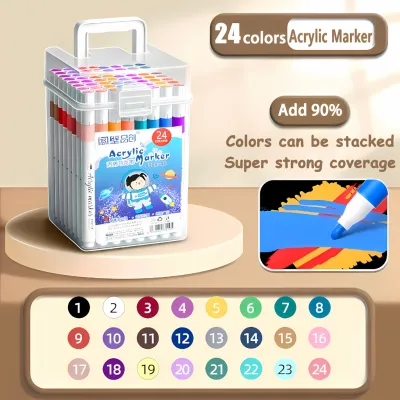
Prices are valid at publication and may change. Please refer to the product page for the latest price.
Additionally, you must factor in the total cost of acquisition when shopping online. A set priced at exactly ₱480 might seem perfect, but shipping fees or platform transaction costs can easily push your total expense past the ₱500 mark. To stay strictly within your budget, look for sellers offering local shipping discounts, or consider purchasing during platform-wide promotional events where free shipping vouchers are available. Keeping a buffer of ₱50 to ₱100 for shipping ensures you do not have to compromise on the quality of the marker set itself just to cover delivery costs.
Identifying Marker Features That Prevent Drying Out
A marker dries out when its liquid solvent evaporates into the surrounding air, leaving behind hardened pigment that cannot flow through the nib. This issue is almost always caused by two main factors: highly volatile ink formulations and inadequate physical seals on the pen body. Understanding how these elements interact allows you to evaluate product listings and packaging labels critically before making a purchase.

Ink Formulation and Volatility
The base solvent of your colored pen set determines how quickly the ink evaporates when exposed to air. Water-based inks generally dry out much slower inside the pen barrel compared to alcohol-based or acrylic-based alternatives. Because water has a lower evaporation rate than alcohol, water-based markers are more forgiving if you accidentally leave the cap off for a short period. Alcohol-based markers, while excellent for smooth blending and quick drying on paper, are highly volatile and can become completely unusable if left uncapped for even an hour.
When browsing product descriptions, look for specific terms that indicate slower drying or specialized reservoir designs. Some manufacturers highlight dry-safe technology or extended cap-off times on their labels, which suggests the ink contains humectants designed to retain moisture. Conversely, be cautious of markers labeled as ultra-fast drying. While this is a desirable feature for preventing smudges on paper, it often indicates a highly volatile solvent that will evaporate just as quickly inside the pen if the cap seal is compromised.
Cap Seals and Pen Tip Structures
The physical design of the cap is your marker’s primary defense against drying out. High-quality marker sets feature caps with an audible click mechanism, indicating that an inner seal ring has locked tightly around the nib section to block airflow. Simple friction-fit caps, which rely solely on the tightness of the plastic barrel, often loosen over time as the plastic expands and contracts in warm tropical weather. When examining product images or user reviews, look for close-up shots of the caps to see if they have a double-walled structure or a distinct internal ridge designed to isolate the nib.
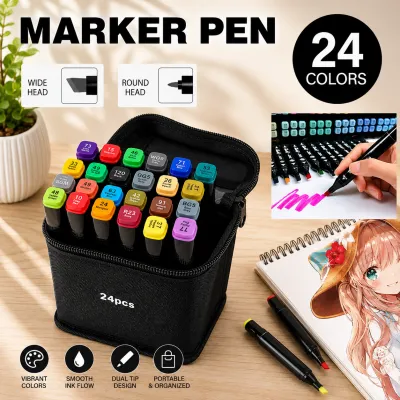
Dual-tip markers, which feature a fine tip on one end and a chisel or brush tip on the other, require double the vigilance. Because there are two caps per pen, the risk of a poor seal or an accidentally misplaced cap is doubled. If one end is left slightly open, the entire ink reservoir can dry out, rendering both tips useless. If you choose a dual-tip colored pen set, ensure that both caps fit snugly and feature clear alignment markers to help you verify they are fully closed.
What to Check Before Checkout and Upon Delivery
To avoid receiving old, dried-out stock, your quality control process should begin before you even click the purchase button. When buying from online marketplaces, send a quick message to the seller asking about the manufacturing date or batch freshness of the marker sets. Stationery items that have sat in warm warehouses for years can lose their moisture even before they are opened. A responsive seller who can confirm recent stock arrival is a strong indicator of a reliable purchase.
Once your package arrives, conduct a thorough physical inspection before opening the individual pen caps. Check if the outer box is tightly wrapped in protective shrink wrap or sealed with tamper-evident tape. For budget sets, individual blister packs or plastic trays help keep the pens organized and prevent the caps from being knocked loose during transit. If the packaging arrives crushed or torn, there is a higher chance that some caps have popped open, exposing the nibs to air during shipping.
Immediately after unboxing, perform a quick test run on a sheet of scrap paper. Lightly scribble with each pen in the set to verify that the ink flows smoothly and consistently without skipping. Pay close attention to the color intensity; a marker that produces a faint, scratchy line is already starting to dry out. If you discover any dry or defective pens in the set, document the issue immediately with photos or videos so you can utilize the platform’s return or refund policy before the confirmation window closes.
Daily Storage and Maintenance to Extend Ink Life
Proper storage habits are essential for maximizing the lifespan of any colored pen set under ₱500. The most critical rule is to store your markers horizontally rather than vertically. When markers are stored upright in a cup, gravity pulls the ink down to the bottom of the barrel, leaving the top nib dry and prone to clogging. Conversely, storing them tip-down can cause the ink to flood the nib, leading to messy leaks and wasted pigment. Horizontal storage keeps the ink evenly distributed across the internal reservoir, ensuring both tips of a dual-tip marker remain perfectly saturated and ready to use.
Developing a strict capping habit is equally important for preventing premature drying. Make it a rule to snap the cap back onto the pen immediately after you finish using a specific color, even if you plan to use it again in a few minutes. Leaving multiple pens uncapped on your desk during a long drawing or writing session allows the volatile solvents to escape continuously. Listen for that distinct clicking sound every time you cap a pen to confirm that the airtight seal is fully engaged.
Finally, pay attention to where you store your stationery collection. In the Philippines, high ambient heat and direct sunlight can quickly degrade plastic barrels and accelerate ink evaporation. Keep your marker set in a cool, shaded drawer or a dedicated pencil case away from windows. Avoid leaving your markers near heat-emitting electronics or directly under highly air-conditioned drafts, as constant airflow can dry out even well-sealed pens over time.
Frequently Asked Questions (FAQ)
Can I revive a dried-out colored marker?
Yes, but the success of the revival method depends entirely on the ink formulation of your colored pen set. For water-based markers, you can often restore ink flow by dipping the tip into a small container of clean, room-temperature water for a few seconds, then capping the pen and letting it sit horizontally for a few hours to allow the moisture to distribute. Alternatively, you can use a dropper to apply a single drop of water directly to the base of the nib. If the marker is alcohol-based, you must use isopropyl alcohol (preferably 70% or higher) instead of water, applying a tiny drop to the nib to re-solvabilize the dried dyes. If these gentle methods do not restore smooth ink flow after a few hours of resting, the internal ink reservoir is likely completely depleted, and attempting to add more liquid will only dilute the remaining pigment and ruin the pen.
Are refillable markers worth it under a ₱500 budget?
While refillable markers offer excellent long-term value and environmental benefits, they are rarely practical within a strict ₱500 budget. The upfront cost of a high-quality refillable colored pen set, along with the necessary individual ink bottles, almost always exceeds ₱500. Additionally, finding compatible, budget-friendly ink refills in local stationery shops or online marketplaces can be challenging, often requiring you to pay extra shipping fees for separate items. For casual users, students, or hobbyists on a budget, high-quality disposable sets with excellent cap seals provide a much more convenient and cost-effective solution. Manual refilling also carries a learning curve and a high risk of messy spills, making disposable options a safer and more straightforward choice for everyday projects.

Community discussion
Share your experience or ask a question. Comments are reviewed before publication.