
Selecting the right coloring materials complete set for an elementary school art class in the Philippines requires balancing school requirements, a child’s developmental needs, and practical durability. While massive, multi-tier plastic art cases filled with dozens of markers, crayons, and paints look incredibly appealing to young students, they often prioritize quantity over quality. Many of these oversized sets contain low-grade materials that break easily, dry out quickly, or fail to perform well on standard school paper. A truly effective art set focuses on high-quality, non-toxic core mediums that can withstand daily classroom use and the challenges of a tropical climate.
For parents navigating back-to-school shopping, the goal is to find a set that contains exactly what the teacher requests without unnecessary filler items. High humidity in local classrooms can cause cheap wax crayons to soften or melt, while low-quality colored pencils often snap under the enthusiastic pressure of young hands. By understanding how to evaluate the contents of a coloring set, check for essential safety certifications, and avoid common marketing gimmicks, you can ensure your child has the reliable tools they need to express their creativity throughout the school year.
How to Decode the School Art Supply List
Before heading to the store or browsing online marketplaces, it is essential to carefully analyze the art supply list provided by your child’s school. These lists are typically distributed at the start of the academic year or during enrollment, and they serve as the primary blueprint for your purchases. Art teachers often have very specific requirements based on the planned curriculum, and buying a generic, pre-packaged set without checking these details can lead to wasted money on items your child will never use in class.
Products mentioned in this guide
Prices are valid at publication and may change. Please refer to the product page for the latest price.
The first step is to differentiate between mandatory core items and optional supplementary tools. Core items almost always include basic coloring mediums such as crayons, colored pencils, and water-based markers. Supplementary tools might include oil pastels, acrylic paints, or specialized sketching pencils, which are usually reserved for older grade levels or specific elective projects. If the school list specifies a simple set of 12 colored pencils and a box of 16 crayons, purchasing a massive 150-piece art suitcase is not only unnecessary but can also become a distraction and a physical burden for your child to carry.
Pay close attention to specific teacher preferences regarding formulas and color counts. Many elementary school teachers explicitly request washable formulas for markers and paints to minimize classroom cleanup and prevent permanent stains on school uniforms. Additionally, teachers often specify exact color counts—such as 8, 12, 16, or 24 colors—because these standard sizes fit perfectly on small classroom desks and align with structured color-theory lessons.
Finally, align your purchase with your child’s grade level and fine motor skill development. In kindergarten and early elementary grades (Grades 1 and 2), art classes focus on basic shape recognition, hand-eye coordination, and heavy pressure application. For these younger students, thick wax crayons and jumbo colored pencils are ideal. As students progress to upper elementary grades (Grades 3 to 6), the curriculum shifts toward detailed shading, blending, and watercolor techniques, requiring standard-sized colored pencils, fine-tip markers, and basic watercolor pans.
Matching Core Coloring Tools to Classroom Activities
To choose the best coloring materials complete set, you must understand how different mediums are utilized in typical elementary school art activities. Each coloring tool serves a distinct purpose in the curriculum, and a well-balanced set should provide high-performing versions of these core mediums rather than a weak assortment of everything.

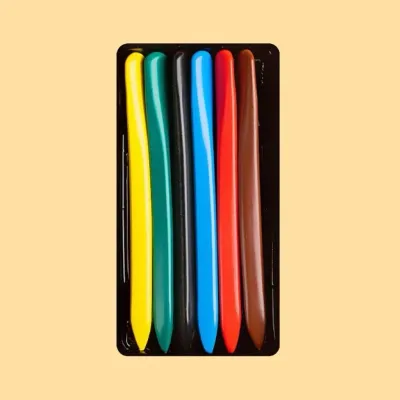
Crayons are the undisputed foundation of early childhood art education. In the classroom, they are used for coloring large areas, practicing blending, and performing texture rubbing exercises over textured surfaces like leaves or coins. When evaluating the crayons in a complete set, look for break-resistant wax or plastic-based formulas. High-quality crayons should glide smoothly across the paper without requiring excessive downward force, and they should leave a vibrant, solid layer of color rather than a flaky, uneven residue. In the warm, humid climate of the Philippines, cheap wax crayons are prone to softening, bending, or breaking in half inside a hot backpack, making durable formulation a key priority.
Colored pencils become increasingly important as children transition to detailed drawing and shading projects. Unlike crayons, colored pencils allow for precise lines, cross-hatching, and subtle color gradations. The performance of a colored pencil depends heavily on its core. Soft-core colored pencils offer rich, vibrant pigments that blend beautifully, but they require frequent sharpening and can break easily under heavy pressure. Hard-core pencils hold a sharp point much longer and are excellent for fine details, but they can tear thin school paper if a child presses too hard. For elementary students, a medium-soft core provides the perfect balance of vibrant color laydown and break resistance.
Markers and watercolors are typically introduced for specific, structured projects rather than daily coloring. Markers are excellent for bold outlines, poster making, and creating high-contrast illustrations. It is vital to ensure that any markers included in a school set are water-based and washable. Alcohol-based markers, while popular for professional illustration, will bleed through standard school sketchpads and drawing books, ruining the pages underneath and potentially staining the classroom desks. Watercolors, on the other hand, introduce students to wet-medium painting. Semi-moist pan watercolors are far superior for classroom use compared to tube paints, as they are easier to control, dry quickly, and create significantly less mess. Keep in mind that watercolor activities require thicker paper, so you may need to verify that your child’s sketchpad can handle wet mediums without warping or tearing.
Spotting the Difference Between Practical Sets and Gimmicks
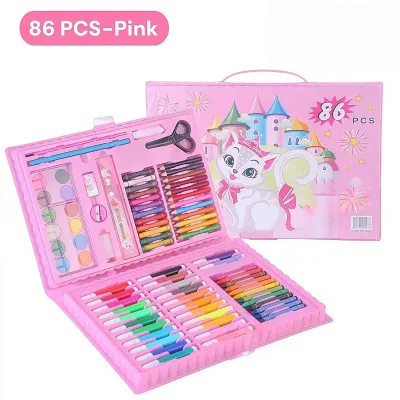
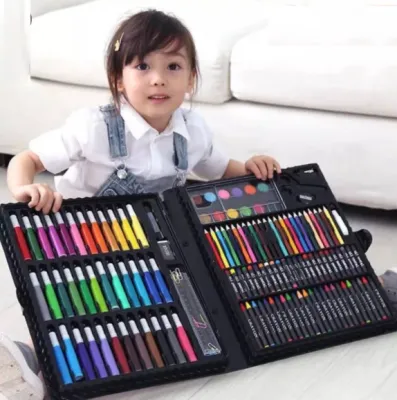
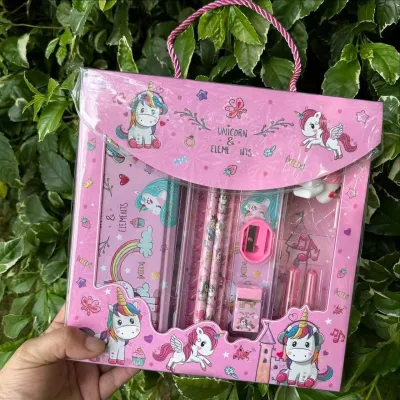
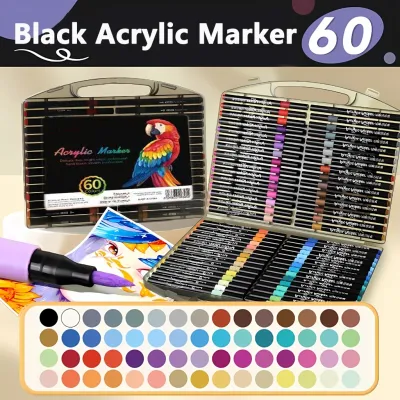
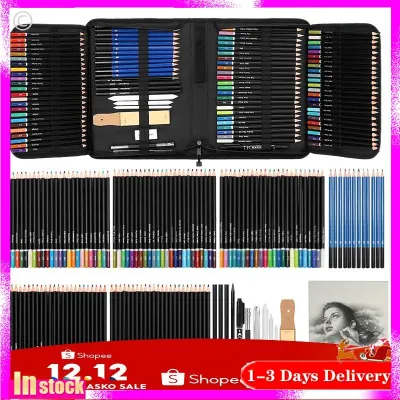
The market is flooded with large, brightly colored art sets housed in elaborate folding cases, often decorated with popular cartoon characters. While these sets are highly attractive to children, they are frequently filled with low-quality materials designed to look impressive rather than perform well. As a smart shopper, you must learn to distinguish between a practical, high-value coloring set and a marketing gimmick.
The most common issue with oversized pre-packaged sets is the inclusion of “filler” items. To boast a high piece count—such as “120-Piece Deluxe Art Set”—manufacturers often pack the case with cheap plastic accessories. These fillers typically include flimsy plastic paintbrushes with stiff synthetic bristles that shed onto the paper, low-grade pencil sharpeners that chew up wood instead of sharpening, tiny rulers, plastic paper clips, and low-quality glue sticks that dry out before the school year even begins. The actual coloring mediums in these sets—the crayons, pencils, and markers—are often of such poor quality that they produce faint, scratchy colors and break almost immediately.
To evaluate the true value of a bundled set, perform a quick cost-per-useful-item comparison. Calculate the cost of buying a dedicated, high-quality box of crayons, a reliable pack of colored pencils, and a basic set of washable markers separately. In many cases, purchasing these core items individually from reputable stationery brands costs the same as or slightly less than a massive, low-quality art case, while providing vastly superior performance and longevity. Your child will get far more utility out of a 24-pack of high-quality colored pencils than a 150-piece set where half the pencils break during sharpening.
Another critical factor is the durability and practicality of the storage case itself. Large, multi-tier plastic suitcases are bulky and difficult to pack into a standard school backpack alongside textbooks and notebooks. These cases often feature fragile plastic latches and hinges that crack easily, causing the entire contents to spill out. Furthermore, when opened, these wide cases take up the entire surface of a student’s desk, leaving no room for the drawing paper itself. A compact, zippered fabric pouch or a sturdy, stackable plastic pencil box is a much more practical choice for daily school transport, as it keeps the essential tools organized without taking up excessive space.
Checking Safety, Ergonomics, and Age-Appropriate Features
When selecting art supplies for young children, safety, ergonomics, and ease of cleanup are non-negotiable factors. Because elementary students spend hours handling these materials—and occasionally transfer pigments to their skin or faces—parents must verify that every item in the coloring set meets strict safety standards.
Always check the product packaging for clear non-toxic certification labels. Look for internationally recognized marks such as the AP (Approved Product) seal from the Art and Creative Materials Institute (ACMI), which certifies that the materials have been evaluated by a toxicologist and contain no materials in sufficient quantities to be toxic or injurious to humans. Other reliable standards include compliance with European safety standard EN71. In the local market, reputable distributors will display clear safety clearances, ensuring the products are free from harmful heavy metals, phthalates, and toxic solvents. Avoid buying unbranded, extremely cheap art sets from unauthorized online sellers, as these products often bypass safety evaluations and may contain hazardous chemicals.
Ergonomic design is another essential consideration, particularly for younger children whose hand muscles and fine motor skills are still developing. Standard round pencils and thin crayons can be difficult for small hands to grip properly, leading to hand fatigue and frustration. For early elementary students, look for coloring tools with triangular barrels. The triangular shape naturally guides a child’s fingers into the correct tripod grip, promoting proper writing habits. Additionally, triangular tools have the practical benefit of not rolling off slanted school desks, reducing classroom disruptions and keeping the materials clean. Jumbo or thick-barreled crayons and pencils are also highly recommended for younger children, as they are easier to grasp and far less likely to snap under heavy pressure.
Washability is a feature that benefits both parents and teachers. Water-based, washable inks are designed to wash easily from skin, clothing, and classroom surfaces with simple soap and water. This is particularly important for markers, watercolors, and poster paints. Choosing washable formulas ensures that a creative art session does not result in permanently ruined school uniforms or stained furniture at home, making the entire creative process much more stress-free.
Smart Shopping and Budgeting for Art Supplies
Sourcing the right coloring materials complete set efficiently requires a strategic approach to shopping, especially when trying to stay within a budget. In the Philippines, parents have several options for purchasing school supplies, each with its own advantages and trade-offs.
Brick-and-mortar stationery stores, such as national book stores and department stores, remain the most reliable option for physical inspection. Shopping in person allows you to examine the packaging for any damage, verify safety seals, and check the physical size of the set to ensure it fits in your child’s backpack. You can also test the weight of the case and ensure that latches and hinges are sturdy. However, physical stores can become incredibly crowded during the peak back-to-school season, and stock levels for popular items can deplete rapidly.
Online shopping platforms and ecommerce marketplaces offer unmatched convenience, allowing you to compare prices and read reviews from the comfort of your home. When buying pre-packaged art sets online, it is crucial to verify the authenticity of the seller. Stick to official brand stores or highly rated, authorized distributors to avoid counterfeit products. Read customer reviews carefully, paying close attention to photos uploaded by other parents to check if the items arrived intact or if the markers were dried out.
To maximize your budget, time your purchases strategically. Prices for school supplies often peak in the weeks leading up to the start of the school year, which typically occurs between June and August. Shopping early, or waiting for mid-year clearance sales and major online promotional events, can lead to significant discounts. Additionally, consider coordinating with other parents to buy core items in bulk. Purchasing boxes of crayons, colored pencils, and sketchpads in bulk packages and distributing them among a group of families often results in a much lower cost per item than buying individual retail sets. Always verify the store’s return and replacement policy before finalizing your purchase, ensuring you can easily swap out any defective or damaged items.
Frequently Asked Questions (FAQ)
How many colors are actually needed for elementary art classes?
For the vast majority of elementary school art projects, a set of 12 to 24 colors is completely sufficient. This range provides all the primary and secondary colors, along with essential neutrals like black, brown, and white, which are necessary for learning basic color mixing, shading, and blending. Massive sets containing 48, 72, or more colors are generally unnecessary for young students. These oversized sets are heavy to carry, take up too much space on small classroom desks, and make it difficult for children to find the specific colors they need. Furthermore, having too many subtle shade variations can actually hinder a child’s learning process, as they do not get the opportunity to practice mixing primary colors to create new shades.
Should I buy a pre-packaged set or assemble one from individual items?
Deciding between a pre-packaged set and a custom-assembled one depends on your priorities regarding convenience, quality, and cost. Pre-packaged sets offer excellent convenience and are often cheaper upfront, making them a quick, single-purchase solution for busy parents. However, they frequently contain low-quality filler items or mediums that your child’s teacher may not require. Assembling a custom set from individual, high-quality packs of crayons, colored pencils, and markers allows you to control the quality of each medium and match the exact specifications of the school list. A hybrid approach—buying a high-quality, basic pre-packaged set and supplementing it with specific individual items like a dedicated watercolor pad or specialized brushes—often provides the best balance of convenience, quality, and cost.

Community discussion
Share your experience or ask a question. Comments are reviewed before publication.