
Choosing a golden marker pen for tombstone lettering requires moving beyond standard stationery options to find a tool capable of withstanding harsh outdoor environments. To ensure the gold lettering remains vibrant and legible over time, you must select a paint-based marker rather than a dye-based or gel-based pen. The ideal marker features highly opaque, weather-resistant pigment that can adhere to porous or polished stone surfaces without flaking, fading, or bleeding under intense sunlight and heavy rainfall.
When evaluating options, the primary decision factors center on ink formulation, tip design, and verified surface compatibility. While many products claim to be permanent, outdoor durability on stone depends on specific chemical properties and application methods. This guide will walk you through how to analyze manufacturer specifications, assess tip shapes for different engraving depths, and verify performance claims so you can confidently select a marker that preserves memorial inscriptions for years to come.
Key Features to Evaluate for Stone Surfaces
The physical characteristics of the tombstone surface dictate the type of marker tip and ink formulation required for a successful application. Stone tombstones are rarely perfectly smooth; they often feature deep engravings, sandblasted recesses, or rough, unpolished textures. To navigate these variations, you must first evaluate the tip style of the marker. A broad chisel tip is highly effective for filling in large, deeply carved block letters, as it allows you to apply a generous amount of paint with fewer strokes. Conversely, a fine bullet tip or a needle-point paint marker is essential for delicate script, thin serifs, or shallow engravings where precision is paramount.
Products mentioned in this guide
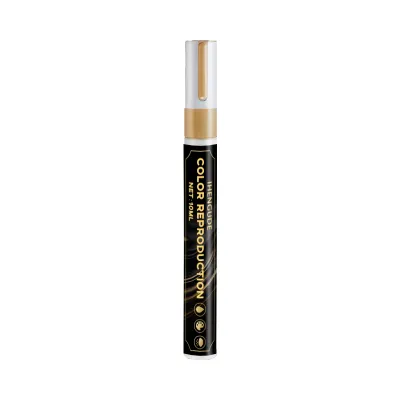
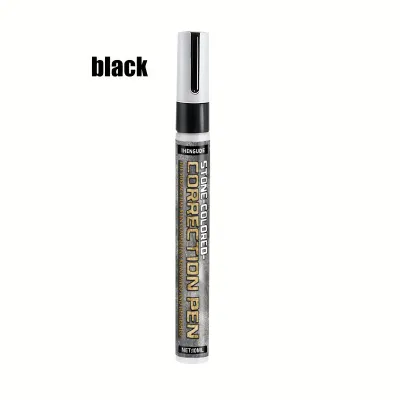
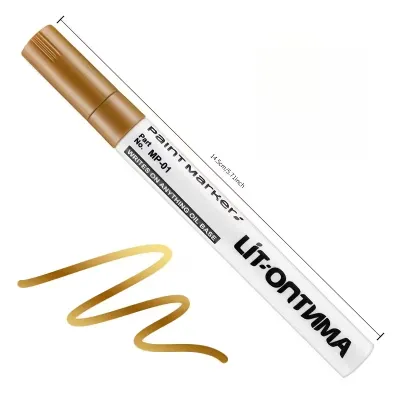
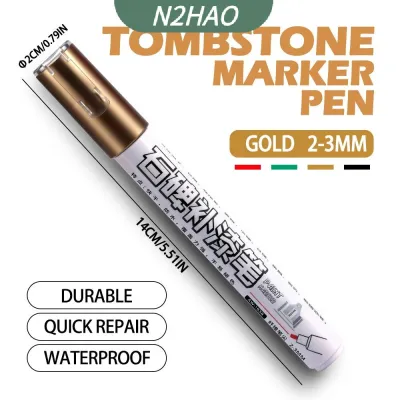
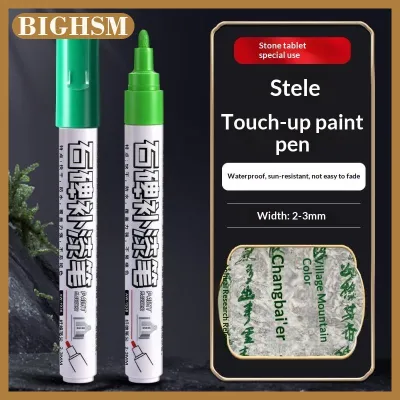
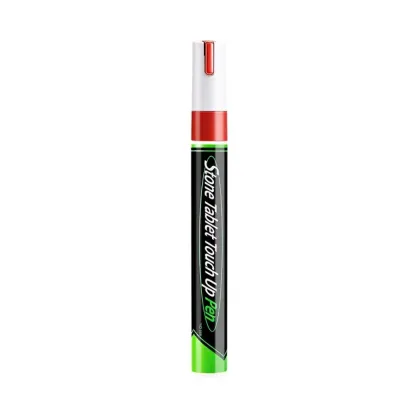
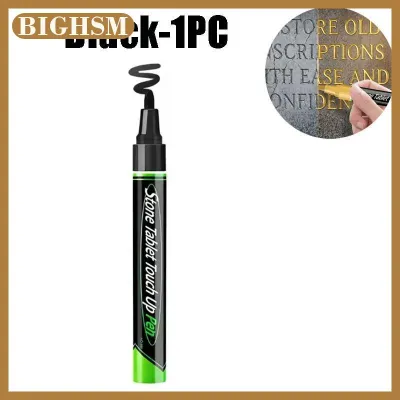
Prices are valid at publication and may change. Please refer to the product page for the latest price.
Matching the tip material to the stone texture is equally critical for preventing premature wear. Rough, unpolished granite or porous sandstone acts like sandpaper, quickly shredding soft felt nibs. If you are working with abrasive surfaces, look for markers equipped with durable, high-density plastic or synthetic fiber tips that resist fraying. Some professional-grade paint markers offer replaceable nibs, which allow you to swap out a worn tip without discarding the remaining ink in the barrel.
Ink opacity and pigment load are the next critical factors to consider, especially when working with dark stone substrates like black granite or deep gray marble. Standard metallic inks often rely on translucent dyes that disappear against dark backgrounds, resulting in a dull, muddy appearance. A suitable tombstone marker must contain a high concentration of solid metallic gold pigments suspended in a thick paint medium. This high pigment load ensures that the paint dries to a completely opaque, reflective gold finish that stands out sharply against both light and dark stone. When reviewing product specifications, look for terms like “high-opacity,” “pigmented paint,” or “excellent hiding power” to verify that the ink will mask the underlying stone color completely.
Surface compatibility checks are vital to prevent the paint from bleeding or feathering into the surrounding stone. Porous stones, such as limestone, marble, and certain types of light-colored granite, can draw liquid ink outward along their microscopic pores, creating a messy, blurred halo around the letters. To avoid this, you must verify that the marker is rated for use on porous masonry or stone. Highly viscous, fast-drying paint formulations are less likely to migrate through stone pores than thin, slow-drying inks. Before committing to a full application, always check the manufacturer’s compatibility list to ensure the paint is formulated to bond with the specific mineral composition of the tombstone.
Weather Resistance and Longevity Checks
Outdoor exposure is the ultimate test for any golden marker pen, particularly in tropical climates characterized by intense ultraviolet (UV) radiation, high humidity, and seasonal monsoons. To ensure your lettering does not fade to a dull gray or peel away after a few months, you must carefully scrutinize the weather-resistance ratings on product packaging and technical data sheets. Do not rely solely on the word “permanent,” as this term often refers only to indoor water resistance. Instead, look for explicit certifications or labels indicating “UV-resistant,” “lightfast,” and “weatherproof.” Lightfastness ratings, often graded on standardized scales, indicate how well the gold pigment resists breaking down when exposed to direct sunlight over extended periods.

The chemical base of the paint marker plays a defining role in its long-term outdoor survival. Paint markers generally fall into two categories: water-based and solvent-based (often referred to as oil-based). Water-based acrylic paint markers are highly popular due to their low odor, ease of use, and quick drying times. High-quality, outdoor-grade acrylics can offer excellent UV resistance and flexibility, allowing the paint film to expand and contract with the stone during temperature fluctuations. However, solvent-based or oil-based paint markers are traditionally favored for outdoor stone applications because they form a highly durable, water-resistant enamel-like bond that is exceptionally resistant to rain, humidity, and physical abrasion.
Understanding the curing process is essential for achieving the maximum lifespan from your chosen marker. While the paint may feel dry to the touch within minutes, complete curing—the chemical process where the paint fully hardens and bonds to the stone—can take several days. During this curing window, the paint is highly vulnerable to moisture and physical contact. You must check the manufacturer’s instructions for the recommended curing time and plan your application during a dry weather forecast. Applying paint in high-humidity conditions can trap moisture beneath the film, leading to premature peeling or bubbling.
Additionally, you should establish a realistic expectation for maintenance. No paint marker provides a permanent, lifetime solution for outdoor stone exposure without eventual touch-ups. Depending on the severity of the local climate, the orientation of the tombstone relative to the sun, and the presence of overhanging trees, you may need to plan a maintenance schedule. Checking the lettering annually and applying a fresh coat of gold paint when the luster begins to dim will keep the memorial looking pristine without requiring a complete re-engraving.
Building Your Shortlist of Golden Tombstone Markers
When searching for the right golden marker pen, using precise technical search terms will help you filter out low-quality craft pens and locate professional-grade tools. Avoid generic searches like “gold pen” or “metallic marker,” which often return water-soluble gel pens or light-duty office stationery. Instead, focus your search on terms such as “oil-based gold paint marker,” “exterior metallic paint pen,” “weatherproof gold marker,” or “pigmented acrylic paint pen for stone.” These terms target products engineered specifically for industrial, automotive, or outdoor artistic applications, which share the same durability requirements as tombstone restoration.
As you compile your shortlist of candidate markers, compare their physical specifications and mechanisms. Look for valve-action markers, which require you to shake the pen to mix the pigment and press the tip down to prime the valve. This mechanism keeps the heavy metallic pigments suspended in the solvent, ensuring a consistent, rich gold flow with every stroke. Compare the ink volume of different markers; some industrial pens contain significantly more paint than standard craft markers, offering better value for larger projects. Additionally, check if the manufacturer offers replacement tips or different tip sizes within the same product line, which can be highly convenient if you need to tackle both broad letters and fine details.
Pricing is another factor to weigh, with quality markers generally commanding a higher price than standard office pens. Comparing candidate products by checking ink volume, tip replaceability, shake-and-pump mechanisms, and price in ₱ will help you find the best value. While budget-friendly options are tempting, investing in a higher-grade marker formulated for industrial or outdoor use can save you the time and effort of frequent reapplications. When browsing online marketplaces or local stationery suppliers, verify the authenticity of the seller to avoid counterfeit products that may contain inferior, non-permanent ink.
To validate the real-world performance of your shortlisted markers, read user reviews with a critical eye. Look specifically for feedback from customers who have used the markers on outdoor stone, concrete, or masonry. Pay close attention to comments mentioning how well the gold color held up after several months of sun and rain exposure, as well as any notes regarding tip durability and ease of flow control. Reviews that detail the application process on rough surfaces provide valuable clues about how the marker will perform on your specific tombstone project.
Preparation and Application Best Practices
Proper surface preparation is the single most important factor in determining how well the gold paint adheres to the stone. Before uncapping your marker, you must thoroughly clean the engraving area to remove dirt, dust, moss, lichen, moisture, and any oily residues or old wax. Use a stiff-bristled nylon brush and clean water to scrub the recessed letters gently. Avoid using wire brushes or harsh chemical cleaners that could scratch or discolor the stone. If there is old, flaking gold paint in the engraving, scrape away as much of the loose material as possible using a plastic scraper or a wooden dowel to ensure the new paint bonds directly to the solid stone surface.
Once the stone is clean, it must be allowed to dry completely. Stone is highly porous and can hold deep-seated moisture even when the surface looks dry. Applying paint over damp stone will trap moisture, preventing the paint from bonding and causing it to peel off quickly. If possible, wait for a dry, sunny day to perform the application, ensuring the stone has had ample time to bake in the sun and release any trapped humidity.
Before touching the marker to the tombstone, conduct a thorough test on a hidden spot of the stone, such as the back or base of the monument, or on a similar scrap piece of granite or marble. This trial run allows you to check the color match, observe how the ink behaves on the stone’s texture, and monitor the drying time. It also gives you a feel for the paint flow, helping you avoid accidental drips or pools of paint inside the engraved letters.
When you are ready to apply the paint, prime the marker according to the manufacturer’s instructions. Shake the pen vigorously with the cap on to distribute the metallic pigments evenly. Uncap the pen and gently press the tip down on a scrap piece of cardboard or paper until the gold paint begins to saturate the nib. Apply the paint to the engraving using smooth, controlled strokes. It is often better to apply two thin, even coats rather than one thick, heavy coat. Allow the first coat to dry completely before applying the second to build up a solid, opaque gold layer that will resist the elements. After completing the project, wipe any excess paint from the nib, replace the cap tightly, and store the marker horizontally in a cool, dry place to prevent the valve from clogging or drying out.
Frequently Asked Questions (FAQ)
Can I use a standard metallic gel pen instead of a paint marker?
No, standard metallic gel pens are entirely unsuitable for tombstone lettering. Gel pens use water-soluble, dye-based inks designed for paper, which lack the binder necessary to adhere to stone. If exposed to outdoor elements, gel ink will quickly wash away with the first rain or fade rapidly under sunlight. Furthermore, gel pens cannot deliver the thick, opaque coverage required to stand out against dark, textured stone surfaces. For outdoor durability, you must use a dedicated paint marker containing solid pigments and a robust acrylic or solvent-based binder.
How do I remove mistakes or old gold paint from the stone?
To remove fresh mistakes made during application, wipe the paint away immediately using a clean cloth dampened with a mild solvent, such as isopropyl alcohol for acrylic paints or mineral spirits for oil-based paints. Always test the solvent on a hidden area of the stone first to ensure it does not cause staining or discoloration. For old, cured gold paint that has begun to flake, use a plastic scraper or a stiff nylon brush to gently lift the loose paint. If the paint is stubborn, avoid using metal tools or aggressive acids that can permanently damage the stone’s polish or structure. For valuable, historic, or highly delicate monuments, it is best to stop and consult a professional stone restorer to avoid causing irreversible damage.

Community discussion
Share your experience or ask a question. Comments are reviewed before publication.