
Selecting the right paper pad for a Grade 1 student is more than a matter of picking a cover with their favorite cartoon character. At this early developmental stage, the physical properties of the paper—such as its weight, surface texture, ruling style, and binding durability—directly influence how a child learns to write. A poorly chosen paper pad can lead to hand fatigue, torn pages, and deep frustration, while the right features provide a stable, encouraging foundation for fine motor skill development.
In many classrooms, especially in tropical climates like the Philippines, school supplies must withstand both physical wear and environmental factors. High humidity can soften paper fibers, making cheap sheets damp and highly susceptible to tearing under the heavy pressure of a young writer’s pencil. By understanding the technical specifications of school paper, parents can make informed purchases that support their child’s daily learning and keep their school bags organized.
Why Paper Pad Features Matter for First Graders
First-grade students are undergoing a critical transition from large, shoulder-driven movements to precise finger-and-wrist coordination. This shift requires significant physical effort, and young children often overcompensate by gripping their pencils too tightly and pressing down with excessive force. The paper surface acts as the primary interface for this physical interaction, providing the resistance necessary for the hand to register control and spacing.
Products mentioned in this guide
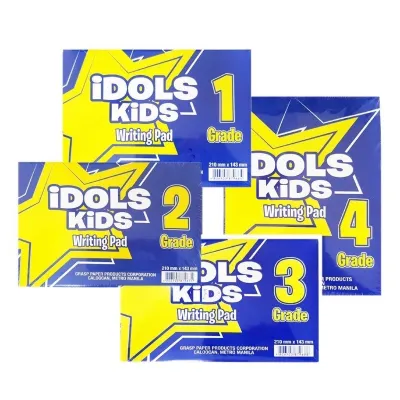
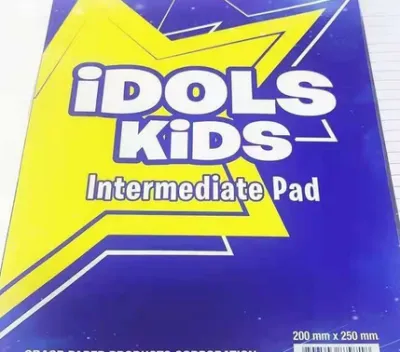
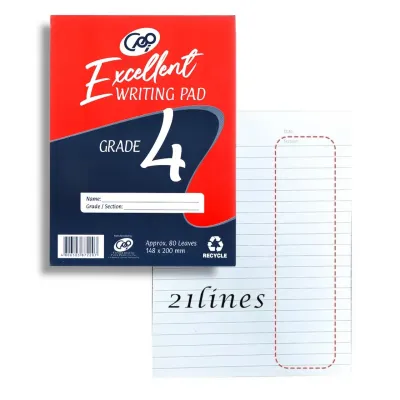
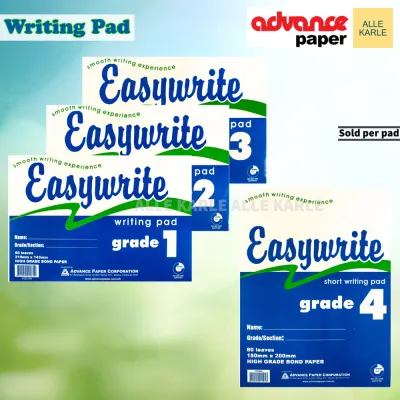
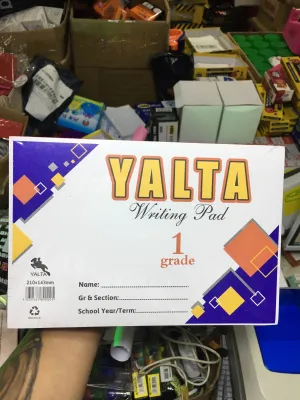
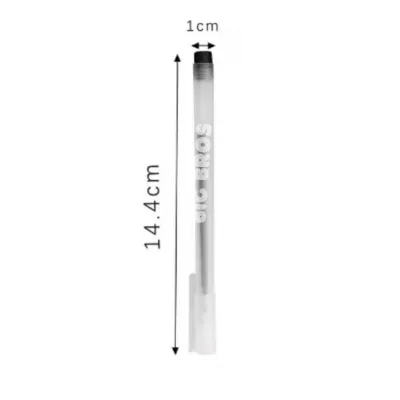
Prices are valid at publication and may change. Please refer to the product page for the latest price.
During preschool, children typically practice tracing large letters on unruled or widely spaced templates. Grade 1 introduces structured writing, requiring students to fit their letters within specific boundaries and maintain consistent heights. If the paper surface is too slick, the pencil tip slips easily, forcing the child to grip even harder to maintain control, which quickly leads to hand fatigue and a reluctance to practice.
Furthermore, early writers make frequent mistakes. The process of erasing requires a paper stock that can withstand repeated friction without thinning or tearing. When a child accidentally rips a page while trying to correct a letter, it can cause immediate discouragement. Choosing a paper pad with the correct physical attributes minimizes these daily classroom frustrations and allows students to focus entirely on letter formation.
Paper Weight and Texture: Supporting Early Handwriting
Paper weight is measured in grams per square meter (gsm), which indicates the density and thickness of the sheets. For Grade 1 students, paper weight is a critical factor in durability. Standard, budget-friendly paper pads often use thin paper ranging from 50 gsm to 55 gsm. While economical, this thin paper easily saturates with graphite, allows heavy pencil marks to indent multiple pages underneath, and tears almost immediately under a standard rubber eraser.

To support early handwriting, parents should look for paper pads with a weight of at least 70 gsm to 80 gsm. This thickness provides a sturdy barrier that resists deep indentations and prevents the graphite from ghosting or showing through on the reverse side of the sheet. Heavier paper also retains its structural integrity in humid environments, resisting the limp, wavy texture that thinner papers develop when exposed to tropical air.
Texture, or “tooth,” refers to the microscopic roughness of the paper surface. Highly calendered, glossy papers are unsuitable for beginners because they lack the friction needed to slow down a pencil tip. A medium-tooth paper provides subtle resistance, giving the child tactile feedback that helps them guide the pencil smoothly. This texture also catches graphite more efficiently, resulting in darker, clearer lines without requiring the child to press down with extreme force.
Before buying in bulk, parents can perform a simple, observable trial on a single pad. Rub a finger across the sheet to ensure it feels slightly matte rather than slick. Write a few characters with a standard medium-soft pencil (such as a No. 2 or HB pencil) and erase them firmly three times. If the paper fibers pill, thin out, or tear, the paper weight or fiber quality is insufficient for a first grader’s daily use.
Choosing the Right Size and Ruling for Schoolwork
In the Philippines, Grade 1 pad paper features a highly specific ruling system designed to teach proper letter proportions. This format typically consists of a blue-red-blue line configuration. The red line serves as the baseline where the body of the lowercase letters sits, while the top and bottom blue lines guide the height of ascenders (like the stick of a ‘b’) and descenders (like the tail of a ‘g’).
When shopping, verify that the line spacing matches the school’s specific curriculum requirements. Standard Grade 1 ruling is wider than typical intermediate pads, usually measuring around 10 millimeters to 12 millimeters between the main lines. This generous spacing accommodates the larger, unrefined handwriting of six-year-olds. Clear, brightly printed lines are essential; faded or misaligned ruling can confuse a child who is trying to figure out where to place their pencil.
Physical dimensions also dictate how well the pad functions on a student’s desk. Grade 1 pads are generally smaller than standard letter or A4 notebooks, allowing them to fit comfortably on small classroom armchairs or shared wooden desks. A pad that is too large will hang over the edge of the desk, making it prone to bending, tearing, or being knocked to the floor by passing classmates.
Additionally, look for pads that feature a dedicated header space at the top of each page. First graders are learning the routine of writing their name, date, and section on every assignment. A clean, unruled margin at the top and left side of the sheet helps reinforce these organizational habits. Always cross-reference your purchases with the official school supply list, as some schools require specific vertical or horizontal orientations for daily drills.
Binding Types: Durability and Ease of Use
How a paper pad is bound determines how well it survives the daily journey inside a child’s backpack. Spiral or wire-bound pads are popular because they lay completely flat on a desk and allow pages to be turned back 360 degrees, saving valuable desk space. However, cheap wire spirals can easily bend, snag on backpack linings, or unravel, leaving sharp metal edges that pose a minor safety hazard for young fingers.
Stitched or thread-bound pads offer excellent long-term durability. The pages are sewn together in signatures, making it incredibly difficult for sheets to fall out prematurely. In hot, humid climates, stitched bindings are highly superior to cheap glue-bound pads. Many budget pads rely on water-soluble adhesives that dry out, crack, and lose their grip over the course of the school year, causing pages to detach simply from turning them.
Stapled or tape-bound pads represent a highly practical middle ground for daily schoolwork. These pads are compact, lightweight, and lack the bulky wire coils that can interfere with a left-handed child’s wrist placement. The tape binding protects the staples from snagging on clothing or school bags, while still allowing the pad to open relatively flat with a bit of gentle creasing along the spine.
Regardless of the binding type, pay close attention to the stiffness of the back cover. A flimsy paperboard backing offers no support when a child is forced to write on their lap, during an outdoor activity, or on an uneven classroom surface. A thick, rigid chipboard backing acts as a portable desk, stabilizing the paper and ensuring that the child can maintain a consistent writing posture anywhere.
Feature Checklist: Matching Paper Pads to Daily Tasks
Different classroom activities require different paper characteristics. Instead of buying a single type of pad for all subjects, parents should match the paper features to the specific task at hand to optimize both learning and budget efficiency.
- Daily Handwriting Practice: Prioritize pads with standard blue-red-blue primary ruling, a paper weight of 70 gsm to 80 gsm to handle heavy erasing, and a top-bound format that allows easy page removal. Look for rounded corners on the pad to prevent the edges from dog-earing and tearing over time.
- Art and Mixed-Media Projects: For drawing, coloring, and light pasting, opt for unruled, heavy-weight paper pads of at least 100 gsm. This thickness prevents wax crayons, colored pencils, and school glue from warping the page or bleeding through to the other side. A side-bound, lay-flat pad is ideal here to give the child's hand full freedom of movement.
- General Note-Taking and Homework: For basic math drills or spelling lists, a standard-ruled pad with a durable tape or stitched binding is highly effective. Ensure the pad has a rigid back cover to provide a stable writing surface, and verify that the dimensions fit easily inside the child's specific school bag without folding.
Before committing to a bulk purchase of ten or twenty pads for the school year, buy a single test pad. Have your child write their name, erase a letter, and turn the pages. Observing how they interact with the pad will quickly reveal whether the paper weight, line clarity, and binding style are truly suited to their physical writing habits.
Frequently Asked Questions (FAQ)
Should I buy perforated or non-perforated paper pads for Grade 1?
For Grade 1 students, non-perforated or securely bound pads are generally preferred for daily classwork to prevent pages from detaching accidentally. Young children often pull on the pages of perforated pads while turning them, leading to lost homework and disorganized notes. However, if the teacher frequently requires assignments to be torn out and submitted for grading, look for pads with high-quality, micro-perforated tops. Micro-perforations allow clean tearing without ripping the body of the paper, but they should only be used if the child has developed the coordination to hold the binding down firmly while tearing.
Is recycled paper suitable for first-grade handwriting practice?
Recycled paper can be suitable, but parents must inspect its quality closely before purchasing. Many low-cost recycled papers have shorter wood fibers, which makes the paper less dense, highly absorbent, and prone to tearing during erasing. They may also have a grayish tint that reduces the contrast between the pencil graphite and the page, making it harder for young eyes to track their writing. If you prefer an eco-friendly option, look for high-grade recycled paper certified for school use, ensuring it has a smooth, bright finish and a weight of at least 70 gsm to guarantee it can handle repeated erasing and heavy pencil pressure.

Community discussion
Share your experience or ask a question. Comments are reviewed before publication.