
Finding the right receipt organizer box requires balancing physical capacity, internal layout, and material durability to keep your financial records intact. Whether you are tracking household expenses, managing business transactions, or preparing tax documents, the ideal organizer must accommodate various paper sizes while protecting delicate thermal prints from environmental wear. By focusing on how you collect, sort, and store these slips, you can select a system that streamlines your filing routine and prevents clutter from taking over your workspace.
Assessing Size and Capacity for Your Receipt Volume
Receipts come in highly diverse formats, ranging from narrow 57mm or 80mm thermal paper rolls common in retail shops to full-sized A4 or Letter-sized corporate invoices. Before choosing a receipt organizer box, measure the internal dimensions to ensure it can house your largest documents without requiring you to fold them multiple times, which adds unnecessary bulk. If you frequently handle utility bills or official receipts printed on standard office paper, look for a box with a wider footprint or dedicated larger slots alongside smaller compartments.
Your monthly accumulation rate dictates the overall volume capacity you need. A compact desktop box holding up to 50 slips is excellent for personal budgeting or weekly tracking, whereas high-capacity storage units designed for hundreds of documents are better suited for small businesses or annual tax archiving. If your paper intake fluctuates throughout the year, look for models featuring expandable gussets or adjustable depths that can expand to prevent tight packing, which often leads to paper jams and bent edges.
Products mentioned in this guide
Prices are valid at publication and may change. Please refer to the product page for the latest price.
Evaluating Compartment Layouts and Dividers
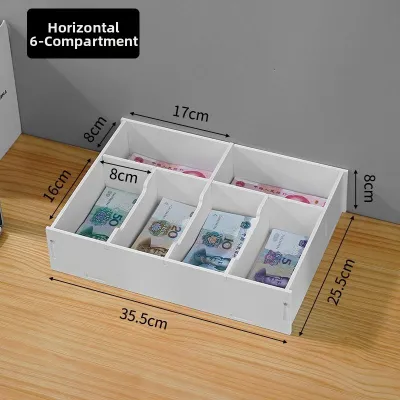
The internal structure of your organizer determines how quickly you can file and retrieve specific documents. Fixed multi-slot designs offer a sturdy, permanent layout that works well if your sorting categories remain constant, such as monthly divisions or standard tax classifications. On the other hand, adjustable divider systems allow you to customize the width of each section, making them highly adaptable if certain categories, like grocery expenses or business travel, accumulate far more paper than others.

To determine the optimal number of compartments, map out your filing strategy beforehand. If you follow a strict envelope budgeting system or need to separate expenses by specific tax-deductible categories, a box with 12 divisions (one for each month) or 6 to 8 distinct slots for major expense types is ideal. Ensure the dividers are tall enough and fit snugly against the bottom of the box; flimsy or short dividers can allow small, thin slips to slide underneath, leading to misplaced records and frustrating searches.
Comparing Material Durability and Protection
The choice of material directly influences how well your records survive long-term storage, especially in warm, humid climates like the Philippines. Rigid materials such as heavy-duty plastics, treated wood, or rust-resistant metals provide excellent structural support and allow you to stack multiple boxes safely on shelves or desks. These solid enclosures protect paper from physical crushing and keep your workspace looking neat, making them ideal for permanent desktop setups.
For those who need to transport documents between home, office, or client meetings, flexible materials like woven fabric, nylon, or silicone-coated options offer a lightweight and portable alternative. However, when selecting these softer materials, verify that they have reinforced walls to prevent the contents from bending during transit. In high-humidity environments, moisture resistance is crucial; look for water-resistant plastics or sealed cases to shield paper from damp air, and choose opaque or UV-blocking materials to protect sensitive thermal ink from light exposure.
Checking Labeling Options and Accessibility
An organizer is only effective if you can easily identify where each receipt belongs at a glance. Look for boxes equipped with built-in label holders, clear plastic tabs, or dedicated textured areas for adhesive labels and chalkboard markers. Clear, legible labeling prevents sorting errors and ensures that anyone managing the files can maintain the system without confusion.
Consider where the box will live to choose the right opening mechanism. An open-top design or a pull-out drawer works best for quick, frequent access on a desk, while a hinged lid or a secure latching cover is preferable if you plan to store the box on a low shelf or inside a cabinet where dust might accumulate. Finally, check that the entry slots are wide and smooth enough to allow easy, one-handed insertion of paper slips, ensuring you can file receipts instantly without tearing their delicate edges.
Frequently Asked Questions (FAQ)
Can I use a receipt organizer box for other small office supplies?
Yes, many receipt organizer boxes can double as storage for small stationery items like paperclips, sticky notes, binder clips, or stamps. However, check the compartment dimensions first, as narrow or deep slots designed specifically for paper slips may make it difficult to retrieve tiny items, and bulky tools like staplers or tape dispensers will not fit.
How do I prevent thermal receipts from fading inside the organizer?
Thermal paper is highly sensitive to heat, direct sunlight, friction, and moisture, which cause the printed text to fade over time. To preserve these records, store your organizer box in a cool, dry, and dark place, away from windows, appliances that generate heat, or high-humidity zones. For critical business expenses, consider scanning a digital backup before filing the physical copy.
Is an expandable file folder better than a rigid receipt box?
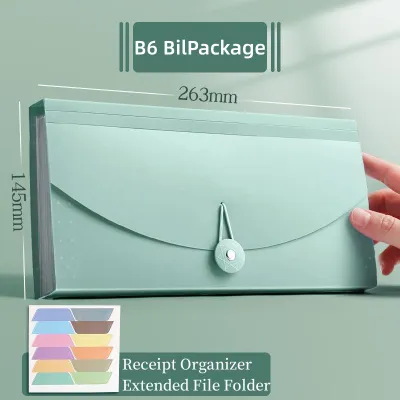
An expandable file folder is generally better for mobility and secure transport, as it usually features a secure closure like an elastic band or zipper. A rigid receipt box, however, is superior for desktop stability and quick, daily access, allowing you to drop receipts in with one hand. Choose the folder for travel and the rigid box for high-volume, stationary archiving.

Community discussion
Share your experience or ask a question. Comments are reviewed before publication.