
Quick Answer: What to Look for in a Bouncing Clay Set
When shopping for a 36 pcs bouncing clay set for kids, parents and gift-buyers must look beyond bright packaging and low price tags. The most critical decision-making factors are verified non-toxic safety certifications, the actual ratio of clay colors to plastic accessories within that “36-piece” total, and a clean, residue-free texture that will not ruin furniture or carpets.
A high-quality set should offer vibrant, mixable colors that dry to a lightweight, rubbery finish while resisting the sticky degradation often caused by high tropical humidity. By evaluating these key elements, you can ensure a safe, engaging, and mess-free creative experience for young artists. This guide will help you evaluate product listings, read safety labels, and maintain the clay’s bounce in any household environment.
Safety and Age Appropriateness: Checking Certifications and Hazards
Ensuring the physical safety of children is the absolute priority when selecting any modeling material. Because children spend hours handling clay, rolling it in their palms, and occasionally touching their faces during play, you must verify the product’s formulation and physical components before allowing use.
Products mentioned in this guide
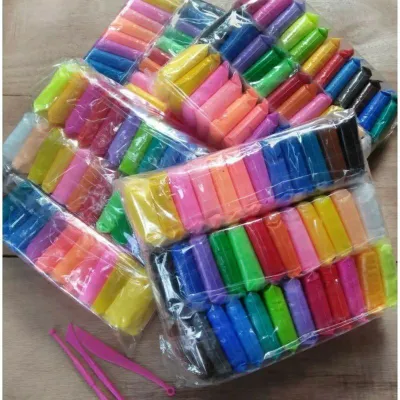
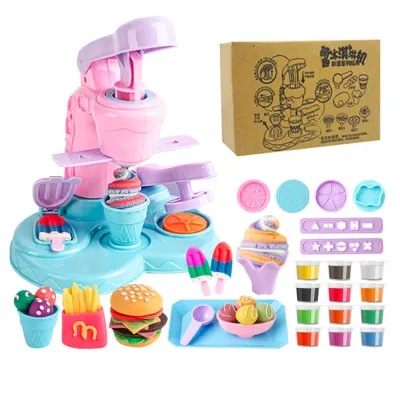
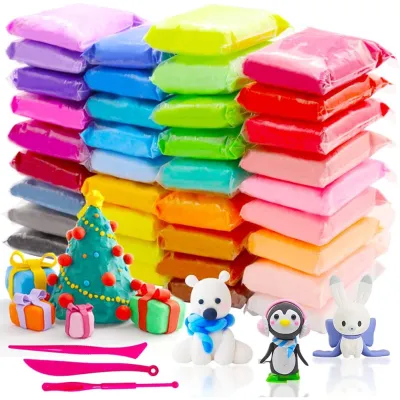
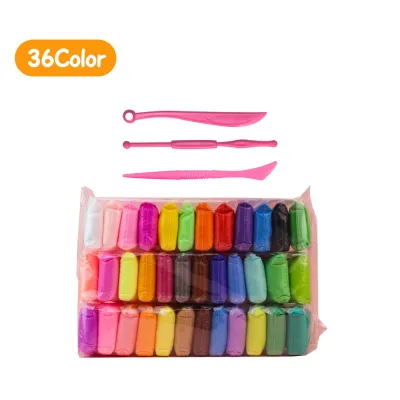
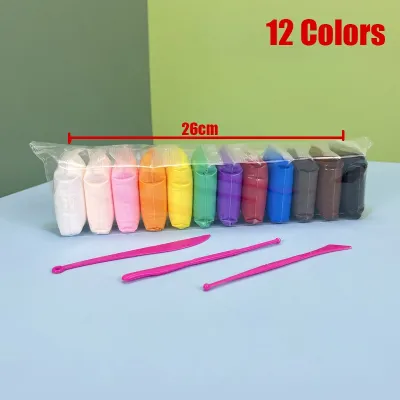
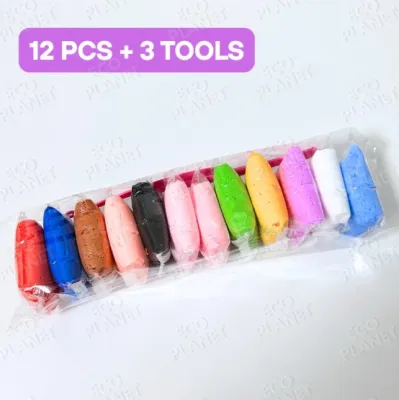
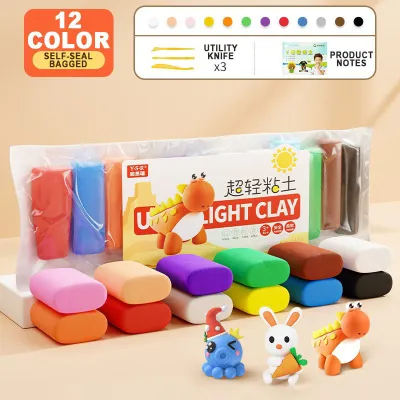
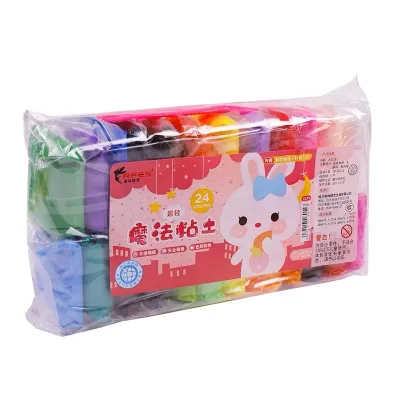
Prices are valid at publication and may change. Please refer to the product page for the latest price.

Recognizing Non-Toxic Labels
When browsing online marketplaces or local stationery shops, do not rely on generic marketing phrases like “100% safe” or “all-natural.” Instead, look for concrete, internationally recognized art supply safety standards printed on the packaging or detailed in the product specifications. The most reliable standards to look for are ASTM D-4236 (which confirms that the material has been evaluated by a toxicologist for chronic hazards) and EN71 (specifically Part 3, which regulates the migration of certain toxic elements in toys within the European Market).
For products sold in the Philippines, checking if the manufacturer has registered the product or holds a valid safety certificate can prevent exposure to heavy metals or harmful plasticizers. Always inspect the ingredient list for potential allergens, particularly if your child has sensitive skin or specific allergies to gluten or synthetic preservatives. If the product listing lacks clear photos of the safety seals or fails to mention these certifications in the specifications, treat it as a red flag and request verification from the seller before purchasing.
Evaluating Choking Hazards and Small Parts
A “36-piece” set is highly appealing, but it frequently achieves this number by including a variety of small plastic accessories alongside the clay. Before handing the set over to a child, check the manufacturer’s recommended age grading, which is typically set at 3 years and above due to the presence of these small parts.
Take a close look at the included items: googly eyes, tiny plastic molds, keyrings, beads, and small sculpting tools can easily become choking hazards. A practical household rule of thumb is the “toilet paper roll test”—if any accessory or molded clay piece can easily slide through a standard cardboard toilet paper roll, it poses a choking risk for children under three years old. If you are buying the set for a household with both older and younger siblings, plan to store the small accessories in a separate, locked container out of reach of toddlers, allowing only the larger portions of clay to be used under close adult supervision.
Playability: Evaluating Bounce, Texture, and Drying Time
The tactile appeal of bouncing clay lies in its unique physical properties. Unlike traditional oil-based modeling clay or heavy ceramic clay, bouncing clay is an ultra-lightweight, air-dry material formulated with micro-capsules and water-soluble binders, giving it a soft, foam-like texture.
Assessing Bounce and Stretch Limits
When rolled into a tight, smooth ball, high-quality bouncing clay should exhibit a noticeable rebound or elasticity when dropped onto a hard, flat surface. This “bounce” is a result of the elastomeric polymers used in its formulation. To assess this quality before buying, look at customer reviews or video demonstrations for terms like “highly elastic,” “stretchy,” or “rubbery.”
Keep in mind that while the clay is highly stretchable when pulled slowly, pulling it too quickly or with sudden force will cause it to snap or tear. This behavior is normal for non-Newtonian, polymer-based materials. If you notice reviews complaining that the clay “breaks instantly like dry bread” or “has zero stretch,” it usually indicates that the batch is old, poorly sealed, or has already begun the curing process inside its packaging.
Checking Texture and Residue
A primary concern for parents is the potential for a messy cleanup after play. High-quality bouncing clay should feel soft, pillowy, and completely dry to the touch, leaving no greasy, oily, or sticky residue on the child’s hands or play surfaces.
To verify this, search user feedback for terms like “non-stick,” “mess-free,” or “clean hands.” Avoid sets where reviews mention that the clay leaves oily stains on wooden tables, sticks stubbornly to plastic molds, or embeds itself into fabrics and carpets. If the clay is overly sticky out of the package, it may have an unbalanced water-to-polymer ratio, which makes sculpting difficult and cleanup a chore.
Understanding Drying Time and Climate Factors
Bouncing clay is designed to dry naturally in the air without baking, curing into a lightweight, foam-like structure that retains its shape. However, environmental factors play a massive role in how this material behaves. In the tropical, high-humidity climate of the Philippines, the ambient moisture in the air can significantly affect both the drying speed and the shelf life of the clay.
During the humid rainy season, exposed clay may take twice as long to dry completely, remaining slightly soft or tacky for several days. Conversely, during the hot, dry summer months, the outer layer of the clay can “skin” or dry out rapidly during play, reducing the time your child has to sculpt and blend details. To manage these climate factors, look for sets that are packaged in individual, reusable plastic tubs with tight-fitting, snap-on lids rather than simple heat-sealed plastic foil pouches. If the set only includes foil pouches, you will need to purchase small, airtight food-storage containers or resealable zip bags to preserve the clay’s moisture between play sessions.
Color Vibrancy and Mixing Potential for Creative Play
A 36-piece set typically offers a rich spectrum of colors, providing an excellent opportunity to teach children about color theory, blending, and spatial awareness. The visual appeal of the clay is a major driver of a child’s engagement and creative output.
When evaluating a set, check the product photos or customer reviews to ensure the colors are vibrant, saturated, and true to their descriptions, rather than looking washed out, pastel, or dull. High-quality pigments are essential for successful color mixing. For example, blending equal parts of vibrant red and blue clay should yield a clean, recognizable purple, rather than a muddy, grayish brown. Look for product descriptions that explicitly mention “mixable,” “blendable,” or “color-fast” properties.
However, intense pigments can sometimes present a staining hazard. Poorly formulated clays may transfer their dye to the user’s skin, clothing, or light-colored furniture. To protect your home, look for packaging that claims the product is “washable” or “stain-resistant.” If you are unsure about a new brand, perform a simple, reversible test before full play: press a small piece of damp clay onto an inconspicuous area of fabric or a sheet of white paper. Rub it gently to check if any pigment transfers. If it leaves a noticeable stain, establish a rule that the clay must only be used on a dedicated plastic play mat or a silicone baking sheet, and ensure children wear play clothes that you do not mind getting dirty.
Decoding the "36-Piece" Count: Colors vs. Accessories
One of the most common pitfalls when buying a 36 pcs bouncing clay set is misunderstanding what the “36 pieces” actually represent. Manufacturers frequently use the total piece count as a marketing tool, which can lead to disappointment if you expect 36 individual containers of clay.
Counting Clay Jars vs. Total Items
It is standard industry practice to count every single item inside the box toward the final piece count. A typical “36-piece” set might actually consist of:
- 24 small, individual pouches or cups of colored clay
- 3 plastic sculpting tools (such as a roller, a safety cutter, and a detail poker)
- 5 plastic molds (such as animals, stars, or geometric shapes)
- 4 decorative accessories (such as keychains, googly eyes, or ring blanks)
To avoid being misled, always scroll down to the “Package Includes,” “What’s in the Box,” or technical specifications section of the product listing. Look for the actual weight or volume of the clay provided. For instance, a set offering 24 cups of 15 grams each (360 grams of clay total) represents a much better value than a set offering 36 tiny 5-gram packets (180 grams of clay total), even if the latter boasts a higher “piece” count due to extra plastic trinkets.
Evaluating the Quality of Molds and Tools
The plastic tools and molds included in the set can greatly enhance the play experience, but only if they are durable and safe. Cheaply made sets often include flimsy, single-use blister-pack plastic molds that crack or warp the first time a child presses clay into them.
Look for sets that feature sturdy, injection-molded plastic tools made from polypropylene (PP) or ABS plastic. These materials are durable, easy to wash, and resist bending under pressure. Inspect product photos to ensure the tools have smooth, rounded edges with no sharp plastic “flash” or burrs left over from the manufacturing process. The tools should be ergonomically designed for small hands, allowing children to cut, roll, and stamp the clay comfortably without causing hand fatigue or accidental scratches.
Cleanup, Storage, and Reusability in Humid Climates
Proper maintenance and storage are key to extending the life of your bouncing clay set, especially in a tropical environment where temperature and humidity fluctuations can rapidly degrade synthetic polymers.
When the play session ends, follow these simple, reversible steps to clean up:
- Gather any stray, tiny scraps of clay by pressing a larger ball of clay over them; they will easily stick to the main ball, leaving the table clean.
- Wash hands and hard surfaces with warm water and mild soap. Avoid using harsh chemical solvents, alcohol, or acetone, as these can dissolve the water-soluble binders in the clay, turning it into a sticky, permanent smear that can damage wooden table finishes or plastic surfaces.
- If clay gets pressed into a fabric or carpet, do not use water immediately, as this can dissolve the clay and set the dye. Instead, let the clay dry completely until it becomes hard and rubbery, then gently scrape or peel it away from the fibers.
For storage, the golden rule is to keep the clay completely airtight. Return every color to its designated plastic tub or sealable pouch immediately after use. If you live in a particularly humid region of the Philippines, consider storing the entire set inside a larger, airtight plastic storage box with a silicone gasket seal. Add a small, food-safe silica gel packet to the outer storage box to help regulate excess ambient moisture. Always store the set in a cool, dry cabinet away from direct sunlight, open windows, or heat sources like appliances. Prolonged exposure to UV light and high heat will break down the polymer chains, causing the clay to lose its elasticity, fade in color, and eventually turn into a hard, unworkable lump.
Frequently Asked Questions (FAQ)
Is bouncing clay the same as polymer or air-dry clay?
No, bouncing clay is distinct from both polymer and traditional air-dry clay. Bouncing clay is an ultra-lightweight, foam-based modeling material made with water-soluble binders and micro-capsules, giving it a rubbery, elastic texture that bounces when dry. Polymer clay is a dense, plastic-based clay that remains soft indefinitely until it is baked in a dedicated home oven at precise temperatures. Traditional air-dry clay is typically heavier, often containing paper pulp or earthen clay bodies, and dries to a hard, matte, brittle finish that does not bounce. You must never bake or microwave bouncing clay, as the intense heat will melt the synthetic polymers, ruin your appliance, and release unpleasant, potentially harmful fumes.
What should I do if the clay starts to dry out or lose its bounce?
If your bouncing clay begins to feel slightly stiff or loses its stretch, check the manufacturer’s care instructions on the packaging for specific revival advice. For minor dryness, you can often restore pliability by adding a single drop of clean water to the clay, sealing it tightly inside a plastic bag or container for an hour, and then kneading it thoroughly until the moisture is evenly distributed. Be careful not to add too much water, as this will turn the clay into a sticky, unusable paste. If the clay has completely dried out, turned crumbly, or lost its elasticity entirely due to prolonged exposure to air, the polymer structure has fully cured and cannot be restored; in this case, the affected clay should be discarded and replaced.

Community discussion
Share your experience or ask a question. Comments are reviewed before publication.