
Selecting the right web mesh bouquet wrapper transforms a simple floral arrangement into a polished, professional-looking gift. Because mesh is highly transparent and textured, the final result depends heavily on how well the material aligns with your bouquet’s physical dimensions, the specific characteristics of the flowers, and your desired visual style. This guide breaks down the essential decision-making steps to help you evaluate options and choose the most suitable wrapper for your needs.
In the tropical climate of the Philippines, where high humidity can quickly soften traditional paper wraps, synthetic web mesh offers an exceptionally durable and moisture-resistant alternative. It maintains its structural integrity even when exposed to damp stems or water sprays, making it a staple for local florists and DIY enthusiasts alike. By understanding how to match the mesh’s weight, weave, and style to your specific floral arrangement, you can ensure your bouquets remain secure and visually striking from the workshop to the recipient’s hands.
Understand the Core Types of Web Mesh Wrappers
Web mesh wrappers come in several distinct styles, each offering a unique visual texture and level of transparency. Plain web mesh features a clean, open-weave pattern that provides a minimalist aesthetic. This type is highly valued for its ability to add structure without distracting from the natural beauty of the flowers. It allows the colors of the stems and inner wrapping layers to show through, creating a subtle, sophisticated depth.
Products mentioned in this guide
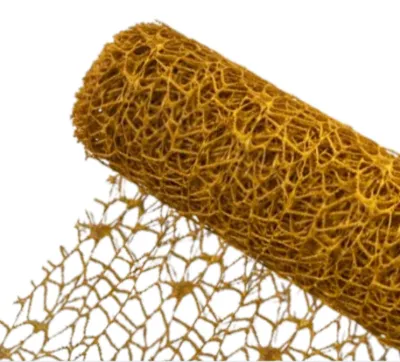
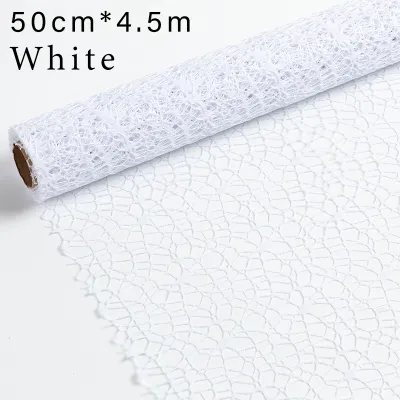
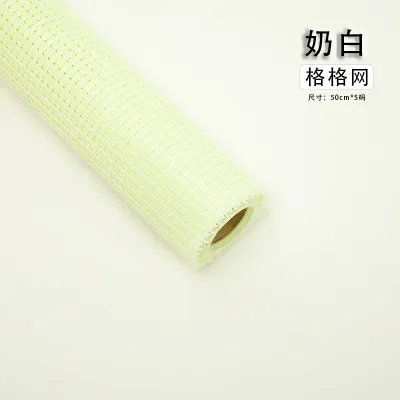
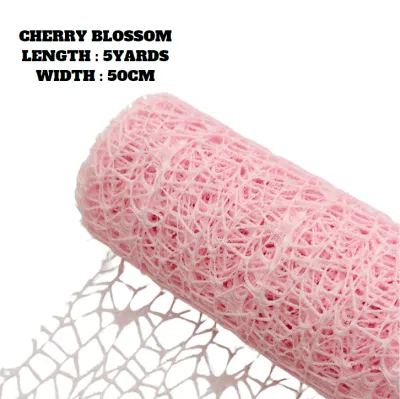
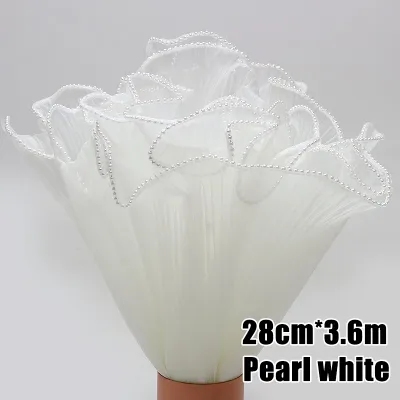
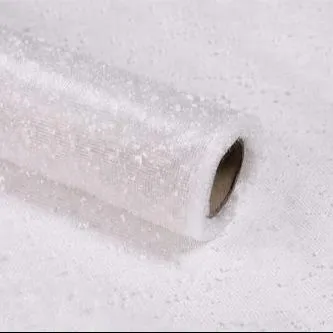
Prices are valid at publication and may change. Please refer to the product page for the latest price.
For festive occasions or evening events, starry or glittered web mesh incorporates metallic threads or small reflective particles embedded within the fibers. This style catches ambient light, adding a subtle shimmer that elevates the arrangement’s overall presentation. When using glittered mesh, it is important to check the quality of the adhesive or weave to ensure the reflective particles do not shed excessively during handling.
Gradient and printed web mesh options introduce color transitions and patterns into the design. Gradient mesh features a soft fade from one hue to another, which can be used to complement the natural color transitions of ombre roses or mixed bouquets. Printed mesh often includes delicate lace-like motifs, geometric patterns, or seasonal themes. These styled meshes work well for romantic or themed arrangements, but they require careful coordination with the flower colors to avoid a cluttered visual effect.
The transparency level of the mesh is determined by the density of the weave. A loose, wide-weave mesh offers high transparency, making it excellent for layering over solid-colored wrapping papers. A tight, fine-weave mesh provides more opacity and can stand alone as a primary wrapping material. Evaluating these visual and structural differences helps you select a mesh that aligns with your design goals, whether you aim for a sheer, modern look or a rich, layered presentation.
Match the Wrapper to Your Bouquet Size and Shape
To achieve a balanced and professional presentation, you must match the dimensions of your web mesh wrapper to the physical proportions of your bouquet. Before cutting any material, measure the maximum diameter of the flower head cluster and the total height of the arrangement from the top blooms to the base of the stems. As a general guideline, the width of your wrapping sheet should be at least one and a half to two times the diameter of the bouquet to allow for proper pleating and overlapping.

The silhouette of the bouquet dictates how you should cut and layer the mesh. Round bouquets, which are symmetrical and dense, benefit from square sheets of mesh folded diagonally or layered in overlapping panels. This technique creates a consistent, ruffled collar around the entire circumference of the flowers. For cascading or teardrop arrangements, longer rectangular sheets are more effective, as they can drape naturally alongside the downward-flowing foliage and trailing blooms.
Asymmetrical or modern free-form bouquets require a more flexible wrapping approach. For these designs, you can use individual panels of web mesh placed at varying heights to accentuate the high and low points of the arrangement. This method highlights the unique shape of the bouquet rather than forcing it into a rigid, symmetrical frame.
Always calculate adequate excess mesh to accommodate folding, pleating, and securing. When mesh is gathered at the binding point (the handle of the bouquet), it loses a significant portion of its usable width. If you cut the sheets too short, the wrapper will pull tightly against the outer flowers, potentially crushing delicate petals or leaving the stems exposed. Allowing an extra five to ten centimeters of length ensures you have enough material to create a full, voluminous base that can be securely tied with ribbon or twine.
Consider Flower Types and Stem Conditions
The physical characteristics of your flowers and stems play a critical role in determining the appropriate thickness and durability of the web mesh. Heavy, woody stems or flowers with sharp thorns, such as classic roses or tropical heliconias, can easily snag or tear delicate, low-density mesh. For these arrangements, opt for a high-density, stiff synthetic mesh that resists puncturing and maintains its shape under pressure.
Conversely, delicate blooms with soft, fragile petals, such as tulips, eustoma, or carnations, require a softer, more flexible mesh. A stiff, abrasive wrapper can rub against the outer petals during transport, causing bruising or discoloration. Choosing a mesh with a softer hand-feel ensures that the wrapper gently cradles the blooms without causing mechanical damage.
Moisture management is another vital consideration, especially in warm, humid environments. If your bouquet stems are wrapped in a damp paper towel, placed in water tubes, or misted to maintain freshness, the wrapping material must be completely water-resistant. Synthetic web mesh, typically made from polyester or polypropylene, does not absorb water or weaken when wet. This makes it far more reliable than standard paper wraps, which can sag, tear, or develop water stains when exposed to moisture.
When handling wet stems, ensure that any inner lining paper used alongside the mesh is also waterproof. This combination prevents water from seeping through to the outer layers, keeping the entire presentation clean and dry. Additionally, if you are using floral foam or water picks, verify that the mesh is strong enough to support the added weight without stretching or sagging at the base.
Evaluate Practical Features and Handling
The ease with which you can work with web mesh depends largely on its stiffness, drape, and edge construction. Mesh stiffness is determined by the fiber material and the manufacturing process. A stiff mesh holds sharp pleats and crisp folds exceptionally well, making it ideal for creating structured, geometric wrapping styles. However, it can be more difficult to gather tightly around the bouquet handle, requiring stronger floral wire or cable ties to secure.
A soft-drape mesh, on the other hand, flows smoothly and creates soft, organic ripples. This type is highly forgiving for beginners, as it conforms easily to the shape of the bouquet without requiring precise folding techniques. The trade-off is that soft mesh provides less independent structural support, meaning it may sag if used to wrap large, heavy arrangements without an inner supporting layer.
Examine the edges of the web mesh roll before purchasing. Some meshes feature heat-sealed or bound edges that prevent the fibers from unraveling during handling. Raw-cut mesh is more prone to fraying, especially when cut into smaller sheets or handled repeatedly. If you choose a raw-edge mesh, use sharp floral shears to make clean cuts, and minimize the amount of adjusting and pulling you do once the mesh is in place.
Finally, determine whether the mesh can hold its shape independently or if it requires structural reinforcement. For lightweight, minimalist arrangements, a single or double layer of stiff web mesh may be sufficient. For larger, top-heavy bouquets, pairing the mesh with a sturdy inner lining—such as non-woven fabric, waterproof matte paper, or thin floral cardboard—provides the necessary structural foundation to keep the bouquet upright and professional in appearance.
Build Your Shortlist: What to Check Before Buying
Before finalizing your purchase of web mesh wrappers, compile a checklist to verify that the product specifications match your project requirements. Start by checking the exact roll dimensions. Web mesh is commonly sold in rolls of varying widths, such as 30 centimeters, 50 centimeters, or 60 centimeters, and lengths ranging from 5 to 10 meters. Ensure the width is sufficient for your largest bouquet diameter, and calculate the total length needed to complete your planned number of arrangements without running out of material.
Color consistency is another critical factor to verify, particularly when sourcing materials from online marketplaces. Screen calibrations can alter the perceived shade of the mesh. Read customer reviews and look for real-life photos to confirm that the actual color matches your expectations. If you are preparing arrangements for a specific event, such as a wedding or corporate gathering, ordering a single sample roll beforehand is a reliable way to verify the color and texture under local lighting conditions.
Confirm the compatibility of the web mesh with your existing wrapping supplies and tools. Because synthetic mesh has a slippery surface, standard adhesive tapes may not hold securely. Verify that you have compatible securing materials, such as high-quality floral tape, rustic jute twine, or satin ribbons that can be tied tightly without slipping. If you plan to use hot glue for securing folds, perform a quick test on a scrap piece of mesh to ensure the heat does not melt or warp the synthetic fibers.
Lastly, consider the storage and transport requirements of the mesh. Rolls should be stored horizontally or on a rack to prevent the edges from becoming crushed or bent, which can create permanent creases in the material. By verifying these practical details before buying, you can avoid common wrapping pitfalls and ensure a smooth, efficient assembly process.
Frequently Asked Questions (FAQ)
Can I use web mesh for single-stem flowers?
Yes, web mesh is highly effective for wrapping single-stem flowers, such as a single long-stemmed rose or a sunflower. Because a single stem lacks the natural volume of a full bouquet, you can use the mesh to create artificial fullness. Fold a small square of mesh into a fan or cone shape and wrap it around the flower head to act as a delicate collar. This adds visual interest and structural support, making a single bloom look substantial and carefully styled.
Does web mesh require an inner lining paper?
Web mesh does not strictly require an inner lining paper, but using one depends on your desired aesthetic and structural needs. If you want a sheer, modern, and lightweight look where the stems remain visible, you can use the mesh entirely on its own. However, if you want to hide the stems, create a high-contrast background for the flowers, or add structural stiffness to a large arrangement, pairing the transparent mesh with an opaque inner lining paper is highly recommended.
How do I prevent the edges of the mesh from fraying?
To prevent the edges of your web mesh from fraying, always use extremely sharp scissors or dedicated floral shears to ensure clean cuts. Dull blades can pull and tear the delicate fibers, leading to immediate unraveling. Additionally, try to minimize repetitive handling, adjusting, or pulling of the mesh once it has been cut. For raw-edge meshes, you can also lightly run a heat tool or lighter along the cut edge to melt and seal the synthetic fibers, though this requires caution to avoid scorching the material.

Community discussion
Share your experience or ask a question. Comments are reviewed before publication.