
An effective filing system relies on the right compartments to keep small documents, receipts, and loose stationery from getting lost. A6 ziplock pouches offer a compact, secure solution for organizing these items, but not all pouches perform equally well in daily use. To build a reliable organizational setup, you must evaluate several physical characteristics of these pouches, including their exact dimensions, material compositions, and closure mechanisms. This guide will help you navigate these choices so you can select the ideal pouches for your personal or professional filing system.
In tropical climates like the Philippines, where high humidity can cause paper documents to warp or stick, choosing the correct material and seal is essential for long-term organization. By understanding the structural differences between various pouch designs, you can avoid common pitfalls like split seams, torn binder holes, or ruined documents.
Key Features to Evaluate in A6 Ziplock Pouches
Understanding True Internal Dimensions
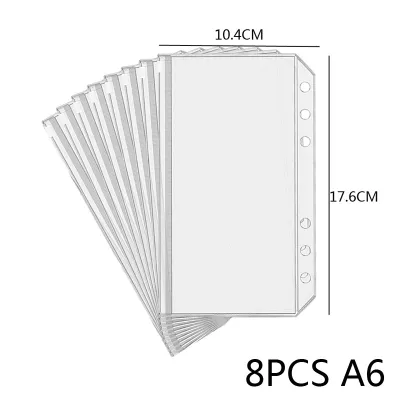
When browsing for A6 pouches, the label “A6” can sometimes be misleading. Standard A6 paper measures exactly 105 by 148 millimeters. However, many manufacturers label their pouches based on the external dimensions of the plastic sheet. Because these pouches require sealed borders, binder margins, and space for the ziplock track, the actual internal usable space is often significantly smaller than a standard A6 sheet.
Products mentioned in this guide
Prices are valid at publication and may change. Please refer to the product page for the latest price.
To ensure your documents fit flat without folding, you must look for pouches with expanded internal dimensions. A pouch with an internal width of at least 115 millimeters and an internal height of 155 millimeters is generally required to slide standard A6 paper in and out smoothly. If you plan to store thicker items, such as small notebooks or stacks of index cards, you will need even more clearance to account for the depth of the items.
Assessing Material Thickness and Durability
The thickness of plastic pouches is typically measured in microns or mils. Thinner pouches, often around 100 microns thick, are highly flexible and lightweight. They are excellent for keeping a binder slim when you need to stack dozens of pouches together. However, they offer minimal structural support and are prone to creasing, wrinkling, and puncturing when filled with pointed items like pens or paperclips.
Heavy-duty pouches, ranging from 150 to 200 microns or more, provide a rigid structure that maintains its shape even when loaded with heavier items. These thicker materials resist tearing and protect delicate paper contents from bending. The trade-off is bulk; a binder filled with heavy-duty pouches will fill up quickly, limiting the total number of compartments you can include in a single organizing system.
Comparing Closure Mechanisms
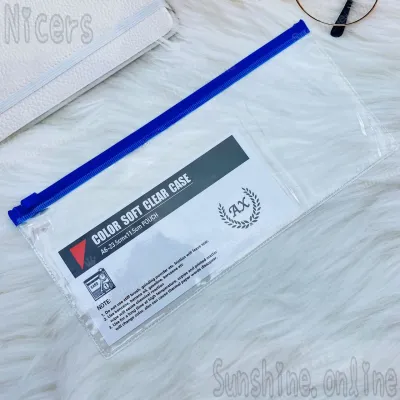
The two primary closure styles for A6 pouches are press-seal ziplocks and slider tracks. Press-seal closures feature interlocking plastic ridges that you pinch together with your fingers. This design keeps the pouch incredibly slim, allowing for flat stacking inside binders or drawers. The downside is that they require precise alignment to seal completely, and the plastic can split near the opening if you pull the sides apart too forcefully over time.
Slider tracks utilize a small plastic tab that slides across the zipper line to lock and unlock the pouch. This mechanism is highly convenient, especially for folders you access multiple times a day. However, the physical slider adds noticeable thickness to one side of the pouch. When multiple slider pouches are stacked in a binder, this localized bulk can cause the binder to bulge unevenly, putting uneven pressure on the rings.
Matching Pouch Materials to Your Filing Needs
Clear PVC and Polyethylene for High Visibility
Clear plastic pouches are the standard choice when quick visual identification is your primary goal. They allow you to read receipts, check invoices, or scan barcode labels without opening the compartment. This makes them highly efficient for tracking daily business expenses or organizing identification cards.

However, the specific type of clear plastic matters. Polyvinyl chloride (PVC) is highly transparent and glossy, but it contains plasticizers that can react to heat and humidity. In warm temperatures, PVC can become slightly sticky. This stickiness can cause thermal paper receipts to fade prematurely or stick to the plastic, potentially ruining important records. Polyethylene (PE) or polypropylene (PP) are excellent, acid-free alternatives that remain stable in warm weather and will not lift ink off your documents.
Mesh and Nylon Fabrics for Heavy-Duty Stationery
If your primary goal is to organize loose stationery items like wooden pencils, metal paperclips, rulers, and erasers, plastic pouches may not be durable enough. Sharp points and hard edges can easily puncture thin plastic walls. For these items, mesh-reinforced plastic or woven nylon pouches are far more suitable.
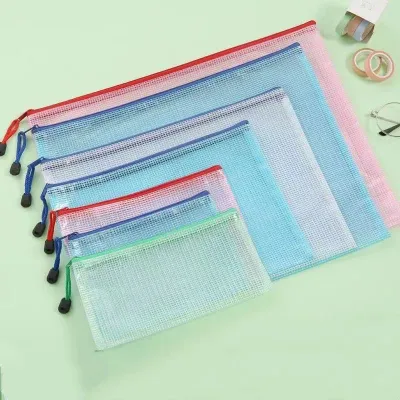
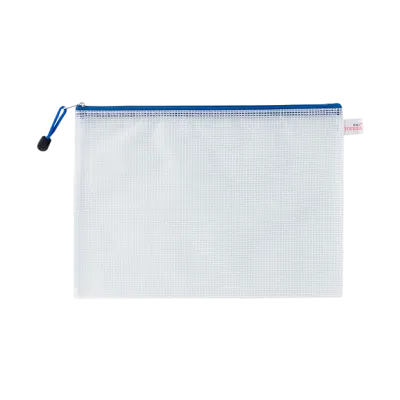
Mesh pouches feature a grid of polyester threads embedded within the plastic, which greatly increases tear resistance and prevents small punctures from spreading. Pure nylon fabric pouches offer excellent flexibility and abrasion resistance. Additionally, fabric-based pouches allow for better air circulation, preventing moisture from getting trapped inside the compartment—a common issue in high-humidity environments that can damage paper sticky notes or cause metal paperclips to rust.
Frosted and Opaque Finishes for Privacy
Not every document in your filing system should be visible to casual observers. If you use your A6 pouches for cash envelope budgeting—a popular method for managing household funds in Pesos (₱)—or for storing sensitive personal documents like health cards and membership IDs, privacy is a key concern.
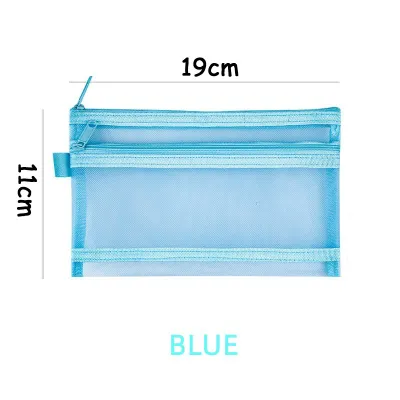
Frosted or semi-opaque finishes offer a practical middle ground. They obscure the fine details of the contents, preventing people from reading text or seeing exact currency denominations from a distance, while still allowing you to identify the general shapes or color-coded items inside. Frosted finishes also diffuse light, reducing harsh glare under bright office fluorescent lamps and making the pouches easier to handle outdoors.
Integration with Existing Filing Systems
Verifying Binder Hole Compatibility
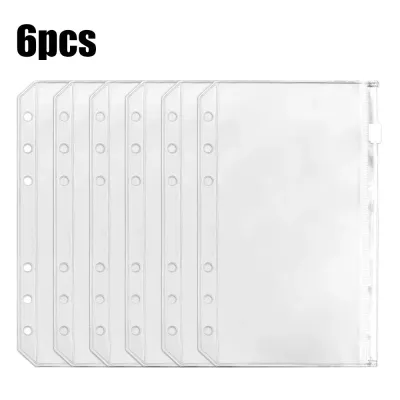
Many users choose A6 ziplock pouches to insert into personal organizers or binders. Before purchasing, you must verify that the pouch’s hole pattern matches your binder’s ring mechanism. The standard A6 personal binder typically uses a 6-ring configuration with a specific spacing pattern (usually 19mm-19mm-38mm-19mm-19mm between the holes).
Some pouches come pre-punched with universal hole patterns designed to fit 2-ring, 3-ring, or 6-ring binders. Always measure the distance between your binder rings and compare them to the product specifications. If you force a pouch with incorrect hole spacing onto a ring mechanism, the plastic margin will warp, preventing the pages from turning smoothly and eventually tearing the holes.
Evaluating Edge Designs and Labeling Margins
The border area of the pouch plays a critical role in how easily you can navigate your filing system. Look for pouches with reinforced left margins where the holes are punched. Some high-quality designs feature a double layer of plastic or metal eyelets around the holes to prevent the rings from tearing through the material under heavy loads.
Additionally, consider how you plan to label each pouch. Some pouches feature an extended margin on the outer edge that acts as an index tab. This allows you to write category names directly on the tab or attach adhesive labels. Without these tabs, finding a specific pouch in a thick binder requires flipping through every single page, which slows down your workflow.
Stacking and Desktop Storage Considerations
If you plan to store your A6 pouches loose inside desk drawers, plastic bins, or desktop file trays rather than binding them, their physical texture becomes highly important. Smooth, glossy plastic pouches have very low friction. When stacked on top of one another, they tend to slide and spill at the slightest movement.
To prevent this, look for pouches that feature a matte or textured back panel. This slight texture provides enough friction to keep stacked pouches stable inside a drawer. Alternatively, you can utilize vertical desktop sorters or small acrylic bins to keep the pouches upright, making it easy to flip through them like index cards.
Building Your Shortlist: What to Check Before Buying
Cross-Referencing Internal Capacity
When compiling your shortlist on an online marketplace, do not rely solely on the product title or generic “A6” tags. Always scroll down to the detailed specification section to find the exact internal dimensions. If the seller does not list the internal measurements, look at the customer question section or ask the seller directly. Measuring the items you plan to store beforehand will save you the hassle of returning pouches that are just a few millimeters too small.
Inspecting Seam and Track Quality
The longevity of a ziplock pouch depends almost entirely on the quality of its seams and the zipper track. Examine the product images closely. High-quality pouches feature wide, cross-hatched heat-welded edges rather than a single thin line. Wide welds distribute physical stress much better, preventing the sides of the pouch from splitting open when you slide items inside.
Read user reviews specifically looking for comments on the zipper’s performance. If multiple users report that the slider easily slips off the end of the track or that the press-seal becomes loose after a few weeks, it indicates poor manufacturing tolerances. A reliable track should feel smooth to operate and remain securely closed even when light pressure is applied to the sides of the pouch.
Frequently Asked Questions (FAQ)
Can A6 ziplock pouches protect documents from water damage?
Standard A6 ziplock pouches offer excellent protection against minor splashes, high humidity, and accidental spills on your desk. However, they are not completely waterproof or airtight. The zipper tracks on standard stationery pouches are designed for easy opening and closing, meaning they do not form a hermetic seal. You should never submerge these pouches in water or expose them to heavy rain. If you require absolute water protection for outdoor activities, look for specialized dry-pouches that feature multi-roll top closures and certified waterproof ratings.
How do I prevent the ziplock track from breaking over time?
To maximize the lifespan of your pouches, avoid overstuffing them. Forcing thick items into a pouch puts constant outward pressure on the zipper track, causing the seams to split or the track to warp. Additionally, keep the track clean; small debris like eraser shavings, dust, or paper fibers can get trapped in the grooves, preventing a secure seal. When opening a press-seal pouch, gently pull from the center of the seal rather than ripping it open from the corners, which minimizes stress on the welded edges.

Community discussion
Share your experience or ask a question. Comments are reviewed before publication.