
Selecting the right modeling compound set requires balancing a child’s current physical capabilities with their safety needs and imaginative interests. While these colorful doughs offer exceptional sensory and developmental benefits, a set that is too complex can lead to frustration, while one with pieces that are too small can pose safety risks. By matching the tools, compound volume, and themes to specific developmental milestones, you can ensure a frustrating-free, highly engaging creative experience.
To make an informed choice, look closely at how a child interacts with physical objects. Toddlers benefit most from open-ended sensory exploration, preschoolers thrive on imaginative role-play and simple mechanics, and school-age children enjoy intricate, multi-step projects. Evaluating safety certifications, tool designs, and long-term storage needs will help you find a set that provides lasting play value.
Verify Safety and Age Recommendations on Packaging
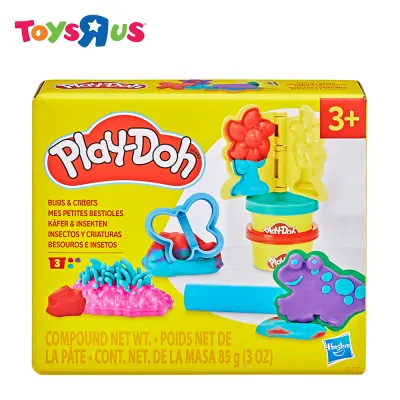
Before focusing on themes or play patterns, prioritize the safety indicators printed on the packaging. Manufacturer age recommendations are primarily established to address safety standards and choking hazards rather than a child’s artistic skill. A set labeled for ages three and up often contains small molds, plastic cutters, or decorative accessories that can easily fit inside a child’s mouth, making them unsuitable for younger siblings who still explore objects orally.
Products mentioned in this guide
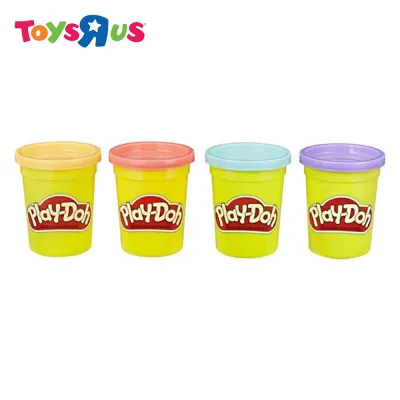
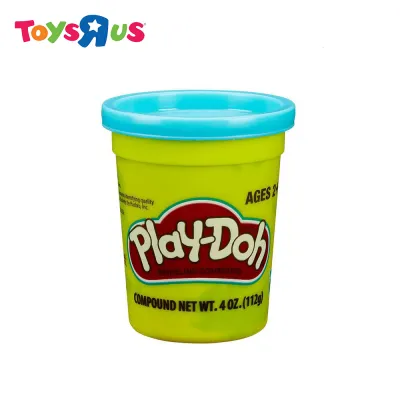
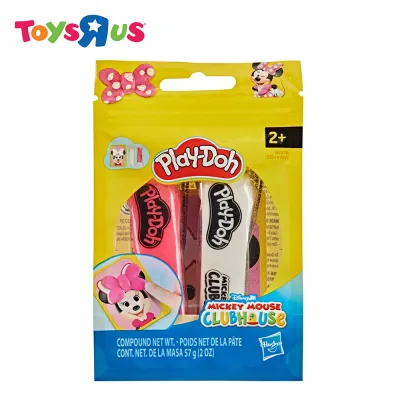
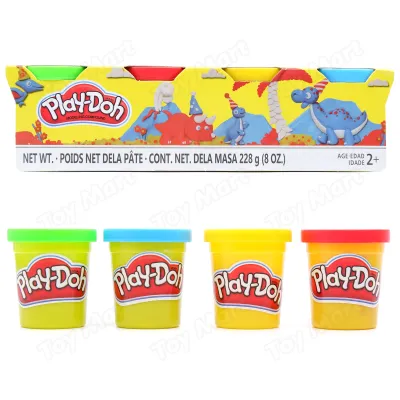

Prices are valid at publication and may change. Please refer to the product page for the latest price.
Always look for clear non-toxic certifications on the box to ensure the compound is safe for prolonged skin contact. Reliable modeling compounds undergo rigorous testing to confirm they are free from harmful chemicals, heavy metals, and toxic colorants. Because young children frequently touch their faces or attempt to taste the dough during play, verifying these safety labels provides essential peace of mind.
Examine the physical construction of the included tools before finalizing your purchase. For younger age groups, prioritize sets that feature large, single-piece plastic tools over those with small, detachable parts. Seamlessly molded rollers, stampers, and cutters are less likely to break under pressure, eliminating the risk of sharp plastic edges or small, swallowable fragments breaking off during a vigorous play session.
Match Sets to Toddler Motor Skills (Ages 2–3)
Children between the ages of two and three experience rapid development in their gross and fine motor skills, transitioning from whole-hand grasping to more controlled finger movements. At this stage, play is entirely sensory and process-oriented rather than focused on creating a finished product. The ideal introductory sets feature large, chunky tools that accommodate a toddler’s palmar grasp, allowing them to press, roll, and stamp using the strength of their entire hand.

Look for sets that include thick rolling pins, oversized stampers with easy-to-grip handles, and simple, wide-handled cutters. These basic shapes allow toddlers to explore cause and effect, such as seeing a flat surface turn into a textured pattern. Avoid kits that feature complex extruders, syringe-style plungers, or multi-part mechanical toys, as these require a level of finger strength and two-handed coordination that toddlers have not yet developed.
Keep the color palette simple and focused on primary colors to support early color recognition. Toddlers naturally enjoy squishing different colors together, which inevitably results in a single, blended brown or gray mass. Providing a few large cans of basic colors allows them to explore the physical properties of the dough—such as its softness, weight, and elasticity—without overwhelming them with complex color-matching tasks.
Match Sets to Preschool Imagination (Ages 4–5)
Preschoolers possess significantly improved hand strength, bilateral coordination, and a rapidly expanding imagination. Children in this age bracket are shifting from purely sensory play to symbolic play, where they use the compound to represent real-world objects and act out stories. Themed role-play kits, such as toy kitchens, animal clinics, or construction sites, are highly effective at this stage because they provide recognizable molds that spark creative scenarios.
At this developmental level, children can successfully operate simple mechanical tools that require moderate hand strength. Look for sets with basic lever-action extruders, such as pasta makers or hair-growing chairs, which allow them to push down with one hand while stabilizing the toy with the other. These mechanisms provide satisfying physical feedback and help refine the hand-eye coordination needed for future tasks like writing and cutting with scissors.
Ensure the selected set includes a wider variety of compound colors to encourage color mixing and creative experimentation. Preschoolers are capable of understanding that mixing blue and yellow creates green, making color variety a valuable educational tool. Opt for kits that provide medium-sized cans in multiple shades, giving children enough material to build multi-colored figures, decorate molded shapes, and share tools cooperatively with playmates.
Match Sets to School-Age Complexity (Ages 6+)
By the time children reach school age, they have developed precise finger control, excellent hand-eye coordination, and the patience required for detailed craftsmanship. Older kids are no longer satisfied with simple shapes; they want to create realistic, highly detailed models that match their specific visions. Sets designed for this age group should feature intricate molds, multi-part assembly kits, and detailed sculpting tools that challenge their fine motor precision.
Look for advanced kits that integrate moving parts, detailed texturing tools, or multi-step creation processes. Some sets allow children to build structural bases out of plastic and clad them in modeling compound, or use specialized extruders to create fine, detailed patterns. These activities require a high level of focus and planning, helping to build spatial reasoning skills and persistence as they work through sequential instructions.
Evaluate whether the set supports independent play by examining the instruction guides. School-age children enjoy the challenge of following visual, step-by-step diagrams to assemble complex creations without needing constant adult intervention. Kits that offer a clear goal, such as building a specific toy vehicle or crafting detailed miniature food items, provide a rewarding sense of accomplishment for older creators.
Evaluate Set Components and Long-Term Value
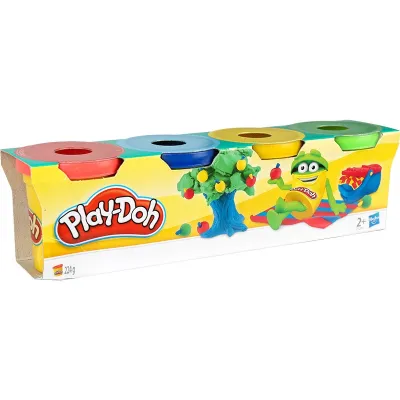
To ensure your chosen set provides lasting entertainment, look beyond the cover art and evaluate the actual physical contents of the box. Check the total net weight of the modeling compound rather than just the number of cans included. Some sets may feature a high number of cans, but contain very small, single-ounce portions that are insufficient for building larger structures or sharing among multiple children.
Consider the ongoing cost and availability of replacement compound in your local area. Because modeling compound naturally dries out over time or becomes mixed into a uniform color, you will eventually need to purchase refills. Before buying a highly specialized themed set, verify that standard, budget-friendly refill cans are readily accessible at local department stores, stationery shops, or online marketplaces, with multi-packs typically ranging from ₱150 to ₱500 depending on the volume.
Proper storage is critical for maintaining the soft, pliable texture of the compound, especially in tropical climates where high humidity or dry, air-conditioned rooms can rapidly alter its consistency. Assess the quality of the included storage containers, looking for tight-fitting, airtight lids that prevent moisture loss. If the set comes with a dedicated storage tray or carrying case, ensure it has designated compartments to keep the plastic tools organized and prevent the compound cans from being misplaced.
Frequently Asked Questions (FAQ)
Is modeling compound safe for children with wheat allergies?
Most traditional, commercially produced modeling compounds contain wheat gluten as a primary binding ingredient. Because children frequently touch their mouths or eyes during play, those with severe wheat allergies or celiac disease can experience adverse reactions from skin contact or accidental ingestion. Always inspect the product packaging for explicit allergen warnings, and seek out certified gluten-free alternative compounds or prepare a homemade, allergen-safe modeling dough using alternative starches if a sensitive allergy is present.
How can I revive dried-out modeling compound?
If the modeling compound has become slightly stiff or dry but has not completely hardened, you can often restore its pliability by adding moisture. Work a few drops of clean water into the compound, kneading it thoroughly to distribute the moisture, and then seal it inside its airtight container overnight. If the compound has completely crystallized, turned crumbly, or developed any signs of mold due to improper storage in humid conditions, it cannot be safely revived and should be discarded to maintain a hygienic play environment.

Community discussion
Share your experience or ask a question. Comments are reviewed before publication.